
Gecko Tail Dropping: A Stress Response Guide
Published on: May 6, 2026 | Last Updated: May 6, 2026
Written By: Alexander 'Gecko Geek' Johnson
Watching your gecko’s tail drop off can be a shocking and scary experience, leaving you worried about their health and happiness. I’ve been there myself, and my heart still jumps a little when I remember the first time it happened with one of my cresties.
I’m here to help you understand exactly what’s happening and what to do next. We will cover:
- Why a healthy gecko would ever drop its tail.
- The immediate steps you must take to ensure a safe recovery.
- How to fix your habitat to prevent it from happening again.
You will get clear, step-by-step advice based on both science and my own hands-on experience. The article covers: causes of tail loss, immediate first aid, quarantine steps, habitat corrections, long-term care, and stress reduction.
What Is Tail Dropping and Why It Happens
The Science Behind Caudal Autotomy
Your gecko’s tail is a brilliant, built-in escape plan. The scientific term is caudal autotomy, and it’s a pre-programmed defense mechanism. I’ve seen it firsthand with my crested gecko, Jeter, who thankfully has kept his tail. Special fracture points in the vertebrae allow the tail to break cleanly with minimal blood loss. Muscles then contract at the break point to seal blood vessels almost instantly, which is why you rarely see a messy scene. The wiggling detached tail is designed to distract a predator while your gecko makes a getaway. There are many gecko myths, such as tail shedding on command or tails regrowing perfectly, which can mislead owners; for more information on these misconceptions, check out the article [There are many gecko myths](https://thegeckoguide.com/common-gecko-behavior-myths-debunked). In reality, tail shedding is a defense with costs, and regeneration varies by species.
The body immediately starts working on regeneration. But you need to know this: the new tail will never be the same. It’s often shorter, stubbier, and made of a different, cartilage-like material. It lacks the original vertebrae and beautiful patterning. Think of it as a functional but less elegant replacement part that costs your gecko a huge amount of energy to grow.
Common Triggers for Tail Loss
In our homes, the “predators” are usually stress factors we can control. Based on my years of keeping everything from leopard geckos to gargoyles, here are the most frequent culprits.
- Improper Handling: Grabbing a gecko by its tail is a surefire way to trigger a drop. Always handle them gently, supporting their whole body.
- Tank Aggression: Housing two geckos together, especially males, is a major risk. My A-Rod, an African Fat-Tailed, is a solitary guy and would absolutely drop his tail if challenged.
- Loud Noises & Vibrations: Placing a tank near a loud speaker or a slamming door can create a constant state of fear.
- Predatory Pets: A cat constantly staring or pawing at the glass is incredibly stressful for your gecko.
- Inadequate Hides: Without secure, snug places to feel invisible, a gecko feels exposed and vulnerable 24/7.
Signs Your Gecko Is Stressed and Might Drop Its Tail
Behavioral Red Flags
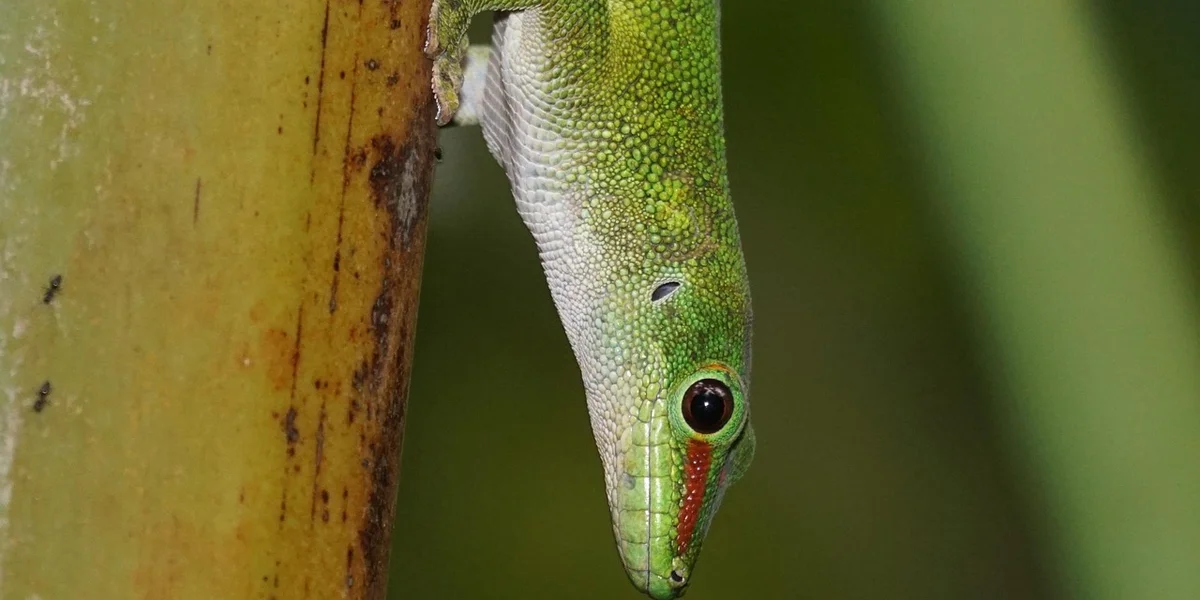
Your gecko talks with its body. Learning this language is your best tool for prevention. If you see these behaviors, it’s a cry for help that demands an immediate habitat and care review. Common gecko communications are mostly body language cues, though they can include occasional vocalizations. Reading both types together helps you understand what your gecko is telling you.
- Excessive Hiding: All geckos hide, but if yours never emerges, even for food at night, that’s a problem.
- Glass Surfing: Frantically climbing the tank walls repeatedly is a classic sign of stress, not play.
- Loss of Appetite: A sudden refusal to eat is one of the clearest indicators something is wrong.
- Aggression or Skittishness: A normally calm gecko that starts hissing, biting, or fleeing from you is scared.
- Tail Twitching or Vibrating: A slow, deliberate tail wave or a fast, rattlesnake-like shake is a major warning signal.
Environmental Stress Clues
Sometimes the problem isn’t the gecko, it’s the world you’ve built for them. A quick audit of their home can reveal hidden stressors that are easy to fix. Often, signs of stress in geckos reflect their environment. Simple habitat tweaks can help address those cues.
- Wrong Temperature Gradient: Is the hot spot actually hot enough? Is the cool end truly cool? Incorrect temps disrupt digestion and cause stress.
- Bright Lighting at Night: Using bright white or colored lights at night disrupts their sleep cycle. They need darkness.
- Lack of Foliage and Clutter: An empty tank is a scary tank. They need visual barriers and plenty of cover to move around feeling secure.
- Dirty Enclosure: A build-up of waste not only smells bad to you but can create a harmful environment that stresses your pet.
- Wrong Humidity Levels: Too dry can cause bad sheds; too wet can foster bacteria. Both are stressful on their systems.
Immediate Steps When Your Gecko Drops Its Tail
First Aid and Injury Care
The moment your gecko drops its tail, your calm and quick action is critical. I’ve been through this with a skittish gecko of mine, and keeping a level head makes all the difference when dealing with sensitive gecko behaviors.
Your first priority is to prevent infection and reduce stress for your gecko.
- Isolate the Gecko: If you have other geckos in the enclosure, immediately move the injured one to a simple, clean quarantine tank. This prevents bullying and allows for closer monitoring.
- Locate the Dropped Tail: Carefully remove the wiggling tail from the enclosure. This prevents mess and stops your gecko from trying to eat it, which can cause impaction.
- Paper Towel Substrate is a Must: Swap out any loose substrate like coconut fiber or bark for plain, unprinted paper towels. This keeps the wound site clean and prevents tiny particles from sticking to it.
- Minimize Handlers: Resist the urge to constantly check the wound. Only handle your gecko when absolutely necessary for cage cleaning. Let them heal in peace.
When to Seek Veterinary Care
While many tail drops heal on their own, some situations absolutely require a professional. I never hesitate to call my vet if I see any of these red flags.
You should schedule a vet appointment if you notice any signs of infection at the drop site.
- Pus or a discolored, smelly discharge.
- Prolonged bleeding that doesn’t stop within a few minutes.
- Significant swelling or redness that seems to be getting worse.
- Visible bone protruding from the injury site.
- A gecko that is completely lethargic, refuses food for more than a week, or shows signs of pain when moving.
A reptile vet can prescribe antibiotic ointments or injectable medications to tackle an infection head-on. It’s always better to be safe and get that professional opinion.
Preventing Tail Dropping Through Better Care
Optimizing Your Gecko’s Enclosure
Most tail drops are a direct result of environmental stress. By fine-tuning your gecko’s home, you create a sanctuary where they feel secure.
A cluttered enclosure is a happy enclosure because it mimics the complex environment of the wild and provides security.
- Multiple Hides are Non-Negotiable: Provide at least three hides: one on the warm side, one on the cool side, and a moist hide in the middle for shedding. My gecko Jeter uses his three hides like a little apartment, moving between them throughout the day.
- Check Your Temperatures: Incorrect temperatures are a huge, often silent, stressor. Use a digital thermometer to ensure your warm side is species-appropriate and your cool side offers a genuine temperature drop.
- Offer Visual Barriers: Use fake plants, cork bark, and other décor to break up the line of sight across the tank. This makes your gecko feel less exposed and gives them safe pathways to move around.
- Place Enclosures Thoughtfully: Keep the tank in a low-traffic area of your home, away from loud TVs and windows with direct, overwhelming sunlight.
Safe Handling and Social Enrichment
Building trust with your gecko is a slow, rewarding process. Rushing it is a primary cause of tail loss.
Always let the gecko initiate contact and come to you, rather than you grabbing for them.
- Wash your hands thoroughly before and after handling to remove any scents that might alarm them.
- Approach from the side and below, never from above like a predator. Let them see your hand coming.
- Gently scoop them up from beneath, supporting their entire body and legs. Never grab or pull their tail.
- Keep handling sessions short-just 5 to 10 minutes at first. Watch for signs of stress like rapid breathing, tail twitching, or trying to leap away.
For geckos that are particularly nervous, I practice “presence training.” I simply sit by the open enclosure with my hand resting inside, not moving, for a few minutes each day. Over time, they learn your scent and presence are not a threat.
Tail Regeneration and Recovery Process
What to Expect During Regrowth
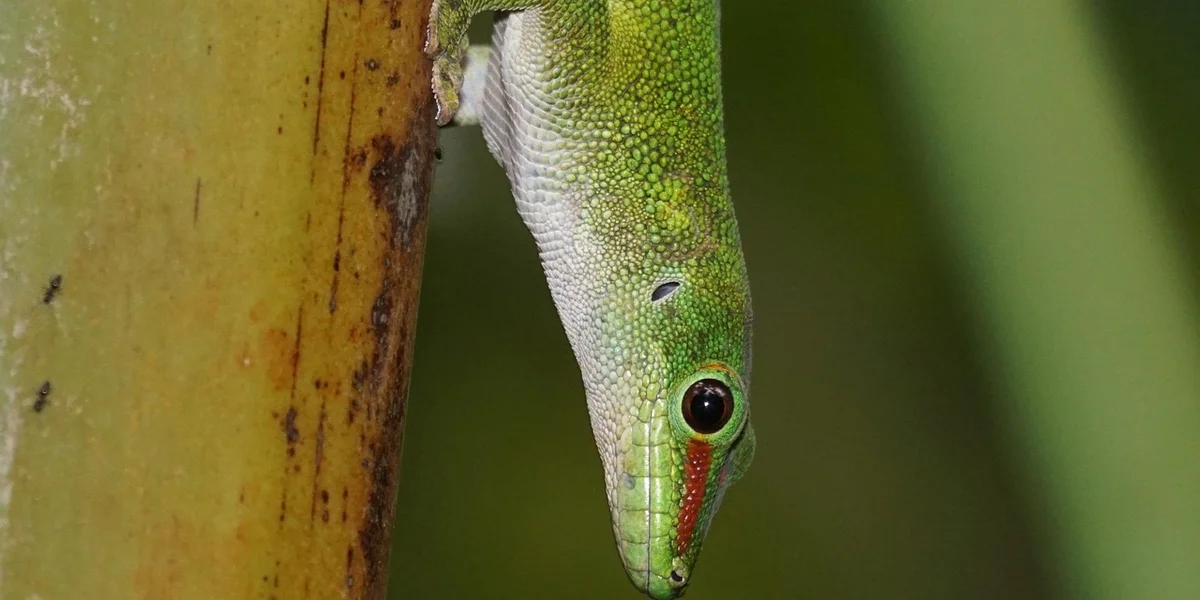
Seeing that little stump for the first time can be startling, but your gecko is about to show you one of nature’s coolest tricks. The new tail will not look like the original; it often grows back darker, smoother, and more bulbous or carrot-shaped. I’ve watched this process with my own geckos, and it’s a fascinating, albeit imperfect, marvel of biology.
The regrowth starts with a small, pale bud at the drop site. Within a few weeks, you’ll see it begin to lengthen. This process demands a lot of energy from your pet. You must support this internal construction project by offering more frequent, nutrient-rich meals. I always dust my geckos’ food with a high-quality calcium and vitamin supplement during this time to give them the building blocks they need.
- Appearance: The new tail is made of cartilage, not bone. It will lack the original segmentation and pattern.
- Timeline: Initial regrowth is visible in 2-3 weeks, but it can take several months to reach a substantial size.
- Dietary Needs: Increase feeding frequency slightly and always provide a full, clean calcium dish.
- Habitat: Keep the enclosure impeccably clean to prevent any bacteria from entering the healing wound.
Monitoring for Complications
While regeneration is usually straightforward, you are your gecko’s first line of defense against potential problems. Check the tail stump daily for the first week, looking for any signs of redness, swelling, or a weird color. A healthy healing process should not involve any discharge or a foul smell.
I learned this the hard way with one of my first geckos, Jeter. His drop site looked a little too red, and a quick vet visit confirmed a minor infection that we caught early. Trust your gut; if something looks off, it probably is. Keep handling to an absolute minimum during this vulnerable period to prevent further stress and contamination. That’s why recognizing early warning signs in geckos matters. Early signs include a drop in appetite, lethargy, or unusual swelling.
- Infection Signs: Pus, persistent bleeding, dark discoloration, or a soft, mushy feel to the tissue.
- Stuck Shed: Ensure any shed skin comes off the new tail growth completely, as constriction can cause serious damage.
- Stunted Growth: If the tail does not begin to regrow after a month, it could indicate an underlying health or nutritional issue.
When to Consult a Veterinarian
Identifying Serious Health Risks
Most tail drops are simple, but some situations require professional intervention. You should contact a reptile vet immediately if you see active bleeding that doesn’t stop, or if the exposed area looks infected. Signs of infection include pus, a foul odor, or significant swelling.
Another major red flag is a change in your gecko’s overall behavior. If your gecko becomes lethargic, refuses food for more than a week, or shows signs of pain like gaping or flinching, it’s vet time. These symptoms can indicate your gecko needs to see a veterinarian immediately. If you notice these or other concerning changes, contact a reptile-experienced vet promptly. My crested gecko, Mookie, once dropped his tail and then became unusually still; the vet discovered he was just overly stressed, but getting that peace of mind was priceless.
- Go to the Vet Now: Uncontrolled bleeding, obvious infection, or signs of extreme pain.
- Schedule a Vet Visit: Lethargy lasting more than 48 hours, complete refusal to eat, or no signs of regrowth after a month.
- At-Home Care is Fine: A clean drop site with a gecko that is alert, drinking, and showing interest in food.
Long-Term Health Management
Life after tail loss is about more than just waiting for a new one to grow. Your gecko’s main fat-storage organ is gone, making consistent, high-quality nutrition non-negotiable for long-term health. You must be vigilant to prevent obesity, as the new tail cannot store fat the same way.
I monitor my geckos’ body condition by feeling the base of their spine and their ribs. A healthy gecko should have a plump base of the tail but still feel firm, not squishy or bony. This event is also a loud wake-up call to perfect your habitat setup. Double-check your temperatures, humidity, and hiding places to ensure your pet feels secure and cannot see any perceived predators, like other pets in the room. This is especially important when you’re starting out, so your hatchling thrives and stays healthy.
- Diet: Maintain a balanced diet and avoid over-reliance on fatty feeders like waxworms.
- Body Condition: Learn to assess your gecko’s physique beyond the tail. A slightly rounded belly is good; a bloated one is not.
- Habitat Audit: Use this as an opportunity to eliminate all stressors, from noisy locations to an insecure hide.
FAQs
Why do geckos drop their tails when recorded on camera?
Geckos may drop their tails when filmed due to the stress caused by sudden camera movements, bright lights, or the handler’s nervous energy during recording.
What is the general advice on Reddit for gecko tail dropping?
On Reddit, experienced owners often recommend isolating the gecko, using paper towel substrate, and reviewing habitat setup to address underlying stressors. These steps help calm a stressed gecko and are practical, effective techniques. When you implement targeted environmental fixes—consistent temperatures, appropriate humidity, secure hides, and minimal handling—the gecko is more likely to settle and show healthier behavior.
Can you remove a gecko’s tail without causing harm?
No, manually removing a gecko’s tail is harmful and should never be attempted, as it can cause pain, infection, and disrupt natural healing processes.
Are videos of geckos dropping their tails helpful for owners?
Educational videos can aid in recognizing stress signals, but owners should avoid replicating any handling or conditions that may distress their own gecko.
Do leopard geckos and crested geckos have different tendencies for tail dropping?
Crested geckos are generally more prone to tail dropping as a stress response, while leopard geckos may be slightly more resistant but can still drop their tails under severe stress.
Final Thoughts
When a gecko drops its tail, your immediate job is to prevent infection and reduce stress. If the gecko is sick or injured, handle it minimally and with clean hands to reduce further stress. Gently separate the gecko, provide a clean and quiet enclosure, and monitor the wound closely. Focus on fixing the underlying cause, whether it’s improper handling, a bully tankmate, or an insecure habitat.
Owning a gecko is a long-term commitment to understanding their unique, silent language. I’ve learned more from watching my own geckos than any single care sheet. That journey is exactly what a complete guide to understanding gecko behavior and temperament aims to offer. It helps translate their quiet cues into confident care. Stay curious, keep learning, and always put their well-being first – it’s the most rewarding part of being a pet owner.
Further Reading & Sources
- Autotomy – Wikipedia
- Geckos: adaptive significance and energetics of tail autotomy – PubMed
- How tails help geckos and other vertebrates make great strides
The Gecko Guide is your ultimate resource for gecko enthusiasts, providing expert advice and practical tips to ensure the health and happiness of your scaly companions. Alexander is a passionate gecko owner with over a decade of experience in reptile care. We are dedicated to offering accurate, up-to-date information to support your gecko journey.Our mission is to foster a community of responsible gecko owners who are passionate about the well-being of these fascinating creatures.
Handling & Behavior Signs