
How to Budget for Your Gecko’s Annual Vet Care
Published on: June 5, 2026 | Last Updated: June 5, 2026
Written By: Alexander 'Gecko Geek' Johnson
That sudden vet bill for your gecko can feel like a financial gut punch, leaving you stressed about both your pet’s health and your wallet.
I’ve been there with my own crew-Griffey, Jeter, and the rest-and I’m here to help you build a simple, effective financial plan. We’ll break down the costs so you’re never caught off guard.
By the end of this guide, you will:
- Know the exact annual check-up costs to expect.
- Learn how to build a dedicated gecko emergency fund.
- Discover smart ways to save money without compromising care.
You’ll get clear, step-by-step advice you can start using today. We will cover: routine exam costs, emergency fund targets, common procedure prices, pet insurance options, and proactive health savings strategies.
Why Your Gecko Needs an Annual Checkup
I used to think my geckos were fine if they were eating and pooping. Then I took my High Yellow Leopard Gecko, Griffey, for his first checkup. He seemed energetic, but the vet found he was slightly underweight. I couldn’t even tell! Geckos are masters at hiding illness; a yearly exam is your only real chance to catch a problem before it becomes an emergency.
Think of it as routine maintenance for a complex, living creature. During a checkup, the vet will:
- Weigh them to track for subtle gains or losses.
- Check their skin for retained shed or early signs of infection.
- Examine their eyes, mouth, and joints for abnormalities.
- Palpate their body to feel their overall condition and check for impactions.
This visit isn’t just about finding what’s wrong. It’s a perfect opportunity to ask your vet those little questions about behavior or diet that keep you up at night. I always leave my annual visits feeling more confident and connected to my pets’ well-being.
Breaking Down the Annual Veterinary Expense
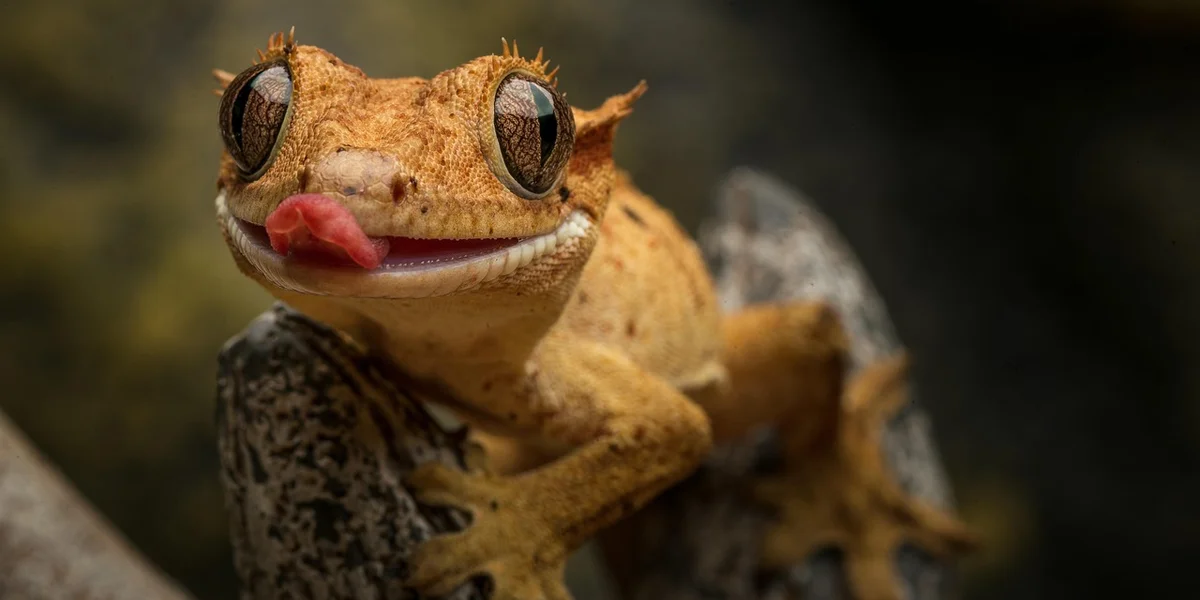
Let’s get specific about the numbers so you aren’t blindsided. Costs vary by location, but this table gives you a solid framework for what to expect for a standard, healthy gecko visit. That same budgeting also applies to the upfront setup and ongoing monthly costs of gecko ownership. Knowing these figures helps you plan for both initial setup and ongoing expenses like enclosure care, heating, and feeding.
| Service | Low-End Estimate | High-End Estimate | Why It’s Needed |
|---|---|---|---|
| Reptile Wellness Exam | $60 | $100 | The core of the visit. This is the physical checkup by a vet experienced with reptiles. |
| Fecal Parasite Test | $25 | $50 | Checks for internal parasites, which are common and can cause weight loss and lethargy. |
| Nail Trim (if needed) | $10 | $20 | Prevents nails from getting caught on decor or growing into the foot. |
For my crew, the baseline cost for a simple checkup and fecal float is usually between $85 and $150 per gecko. This helps answer the common question: how much does a gecko vet visit cost typically cost? Budgeting for this baseline amount each year is the single most important financial step you can take for your pet.
Now, here are common add-ons that can increase the bill. You hope you won’t need them, but you should be aware.
- X-Rays: ($100 – $250) Used to check for egg-binding in females, metabolic bone disease, or internal blockages.
- Medications: ($20 – $60) Dewormers, antibiotics, or calcium injections if an issue is found.
- Emergency Visit Fee: ($100+ extra) This is why prevention is cheaper! An after-hours trip skyrockets the cost.
My Crested Gecko, Jeter, needed an X-ray once to check his hip after a clumsy fall. It was an extra $120, but having a general savings fund meant I could say “yes” immediately. Building a small buffer into your annual gecko fund turns potential panic into manageable problem-solving.
Smart Budgeting Strategies for Gecko Healthcare
Let’s talk about making a financial plan that doesn’t give you a panic attack. I learned this the hard way when my gecko, Griffey, decided to explore a tiny gap in his terrarium lid and took a short, unexpected flight. The key is to treat your gecko’s health fund like a non-negotiable monthly bill, not a “maybe-I’ll-save” goal.
Build Your Gecko Emergency Fund
Start small and be consistent. Even $10 or $20 a month adds up over time.
- Open a Separate Savings Account: I have a “Lizard Liquidity” fund completely separate from my personal savings. This prevents you from dipping into it for non-emergencies.
- Automate Your Contributions: Set up a tiny, automatic transfer right after you get paid. You won’t even miss it.
- Estimate Your Baseline: A basic wellness visit for one of my geckos costs around $75. An emergency visit can easily hit $300-$500. Aim to save at least the cost of one emergency.
Know Your Gecko’s “Risk Profile”
Not all geckos have the same veterinary needs. Budgeting isn’t one-size-fits-all.
- Species-Specific Issues: My Crested Gecko, Jeter, has never had a single health scare. But my Leopard Gecko, Griffey, is a curious daredevil who seems to find trouble. Active, climbing species can be more prone to falls and injuries.
- Age Considerations: A young gecko might just need a check-up. An older gecko, like my 5-year-old Babe, may need bloodwork or tests for age-related issues. Factor this in as they grow.
- Pre-Existing Conditions: If you adopt a gecko with a known issue, your budget needs to account for ongoing care or potential complications.
Exploring Pet Insurance and Wellness Plans
When A-Rod, my African Fat-Tailed Gecko, had a mysterious swelling, I wished I had looked into insurance sooner. It’s a tool, not a magic wand, and you need to know how to use it.
Pet insurance is primarily for the big, scary, and unexpected events-not the routine stuff. It works on a reimbursement model. You pay the vet bill upfront, then file a claim to get a portion of the cost back.
Pet Insurance vs. Wellness Plans: What’s the Difference?
| Feature | Pet Insurance | Wellness Plan |
|---|---|---|
| What It Covers | Accidents, injuries, illnesses, surgeries (e.g., impaction, egg-binding, fractures) | Routine care (e.g., annual exams, fecal tests, nail trims) |
| Best For | Financial protection against a major, costly emergency. | Spreading the predictable cost of yearly check-ups into monthly payments. |
| My Experience | I haven’t used it, but I know gecko owners who were saved from $1,000+ bills after their pet needed surgery. | I use a savings fund instead, as the annual cost of a wellness plan often equals what I’d pay out-of-pocket. |
What to Look For in a Gecko Insurance Policy
Exotic pet insurance is trickier than dog or cat insurance. You must read the fine print.
- Exotic Pet Coverage: Confirm the company explicitly covers reptiles and your specific gecko species. Many standard insurers do not.
- Annual Payout Limits: Is there a cap on how much they will pay per year? For a major surgery, you need a high limit.
- Deductibles and Reimbursement: You’ll choose a deductible (what you pay before coverage kicks in) and a reimbursement level (e.g., 80% of the bill). A higher deductible means a lower monthly premium.
- Provider Reputation: Search for reviews from other reptile owners. Their experience with the claims process is the most valuable information you can get.
Ultimately, the best plan is the one you will consistently fund and that gives you peace of mind. For some, that’s insurance. For me, it’s a robust, automated savings account dedicated solely to my scaly crew’s well-being.
Planning for the Unexpected: Your Gecko Emergency Fund
My crestie, Jeter, once decided a loose piece of bark was a snack. The resulting vet visit for a potential impaction was a stark reminder that geckos are masters of surprise. An emergency fund isn’t a luxury; it’s a non-negotiable part of responsible gecko ownership. You cannot predict when an accident or sudden illness will occur, but you can absolutely prepare for the financial hit. The hidden costs of gecko ownership also sneak up—ongoing humidity control, lighting replacements, and other recurring supplies you’ll need to budget for. Being prepared means factoring those into your plan from day one.
I aim to keep a minimum of $300 set aside specifically for my geckos. This might sound like a lot, but a single emergency visit for diagnostics and treatment can easily reach that amount. Start small, even $10 or $20 from each paycheck adds up faster than you think. Stash it in a separate savings account so you aren’t tempted to dip into it for other expenses.
What Your Emergency Fund Covers
This fund is strictly for the big, scary, unplanned events. Think of it as financial first-aid for your scaly friend.
- Sudden lethargy or loss of appetite requiring urgent diagnostics.
- Injuries from falls or faulty tank decor.
- Signs of severe impaction or prolapse.
- Eye infections or severe stuck shed.
- Unexpected egg-binding in females.
Cutting Costs Without Cutting Corners on Care
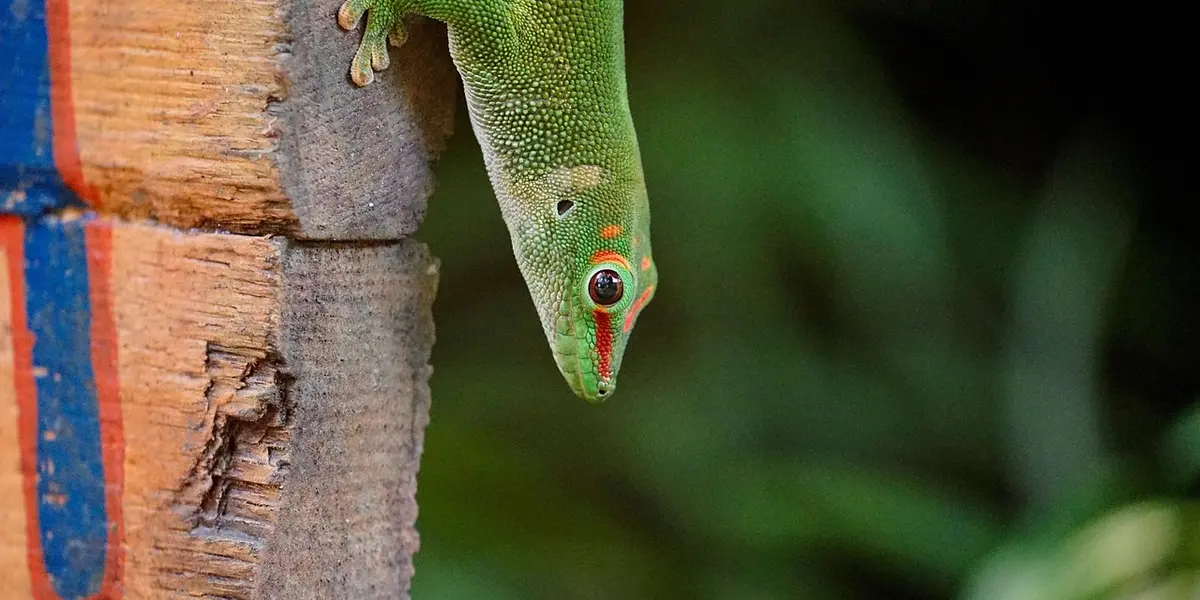
Providing excellent care doesn’t always mean spending a fortune. Being a smart, proactive owner is the single best way to save money on vet bills long-term. I’ve learned through trial and error (and a few unnecessary vet trips) where you can safely trim costs.
Master Preventative Care at Home
The cheapest vet bill is the one you never have. A little daily observation goes a long way.
- Perform Weekly Weight Checks: A digital kitchen scale is cheap. A sudden weight drop is often the first sign of illness, allowing for early, less expensive intervention.
- Perfect Your Habitat: Correct temperatures and humidity prevent a host of issues like respiratory infections and shedding problems. Double-check your gauges regularly.
- Quarantine New Geckos: I quarantine every new arrival for 90 days. This prevents spreading parasites or illness to your existing pets, avoiding massive vet bills for multiple animals.
Be a Savvy Shopper for Supplies
You don’t need the most expensive branded items for a healthy habitat.
- DIY Hides and Clutter: Use clean, food-safe plastic containers to create custom hides. Egg cartons and PVC pipes make fantastic, cheap climbing structures.
- Buy Substrate in Bulk: If you use paper towel, buy the giant commercial rolls. For bioactive setups, source soil and sphagnum moss from garden centers (ensure no fertilizers or pesticides).
- Shop for Vet-Recommended Food: Don’t assume the pet store brand is best. Ask your vet what they recommend and price-check online retailers for better deals on high-quality diets.
Ask Your Vet the Right Questions
During a visit, be your gecko’s financial advocate.
- Inquire if any proposed tests are “critical for diagnosis” versus “nice to have.”
- Ask if there are more affordable, yet still effective, treatment options available.
- Request a detailed cost estimate before any procedures are done. There should be no surprises.
What to Expect After the Vet Visit
Your gecko is home, the bill is paid, and you’re holding a little bag of medications. This is when your nursing skills truly kick in, and I’ve found a calm, prepared environment is the best medicine of all. Let’s walk through the common scenarios.
The Immediate Recovery Period
Your gecko has likely been through a stressful event. Handling, travel, and a clinical exam are taxing for a small creature. Stress in geckos can be hard to identify, so it’s important to monitor their behavior closely.
- They will likely hide and sleep. This is normal. Do not disturb them for the first 12-24 hours unless you need to administer medication. Let them de-stress in their favorite warm hide.
- They might skip a meal or two. Don’t panic. Appetite can take a couple of days to return after a vet trip. Offer their favorite food, but don’t force it.
- Ensure their habitat is perfectly dialed in-correct temperature gradient and humidity. A pristine, stress-free home is your first line of defense in their recovery.
Administering Medication Like a Pro
I’ve had to give everything from oral antibiotics to critical care slurry. It can feel daunting, but you can do it.
- Oral Liquid Medication: Your vet will likely provide a small syringe without a needle. Gently hold your gecko, and from the side of their mouth, slowly drip the dose onto their lip. Let them lick it off. Never squirt it down their throat.
- Topical Ointments: For skin issues, you’ll apply a tiny amount directly to the affected area. Use a cotton swab for precision and to keep your hands clean.
- Set phone reminders for doses. Completing the full course of medication is non-negotiable, even if your gecko seems better. Stopping early is a surefire way to breed antibiotic-resistant bacteria.
Monitoring for Changes, Good or Bad
You are now a scientific observer. Keep a simple log for the first week.
- Track their weight. Use a small kitchen scale every few days. Stable or increasing weight is a fantastic sign.
- Watch their energy levels. Are they becoming more active and alert, or are they getting more lethargic?
- Monitor their droppings. The return of normal, well-formed feces is a huge milestone. Note anything unusual-color, consistency, frequency-and report it to your vet.
When to Call the Vet Back
Trust your gut. You know your gecko better than anyone.
- If they refuse food for more than 5-7 days post-visit.
- If you see a sudden decline in their condition or behavior.
- If they have a negative reaction to medication, like vomiting or extreme lethargy.
- It is always better to send a quick, clarifying email to your vet than to sit and worry. A good exotics vet expects follow-up questions.
Recovery is a journey, not a sprint. My crested gecko, Jeter, once needed two rounds of antibiotics for a stubborn infection. Patience and consistent, gentle care ultimately made all the difference, turning a sickly pet back into my confident, high-perching buddy.
FAQs
Do different gecko species require different budgeting for vet care?
Yes, species like Leopard Geckos may have lower routine costs, while arboreal types like Crested Geckos might need more frequent injury checks, impacting your budget. It’s essential to compare the care routines before choosing your pet.
How can I find a veterinarian experienced with geckos?
Search for vets certified in exotic animal medicine or get referrals from reptile clubs to ensure specialized care for your pet, as explained in How to Find a Qualified Reptile Veterinarian Near You.
What common gecko health issues should I budget for beyond annual checkups?
Budget for issues like metabolic bone disease or parasites, which can require X-rays or medications costing $50-$200 extra.
Are there affordable ways to handle gecko vet bills if I’m on a tight budget?
Consider payment plans with your vet or look into care credit options to spread out costs for unexpected expenses.
How do I create a long-term budget for my gecko’s healthcare over its lifespan?
Factor in age-related needs, such as potential senior care tests, and increase your emergency fund gradually as your gecko gets older. For aging geckos, adjust your husbandry—keep stable temperatures, easier access to water, and comfortable hides. Regular checkups can help you tailor care as your gecko ages.
Final Words
Budgeting for your gecko’s vet care boils down to three simple actions: plan for the annual check-up, save for the unexpected emergency, and always set aside a little extra for preventive care like parasite screenings. Viewing this as a non-negotiable part of pet ownership, much like buying their food, transforms it from a stressful surprise into a manageable routine. It also helps you build an emergency veterinary fund for your gecko so you’re prepared for unexpected bills. Even small, regular contributions can grow into a reliable safety net.
Being a great gecko owner means committing to their lifelong health, and a big part of that is being financially prepared. To deepen your knowledge, consult our Understanding Gecko Behavior and Temperament: Complete Guide. It helps you read signals and tailor care to your gecko’s temperament. Continue learning about your specific gecko’s needs and behaviors; the more you know, the better you can advocate for them at the vet and provide a thriving life. Your proactive effort makes you a truly proud gecko guardian.
Further Reading & Sources
- FYI: Veterinary care costs | Gecko Forums
- r/leopardgeckos on Reddit: How much have your past trips to the vet cost?
- Leopard Gecko Price (All Expected Buying & Keeping Expenses)
The Gecko Guide is your ultimate resource for gecko enthusiasts, providing expert advice and practical tips to ensure the health and happiness of your scaly companions. Alexander is a passionate gecko owner with over a decade of experience in reptile care. We are dedicated to offering accurate, up-to-date information to support your gecko journey.Our mission is to foster a community of responsible gecko owners who are passionate about the well-being of these fascinating creatures.
Preventative Care & Vet Visits