
Responsibly Rehoming a Pet Gecko: A Compassionate Guide
Published on: June 11, 2026 | Last Updated: June 11, 2026
Written By: Alexander 'Gecko Geek' Johnson
Thinking about surrendering your gecko can bring up a flood of guilt and worry. You might be wondering if you’re making the right choice or if there’s a safe way to do this. I’ve been there, helping friends navigate this tough spot, and I want you to know you’re not alone.
This guide will walk you through the process with care for both you and your pet. We will cover:
- Finding a safe and loving new home for your gecko.
- How to properly prepare your pet for the transition.
- Avoiding common, well-meaning mistakes that can put your gecko at risk.
You will get clear, step-by-step advice to ensure your gecko’s welfare is the top priority. The topics we will cover are: knowing when it’s time, finding a new owner, preparing your gecko, the handoff process, and what to avoid.
Understanding Why Gecko Surrender Happens
Life can throw curveballs, and sometimes, despite our best intentions, we can no longer provide the home our geckos deserve. Surrendering a pet is never an easy decision, and it’s one I’ve seen many dedicated owners struggle with. The reasons are often deeply personal and valid.
- Major Life Changes: A new job, a cross-country move, or starting college can drastically alter your available time and space.
- Financial Hardship: A sudden vet bill for an issue like impaction or a metabolic bone disease can be overwhelming.
- Shifting Family Dynamics: The arrival of a new baby, a divorce, or new allergies in the household can make gecko care unsustainable.
- Unexpected Time Constraints: Caring for an aging family member or taking on extra work shifts can leave little energy for daily tank maintenance and feeding.
I once had to temporarily rehome one of my cresties, Jeter, during a major home renovation. It’s a heartbreaking choice, but acknowledging you need help is a profound act of love for your animal.
Assessing If Rehoming Is Your Only Option
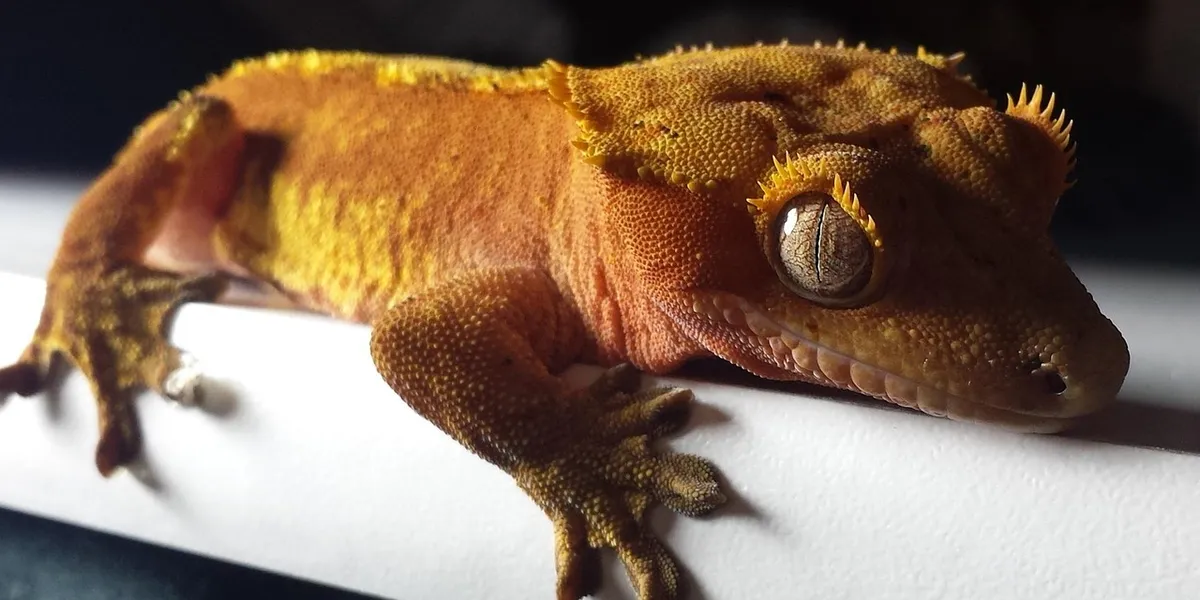
Before you make the final call, it’s worth taking a hard look to see if the situation can be salvaged. Many gecko problems that seem insurmountable actually have straightforward, manageable solutions. New gecko owners can benefit from a quick troubleshooting guide focused on the first month. It helps you quickly solve common early problems.
Check Your Gecko’s Health and Behavior
Sometimes what we interpret as a “difficult” gecko is actually a sick or stressed one. A sudden change in behavior is your gecko’s only way of telling you something is wrong. Understanding the difference between gecko stress and normal behavior helps you notice issues early. Watch for signs like extended hiding, sudden appetite loss, or unusual aggression as clues to stress rather than normal activity.
- Is your gecko refusing food? This could be due to incorrect temperatures, impaction, or simply seasonal appetite changes.
- Is it acting lethargic or hiding constantly? Review your stress factors. Is the enclosure in a high-traffic area? Does it have enough clutter and hides?
- Are there visible health issues? Look for stuck shed, particularly on the toes and tail, weight loss, or dull skin. A single vet visit might resolve the issue.
Reviewing Husbandry Basics
I can’t stress this enough-so many behavioral and health issues stem from simple husbandry oversights. Before you rehome, do a quick but thorough husbandry audit. It might fix everything.
- Temperature Gradient: Is your heat mat or lamp creating a proper warm side (around 88-92°F for leopard geckos) and a cool side? Use a digital thermometer.
- Humidity & Hydration: Is the humidity level appropriate for your species? Do you have a moist hide for shedding? Is a fresh water dish always available?
- Enclosure Size & Setup: Is the tank big enough? Is it cluttered with plants and hides to make your gecko feel secure? A bare tank is a stressed gecko.
- Diet: Are you feeding gut-loaded, appropriately sized insects? Are you using the right calcium and vitamin supplements?
Explore Temporary Care Solutions
If your situation is temporary-like a two-month work trip or a home repair-surrendering forever isn’t your only path. Finding a short-term “gecko sitter” can be a fantastic middle ground.
- Ask a Trusted Friend or Family Member: Create a simple, written care sheet with clear instructions for feeding, misting, and temperature checks.
- Reach Out to Local Pet Stores or Reptile Clubs: Many employees or club members are experienced reptile keepers who may be willing to board your gecko for a short period.
- Contact Your Veterinarian: Some vet clinics offer boarding services for their established clients, which is ideal if your gecko has specific medical needs.
When I needed help with Jeter, a fellow gecko enthusiast from a local group stepped up. A short-term solution protects the bond you have with your pet and gives you peace of mind.
Steps to Responsibly Rehome Your Gecko
Gather Essential Gecko Records
Before you do anything else, you need to create a “gecko passport.” This is a folder of information that gives the new owner a head start. Having a complete history is the single most helpful thing you can provide for your gecko’s future well-being. I keep digital copies of everything for my own crew, from Jeter’s hatch date to A-Rod’s last shed.
- Feeding Log: List their staple diet (e.g., crickets, Pangea), favorite treats, and how much they eat weekly.
- Veterinary Records: Include any past health issues, parasite test results, or treatments.
- Husbandry Sheet: Detail their exact setup-tank size, heating (thermostat settings!), humidity levels, and favorite hides.
- Behavioral Notes: Mention their temperament. Is your gecko a handleable sweetheart like Jeter, or more hands-off like my A-Rod?
Find a Safe New Home
Finding a new home requires a bit of detective work. You are your gecko’s advocate. Do not just give your pet to the first person who shows interest; a quick “yes” can often lead to a bad situation. I learned this the hard way early on and now screen every potential adopter meticulously.
- Ask Detailed Questions: “What size enclosure do you have ready?” “What is your experience with reptiles?” Their answers reveal their knowledge level.
- Charge a Small Rehoming Fee: This isn’t about making money. It deters people looking for free “feeder” animals or impulse buyers.
- Request Photos: Ask for a picture of their setup. A proper terrarium shows they are prepared and invested.
Working with Reptile Rescues
Rescues are a fantastic, often overlooked option. These groups are run by experienced volunteers who live and breathe reptile care. Partnering with a reputable rescue takes the burden off you and ensures your gecko gets expert care while they wait for a perfect forever home—especially during the critical first 30 days of rehabilitation.
- Search for “reptile rescue” or “herpetological society” in your state or region.
- Contact them directly. Be honest about your situation and your gecko’s needs.
- Understand that many are full and run on donations. Be patient and offer a donation with your surrender if you can.
Preparing Your Gecko for Transition
Conduct a Final Health Check
A few days before the handoff, give your gecko a thorough once-over. You want to send off a healthy pet. This final check-up is your last act as their primary caregiver, so make it count. I do this with all my geckos monthly, checking for things like weight loss or stuck shed. Regular check-ups help you monitor your gecko’s health and catch issues early. Keeping a routine gives you a baseline to spot changes quickly.
- Body Condition: Feel the base of the tail. It should be plump, not bony or shriveled.
- Eyes and Nose: They should be clear and free of any crusty material or bubbles.
- Skin and Toes: Look for any remaining shed, especially on the toes, as it can constrict and cause loss.
- Vent Area: Ensure it is clean with no undigested food or signs of prolapse.
Minimize Stress During the Move
Moving day is scary for a small creature. Your job is to make it as calm as possible. A stressed gecko is more susceptible to illness, so a smooth transition is a healthy transition. Calm handling and simple environmental fixes help. Keeping temperatures steady, lights dim, and noise low helps reduce stress. I use the same method when I need to take one of mine to the vet.
- Use a small, ventilated plastic container with a secure lid. Line it with a simple, clean paper towel.
- Do not include loose substrate or large decor that could shift and injure them during travel.
- Keep the container in a climate-controlled part of your car. Never leave it in a hot or cold vehicle.
- Include a “comfort item” from their tank, like a small, familiar hide. The scent can be reassuring.
Ethical Considerations and Owner Resources

Learning from the Experience
Making the choice to rehome a gecko is emotionally difficult. I’ve been there, and the guilt can feel overwhelming, but viewing this as a profound learning opportunity transforms a painful situation into personal growth. It’s a moment to honestly assess what went wrong so you can become a better pet advocate, whether for a future reptile or another animal entirely. If you’re rehoming a gecko, seek a reputable rescue or experienced keeper who can ensure a safe, loving home. This transition can be smoother for your gecko and give you clear steps for moving forward.
Start by asking yourself some tough, but necessary, questions. This isn’t about self-punishment. This honest reflection is the single most powerful tool you have to prevent a similar situation from happening again. Grab a notebook and write down your answers.
- Was the initial research on lifespan, cost, and care insufficient?
- Did a sudden life change (a move, new job, baby) make care impossible?
- Was the gecko’s behavior or health needs more challenging than anticipated?
- Did the financial reality of vet bills and supplies become a burden?
My first gecko, Griffey, taught me a hard lesson about time commitment I hadn’t fully grasped. His energetic, curious nature demanded more daily interaction than my schedule could consistently provide. I thought a leopard gecko was a “low maintenance” pet, but I learned they are actually “low *interaction*” but still require dedicated, daily observation and habitat maintenance.
Use the vast online resources to fill your knowledge gaps now. Spend time on reputable gecko care forums and read through the common struggles new owners face; you will see your own experience reflected and realize you are not alone. This builds empathy and a deeper understanding of the responsibility involved. It also prepares you for those crucial first 24 hours with your gecko.
- Join species-specific Facebook groups to see long-term care in action.
- Watch advanced care guides on YouTube from credentialed breeders and vets.
- Contact your local herpetological society; they are treasure troves of expert, localized advice.
This process solidifies your commitment to animal welfare. By taking full responsibility for the outcome of your gecko’s life, you are embodying the principles of a true ethical pet keeper. The goal isn’t to never make a mistake, but to learn so completely from it that you ensure a better life for an animal in the future. For geckos, ethics also means staying informed about potential genetic defects and understanding how inherited conditions can impact their well-being. Being aware of these issues helps you make care and breeding choices that minimize harm and maximize welfare.
FAQs
How long does the rehoming process typically take?
The process can take from a few days to several weeks, depending on how quickly you find a responsible adopter or rescue.
Can I include the gecko’s enclosure and supplies when rehoming?
Including the full setup is highly recommended to ease the transition and ensure the new owner has everything needed for proper care.
What should I do if no one is willing to adopt my gecko?
Contact reptile-specific rescues or herpetological societies, as they often have networks to place geckos in foster or permanent homes.
Final Words
When you can no longer care for your gecko, the most compassionate choice is a planned and responsible surrender. Your key steps are to first contact a reptile rescue, vet potential new owners thoroughly, and prepare a complete care package to ensure a seamless transition. This process protects your pet from stress and uncertainty. If you need ongoing care, consider finding a vet-qualified reptile sitter for your gecko. Look for someone with reptile-specific training and a local veterinarian reference.
Taking on any pet is a serious, long-term commitment that requires continuous learning. I encourage every gecko owner to keep researching and deepening their understanding of these amazing creatures, ensuring we can all provide the best possible lives for our scaled friends. To truly understand gecko behavior and temperament, a complete guide provides clear signals, needs, and timing for care. This knowledge helps tailor daily routines and prevent stress.
Further Reading & Sources
The Gecko Guide is your ultimate resource for gecko enthusiasts, providing expert advice and practical tips to ensure the health and happiness of your scaly companions. Alexander is a passionate gecko owner with over a decade of experience in reptile care. We are dedicated to offering accurate, up-to-date information to support your gecko journey.Our mission is to foster a community of responsible gecko owners who are passionate about the well-being of these fascinating creatures.
Gecko Care Guides