
Signs of Environmental Stress in Geckos
Published on: June 9, 2026 | Last Updated: June 9, 2026
Written By: Alexander 'Gecko Geek' Johnson
Is your gecko acting strangely, and you’re worried their habitat might be to blame? You’re not alone-many gecko owners miss the subtle signs that their pet’s environment is causing stress.
I’ve learned through years of caring for my own geckos, like my high-energy leopard gecko Griffey and my calm crested gecko Jeter, that their behavior speaks volumes about their comfort level.
In this guide, I’ll help you spot the critical warning signs and understand exactly what they mean for your gecko’s wellbeing.
We’ll cover:
- The physical symptoms you can see during daily check-ins
- Behavior changes that signal something’s wrong in their home
- Simple fixes to create a stress-free environment they’ll love
You’ll get clear advice on: stress indicators, environmental causes, temperature issues, humidity problems, habitat solutions, behavioral fixes, and prevention steps.
What Environmental Factors Cause Stress in Geckos?
Temperature Troubles: Too Hot or Too Cold
Getting the temperature wrong is one of the fastest ways to stress your gecko. I learned this the hard way when my leopard gecko, Griffey, became lethargic after a heat mat malfunctioned. Geckos are ectotherms, which means they rely on their environment to regulate their body temperature and basic bodily functions.
An incorrect temperature gradient prevents them from doing this.
- Too Hot: Your gecko will spend all its time pressed against the coolest part of the glass, panting, or trying to escape. Prolonged exposure can cause severe dehydration and neurological damage.
- Too Cold: You’ll see a complete lack of energy. Your gecko will become sluggish, refuse food, and struggle to digest meals, which can lead to impaction. My African fat-tailed, A-Rod, gets grumpy and hides non-stop if his side of the room dips even a few degrees at night.
The fix is straightforward but non-negotiable. You absolutely must use a thermostat with all heat sources and check temperatures daily with digital thermometers at both the warm and cool ends of the enclosure.
Humidity Headaches: Low and High Levels
Humidity is the invisible environmental factor that causes so many problems. It’s not just about a number on a gauge; it’s about your gecko’s ability to breathe and shed properly.
I keep a close eye on my crested gecko, Jeter, because improper humidity directly impacts his skin health.
- Low Humidity: This is a nightmare for shedding. Inadequate moisture leads to stuck shed, particularly on the delicate toes and tail tip. This can constrict blood flow and lead to loss of the digit or tail.
- High Humidity: A constantly damp, stuffy tank is a breeding ground for mold and bacteria. Prolonged high humidity can lead to fatal respiratory infections, which often start with you hearing faint clicking sounds or seeing mucus around the nostrils.
Different species have different needs. My Giant Day Gecko, Babe, needs higher humidity than my Leopard Gecko, Griffey. Use a reliable digital hygrometer and adjust your misting routine to match your specific gecko’s natural requirements. Proper misting techniques vary between leopard and crested geckos. Crested geckos benefit from more frequent, light misting to maintain humidity, while leopard geckos prefer less mist in a drier enclosure.
Physical Signs of Environmental Stress in Geckos

Skin and Shedding Issues
Your gecko’s skin is a billboard for its health. When their environment is off, it shows up here first. A healthy shed should come off in one clean piece, like pulling off a sock. Understanding shedding problems helps you act early and keep your gecko healthy. If a shed seems off, timely adjustments or guidance can prevent complications.
I once had to help Griffey with a bad shed caused by low humidity, and it was a stressful experience for both of us.
- Stuck Shed: Patches of old, dry skin, especially clinging to the toes, eyes, and tail. This is a red flag for low humidity.
- Dull, Wrinkled Skin: This can signal dehydration, often from a combination of low humidity and inadequate water availability.
- Skin Discoloration or Sores: Unusual darkening or lesions can indicate a persistent problem, like burns from an unregulated heat source or skin infections from a filthy, damp substrate.
If you see pieces of shed stuck on your gecko for more than a day, it is a clear sign that their habitat needs immediate adjustment.
Appetite and Weight Red Flags
A change in eating habits is one of the most common and serious signs of environmental stress. Geckos are creatures of habit, and a sudden disinterest in food means something is wrong. Understanding gecko stress versus normal behavior helps you tell the difference between a temporary dip in appetite and a larger health issue. Watch for other changes like lethargy, hiding, or unusual activity to distinguish stress from normal variation.
My food-motivated Babe will even turn down his favorite Repashy if his basking spot is a few degrees too cool.
- Refusing Food: A stressed gecko will often stop eating entirely. This can be triggered by incorrect temperatures (too cold to digest, too hot to be comfortable), excessive noise/vibrations, or an insecure enclosure with not enough hides.
- Sudden Weight Loss: If the spine becomes prominent or the tail (a fat storage organ) becomes thin and bony, your gecko is in a calorie deficit. This is a medical emergency that often starts with an environmental problem.
- Regurgitation: If your gecko eats but then throws up the undigested food, the temperature is almost certainly too low for proper digestion.
I weigh my geckos monthly with a small digital scale. Keeping a simple weight log is the easiest way to catch slow, sneaky weight loss before it becomes a crisis.
Behavioral Clues That Your Gecko Is Stressed
Hiding and Startle Responses
One of the first things I noticed with my leopard gecko, Griffey, was his sudden desire to become a permanent fixture inside his humid hide. A gecko that is always hiding, especially during their normal active hours, is often sending a clear message. It’s their primary defense mechanism. Constant hiding is a gecko’s way of telling you their world feels unsafe. If your gecko is hiding all the time, a quick troubleshooting checklist can help you pinpoint causes. Start by checking enclosure temperature, humidity, and lighting, and observe for any new stressors.
Beyond just hiding, watch for an exaggerated startle response. Does your gecko scramble frantically or drop its tail at the slightest movement near the tank? My crested gecko, Jeter, used to do a little jump when I’d approach too quickly. A healthy gecko might be cautious, but a stressed one acts like it’s in a horror movie. This hyper-vigilance is mentally exhausting for them.
- Spending all day and night in a single hide.
- Bolting or frantically scrambling when you open the enclosure.
- Tail dropping (autotomy) in response to minor disturbances.
- Refusing to come out for food, even their favorite treats.
Abnormal Movements and Postures
Geckos have a unique body language, and stress warps it. I once saw my gargoyle gecko, Mookie, pressed flat against the glass, trying to climb out. This “glass surfing” is a classic sign of agitation. They aren’t waving hello; they are trying to escape an environment that distresses them.
Another posture that screams stress is a flattened, low-to-the-ground stance. It makes them look like a little pancake. This flattened posture is an attempt to make themselves invisible to perceived predators. Conversely, a gecko that is constantly tense, with its body raised high and stiff, is also under duress. Their bodies should look relaxed and fluid during movement.
- Repetitive scratching or climbing the glass (glass surfing).
- Holding the body abnormally flat against surfaces.
- Walking with a stiff, tense, or raised gait.
- Erratic, jerky movements instead of smooth exploration.
Species-Specific Stress Signs: Leopard vs. Crested Geckos
Leopard Gecko Stress Signals
Leopard geckos are terrestrial, so their stress signs are often ground-level. A big one is refusing to eat. A healthy ‘Leo’ like Griffey is usually a voracious eater. A sudden loss of appetite is one of the most reliable indicators that your leopard gecko is not okay. They can be stubborn, but prolonged hunger strikes are a red flag. If your gecko isn’t eating, you’ll want to know what to do next. Start by checking enclosure conditions, temperature, and hydration, and seek veterinary advice if the hunger persists.
They also communicate with their tails. A slow, deliberate tail wave is a warning sign, often seen when they feel threatened by another gecko or even their own reflection. A tail held high but vibrating rapidly is different from the mating wiggle; it’s a sign of high alert and stress. Listen for vocalizations too-a stressed leopard gecko might let out a startled squeak or chirp.
- Prolonged refusal of food, especially live insects.
- Slow, side-to-side tail wagging (like a metronome).
- Rapid tail vibrating while the tail is raised.
- Hiding in the cool hide instead of the warm one, disrupting thermoregulation.
Crested Gecko Stress Signals
Crested geckos are arboreal and much more skittish by nature. Their stress signs can be subtler. One of the most common things I see with Jeter is color fading or “firing down.” While color change is normal, a crested gecko that is perpetually pale and drab is likely a stressed crested gecko.
They are also famous for their “fear poops.” If your crested gecko consistently defecates the moment you handle it, that’s a stress response, not bad manners. Another key sign is excessive jumping or leaping from your hand in a panicked, uncontrolled way. A calm crested gecko will carefully walk from hand to hand, not try to become an Olympic long jumper.
- Staying constantly “fired down” (pale in color).
- Defecating or musking during every handling session.
- Frantic, uncontrolled jumping from heights.
- Spending all its time on the enclosure floor instead of climbing.
How to Fix Environmental Stressors in Your Gecko’s Habitat
Adjusting Temperature and Lighting
Getting the temperature wrong is one of the fastest ways to stress your gecko. I learned this the hard way when Griffey, my leopard gecko, started pacing his tank constantly. His behavior was a clear signal that his heating pad was failing and he couldn’t find a warm spot to digest his food. You need to create a distinct temperature gradient. A proper gradient means a warm basking area on one end and a cooler area on the other. This lets your gecko thermoregulate comfortably and digest more easily.
Here is how to fix it:
- Use a thermostat with every heat source. This non-negotiable device prevents burns and ensures stable temperatures.
- Provide a warm side between 88-92°F and a cool side around 70-75°F. Your gecko will move between them as needed.
- Turn off all bright lights at night. Geckos are crepuscular and need darkness. I use a ceramic heat emitter for 24/7 heat without light.
- Double-check temperatures with a digital thermometer. The cheap stick-on dials are often inaccurate.
Balancing Humidity and Hydration
Humidity is a tricky beast that varies for each species. My crested gecko, Jeter, once had a bad shed because his tank was too dry. Seeing pieces of stuck skin on his toes was a gut punch; I knew his environment was failing him. On the flip side, a constantly wet tank can cause skin infections and respiratory distress.
Follow these steps for perfect humidity:
- Research your species’ specific needs. Leopard and fat-tailed geckos need 30-40% humidity, while crested and gargoyle geckos need 50-80%.
- Invest in a digital hygrometer. It gives you a precise reading so you’re not guessing.
- Mist the enclosure lightly in the evening to simulate natural dewfall. Avoid soaking the substrate.
- Always provide a humid hide filled with damp sphagnum moss. This gives your gecko a personal spa for perfect sheds.
When to Seek Veterinary Care for a Stressed Gecko
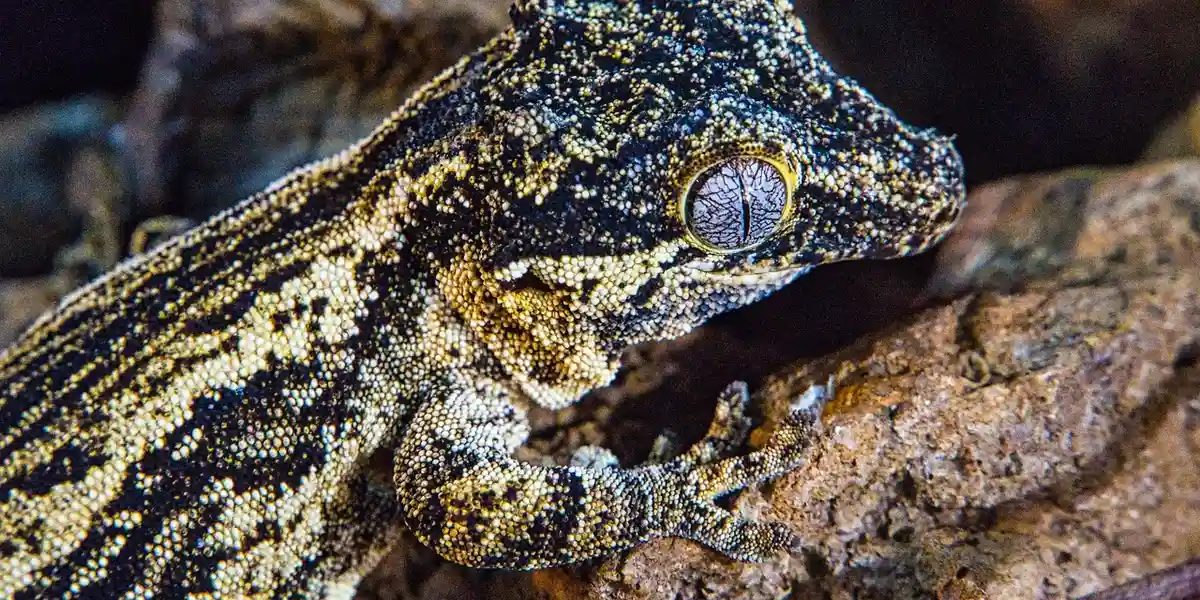
You can fix the habitat, but sometimes the stress has already taken a physical toll. Your first job is always to be an advocate for your pet’s health, even when it feels scary. I never hesitate to call my exotic vet if something seems off; it’s better to be safe than sorry.
Emergency Signs You Shouldn’t Ignore
Some symptoms mean you need to pick up the phone and call a vet immediately. These are not “wait and see” situations.
- Prolonged lack of appetite, especially if your gecko stops drinking water. Dehydration sets in quickly.
- Wheezing, open-mouth breathing, or mucus around the nostrils. These are classic signs of a respiratory infection.
- Lethargy so severe that your gecko doesn’t move when you handle them.
- Visible wounds, bloating, or a sudden, dramatic weight loss where the tail becomes thin.
- Stuck shed that constricts a toe or the tail tip, cutting off circulation.
A reptile-savvy vet can diagnose hidden problems like parasites or metabolic bone disease that started from environmental stress. Bring photos of your setup to your appointment; it helps the vet piece together the puzzle.
Daily Monitoring Tips to Prevent Environmental Stress
Stopping stress before it starts is the goal of every good gecko owner. I’ve found that a simple, consistent daily routine is the most powerful tool you have for keeping your pet healthy and happy. This isn’t about a major time commitment; it’s about smart, observant habits. Calm techniques for a stressed gecko and simple environmental fixes—like stable temps and cozy hides—can help. These tweaks pair with routine to keep stress low and mood steady.
Quick Habitat Checks
Every morning, before I even feed my crew, I do a two-minute “scan” of each terrarium. Think of it like checking your car’s dashboard before a drive. A quick visual and sensory check can reveal problems long before they affect your gecko’s health. Here’s my personal checklist:
- Temperature Gauges: I physically look at both the warm and cool side thermometers. A drop of just a few degrees overnight can slow their digestion.
- Humidity Gauge: I check the hygrometer. My Crested Gecko, Jeter, needs higher humidity than my Leopard Gecko, Griffey. One size does not fit all.
- Water Dish: I look for debris, poop, or substrate in the water. I refresh it with clean water every single day without fail.
- The “Nose Test”: I gently sniff the air near the tank vents. A persistently foul or ammonia-like smell is a red flag for waste buildup.
- Safety Scan: I check that all hides are secure, no decor has fallen, and the lid is locked tight. My A-Rod is a master at rearranging his furniture.
Behavioral Tracking Tricks
Your gecko’s actions speak louder than words. I keep a small notepad on a shelf near my gecko tanks. Noting small changes in behavior is the easiest way to spot a trend that points to environmental stress. You don’t need a fancy journal.
Here’s what I track for each of my geckos:
- Daily Activity Window: Are they active at their usual time? My Giant Day Gecko, Babe, is a punctual sun-worshipper. If he’s hiding at noon, I know something’s up.
- Appetite & Feeding Response: Do they rush for food or show little interest? A sudden lack of enthusiasm for food is one of the clearest distress signals.
- Favorite Basking/Perching Spot: Have they abandoned their usual favorite spot? This was how I first noticed my Gargoyle Gecko, Mookie, was too cold-he stopped using his high branch.
- Poop Location & Consistency: I note where and when I find droppings. Consistent, well-formed droppings in one area are a sign of a comfortable gecko.
This takes me less than five minutes a day. This simple log has helped me catch issues, from a failing heat mat to the early signs of a shed, faster than any vet visit could. Your vigilance is their first line of defense.
Common Questions
What does it mean when a leopard gecko waves its tail slowly?
This slow tail wagging is a defensive gesture signaling that your leopard gecko feels threatened or stressed.
Why is my crested gecko always a pale color?
A crested gecko that stays constantly “fired down” or pale is often exhibiting a sign of chronic stress.
Is it normal for a leopard gecko to always hide in its cool hide?
Consistently hiding in the cool hide instead of thermoregulating between hides indicates your leopard gecko is stressed and not comfortable in its environment. If you’re wondering why your leopard gecko always hides, this is a common sign of stress. It can be caused by incorrect temperatures, inadequate hiding spots, or other stressors in the enclosure.
Why does my crested gecko defecate every time I handle it?
This “fear poop” is a common stress response in crested geckos when they feel frightened or handled inappropriately.
What does it mean when my gecko is constantly climbing the glass?
This behavior, known as “glass surfing,” is a sign of stress and indicates your gecko is trying to escape an unsuitable environment. If you’re wondering why your leopard gecko glass surfs, this behavior is often a sign of stress from an unsuitable tank setup. It can indicate problems with heat, humidity, lighting, or hiding spots.
Final Words
Your gecko’s environment is the foundation of its health, and spotting stress signs like hiding constantly, refusing food, or unusual colors is your cue to check the thermostat, humidity gauge, and hideout layout. A consistent, clean habitat with proper heating and plenty of security makes for a calm, confident pet.
Being a great gecko keeper means committing to lifelong learning, always observing your pet’s behavior, and refining their home as your experience grows. Their silent comfort is the ultimate reward for your attentive, responsible care.
Further Reading & Sources
- Leopard Gecko Stress Signs & Causes – Terrarium Quest
- r/leopardgeckos on Reddit: What are signs your gecko is stressed or uncomfortable during handling/exploring outside of its tank?
- How to Tell If a Leopard Gecko Is Scared and Stressed – Care Guides For Pet Lizards
The Gecko Guide is your ultimate resource for gecko enthusiasts, providing expert advice and practical tips to ensure the health and happiness of your scaly companions. Alexander is a passionate gecko owner with over a decade of experience in reptile care. We are dedicated to offering accurate, up-to-date information to support your gecko journey.Our mission is to foster a community of responsible gecko owners who are passionate about the well-being of these fascinating creatures.
Handling & Behavior Signs