
Bioactive vs Traditional Enclosures: Which is Better for Your Gecko?
Published on: June 8, 2026 | Last Updated: June 8, 2026
Written By: Alexander 'Gecko Geek' Johnson
You’re staring at your gecko’s tank, wondering if there’s a better way than the weekly chore of scooping out waste and replacing paper towels. You’ve heard whispers of “bioactive” setups but aren’t sure if it’s just a complicated trend or a genuine upgrade for your pet’s life-and yours.
I’ve maintained both types of enclosures for years with my own geckos, from my high-energy leopard gecko Griffey to my calm crested gecko Jeter. I will help you cut through the confusion by breaking down the core differences into three key takeaways.
- A bioactive enclosure is a self-cleaning, miniature ecosystem, while a traditional setup is a fully managed habitat.
- Bioactive setups offer profound mental and physical enrichment for your gecko, mimicking their wild environment.
- Traditional enclosures provide ultimate control and are often simpler and cheaper to start.
By the end of this guide, you’ll have a crystal-clear understanding of which path is right for you and your scaly friend. We will cover: cost comparison, setup difficulty, maintenance time, animal welfare benefits, safety considerations, and the long-term commitment for each option.
What Exactly Is a Bioactive Gecko Enclosure?
Think of a bioactive setup as a tiny, living world inside a tank. It’s not just a habitat you maintain; it’s an ecosystem you cultivate. I’ve watched my own geckos, like the ever-curious Griffey, become far more engaged in these vibrant environments. To lean into that concept with a true naturalistic bioactive substrate for geckos, layer leaf litter, soil, and microfauna to mimic their native habitat. This substrate supports natural foraging and helps maintain the ecosystem, keeping Griffey and other geckos delighted and active.
The magic lies in three key components working together:
- The Substrate: This is a special layered mix, often with organic soil, sand, and coconut fiber. It holds moisture, allows plants to root, and gives your clean-up crew a place to live.
- The Clean-Up Crew (CUC): This is your maintenance team! Tiny organisms like tropical springtails and dwarf white isopods live in the substrate. They are the powerhouse of the system, constantly breaking down waste, shed skin, and leftover food.
- The Live Plants: Plants like pothos, snake plants, and bromeliads use the waste processed by the CUC as natural fertilizer. In return, they help purify the air and provide natural cover and climbing opportunities.
This cycle creates a self-cleaning environment. You become a gardener and ecosystem manager, not just a cage cleaner. It’s a more holistic approach to pet care that I find incredibly rewarding.
How Does a Traditional Gecko Setup Work?

A traditional enclosure is much simpler, functioning like a tidy studio apartment for your gecko. It’s a controlled environment where you are the sole provider and cleaner. My gecko A-Rod, who prefers solitude, has done perfectly fine in a well-maintained traditional tank for years.
The setup relies on a straightforward routine:
- You provide the flooring: This is typically a simple, disposable substrate like paper towel, reptile carpet, or tile. It’s easy to spot-clean and replace.
- You handle all the cleaning: You are the clean-up crew. This means manually removing waste and uneaten food daily and doing a full, deep-clean of the entire enclosure on a weekly or bi-weekly basis.
- You supply the décor: All hides, branches, and foliage are artificial. They don’t grow or change, and they need to be scrubbed during your deep-cleans.
The entire system depends on your direct and frequent intervention to stay hygienic. It’s a proven method that offers excellent control and is very difficult to mess up, making it a fantastic choice for a beginner. Your gecko isn’t judging your interior design skills; they just need a safe, clean space.
Top Health & Behavior Benefits of Going Bioactive
Mental Stimulation and Natural Instincts
Watching my gecko, Griffey, dig in the soft soil of his bioactive tank is a pure joy. In a traditional enclosure with paper towels, he had nothing to do but sit. Now, he forages, he explores new plant growth, and he hunts the occasional stray clean-up crew insect. This constant, low-level activity is vital for their mental well-being and directly combats the lethargy you often see in sterile tanks.
Bioactive setups provide environmental complexity that encourages natural behaviors you simply cannot replicate with plastic plants and a single hide.
- Foraging: Your gecko gets to “work” for snacks by hunting down the clean-up crew, mimicking their wild diet.
- Exploration: Live plants grow and change, creating a dynamic landscape that invites daily investigation.
- Digging and Burrowing: A deep, bioactive substrate allows species like African Fat-Tails to express this deep-seated instinct, reducing stress.
- Choice of Microclimates: Dense foliage offers shaded, humid spots, while open areas provide basking sites, letting your gecko self-regulate.
My Crested Gecko, Jeter, used to just cling to the glass. Now I find him perched on different leaves and branches every night, his confidence visibly growing. A stimulated gecko is an active, engaged, and overall happier pet.
Building a Stronger Immune System
This benefit is less visible but arguably more critical. A sterile environment can create a “bubble boy” effect. When a gecko is never exposed to anything, its immune system never learns to fight off common, low-level pathogens. Bioactive enclosures safely expose your gecko to a rich microbiome of beneficial bacteria and fungi, essentially acting as a constant, low-dose immunization.
Think of it like letting a child play outside in the dirt. They might get a little grubby, but they build resilience. The same principle applies here.
- Microbial Diversity: The healthy soil is teeming with beneficial microorganisms that outcompete harmful ones, creating a safer overall environment.
- Reduced Pathogen Load: The clean-up crew and microbes break down waste rapidly, giving harmful bacteria like Salmonella less time to multiply to dangerous levels.
- Healthier Skin and Sheds: The stable, higher humidity maintained by live plants and soil leads to flawless, complete sheds, preventing infections that can start with stuck shed on toes or tails.
Since switching my geckos to bioactive, I have noticed a marked decrease in minor issues like stuck shed and a general increase in their vitality. You are not just building a pretty tank; you are building a foundation for lifelong health.
How Bioactive Setups Simplify Your Cleaning Routine
The Power of Natural Waste Management
I remember the weekly chore of pulling my geckos out, removing all their decor, and scrubbing down their traditional tanks. It was stressful for them and a hassle for me. A properly balanced bioactive enclosure turns you from a daily cleaner into a system manager. The clean-up crew—your isopods and springtails—are your unpaid, highly efficient sanitation staff. Clean your gecko tank properly by keeping a simple, regular maintenance routine that fits your setup. When you do this, the enclosure stays cleaner longer and your geckos stay healthier.
Here is how the magic happens. When your gecko defecates, the clean-up crew swarms it. Isopods are the shredders, breaking down solid waste. Springtails are the fungal specialists, consuming the waste and any mold that appears. Together, they completely process the waste, turning it into natural fertilizer for your plants.
The result is an enclosure that literally cleans itself, leaving you to do only two things:
- Spot-Clean Occasional Large Waste: Sometimes a particularly large dropping might need a quick pick-up before the crew gets to it, but this is rare.
- Top-Up Maintenance: You will need to occasionally add more leaf litter for the crew to eat and maybe supplement their numbers if the population dips.
The dramatic reduction in deep cleaning is the number one practical benefit I advocate for. You gain more time to enjoy your pets and less time spent maintaining their home. It’s a win for your schedule and a massive win for your gecko’s stress levels, as they are no longer subjected to frequent, invasive tank tear-downs. A practical approach is spot cleaning for daily maintenance. The spot cleaning vs full tank clean out gecko hygiene guide explains when each method is appropriate.
Cost Comparison: Upfront Investment vs Long-Term Savings
Budgeting for Your Bioactive Build
Let’s talk numbers. The initial price tag of a bioactive setup can make you pause. You’re looking at costs for the substrate layers, drainage materials, live plants, hardscape like wood and stone, and the cleanup crew itself. This initial investment is significantly higher than the simple cost of paper towels and a plastic hide.
I felt this sting setting up my first bioactive tank for Jeter, my Crested Gecko. Buying the plants, cork bark, and a thriving culture of springtails felt like a big financial leap. But here’s the perspective shift: that was a one-time major purchase.
From that point on, the ongoing costs plummet. You are no longer buying:
- Disposable substrate every month
- Chemical-based cleaning sprays
- Replacement decorations ruined by waste
The bioactive enclosure essentially runs itself. The cleanup crew breeds and sustains the system, turning waste into plant food in a beautiful, closed-loop cycle. For my geckos, this has meant I spend money on feeder insects and the occasional lightbulb, but that’s about it. The long-term savings are very real.
Matching the Enclosure to Your Gecko’s Needs
Ideal Setups for Crested and Gargoyle Geckos
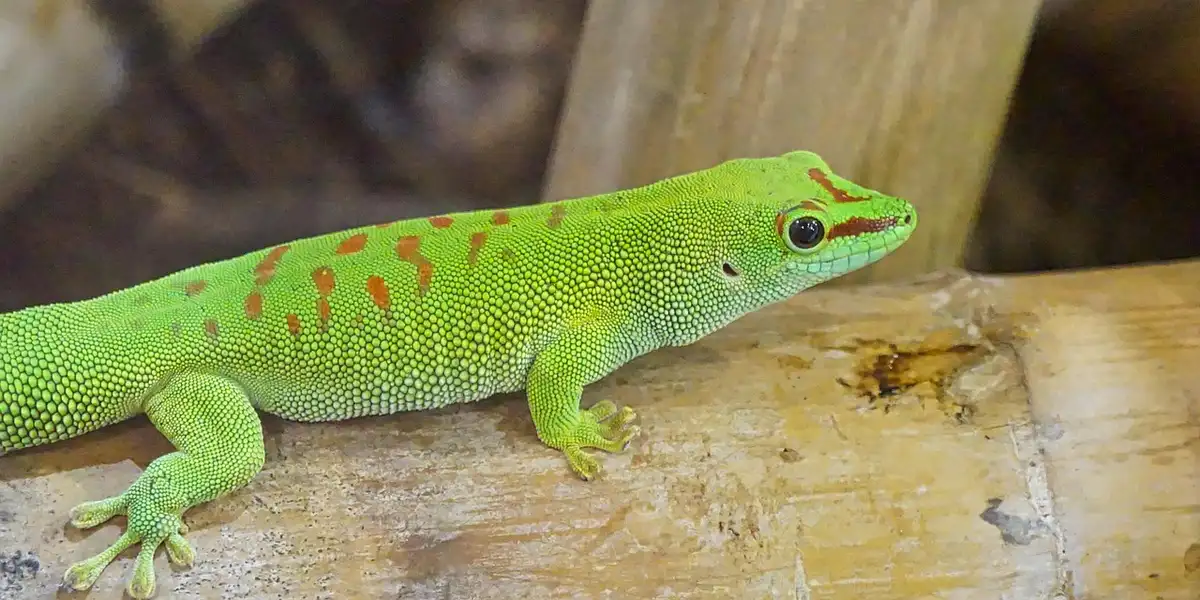
These arboreal athletes need vertical space to thrive. My guys, Jeter (Crested) and Mookie (Gargoyle), live in tall, planted tanks that mimic a rainforest tree. A bioactive setup is almost a necessity for them because it naturally maintains the high humidity they crave.
The soil and plants act like a giant, living sponge, releasing moisture slowly and consistently. For their enclosures, I focus on:
- Tall, branching structures for climbing
- Epiphytic plants like Pothos and Bromeliads attached to the walls
- A robust leaf litter layer to help the cleanup crew thrive
Seeing Mookie leap between the branches in his fully-planted home is a joy that a sterile tub could never provide. The enclosure doesn’t just house them; it provides mental stimulation and exercise.
Best Practices for Leopard and Fat-Tailed Geckos
For terrestrial geckos like my Leopard Gecko, Griffey, and my Fat-Tailed Gecko, A-Rod, the approach is different. They hail from arid, scrubland environments. The key is creating a bioactive system that doesn’t hold too much moisture. A soggy tank will give them scale and respiratory issues. This ties into the 8 biggest mistakes in gecko hydration humidity control—the most common errors involve humidity mismanagement. Getting humidity right matters for hydration and respiratory health.
I built their enclosures with a much deeper, sandier substrate mix that allows for burrowing. A-Rod, in particular, loves to rearrange his terrain. The focus here is on:
- Drought-tolerant plants like Succulents and Haworthias
- A deep substrate layer for natural digging behaviors
- Plenty of flat, dry hides on the warm side of the tank
You still get the benefit of waste breakdown, but the look and plant choices are completely tailored to their dry-loving nature. Watching them dig and create their own little territories is a clear sign of a happy, engaged gecko. This is how you create the ultimate environmental enrichment setup for your gecko. Keep mixing textures and hides to encourage exploration.
First Steps to Start Your Bioactive Journey
I remember staring at my first bag of substrate, feeling completely overwhelmed. The key to a successful bioactive setup is to see it not as a single, giant project, but as a series of small, manageable steps. You build it layer by layer, just like an ecosystem forms in the wild.
Step 1: Do Your Homework
Before you buy a single plant, you must research your specific gecko’s native environment. Is it a humid, jungle-dwelling Crested Gecko or a dry, arid-loving Leopard Gecko? Mimicking their natural humidity and temperature range is non-negotiable for a thriving bioactive tank. Geckos live in a wide range of wild habitats, from lush tropical forests to rocky arid deserts. Understanding where your specific species roams in the wild helps you recreate those conditions precisely in captivity. I learned this the hard way when a tropical plant moldered in my Leo’s enclosure.
Step 2: Gather Your Materials
You can’t build a house without the right tools. For a bioactive enclosure, your shopping list is very specific.
- A Drainage Layer: Use clay balls (LECA) or aquarium gravel at the very bottom. This prevents your substrate from becoming a soupy, stagnant mess.
- A Substrate Barrier: A simple mesh screen separates the drainage layer from the soil, keeping everything tidy.
- Your Bioactive Substrate: This is the heart of the system. Don’t use potting soil! Buy a pre-mixed bioactive substrate or make your own with coconut coir, organic topsoil, sand, and sphagnum moss.
- The “Cleanup Crew” (CUC): These are your tiny janitors. Springtails and Isopods (like dwarf whites) are essential for breaking down waste and mold.
- Hardscape and Plants: Choose safe, non-toxic wood, rocks, and live plants that suit your gecko’s climate.
Step 3: Build Your Foundation
Now for the fun part-assembly. Follow these steps in order.
- Rinse your drainage layer material thoroughly and add a 1-2 inch layer to the bottom of the empty, clean tank.
- Cut your mesh barrier to size and place it over the drainage layer, creating a solid separation.
- Add your bioactive substrate. For most geckos, a depth of 3-4 inches is perfect for plant roots and burrowing.
- Arrange your hardscape-wood and rocks-before planting. This is much easier than trying to fit them around delicate plants later.
- Plant your live plants, firming the substrate around their roots. Choose hardy varieties that can handle a curious gecko stepping on them.
Step 4: Introduce the Cleanup Crew
This is the moment your enclosure becomes truly “bioactive.” Gently introduce your springtails and isopods directly into the substrate and on top of any leaf litter you’ve added. They will immediately start to hide and begin their work. I like to add a piece of cuttlebone buried slightly in the substrate; it provides essential calcium for the isopods, helping them thrive.
Step 5: Let It Cook
Your biggest test of patience is here. You must let the enclosure “cycle” for at least 3-4 weeks before adding your gecko. During this time, mist the tank to establish humidity, run the lights on a normal cycle, and let the plants root and the cleanup crew establish a population. This waiting period ensures the ecosystem is stable and ready for its main resident. When you’re ready to introduce your gecko, verify that the enclosure meets its housing requirements—proper tank size and setup for the species. Tailor the habitat to the gecko you keep, with appropriate decor, hiding spots, and climate controls.
Common Questions
Are bioactive setups safe for all gecko species?
Yes, bioactive setups can be adapted for most gecko species by tailoring the substrate, plants, and humidity levels to match their specific natural habitats. This is ideal when you build a bioactive gecko terrarium at home, as it helps create a self-sustaining, naturalistic enclosure.
How do I troubleshoot common issues like mold or pest outbreaks in a bioactive enclosure?
Address mold by increasing ventilation and adding more springtails, while pest outbreaks can be managed by introducing predatory mites or adjusting moisture levels.
What is the long-term commitment for maintaining a bioactive setup compared to a traditional one?
Bioactive setups require less frequent deep cleaning but need ongoing monitoring of the clean-up crew and plant health, whereas traditional enclosures demand regular, hands-on maintenance.
Making the Right Choice for Your Gecko
Ultimately, a bioactive setup fosters a tiny, living world that encourages your gecko’s natural behaviors and drastically cuts down your weekly cleaning chores. A traditional enclosure is a simpler, more controlled environment that many owners find easier to manage, especially when first starting out. Your choice hinges on whether you prefer to invest more time upfront building a self-sustaining ecosystem or stick with a straightforward, hands-on maintenance routine.
No matter which path you choose, the most important factor is your commitment to your pet’s wellbeing. Gecko care is a dynamic field, and staying curious and informed is the hallmark of a fantastic reptile keeper. Continue to observe your gecko, ask questions, and never stop learning-your scaly friend’s health and happiness depend on it. Whether you have a Mediterranean house gecko or any other species, proper care is essential. Learn how to care for a Mediterranean house gecko to ensure it thrives in your home.
Further Reading & Sources
- The Difference Between Bioactive and Naturalistic Reptile Enclosures – Zen Habitats
- r/bioactive on Reddit: Bioactive pros and cons?
- Bioactive vs Minimalist Reptile Enclosures – The Tye-Dyed Iguana – Reptiles and Reptile Supplies in St. Louis.
The Gecko Guide is your ultimate resource for gecko enthusiasts, providing expert advice and practical tips to ensure the health and happiness of your scaly companions. Alexander is a passionate gecko owner with over a decade of experience in reptile care. We are dedicated to offering accurate, up-to-date information to support your gecko journey.Our mission is to foster a community of responsible gecko owners who are passionate about the well-being of these fascinating creatures.
Enclosure Types & Sizing