
Crested Gecko vs Leopard Gecko: The Best Pet for New Owners
Published on: August 4, 2026 | Last Updated: August 4, 2026
Written By: Alexander 'Gecko Geek' Johnson
Choosing your first pet gecko can feel like a big decision, and you’re probably worried about picking the “wrong” one. I’ve been there, staring into terrariums, wondering which little face would be the best fit for my home.
Let me help you break it down. We’ll compare these two popular geckos across the factors that matter most for a beginner. By the end of this, you’ll have a clear frontrunner for your lifestyle.
We will focus on three key areas:
- Handling and Temperament: Which one is more tolerant and calm?
- Habitat and Setup: Whose home is easier and cheaper to build?
- Care and Feeding: Which diet and routine is more straightforward?
You will get straightforward, experience-based advice to make your choice simple. We will cover: temperament, habitat needs, diet, cost, handling, lifespan, health, and my final recommendation.
Quick Comparison: Crested Gecko vs Leopard Gecko at a Glance
Let’s get straight to the point. This quick table breaks down the core differences between these two popular geckos so you can see which one might fit your life.
| Feature | Crested Gecko | Leopard Gecko |
|---|---|---|
| Native Habitat | Humid, tropical New Caledonia | Arid, rocky Afghanistan & Pakistan |
| Primary Diet | Prepared Crested Gecko Diet (CGD) | Live insects (crickets, mealworms) |
| Enclosure Style | Tall, vertical with lots of climbing branches | Long, horizontal with plenty of floor hides |
| Handling Temperament | Can be jumpy; may drop its tail (won’t grow back) | Typically more calm; can drop its tail (will grow back) |
| My Personal Vibe Check | The quirky, acrobatic tree-dweller | The chill, terrestrial “pancake” lizard |
Ease of Care: Which Gecko Is Truly Beginner-Friendly?
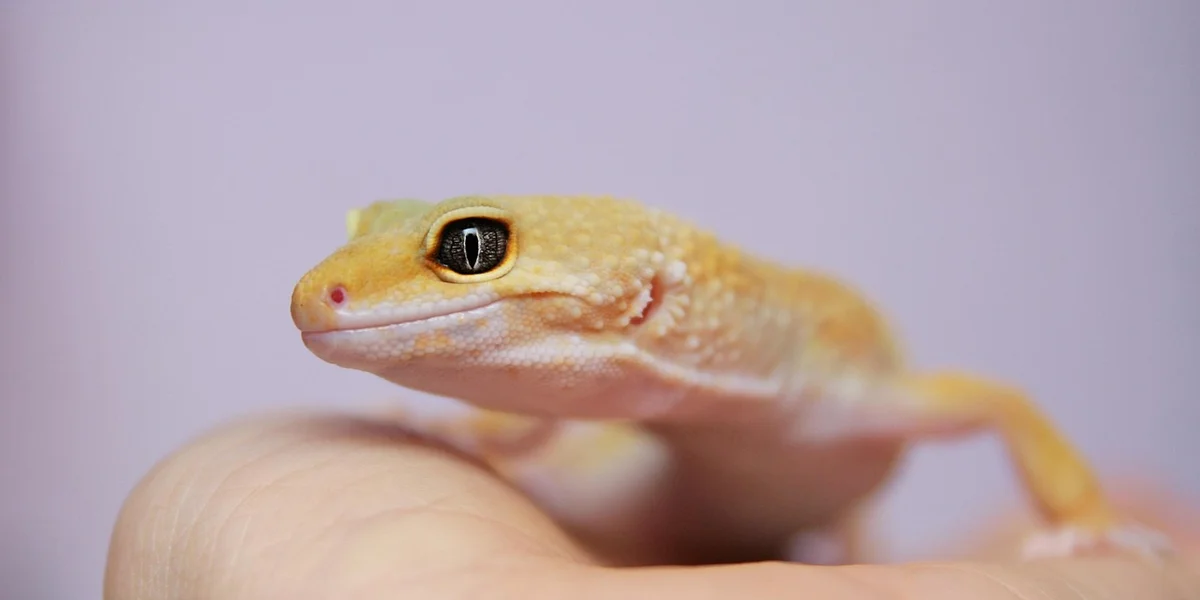
This is the million-dollar question. Both are considered good starter reptiles, but one might be a smoother fit for your first-time jitters.
Habitat Setup and Maintenance
Setting up the right home is your first big task.
- Crested Geckos: You need a tall tank. I learned this fast with Jeter, my Crestie, who thinks he’s a mountaineer. You must maintain high humidity with daily misting. Forgetting to mist can lead to a deadly shed, which adds a layer of daily responsibility.
- Leopard Geckos: They need a long tank with an under-tank heat mat on one side. Griffey, my Leo, spends his days moving from his warm hide to his cool one. Humidity is lower and easier to manage. Their setup is often simpler to get right and maintain consistently.
The Feeding Factor
What you feed them is a major lifestyle difference.
- Crested Geckos: Their staple is a powdered Crested Gecko Diet (CGD) that you mix with water. It’s incredibly convenient. You can leave this prepared diet in a cup for days, which is a godsend for a busy schedule. They only need insects as an occasional treat.
- Leopard Geckos: They eat live insects. This means you must be comfortable buying, keeping, and gut-loading crickets or worms. This is a hands-on process that requires a bit more time and, frankly, a tolerance for bugs in your home.
Handling and Temperament
How do they feel in your hands?
- Crested Geckos: They are jumpers. Jeter has launched himself from my hand more than once. They can also drop their tail if stressed, and it does NOT grow back. Handling requires a calm environment and a watchful eye to prevent escapes or tail drops.
- Leopard Geckos: They are generally more grounded and slower-moving. Griffey will happily sit in my palm and just observe. If they drop their tail, it grows back (though it looks different). Their predictable, docile nature often makes them less stressful to handle for a nervous new owner.
Housing and Enclosure Setup: Terrarium Needs Simplified
Getting the housing right is your first and most important step. A proper enclosure isn’t just a box; it’s their entire world. My gecko Jeter’s calm demeanor comes directly from his perfectly setup, stress-free vertical palace. For beginners, keep it simple with secure hides and a proper heat gradient. A well-planned enclosure makes care easy and geckos stress-free.
Crested Gecko Enclosure
Think of a crested gecko’s home as a high-rise apartment. They are arboreal, meaning they live in trees.
- Enclosure Type: Tall, vertical terrarium.
- Minimum Size: 20-gallon tall for one adult.
- Key Features: Height is more critical than floor space.
You must fill this vertical space. I use a jungle of branches, vines, and cork bark tubes. My crested gecko, Jeter, spends 90% of his time perched on the highest branch, surveying his kingdom. Include broad-leafed plants, live or silk, for hiding and for catching those droplets of water they love to drink.
Leopard Gecko Enclosure
A leopard gecko’s home is more like a sprawling single-story ranch. They are terrestrial, loving the ground.
- Enclosure Type: Long, horizontal tank.
- Minimum Size: 20-gallon long for one adult.
- Key Features: Floor space is king.
For my leopard gecko Griffey, the focus is on the ground level. You need at least three hides: a warm hide, a cool hide, and a humid hide to help with shedding. They don’t need tall climbing structures, but a few low rocks and branches are appreciated for light exercise.
Heating and Lighting
This is a major point of difference and a common beginner mistake.
- Leopard Geckos: Require a warm side of the tank around 88-90°F created by an under-tank heater. They do not need special UVB lighting if their diet is properly supplemented.
- Crested Geckos: Thrive at room temperature, between 72-78°F. They rarely need extra heat unless your house gets cold. They do benefit from low-level UVB lighting to help process calcium.
I learned the hard way that putting a crested gecko under a hot basking lamp can cause severe stress and dehydration. Always use a thermostat with any heat source.
Diet and Feeding: What Do Crested and Leopard Geckos Eat?
Feeding time is where you’ll see the biggest personality differences. One is a fruit connoisseur, the other is a bug hunter.
Crested Gecko Diet: The Prepared Meal Plan
Crested geckos are the easier option for those squeamish about handling live insects.
- Staple Food: Commercial Crested Gecko Diet (CGD) powder. You mix it with water to a ketchup-like consistency.
- Feeding Schedule: Offer a fresh dish of CGD every other night.
- Supplements: A high-quality CGD is a complete diet, so no extra dusting is needed.
I love the convenience of CGD; it takes the guesswork out of nutrition and Jeter gobbles his mango-flavored mix right up. You can offer live insects like crickets or dubia roaches as a occasional protein-packed treat, but it’s not required.
Leopard Gecko Diet: The Live Insect Buffet
Leopard geckos are pure insectivores. You must be comfortable with buying and keeping live feeders.
- Staple Food: Live insects. My top choices are dubia roaches and crickets.
- Feeding Schedule: Offer appropriately sized insects every other day for juveniles, 2-3 times a week for adults.
- Critical Supplements: You MUST dust every insect with a calcium powder. Once or twice a week, also use a calcium powder that includes Vitamin D3.
Watching my leopard gecko Griffey stalk a cricket is like watching a tiny, spotted tiger. It’s enriching for them. Never feed leopard geckos fruit or vegetables-their bodies can’t process it.
Hydration and Water Needs
Both species need fresh, clean water available at all times in a shallow dish.
- Crested Geckos: Will also drink water droplets from leaves after you mist the tank. I mist Jeter’s tank every evening.
- Leopard Geckos: Prefer to drink from their water bowl. They get most of their moisture from their humid hide, which should be dampened to aid shedding.
Dehydration is a silent killer in pet reptiles, so I check water bowls twice a day without fail.
Temperament and Handling: Which Gecko Is Easier to Hold?
This is the question I get asked the most by new owners, and the answer really depends on what kind of interaction you’re looking for. I’ve spent countless hours with both species, and their personalities are as different as night and day.
Crested Gecko Temperament
My crested gecko, Jeter, is the definition of calm and collected. Cresties are often described as “jumpy” or “skittish,” especially when they are young. Their first instinct when startled is to leap, which can be a heart-stopping moment for a new owner. They are arboreal, meaning they live in trees, so they feel most secure up high. Handling requires a gentle, deliberate approach. You let them walk onto your hand rather than grabbing them. Once settled, they are often calm and will slowly explore your arms and shoulders. Jeter, for instance, will happily perch on my glasses for an entire evening.
Leopard Gecko Temperament
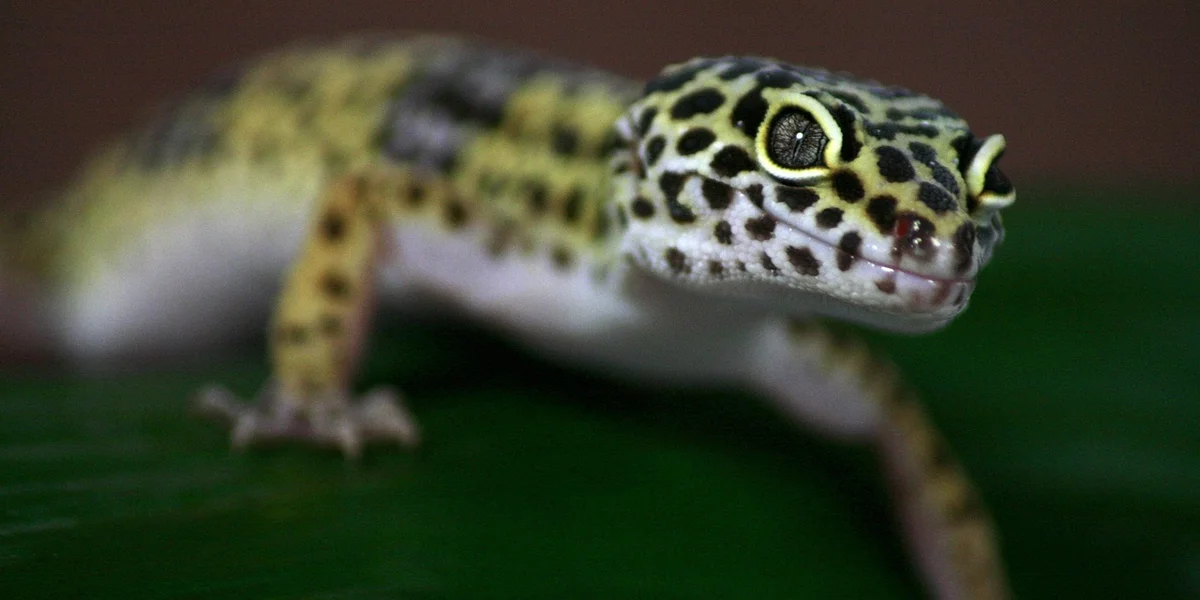
My leopard gecko, Griffey, is much more of a ground-dweller. Leos are generally more predictable and less prone to sudden, acrobatic escapes. They are often more tolerant of handling from a younger age, which makes them fantastic for someone who wants a pet they can hold regularly. They won’t typically climb up your arm like a crested gecko might. Instead, they are content to sit in your cupped hands or slowly walk across your lap. Griffey’s energetic curiosity means he’s always investigating, but he rarely tries to make a run for it.
Handling Comparison at a Glance
- Crested Gecko: Can be jumpy; best for calm, patient handlers. Supervise closely near edges.
- Leopard Gecko: Generally calmer and more ground-based; better for beginners wanting frequent, easy handling.
- My Take: If you have young children or nerves of steel, a leopard gecko is the easier choice. If you appreciate a more observational pet with bursts of quirky personality, a crested gecko is wonderfully entertaining.
Lifespan and Health: Long-Term Commitment Explained
Bringing a gecko home is a long-term promise. Both of these species will be your companion for a significant chunk of your life, so you need to be ready for that responsibility. If your family includes children, it’s important to know how geckos interact with kids and what safety steps are needed. This geckos for families safety guide discusses whether geckos are good pets for families and how to keep children safe around them.
How Long Do They Live?
- Leopard Gecko: With proper care, 15-20 years is common. I’ve met many healthy leos in their early twenties!
- Crested Gecko: A well-cared-for crestie typically lives 15-20 years as well. The record is even longer.
You are making a two-decade commitment, similar to getting a parrot or a cat. This is not a decision to take lightly, and it’s a key reason I advocate so strongly for proper, research-backed care from day one.
Common Health Issues to Watch For
Each species has its own common health hurdles. Catching them early is the key to a long, healthy life.
Leopard Gecko Health Concerns
- Impaction: This is a life-threatening bowel blockage, often caused by eating loose substrate like sand. I only ever use paper towel, tile, or a bioactive setup to completely avoid this risk.
- Eye Issues: Their prominent eyes can be prone to infections or irritation from stuck shed.
- Metabolic Bone Disease (MBD): Caused by a lack of calcium, leading to soft, weak bones. This is entirely preventable with proper dusting of their insects.
Crested Gecko Health Concerns
- Floppy Tail Syndrome (FTS): If they spend too much time resting upside-down, their tail can bend in an unnatural way. Providing plenty of vertical, snug hides helps prevent this.
- Stuck Shed: Especially on their toes. Low humidity is the usual culprit. A proper misting schedule is non-negotiable.
- Calcium Deficiency: Even though they eat a powdered diet, they still need their food mixed correctly with calcium supplements to avoid MBD.
The most powerful tool for gecko health is a consistent and correct gecko habitat setup. Get the temperature, humidity, and diet right from the start, and you’ll prevent the vast majority of these problems. This careful habitat setup also helps prevent common gecko illnesses by reducing stress and exposure to unsanitary conditions.
Cost Analysis: Initial Setup and Ongoing Expenses
Let’s talk numbers. I’ve set up tanks for both my crested gecko, Jeter, and my leopard gecko, Griffey, and the initial investment can feel a bit steep. Planning your budget ahead of time is the single best way to avoid financial stress and provide a proper home for your new pet.
Initial Setup Costs: The Big Purchase
This is your one-time major investment to get a safe, healthy habitat running. Prices can vary, but here’s a realistic breakdown from my own experience and current market research.
| Item | Leopard Gecko | Crested Gecko |
|---|---|---|
| Enclosure (20 Gallon Long / 18x18x24″) | $80 – $150 | $150 – $250 |
| Heating (Mat/Lamp + Thermostat) | $60 – $100 | $30 – $60 (Only if home is cold) |
| Lighting (Not for heat) | $20 – $40 | $20 – $50 (For live plants) |
| Hygrometer & Thermometer | $15 – $30 | $15 – $30 |
| Substrate, Hides, Décor | $50 – $100 | $70 – $150 (More for plants/vines) |
| Estimated Total | $225 – $420 | $285 – $540 |
The crested gecko’s tall tank is often the main cost driver. You can sometimes find fantastic second-hand terrariums online, which I highly recommend for cutting this initial cost.
Ongoing Monthly & Annual Expenses
This is the long-term cost of care that many new owners forget to factor in.
- Leopard Gecko Diet: Live insects like crickets and mealworms are a weekly cost. With supplements and feeders, I budget about $15-$25 a month for Griffey.
- Crested Gecko Diet: Jeter’s main diet is a powdered meal replacement mix (MRP). A bag lasts over a month and costs around $15. I also buy occasional insects as treats.
- Substrate & Bedding: You’ll need to replace this every few months. Factor in $20-$40, depending on your choice.
- Veterinary Care: This is non-negotiable. An annual check-up can cost $50-$100. An emergency visit can run hundreds. Please, please set aside a small emergency fund for your gecko; it’s a critical part of responsible ownership.
- Utility Costs: Running a heat lamp or under-tank heater 24/7 will add a slight, but noticeable, increase to your electric bill.
Final Verdict: Picking Your First Gecko Pet
So, after all that, which scaly friend should you bring home? Both are fantastic, but for distinct reasons.
For the absolute beginner who wants the most straightforward, hands-on pet, the leopard gecko is often the ideal choice. Their simple tank setup, terrestrial nature, and typically calm demeanor make them less intimidating. You get to interact during feeding time with insects, which can be a fun, engaging routine. With consistent, gentle handling and short bonding sessions, you can tame and bond with your leopard gecko over time. Regular, calm interactions build trust and make living with them even more rewarding.
I’ll never forget the first time Griffey eagerly took a mealworm from my feeding tweezers. It’s a simple joy that never gets old.
Choose a leopard gecko if you:
- Want a pet that is easy to handle and often quite tame.
- Don’t mind the routine of buying and caring for live insects.
- Prefer a simpler, horizontal tank setup.
- Are on a slightly tighter initial budget.
For the beginner who is fascinated by arboreal life and wants a lower-maintenance diet, the crested gecko is a brilliant option. Their prepared powder diet is incredibly convenient. Watching Jeter navigate his vertical world is like having a tiny, prehistoric acrobat in your home.
Choose a crested gecko if you:
- Love the idea of a lush, vertical terrarium with live plants.
- Want to avoid the hassle of a live insect-centric diet most of the time.
- Are okay with a pet that might be more observational than handleable, especially at first.
- Have a bit more to invest in the initial tall enclosure.
At the end of the day, the “better” pet is the one whose needs you are most excited and prepared to meet for the next 15-20 years. Your commitment to understanding their world is what truly makes you a great gecko owner, regardless of the species you choose.
FAQs
How do crested geckos and leopard geckos compare in size?
Adult crested geckos typically grow to 6-10 inches in length, while leopard geckos reach 7-11 inches, with leopard geckos often having a stockier, heavier build. Growth rates vary by species and care, but most geckos reach adult size within the first year to 18 months. For more detailed information, you can refer to the article on Gecko growth rate and size, which discusses how size generally tracks with age; though individual variation means it’s not an exact measure.
Can leopard geckos and crested geckos live together or fight?
They should never be housed together due to differing habitat needs and potential stress or aggression, as crested geckos are arboreal and leopard geckos are terrestrial. When different gecko species live together, their conflicting needs can lead to stress, competition for space, and injury. In most home setups, separate enclosures are the safest option.
Which gecko is better for chilling on a desk outside its enclosure?
Leopard geckos are generally calmer and less prone to jumping, making them more suitable for relaxed desk time, whereas crested geckos may be skittish and require careful supervision. Understanding their behavior helps you gauge how social they can be as pets. In general, leopard geckos tend to be more independent, while crested geckos can be more interactive when accustomed to handling.
In a hypothetical fight, who would win between a crested gecko and a leopard gecko?
This is not recommended as both are docile, but leopard geckos have a stronger bite and ground-based agility, which could give them an edge in a conflict. When caring for either species, their differing dietary supplement needs come into play. Crested geckos often have different calcium and vitamin supplementation requirements than leopard geckos.
What are common questions about crested vs leopard geckos on Reddit?
Reddit users often ask about beginner-friendliness, handling ease, and cost comparisons, with many sharing anecdotes on each species’ unique care requirements and personalities.
The Final Choice Is Yours
Your perfect gecko depends entirely on your lifestyle. If you dream of a calm, handleable pet that’s forgiving of beginner mistakes, the leopard gecko is your champion. But if you’re mesmerized by an agile, vertical-climbing acrobat and don’t mind a more hands-off approach, the crested gecko’s personality will win you over.
Remember, bringing any animal home is a long-term commitment to its wellbeing. The most important factor isn’t which species is “better,” but your dedication to providing excellent, species-specific care for years to come. For geckos, good gecko habitat husbandry means a secure, appropriately heated and humid enclosure with suitable substrate and plenty of hiding spots. Keep learning, ask questions from reputable sources like our care guides, and enjoy the incredible journey of being a gecko owner.
Further Reading & Sources
- r/geckos on Reddit: Pros and Cons of Crested Geckos vs Leopard Geckos?
- Leopard Gecko vs. Crested Gecko: WHICH PET IS RIGHT FOR YOU? – Geckopia
- My final choice: Crested gecko or Leopard gecko? | Reptile Forums
The Gecko Guide is your ultimate resource for gecko enthusiasts, providing expert advice and practical tips to ensure the health and happiness of your scaly companions. Alexander is a passionate gecko owner with over a decade of experience in reptile care. We are dedicated to offering accurate, up-to-date information to support your gecko journey.Our mission is to foster a community of responsible gecko owners who are passionate about the well-being of these fascinating creatures.
Gecko Selection & Acquisition