
Are Geckos Good Pets for Families and Children? A Safety Guide
Published on: August 10, 2026 | Last Updated: August 10, 2026
Written By: Alexander 'Gecko Geek' Johnson
You’re considering a gecko for your family, but you’re worried about safety, handling, and whether it’s a genuinely good fit for your busy household. It’s a smart question to ask before any new pet comes home.
I’ve raised multiple geckos for years, and I’m here to help you make an informed decision. We’ll break down the key takeaways so you know exactly what to expect.
- Geckos are generally safe, low-allergen pets that rarely bite, but they require gentle, supervised handling.
- Their care is a fantastic, low-maintenance way to teach children responsibility.
- Choosing the right species for your family’s lifestyle is the most critical step for success.
By the end of this guide, you’ll have a crystal-clear picture of what gecko ownership entails. We cover: gecko temperament, child-friendly handling, safe habitat setup, potential health risks, and choosing the best beginner species.
Introduction: Evaluating Geckos as Family Pets
Geckos can be wonderful, low-maintenance pets that introduce children to the responsibilities of animal care. Their generally calm nature and modest space requirements make them a solid choice for many modern families. I’ve found my own geckos, like the energetic Griffey and the calm Jeter, to be incredibly rewarding. Understanding their behavior and temperament really helps in providing the best care.
From my experience, success hinges on three main factors. You need to match the gecko’s temperament to your child’s personality. You must be honest about the family’s commitment level for daily feeding and tank cleaning. And most importantly, you must prioritize safety for both the child and the animal through proper handling and hygiene.
Best Gecko Species for Kids and Beginners
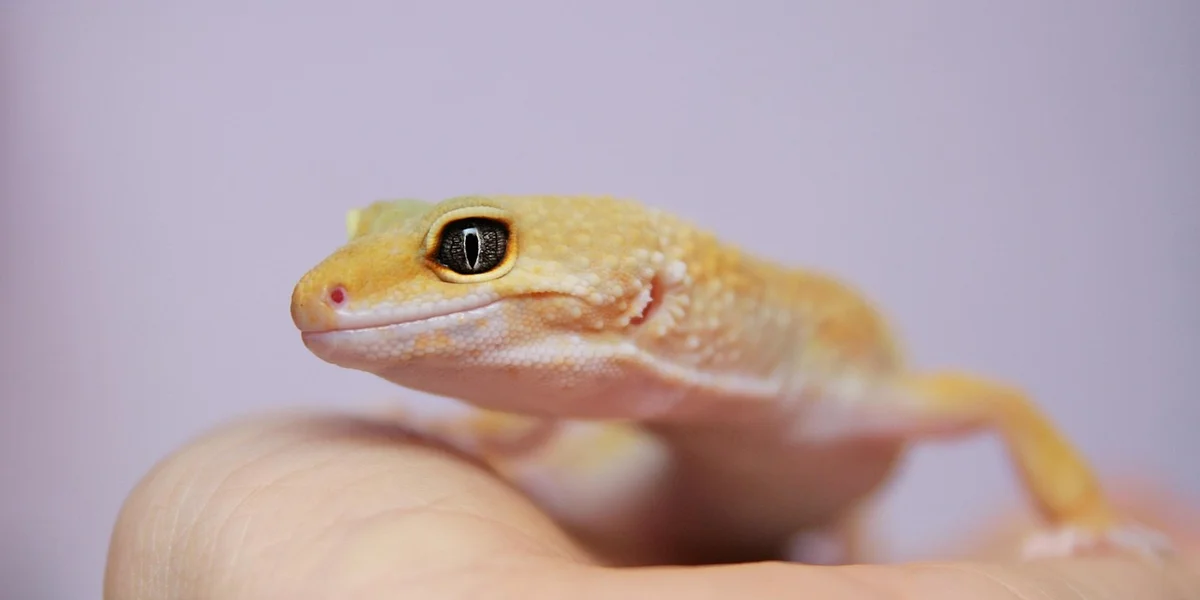
Why Leopard Geckos Are Excellent Starter Pets
If you’re new to reptiles, start with a Leopard Gecko. Their docile disposition and predictable habits make them the golden retriever of the gecko world. They are ground-dwellers, so you don’t need a complex vertical setup, and they are typically content to sit calmly in a child’s cupped hands.
Let’s compare them to other common beginner species:
- Leopard Geckos: Ground-dwelling, slow-moving, and rarely jump. My Griffey loves to explore but is always easy to handle.
- Crested Geckos: More skittish and fantastic jumpers. My Jeter is calm, but I always supervise handling as he could easily leap away.
- African Fat-Tailed Geckos: Similar to Leopards but often more shy, like my A-Rod who prefers to be left alone in his hides.
Here is a quick list of the most family-friendly gecko species:
- Leopard Gecko: The top choice. Hardy, handleable, and comes in countless beautiful colors.
- African Fat-Tailed Gecko: A calm, nocturnal species that is a bit more sensitive but still a great option for gentle, older children.
- Crested Gecko: A good choice for families who want a climbing gecko, but best for kids who understand the “look, don’t touch” rule.
- Gargoyle Gecko: Playful and robust, like my Mookie. Their sticky feet make them fascinating to watch, but their quick leaps require an attentive handler.
Geckos to Avoid for Young Children
Some geckos are better left to experienced hobbyists. I strongly advise against getting a Tokay Gecko for a family with young kids. They have a fierce temperament, a powerful bite, and a loud, intimidating bark. They are beautiful but not a pet for handling.
You should also be cautious with Giant Day Geckos, like my Babe. Their skin is extremely fragile and can tear if handled roughly, making them a “look but don’t touch” pet. Their speed and skittish nature mean they are easily stressed by loud noises and quick movements common in a busy household.
Essential Safety Guide for Gecko Ownership
Salmonella Risks and Hygiene Practices
All reptiles, including our beloved geckos, can naturally carry Salmonella bacteria. Do geckos carry Salmonella? Geckos can carry Salmonella, even if they appear healthy. The risk is preventable with simple, consistent hygiene. The key to safety isn’t fear, but a consistent and simple hygiene routine that becomes second nature. This bacteria is only a problem if it gets from the gecko or its enclosure into a person’s mouth, which is entirely preventable.
I have a strict “wash hands before and after” rule in my house. Before I handle my geckos, I wash to protect them from any lotions or chemicals on my skin. After handling them, or anything in their tank, I wash again with soap and warm water. Making handwashing a non-negotiable part of the gecko routine is your number one defense. Proper hand washing and hygiene ensure that your geckos stay healthy and stress-free.
- Supervise Handwashing: Watch young children wash their hands to ensure they are doing it thoroughly for at least 20 seconds.
- No Kissing: As adorable as Griffey is when he poses, I never let a child (or myself!) kiss a gecko or put hands near their face after handling.
- Clean Habitats Regularly: Spot-clean waste daily and do a deep clean of the entire enclosure monthly. I do this outside or in a dedicated tub that isn’t used for anything else.
- Designated Supplies: Keep gecko cleaning supplies like sponges and sprays separate from your kitchen or bathroom cleaning items.
Understanding Gecko Bites and Injuries
Many parents ask me, “Will it bite my child?” The honest answer is that a bite is possible, but it is very rare and almost never serious. A gecko bite feels more like a quick, surprising pinch than a painful wound. Most species don’t even have the jaw strength to break human skin.
My feisty A-Rod once gave me a warning nip when I tried to move his favorite hide. It was my fault for not reading his mood. Learning to read your gecko’s body language is the ultimate way to prevent any mishaps. A stressed gecko might puff up, make a quick chirping sound, or try to scoot away. If you see these signs, just give them space. A step-by-step behavioral checklist for diagnosing gecko aggression can help you identify triggers and respond safely. It guides you through what to observe, when to pause, and how to adjust handling.
- Move Slowly: Fast, jerky movements look like a predator attack to a gecko. Always be calm and deliberate.
- Respect Their Space: Never pull a gecko from its hide. Let it come out on its own terms.
- Watch the Tail: Some species, like Crested Geckos, can drop their tails if severely frightened. The tail will grow back, but it’s best to avoid the stress altogether.
Supervision and Age-Appropriate Handling
Geckos are not stuffed animals; they are living creatures that require respect. Direct adult supervision is non-negotiable whenever a child is interacting with the gecko. This protects both the child and the animal.
I let my younger nieces and nephews only help with feeding under my watchful eye. For actual handling, I recommend children be at least 6-8 years old and have demonstrated they can follow gentle instructions. Even then, handling sessions should be short-just 5 to 10 minutes-and always occur while sitting on the floor over a soft carpet or pillow. This prevents long falls if the gecko gets startled and jumps.
- Model Gentle Behavior: Children learn by watching. Always show them how to be calm and quiet around the gecko.
- Hands-Off Days: Geckos need days off. Do not handle them when they are shedding or have just eaten.
- You are the Enforcer: The adult must be the one to decide when handling starts and when it ends to keep everyone safe.
Step-by-Step Handling Techniques for Families
Handling a gecko should feel like a calm, shared activity, not a chaotic grab-fest. Safely introducing children to gecko handling means close supervision and gentle, patient guidance. Keep sessions calm and brief to build trust. Following these steps will build confidence in both your child and your gecko, creating positive experiences for everyone. I taught my nephew using this exact method with my Crested Gecko, Jeter.
- Wash Up: Everyone involved must wash their hands with soap and warm water.
- Get Situated: Sit on the floor in a small, quiet room with no other pets. Have a soft towel or pillow on your lap.
- The Slow Approach: Open the enclosure slowly. Place your hand flat and gently in front of the gecko. Don’t come at them from above.
- Let Them Climb On: Gently coax the gecko onto your hand by placing a finger against its chest. Let it walk onto you voluntarily.
- Use Two Hands: Once the gecko is on one hand, cup your other hand loosely over its back to create a secure “cave.” This makes them feel safe.
- Keep it Low: Always keep your hands close to your lap or the floor. My Gargoyle Gecko Mookie is an incredible jumper, and this prevents escape attempts and falls.
- End the Session Calmly: After a few minutes, gently return the gecko to its enclosure by letting it walk off your hand onto a branch or hide.
- Wash Hands Again: The final, most important step for everyone!
Temperament Insights by Species
Not all geckos have the same personality. Choosing a species known for its docile nature dramatically increases the chances of a successful family pet experience. My big Day Gecko, Babe, is fun to watch but too fast and fragile for handling, while my Leopard Gecko, Griffey, is a handling champion.
| Species | Handling Ease | Key Temperament Trait | Notes from My Experience |
|---|---|---|---|
| Leopard Gecko | Excellent | Docile and tolerant | Griffey will sit calmly in cupped hands for long periods. A perfect beginner gecko. |
| Crested Gecko | Very Good | Calm but can be jumpy | Jeter is confident but can make a surprise leap. Best for calm, older children. |
| African Fat-Tailed Gecko | Good | More shy and terrestrial | A-Rod prefers less handling but is very gentle when he does come out. |
| Gargoyle Gecko | Fair | Playful and fast | Mookie is a blast to watch climb, but his quick jumps make him better as a “look, don’t touch” pet for kids. |
| Giant Day Gecko | Poor | Nervous and fast | Babe has stunning color, but his skin is delicate and he stresses easily. Not for handling. |
Your family’s lifestyle and the age of your children should be the biggest factors in choosing which gecko is right for you. A Leopard or Crested Gecko is almost always the safest bet for a family wanting a handleable pet.
Daily Care and Maintenance with Children
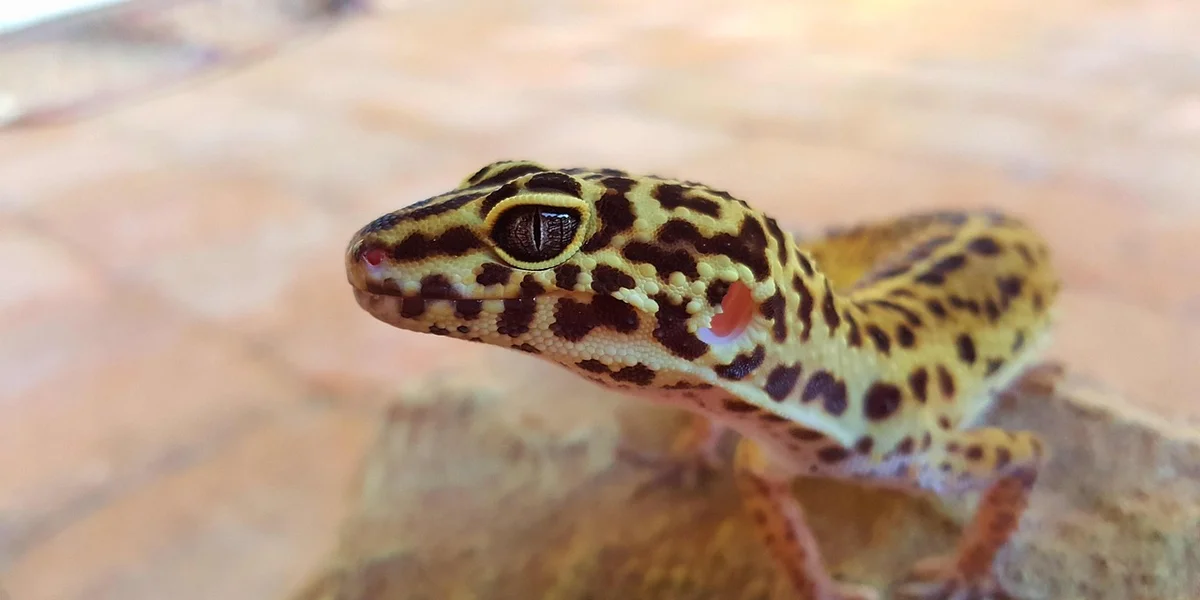
Feeding, Hydration, and Enclosure Setup
Getting the basics right is the first step to a happy, healthy gecko and a stress-free family experience. Avoid these 10 habitat setup mistakes to help ensure a safe, thriving gecko. A proper setup isn’t just about the gecko’s comfort; it’s about creating a safe, manageable environment for your child to learn and participate.
- Diet: Most common pet geckos, like my leopard gecko Griffey, eat live insects like crickets and mealworms. I always dust them with a calcium powder-it’s a fun, sparkly step kids love. Crested and gargoyle geckos, like my Jeter and Mookie, often eat a premixed fruit-based diet. It’s less hands-on with bugs, which can be a big pro for some families.
- Hydration: A shallow, sturdy water dish is non-negotiable. Change the water daily-this is a perfect, simple chore for a child. I also mist my crested gecko’s tank every evening; my son loves using the spray bottle and checking for water droplets on the leaves.
- Enclosure Setup: You need a secure lid, appropriate substrate (I recommend paper towel or tile for beginners-avoid loose sand!), and at least two hides (one warm, one cool). A cluttered tank is a happy tank; it makes your gecko feel secure and gives them things to explore.
Here are common mistakes I’ve seen and learned from:
- Wrong Food: Kids might try to feed geckos human food. Make a clear rule: “Only the special gecko food from this container.”
- Overhandling: Children want to hold their new pet constantly. Set a 10-15 minute daily handling limit to prevent stress for the animal.
- Unsafe Décor: Avoid sharp-edged ornaments. Everything should be smooth and securely placed so it can’t fall if a child bumps the table.
Health Monitoring and Vet Visits
Geckos are masters at hiding illness, so you have to be a detective. Catching a problem early is the single most important thing you can do for your pet’s welfare. Look for appearance clues like skin texture changes, dull eyes, swelling, or unusual posture. Noticing these appearance signs early can prompt timely veterinary care and support better outcomes.
Watch for these signs and see a reptile vet immediately if you notice them:
- Loss of appetite or weight (a skinny tail is a big red flag).
- Lethargy or inability to climb.
- Stuck shed, especially on toes or the tip of the tail.
- Runny, discolored, or smelly droppings.
Turn care into a fun, educational game for your kids:
- Create a “Gecko Check-Up” chart where they can tick off boxes for “Clear Eyes,” “Fat Tail,” and “Clean Water.”
- Let them be the “Feeding Time Scientist,” using a magnifying glass to watch how the gecko hunts its crickets.
- Weigh your gecko together once a month and plot its growth on a graph. It teaches responsibility and basic math!
Pros and Cons: Is a Gecko Right for Your Family?
Based on living with my five unique geckos, here’s my honest breakdown.
- PRO: They are quiet and space-efficient. No barking, squawking, or needing a whole room. A quiet terrarium is perfect for apartments or busy households.
- CON: They are not cuddly pets. They tolerate handling but don’t seek affection like a dog or cat. This can be disappointing for a child craving a snuggly friend.
- PRO: They are fascinating to observe. The way my gecko Babe stalks a cricket is pure nature documentary magic. It teaches kids patience and respect for animal instincts.
- CON: They require live insect care. You must be comfortable keeping and handling feeder insects. This is a dealbreaker for some families.
- PRO: Lower maintenance than many pets. They don’t need daily walks or constant attention. Their care is predictable and routine-based.
- CON: They are a long-term commitment. A leopard gecko can live 15-20 years. You are potentially adopting a pet that will see your child off to college.
The financial and time commitment is real but often manageable. The startup cost for the tank, heater, and décor is the biggest hit. After that, it’s mostly the cost of food and an annual vet check-up. For time, I spend about 30 minutes a day on feeding and spot-cleaning, with a deeper clean once a month.
Enrichment is key. A bored gecko is an unhappy gecko. I frequently rearrange branches and hides to create new climbing paths. Watching your child design a new “playground” for their pet is a wonderful creative outlet that strengthens their bond. Ultimately, a gecko fits best in a family that values quiet observation, consistent routines, and teaching gentle respect for a small, delicate life.
FAQs
Are geckos affectionate pets?
Geckos do not show affection like mammals but can become accustomed to gentle handling and may recognize their caregivers over time. Many people wonder whether geckos enjoy being petted or stroked. While responses vary by species and individual, some geckos may tolerate gentle strokes along the back when they are accustomed to handling.
Can multiple geckos live together in the same tank?
Most pet gecko species are solitary and should be housed alone to prevent stress, aggression, and potential injury.
What is the average cost to set up a gecko habitat?
The initial setup for a basic gecko enclosure, including the tank, heating, and essential décor, typically ranges from $100 to $300. Beyond the initial purchase, ongoing monthly costs for owning a gecko, also referred to as the costs of owning a gecko, include electricity for heating and lighting, as well as food and substrate replacements.
Final Words
Geckos can be wonderful, low-maintenance pets for families when you choose a hardy, handleable species and always supervise interactions between your gecko and children. Focus on creating a secure habitat and teaching gentle handling to ensure everyone stays safe and stress-free.
Becoming a proud gecko parent is a long-term commitment to learning. Their well-being depends entirely on your willingness to continually research and adapt your care. Embrace the journey of providing a fantastic life for your scaly friend.
Further Reading & Sources
- Geckos As Pets: What You Should Know Before Adopting One – DodoWell – The Dodo
- How Do You Care for the Different Kinds of Pet Geckos?
- Best Geckos for Pets: 7 Ideal Choices for Your Collection
The Gecko Guide is your ultimate resource for gecko enthusiasts, providing expert advice and practical tips to ensure the health and happiness of your scaly companions. Alexander is a passionate gecko owner with over a decade of experience in reptile care. We are dedicated to offering accurate, up-to-date information to support your gecko journey.Our mission is to foster a community of responsible gecko owners who are passionate about the well-being of these fascinating creatures.
Handling & Behavior Signs