
Is It Legal to Own a Gecko? State-by-State Laws
Published on: September 12, 2026 | Last Updated: September 12, 2026
Written By: Alexander 'Gecko Geek' Johnson
You’ve found the perfect gecko, but a nagging question stops you: is this even legal where I live? The fear of accidentally breaking the law can be a real mood-killer for a new reptile enthusiast.
I’ve navigated this confusing landscape myself with my own crew of geckos. I will help you cut through the complexity. Here are the three biggest things you need to know:
- Most common pet geckos are legal, but your specific state and even city can have surprising rules.
- The legality often depends not just on the gecko type, but on where you bought it.
- Some states require simple permits, while others ban certain species entirely.
You will get clear, straightforward advice to confidently and legally welcome your new pet. This article covers: State-by-State Legality, Permits and Licenses, Banned Species, Local Ordinances, Sourcing and Breeder Laws, Travel and Relocation.
What Makes Gecko Ownership Legal or Illegal?
I’ve found that gecko legality often boils down to three main factors that states worry about. It’s not just a random list of banned pets. Understanding these core concerns helps you predict which species might be problematic in your area and how to monitor their behavior for any signs of stress or abnormality.
Native Species Protection
This is a huge one. States fiercely protect their local ecosystems. If a gecko species naturally lives in your state, it’s often illegal to own it as a pet.
- The goal is to prevent wild populations from being taken for the pet trade.
- It also stops the potential spread of disease from captive geckos to wild ones.
- For example, in Florida, you cannot own a native Florida Reef Gecko.
Invasive Species Risks
This is the flip side of native protection. If a non-native gecko could survive, breed, and disrupt the local environment if it escaped, it’s often banned.
- Think of places like Hawaii or Florida with warm, humid climates.
- A single escaped breeding pair could establish a colony and outcompete native lizards for food and space.
- My crested gecko, Jeter, would love the tropical plants in Hawaii, which is precisely why he’s not allowed there!
Permit and Licensing Requirements
Some states allow certain geckos only if you jump through a few bureaucratic hoops. This isn’t necessarily a “ban,” but it’s a controlled form of ownership. In practice, this also means understanding gecko habitat husbandry. Setting up secure enclosures with appropriate heat, humidity, and hiding spots is essential for healthy geckos.
- Permits may require proof of a secure, escape-proof enclosure.
- You might need to demonstrate your knowledge of the species’ care.
- Sometimes, the gecko itself must be microchipped for identification.
Understanding State Reptile Regulations
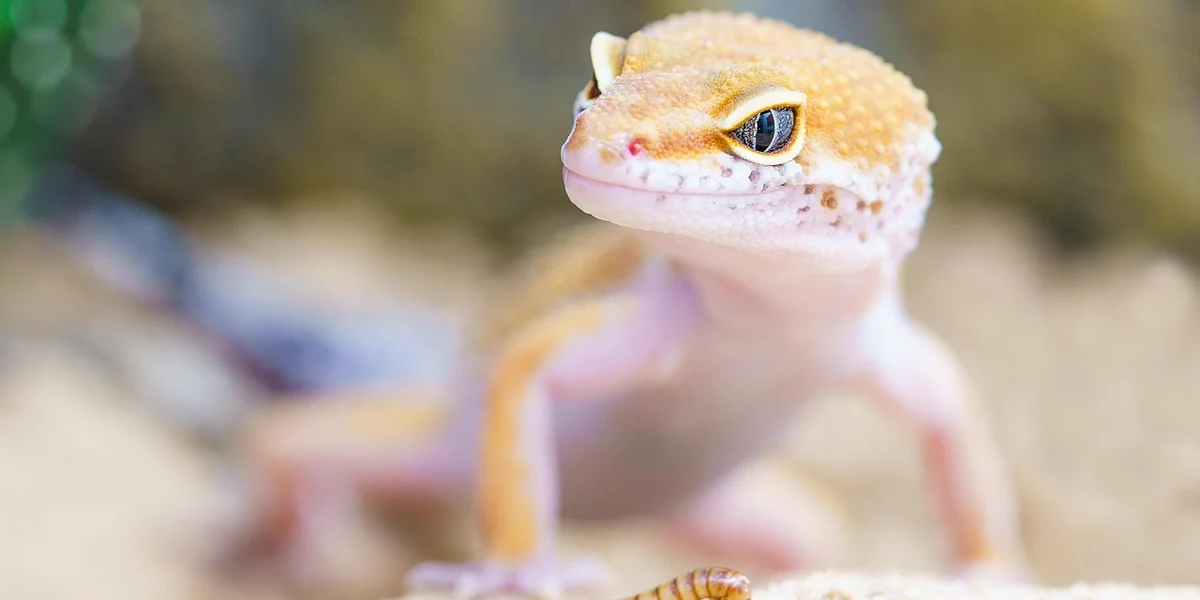
Navigating state laws can feel like a maze. I’ve spent many hours digging through government websites and calling fish and game departments to get clear answers. The most important thing to know is that reptile laws are almost always state-specific; there is no single federal law for common pet geckos.
States with Restrictive “Positive Lists”
Some states, like California and Hawaii, use a “positive list” system. This is the most restrictive type of law.
- Only animals explicitly *listed* as legal are allowed.
- If a gecko species isn’t on the list, it is automatically illegal.
- This system leaves little room for interpretation but can be frustrating for enthusiasts of less common species.
States with “Negative Lists”
Most states operate with a “negative list.” This is much more common and generally more permissive.
- All reptiles are legal to own *unless* they are specifically banned.
- Bans typically target venomous species, large constrictors, and native or invasive animals.
- This is why your common Leopard, Crested, and African Fat-Tailed geckos are widely legal.
Local Ordinances and City Laws
Don’t forget to check your city or county codes! A state might say “yes,” but your local government can say “no.”
- Some apartment complexes and homeowners associations (HOAs) have rules against “exotic” pets.
- Always double-check local regulations, not just state ones, before bringing a gecko home.
- I learned this the hard way with a housing agreement that almost prevented me from adopting my first gecko.
Gecko Legality by State: A Detailed Breakdown
Navigating the legal landscape for pet geckos can feel like a maze. From my experience, the rules often depend more on a gecko’s origin and potential ecological impact than its popularity as a pet. I’ve broken it down into three main categories to help you see where your state stands.
States with Minimal or No Gecko Restrictions
Many states are quite friendly towards common pet geckos. These states generally allow ownership of captive-bred species that pose no threat to local ecosystems. This connects the policy landscape to the wild-caught vs captive-bred geckos ethical health showdown, where welfare, disease risk, and ecological impact are central concerns. Proponents argue captive breeding reduces pressure on wild populations, while critics warn about genetic diversity and health issues in captive stocks.
- Ohio
- Illinois
- Michigan
- Texas
- Florida (for most common species)
In these states, you can typically own popular pets like Leopard Geckos and Crested Geckos without any special paperwork. I’ve never needed more than a bill of sale from a reputable breeder when living in these areas. Always double-check for any county or city ordinances, as they can sometimes be more specific.
States with Permit or License Requirements
Some states require a bit more legwork. They often use a permit system to regulate ownership, particularly for species they consider “non-native” or potentially invasive.
- New York
- Pennsylvania
- Georgia
- South Carolina
- California (for some species)
The key here is that legality is conditional upon you obtaining the correct documentation. In my case, getting a permit for my geckos involved a small fee and proving they were captive-bred. The process isn’t usually difficult, but it is mandatory.
States with Strict Bans or Heavy Regulations
A handful of states take a much harder line. These places often have blanket bans on entire families of reptiles or require complex, hard-to-get licenses.
- Hawaii
- Alaska
- Maine (for certain species)
Hawaii is the most notable, with extremely strict laws to protect its unique ecosystem from invasive species. I’ve spoken with reptile enthusiasts there who cannot legally own even the most common geckos. If you live in one of these states, your options are very limited, and I strongly advise against trying to circumvent these laws.
How to Obtain Permits for Legal Gecko Ownership
If your state requires a permit, don’t panic. I’ve found the process is usually designed to be manageable for responsible hobbyists. It’s about proving you’re a knowledgeable owner, not creating impossible barriers.
Follow these general steps to get permitted:
- Identify the Correct Agency: This is usually your state’s Department of Fish and Wildlife or Department of Natural Resources. A quick online search for “[Your State] reptile permit” will point you in the right direction.
- Gather Your Documentation: You will likely need proof of purchase from a licensed breeder, details about the gecko’s species and morph, and information about its enclosure. I always keep a dedicated folder for my pets’ paperwork.
- Complete the Application: Fill out every section honestly. They often ask about your experience and housing plans. Be thorough.
- Pay the Fee: Most permits have an associated cost, which is typically reasonable for an annual license.
- Await Inspection (if required): Some states may want to verify your setup is safe and secure before granting a permit. This is a good thing-it ensures animal welfare.
The most common mistake I see is people assuming one type of permit covers all animals. You might need a specific “non-game” or “non-native” wildlife permit. Read the application carefully. It’s a bit of paperwork, but it’s a small price for the peace of mind that comes with being a completely legal and ethical gecko guardian.
Risks and Consequences of Illegal Gecko Possession
Owning a gecko illegally isn’t a minor infraction; it’s a serious issue with real-world fallout for you and your pet. The immediate risk is having your beloved gecko confiscated by wildlife officials, often with no chance of getting them back. I’ve spoken with owners who lost their pets this way, and the heartbreak is immense. If you must part with your gecko, rehome your gecko responsibly to a licensed reptile rescue or rehoming program rather than abandoning it. Reputable rescues can help find a safe, loving new home.
Beyond the emotional toll, the legal penalties are steep.
- Substantial Fines: You can face fines ranging from hundreds to thousands of dollars, depending on the state and the specific violation.
- Criminal Charges: In some jurisdictions, possessing a prohibited species is a misdemeanor or even a felony, which can result in a permanent criminal record.
- Animal Welfare Violations: You could be charged with animal cruelty for keeping a species in an environment it’s not legally permitted to be in, adding another layer of legal trouble.
The impact on the animal is often the most tragic part. Confiscated geckos are typically placed in already overburdened rescue systems or, in the worst cases, euthanized. This isn’t a scare tactic; it’s the harsh reality of breaking non-native species laws designed to protect local ecosystems. If you ever plan to take your gecko outside, weigh the safety risks and follow precautions. Use a secure, escape-proof carrier or enclosure, supervise at all times, and avoid areas with predators, chemicals, or extreme temperatures.
Traveling or Relocating with Your Gecko Legally
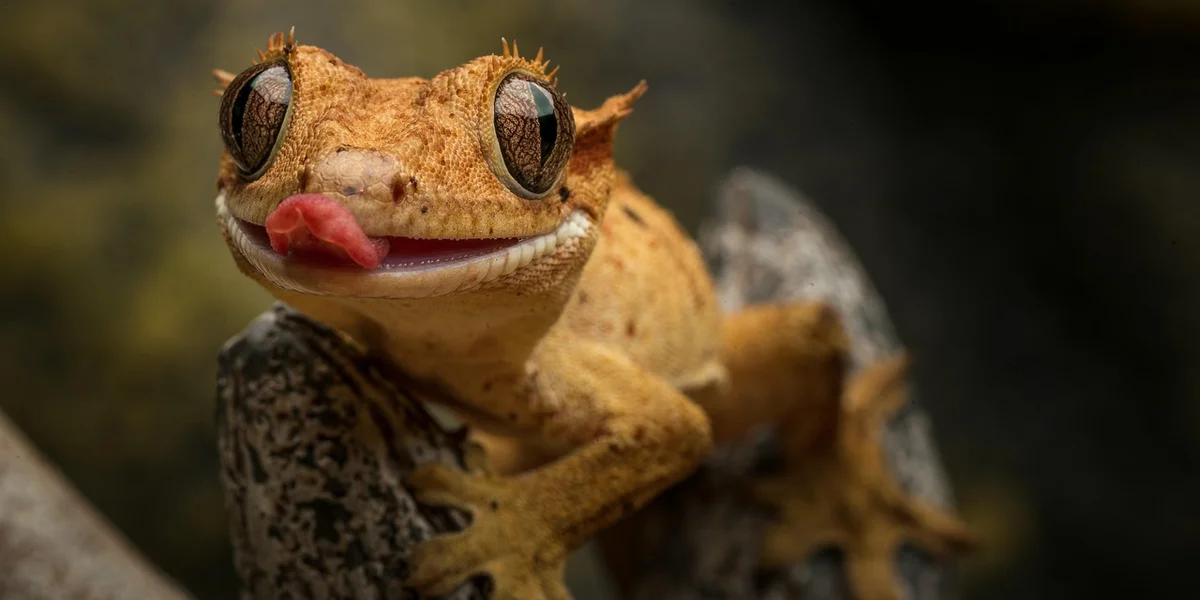
Moving across state lines with my geckos, like my calm Crested Gecko Jeter, requires more planning than just packing a bag. Failing to research state laws before you travel can turn a simple move into a legal nightmare at the border. The rules change the moment you cross into a new state.
Your pre-travel checklist is your best friend.
- Verify Legality: Confirm that your gecko species is legal in both your departure state and your destination state. Do this for every town and county you’ll pass through.
- Secure Permits: Some states require a permit or health certificate for entry. Contact the destination state’s Department of Agriculture or Fish and Wildlife agency weeks in advance.
- Prepare a Travel Enclosure: Use a small, secure, and ventilated carrier with a familiar hide and a damp paper towel for humidity. Never use a glass tank during transit.
- Plan for Climate: Geckos are sensitive to temperature extremes. You must maintain a safe temperature range in your vehicle, using heat packs or coolers as needed. I never rely on the car’s climate control alone.
If you are flying, your homework doubles.
- Airline Policies: Every airline has its own live animal policy. Some ban reptiles entirely, while others allow them in the cabin under specific conditions. Call, don’t just check online.
- Documentation: Have all your permits and vet paperwork easily accessible. You will be asked for it.
- Acclimation: Once you arrive, set up the permanent enclosure first and let it stabilize to correct temperature and humidity before introducing your gecko. This reduces relocation stress significantly.
Verifying Gecko Legality in Your Area
You’ve found the perfect gecko, but before you get excited about names and terrarium setups, you must do your legal homework. The most critical step is always verifying the laws yourself, as they can change without warning. I learned this the hard way years ago when a local ordinance nearly disrupted my plans for a new crestie.
Your Three-Tiered Legal Checklist
Laws aren’t just made at the state level. You need to check three separate jurisdictions to be completely sure.
- State Regulations: Start broad. Your state’s fish and wildlife or natural resources department website is the primary source.
- County Ordinances: A state “yes” can be overruled by a county “no.” Search for your county government’s code of ordinances online.
- City/Municipal Codes: This is the most common oversight. Your city or town hall website will have its own set of pet and exotic animal laws.
How to Conduct Your Search
Navigating government websites can feel like a maze. Use these specific search terms in the website’s search bar to cut through the noise.
- Begin with “exotic pet laws” or “non-traditional pets.”
- Get more specific with “reptile ownership [Your State/County/City]”.
- Search for “possession of wildlife” or “importation of live animals.”
- Look for a “prohibited species list”-this is often a straightforward PDF.
If you hit a dead end online, a phone call to your local animal control office is your most reliable next step. They enforce these rules daily and know the local nuances.
Understanding the “Why” Behind the Laws
These regulations aren’t arbitrary. They exist for powerful reasons that impact our ecosystems and animal welfare.
- Invasive Species Risk: A released or escaped pet can devastate local wildlife. This is a primary reason for many bans.
- Public Safety Concerns: While most geckos are harmless, laws often group them with larger, dangerous reptiles.
- Animal Welfare: Some laws aim to prevent the ownership of animals with highly specialized care needs by the general public.
- Disease Control: Preventing the spread of diseases like salmonella is another common legislative driver.
Never assume a common pet store gecko is automatically legal; I’ve seen stores operate in violation of local codes without realizing it. The responsibility ultimately falls on you, the owner.
A Critical Note on Homeowners and Rental Agreements
Even if the government says “yes,” your landlord or homeowners association (HOA) can say “no.”
- Scrutinize your lease for any “no pets” or “no reptiles” clauses.
- Check your HOA covenants, conditions, and restrictions (CC&Rs).
- When in doubt, get written permission. A verbal okay won’t protect you during a dispute.
An HOA fine or eviction notice is a much faster and more likely problem than a state-level violation for most gecko keepers. Cover all your bases to ensure a stable home for your new pet.
FAQs
Is it legal to own a gecko as a minor?
Laws vary by state, but typically a parent or guardian must assume responsibility for the gecko’s care and legality. In a juvenile-to-adult transition guide for crested gecko care, that responsibility includes planning for long-term housing, diet, and health as the gecko matures.
What should I do if I inherit a gecko from another state?
You must immediately verify the gecko’s species against your state and local laws and may need to secure permits or rehome it if it is prohibited. If rehoming is required, work with a licensed reptile rescue or sanctuary to place the gecko in a safe home. Provide the new owner with basic care guidelines to ensure a smooth transition.
Are there any federal regulations I need to be aware of for gecko ownership?
While no federal law bans common pet geckos, the Lacey Act regulates interstate transport to prevent illegal wildlife trade.
Final Words
The most important rule is to always check your specific state’s exotic pet laws and any local city or county ordinances before bringing a gecko home. A quick call to your state’s fish and wildlife agency or a local veterinarian can save you from unexpected legal trouble and ensure your new pet is welcome. Are geckos good pets for families with children? A safety-focused guide on handling and supervision can help you decide.
Owning a gecko is a long-term commitment that extends far beyond just knowing the law. I encourage you to keep learning about their specialized habitat, diet, and health needs to provide the fantastic life these wonderful creatures deserve—especially considering their potential 20-year lifespan.
Further Reading & Sources
- Reptile Ownership Laws by State | USARK – United States Association of Reptile Keepers
- Gecko Law: Are Geckos Legal to Own? State and International Regulations Explained – Advocate Avenue
- r/reptiles on Reddit: Do I need any type of permission to breed and sell leopard geckos legally? Like do I need a license or something?
The Gecko Guide is your ultimate resource for gecko enthusiasts, providing expert advice and practical tips to ensure the health and happiness of your scaly companions. Alexander is a passionate gecko owner with over a decade of experience in reptile care. We are dedicated to offering accurate, up-to-date information to support your gecko journey.Our mission is to foster a community of responsible gecko owners who are passionate about the well-being of these fascinating creatures.
Gecko Selection & Acquisition