
How Much Does a Vet Visit for a Gecko Typically Cost?
Published on: January 28, 2026 | Last Updated: January 28, 2026
Written By: Alexander 'Gecko Geek' Johnson
You’re likely staring at your gecko right now, worried that a simple vet check-up could drain your savings or leave you unprepared for an emergency. I’ve been there with my own crew, from Griffey’s curious antics to Jeter’s calm demeanor, and I know how stressful cost uncertainty can feel.
As a seasoned gecko owner who prioritizes animal welfare, I’ll guide you through realistic pricing so you can plan ahead confidently. Here are the key takeaways we’ll cover:
- Primary factors that drive up or lower your final bill
- Realistic price ranges for routine visits and common issues
- Smart strategies to manage expenses while ensuring top-notch care
You’ll get straightforward advice based on my hands-on experience and established veterinary practices. We’ll explore: cost factors, average prices, saving tips, insurance options, emergency prep.
Breaking Down the Basic Vet Visit Cost
Gecko exam cost
This is the baseline fee, the price of admission to get a professional to lay hands on your gecko. Think of it as the consultant fee for an expert opinion on your scaly friend’s health. For a standard wellness exam, you can typically expect to pay between $50 and $85. This is what I paid for my leopard gecko, Griffey, during his last check-up. The vet will weigh him, check his body condition, look in his mouth, and feel his belly. To keep veterinary care affordable, budget your gecko’s annual visits as part of a routine care plan. A small monthly fund can cover baseline exams and any unexpected needs.
Clinic visit cost gecko
Sometimes, the exam fee is just the start. Some clinics bundle the cost, while others charge separately for the “office visit” and the “examination.” This can be confusing. Always ask when you book the appointment if the quoted price is all-inclusive or just the base fee to walk in the door. A general “exotic clinic visit fee” can sometimes add an extra $15 to $25 on top of the exam cost. I learned this the hard way with my first gecko years ago-the bill was a surprise!
Factors That Influence Your Gecko’s Vet Bill
Location and local market
Where you live has a massive impact on cost, just like your own cost of living. A vet in a major metropolitan area like New York or San Francisco will almost always charge more than one in a rural town. Exotic vets are specialists, and their pricing reflects the higher overhead and demand in big cities. I’ve seen quotes vary by over $30 for the same service just a few towns apart.
Gecko species costs
Not all geckos are created equal in the eyes of a vet bill. Common species like Leopard Geckos are often on the lower end for routine care. More specialized or fragile species, like my Giant Day Gecko Babe, can sometimes incur higher costs. Their care can be more complex, and vets with specific experience in rarer species may charge a premium for their niche expertise.
- Leopard & Crested Geckos: Often have the most standard, predictable pricing.
- African Fat-Tailed & Gargoyle Geckos: Similar to the common species, but may have slight variations.
- Giant Day Geckos & other “specialty” species: Can be on the higher end due to their specific needs and faster metabolism.
Age affects cost
A young, healthy gecko’s visit is usually straightforward and cheaper. An older gecko, however, is like an older car-it might need more diagnostics and tweaks to keep running smoothly. My oldest gecko is five, and his visits now often include more in-depth discussions about weight management and joint health. Senior pet care, even for reptiles, often requires a more thorough and therefore more expensive approach.
What to Expect During a Gecko Vet Exam
Physical exam process
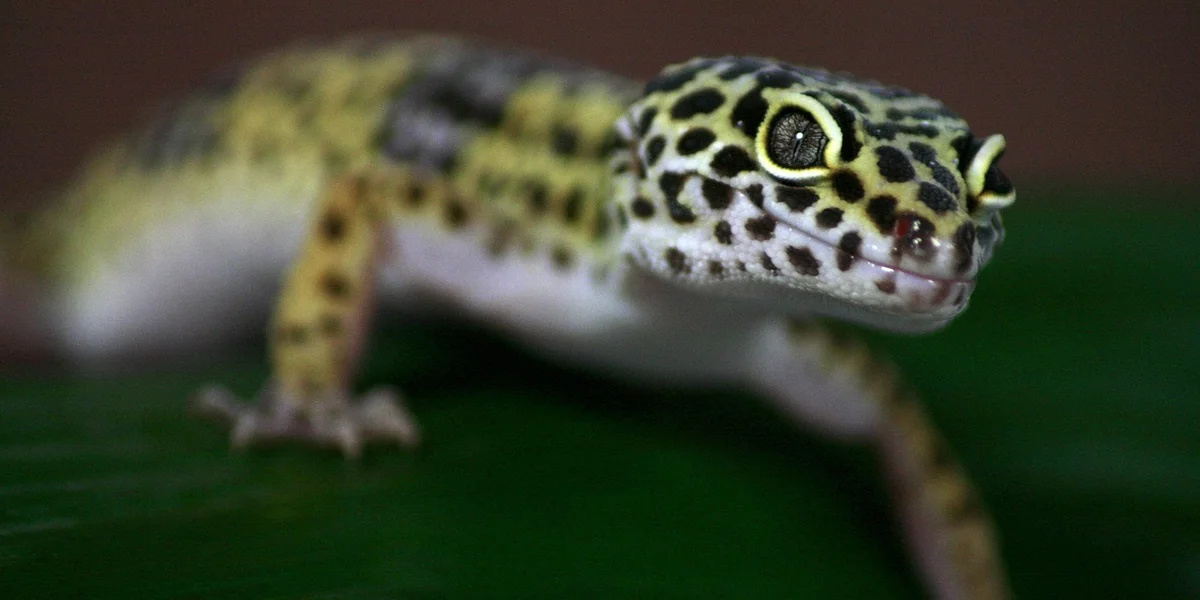
Your vet will handle your gecko with expert, gentle hands. They start by observing your pet’s posture and alertness right in the carrier. My gecko, Jeter, always gets a comment on his bright, clear eyes—a great first sign! The vet will then perform a systematic check from snout to tail tip. These observations are a window into crested gecko behavior and body language. They’re a core part of the crested gecko behavior body language ultimate guide.
They meticulously feel along the jawline for any signs of swelling, check inside the mouth for mouth rot, and use a special light to peer into the ears and eyes. Every scale is inspected for retained shed, especially on the toes, as this can quickly lead to serious issues.
Your vet will also palpate the abdomen to check body condition and organ size. They will gently extend the limbs to check for mobility and feel the spine and tail. The tail is a major fat storage site, so its plumpness is a key health indicator. A-Rod, my fat-tailed gecko, once got a clean bill of health specifically because of his robust tail.
Wellness check gecko
A wellness check is a proactive visit to catch problems before they start. It’s like a gecko physical. I take my crew for one annually, just for peace of mind. The vet will weigh your gecko on a small, precise scale to track growth or detect subtle weight loss you might miss at home.
This is your prime opportunity to ask all your husbandry questions, from temperatures and humidity to the best feeder insects. Bring photos of your enclosure setup on your phone-it helps the vet give you the best, most specific advice. They will also discuss proper supplementation and diet based on your gecko’s species and age, including the best feeder insects for your gecko.
The vet will assess your gecko’s hydration by checking skin elasticity and will discuss breeding plans if applicable. A wellness visit builds a health baseline for your pet, making it easier to spot when something is truly wrong later on.
Diagnostic Tests and Additional Costs
Common diagnostic tests
The exam fee is just the starting point. If the vet finds anything concerning, they will recommend diagnostics. These tests provide a clear internal picture that a physical exam alone cannot.
- Fecal Exam: This is the most common add-on. The vet checks a fresh stool sample under a microscope for parasites like pinworms or coccidia. I’ve had this done for Griffey, and it was a quick, simple process.
- Radiographs (X-rays): These are used to look for broken bones, egg binding in females, or foreign objects in the digestive tract. They are essential for assessing skeletal health.
- Blood Work: This test checks organ function, calcium levels, and for signs of infection. It’s more common for older geckos or those showing severe illness.
- Skin Scraping: If there are suspicious lesions or scale issues, the vet may take a small sample to check for mites or fungal infections.
When tests are needed
You won’t always need these tests. A healthy gecko for a routine check-up might only need a physical. But you should be prepared for the vet to suggest them in specific situations. Regular checkups help you monitor your gecko’s health over time, and can catch problems early before they become serious.
Diagnostics become crucial when your gecko shows symptoms like prolonged loss of appetite, lethargy, weight loss, or difficulty shedding. This is exactly the moment the ultimate gecko health troubleshooting checklist is designed for. It provides a clear, tested path from symptom recognition to test selection and interpretation. If Babe, my day gecko, stopped basking and refused food for more than a few days, I would not hesitate to approve a fecal test and blood work.
Other clear triggers include visible wounds, lumps, swelling, or if you suspect your gecko has fallen and injured itself. For a new gecko, a fecal exam is a wise initial investment to ensure you aren’t introducing parasites into your home. Always discuss the cost and necessity of each test with your vet so you can make an informed decision for your pet’s care.
Emergency vs. Routine Visit Costs
Emergency visit gecko
An emergency visit is a completely different financial ballgame than a routine check-up. When my gecko Griffey stopped eating and became lethargic, the after-hours emergency fee alone was $150 before the vet even looked at him.
Emergency costs can easily spiral into the $400 to $800 range, especially if diagnostics like X-rays or surgery are required. I’ve seen bills for complicated cases, like egg-binding in my Giant Day Gecko Babe, approach $1,000.
- Emergency Exam Fee: $100 – $250
- Diagnostics (X-rays, blood work): $200 – $400
- Medications/Fluids: $50 – $150
- Surgery or Hospitalization: $300 – $1,000+
Planning for emergencies
You cannot predict a health crisis, but you can absolutely prepare for the financial hit. The single best thing I ever did was start a dedicated “Gecko Health Fund.”
I automatically transfer a small amount of money each month into a separate savings account, treating it like a non-negotiable bill. This has saved me from making heartbreaking decisions based on money alone during a scary time.
Know the location and contact info for your nearest exotic animal emergency clinic before you need it. Wasting precious minutes searching while your gecko is in distress only adds to the panic. Create an emergency evacuation kit for your gecko and map a quick transport plan to the clinic so you can act fast when seconds count. Practice the plan and keep the kit in an easy-to-grab location so everything you need is ready.
Ways to Reduce Vet Expenses
Gecko insurance options
Pet insurance for reptiles is a newer market, but it’s growing. Companies like Nationwide offer exotic pet plans that can cover a significant portion of unexpected illness and injury costs.
Insurance is a calculated bet that can pay off massively for a single major emergency, but read the fine print on deductibles and coverage caps carefully. For my multiple geckos, I’ve found my personal savings fund to be more straightforward, but insurance is a fantastic safety net for many owners.
Preventive care gecko
The cheapest vet bill is the one you never have to pay. An ounce of prevention is worth a pound of cure, and this is profoundly true in gecko care.
Excellent husbandry-perfect temperatures, correct humidity, and a proper diet-is your first and most powerful line of defense against costly vet visits. My gecko A-Rod has never had a single health issue, and I credit his pristine habitat setup.
- Quarantine new geckos for at least 60-90 days to prevent spreading parasites or illness to your existing pets.
- Perform weekly habitat spot-checks to ensure heating elements are functioning correctly.
- Weigh your gecko monthly with a gram scale; weight loss is often the first sign of trouble.
Payment plans and low-cost clinics
If you’re facing a large bill, always ask the veterinary office if they offer payment plans. Many are willing to work with you, especially if you’re an established client.
Don’t hesitate to call around to different exotic vets in your area to compare exam fees; prices can vary by $50 or more for the same service. Some veterinary schools run low-cost clinics that provide excellent care at a reduced price, as the procedures are performed by supervised students.
Another option is to inquire about Care Credit, a credit card specifically for medical and veterinary expenses that often offers promotional interest-free periods.
When to Take Your Gecko to the Vet
Signs of a sick gecko
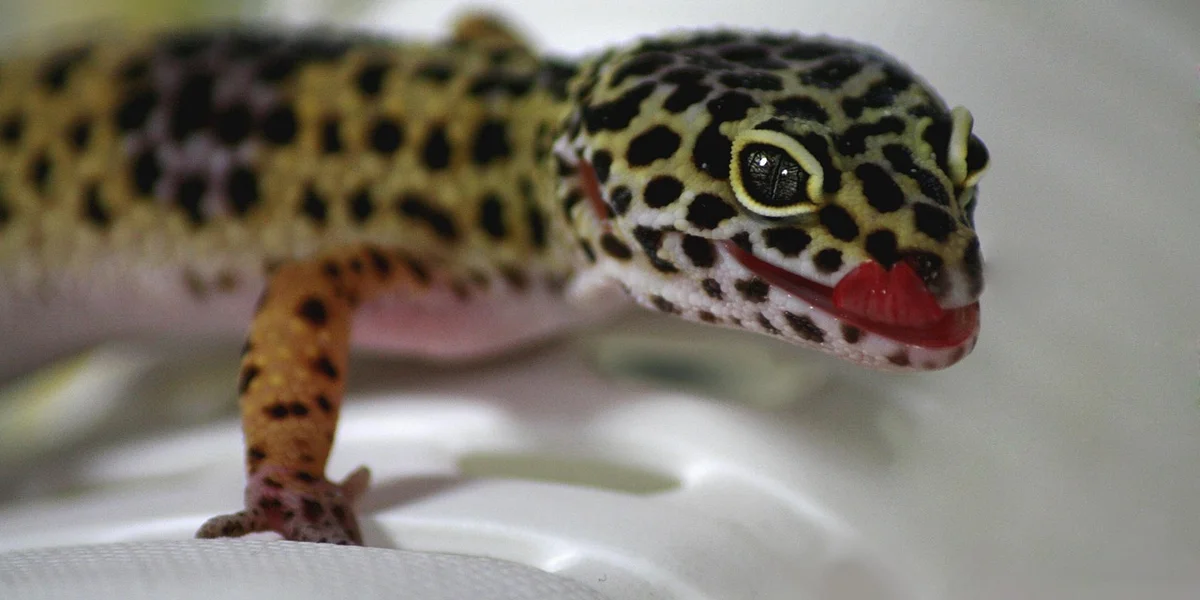
Geckos are masters at hiding illness, a survival instinct from the wild. You must become a dedicated detective, watching for subtle changes that signal a problem. I learned this the hard way when my leopard gecko, Griffey, went from energetic to lethargic in just 48 hours. That kind of careful noticing is exactly what the understanding gecko behavior and temperament complete guide helps you master. It walks you through temperament, daily behavior, and the subtle cues that signal comfort or distress.
Here are the red flags that mean you should call the vet:
- Sudden Weight Loss: A thin tail or visible hip bones are major warning signs.
- Lethargy and Weakness: If your gecko stops exploring and seems too tired to move.
- Stuck Shed: Especially around the toes, eyes, or tail tip, as this can lead to loss of the appendage.
- Runny, Discolored, or Smelly Stool: Their droppings tell a vivid story about their gut health.
- Loss of Appetite: Skipping one meal is okay; refusing food for a week is a crisis.
- Labored Breathing: You might hear clicking sounds or see their body heaving.
- Lumps, Bumps, or Swelling: Any abnormal physical growth needs professional assessment.
Wellness check schedule
Just like you see a doctor for a physical, your gecko benefits from routine vet care. Proactive wellness visits are your best defense against expensive emergency bills later. My crew all get their annual check-ups, and it gives me immense peace of mind. Does a complete gecko veterinary care plan include all of this? It usually covers routine wellness exams, testing as needed, parasite prevention, and a clear ongoing care schedule.
Follow this simple schedule:
- Annually: Every gecko should have a routine wellness exam once a year.
- After Acquisition: Schedule a visit within the first two weeks of bringing a new gecko home.
- Before and After Brumation: If your gecko goes through a winter slow-down, a check-up is wise.
Finding the Right Exotic Vet
How to search for a vet
Not every vet is qualified to treat reptiles. Your regular dog-and-cat veterinarian is likely not equipped to handle a gecko’s unique biology. When should you take your gecko to an exotic vet? If your gecko isn’t eating, is lethargic, or has trouble breathing, book an appointment promptly. Finding a true exotic specialist is non-negotiable for your pet’s welfare.
Use these methods to find a qualified professional:
- Search the Association of Reptilian and Amphibian Veterinarians (ARAV) website for a directory of members.
- Ask for referrals from local reptile stores, breeders, or herpetological societies.
- Call larger veterinary hospitals and ask if they have a veterinarian on staff who specializes in exotics or reptiles.
- Search online using specific phrases like “exotic animal vet near me” or “reptile veterinarian [your city].”
What to ask during your first call
Once you have a potential clinic, a quick phone call can save you a wasted trip. This call is your screening process to ensure they have the right experience and equipment. I always have a list of questions ready when I call a new vet.
Here is your essential checklist of questions:
- “What percentage of your practice is dedicated to reptiles or exotic pets?”
- “Do you have a specific veterinarian who sees most of the reptile patients?”
- “What diagnostic tools do you have on-site for a small reptile, like an X-ray or ultrasound machine?”
- “Can you walk me through your typical process and estimated cost for a new gecko wellness exam?”
- “What is your protocol for after-hours exotic pet emergencies?”
FAQs
What is the typical cost for treating a gecko with metabolic bone disease?
Treatment for metabolic bone disease can range from $100 to $300, covering supplements, dietary adjustments, and potential follow-up visits.
How can I prepare my gecko for its first vet visit to minimize stress?
Use a small, secure carrier with familiar bedding and limit handling before the appointment to keep your gecko calm.
Are there any vaccines required for geckos?
Geckos do not need vaccinations, but annual wellness exams are crucial for early detection of health issues.
What is the cost of a follow-up visit after initial treatment?
Follow-up visits often cost between $30 and $60, depending on the clinic and the complexity of the case.
How do I handle my gecko after a vet procedure to ensure proper recovery?
Place your gecko in a quiet, warm habitat and strictly adhere to the vet’s post-care instructions for medication and feeding.
Final Words
Ultimately, a standard check-up will likely run you between $50 and $150, but you must budget for surprises like parasites or infections. The best financial strategy is to anticipate these costs and have a dedicated savings fund for your scaly friend’s health. Always call ahead for estimates and remember that an exotic vet is a non-negotiable part of good gecko ownership.
Caring for a gecko is a long-term commitment that extends far beyond the vet’s office. We owe it to our pets to be lifelong students of their care, constantly improving their habitat, diet, and overall well-being. Your proactive attention is the greatest gift you can give your gecko for a long, healthy, and happy life.
Further Reading & Sources
- r/leopardgeckos on Reddit: How much have your past trips to the vet cost?
- FYI: Veterinary care costs | Gecko Forums
- How Much Do Leopard Geckos Cost? (2025)
The Gecko Guide is your ultimate resource for gecko enthusiasts, providing expert advice and practical tips to ensure the health and happiness of your scaly companions. Alexander is a passionate gecko owner with over a decade of experience in reptile care. We are dedicated to offering accurate, up-to-date information to support your gecko journey.Our mission is to foster a community of responsible gecko owners who are passionate about the well-being of these fascinating creatures.
Preventative Care & Vet Visits