
How to Calculate the True Lifetime Cost of Owning a Gecko
Published on: February 22, 2026 | Last Updated: February 22, 2026
Written By: Alexander 'Gecko Geek' Johnson
That little $40 price tag on the gecko at the pet store is a trap, and if you’re not careful, it can lead to some serious financial-and emotional-strain. I learned this the hard way with my first leopard gecko, Griffey. The initial cost is just the tip of the iceberg.
I’ve cared for everything from energetic Leopard Geckos to arboreal Crested Geckos, and I’m here to help you budget properly. We’ll break down the real, long-term investment so there are no surprises. The key areas we’ll cover are:
- The full, upfront setup cost versus the recurring monthly expenses.
- The often-overlooked but critical cost of veterinary care and emergencies.
- How a gecko’s species and lifespan dramatically change the total price.
You’ll get a clear, honest roadmap to plan for your new pet’s entire life. This article covers: initial enclosure setup, monthly food and supply costs, substrate and habitat maintenance, veterinary care and insurance, and calculating a total 10-20 year cost projection.
Step 1: Pick Your Gecko Species
Your first and most critical decision is which gecko to bring home. This choice sets the financial trajectory for the next 15-20 years, so it’s not one to take lightly. I’ve cared for several species, and their needs—and associated costs—vary dramatically. Many geckos live 15-20 years with proper care, so this is a roughly two-decade commitment. Make sure you’re ready to provide care for that entire lifespan.
Compare Costs for Common Pet Geckos
Think of this as choosing between a low-maintenance sedan and a high-performance sports car. One has predictable running costs, while the other requires premium fuel and specialized parts.
Leopard Gecko Price and Care Expenses
A standard Leopard Gecko like my Griffey might cost $40-$100. They are terrestrial, so their enclosure is wider than it is tall. The real budget-saver with Leopard Geckos is their simple heating requirement-just an under-tank heater, no expensive UVB bulbs needed. Their insect-only diet is consistent, but you must budget for a continuous supply of live crickets or mealworms. For a clean, reliable setup, stock essential leopard gecko care supplies: a secure enclosure with appropriate substrate, hides, a thermometer and hygrometer, and a thermostat-controlled under-tank heater.
Crested Gecko Price and Care Expenses
Expect to pay $50-$150 for a Crested Gecko, similar to my Jeter. Their major financial advantage is diet. I save a significant amount monthly by feeding Jeter a prepared powdered diet-you just mix it with water. The trade-off? They are arboreal and need a tall enclosure packed with climbing branches and foliage, which is a larger initial investment. They also thrive at room temperature, eliminating heating costs for many owners. Beyond the upfront enclosure costs, expect ongoing monthly expenses for substrate, vitamins, and refills of the powdered diet. Over time, those recurring costs can add up and should be factored into the total cost of ownership.
Gargoyle Gecko and Other Species Costs
Gargoyle Geckos, like my energetic Mookie, sit in a similar price and care bracket to Crested Geckos ($70-$200). Their unique expense often comes from their more specific humidity needs, sometimes requiring more advanced misting systems. These ongoing costs are the hidden side of gecko ownership. From electricity and misting maintenance to bulb replacements and routine vet care, they quietly add up. For rarer species like Giant Day Geckos (my Babe), the initial purchase price can skyrocket to $300+, and their need for intense UVB lighting and precise temperature gradients makes their setup and electric bill notably higher.
Step 2: Calculate Your Initial Setup Costs
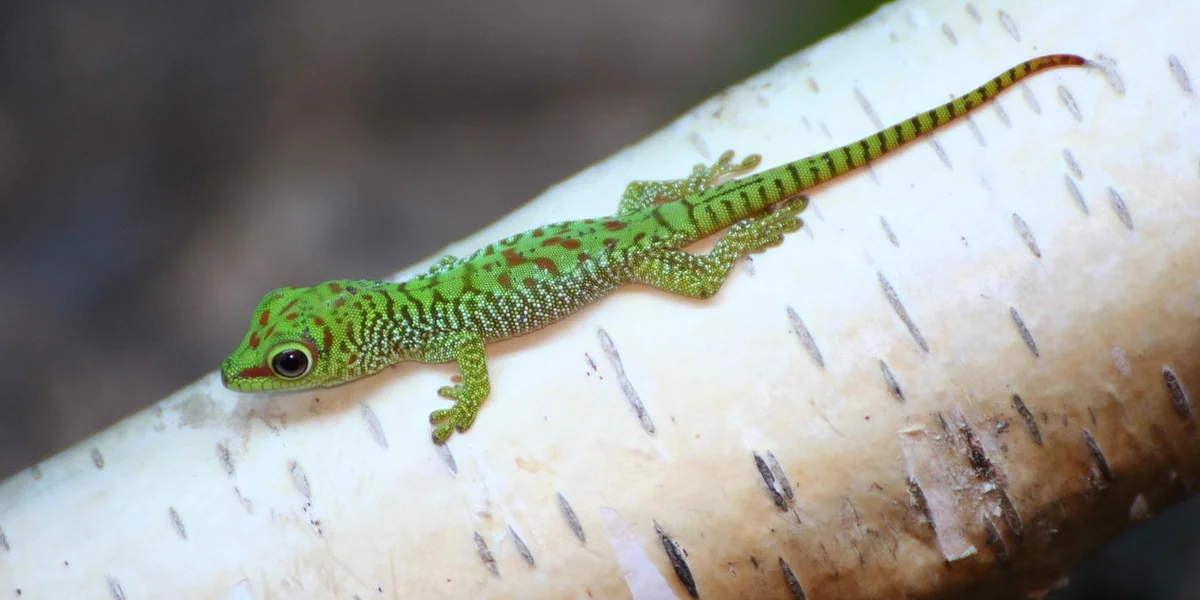
This is the big, upfront financial hit. I made the mistake of cheaping out on my first setup and ended up replacing nearly everything within a year-a costly lesson. Do it right the first time.
Essential Terrarium and Enclosure Costs
The enclosure itself is your foundation. A simple 20-gallon long tank for a Leopard Gecko might run $50-$100 on sale. For an arboreal species, a tall 18x18x24 glass terrarium can easily cost $150-$250 new. I always check for second-hand tanks, but you must disinfect them thoroughly. This is your gecko’s entire world; don’t try to squeeze them into a space that’s too small.
Heating and Lighting Equipment
- Thermostat: This is non-negotiable. A reliable thermostat to control your heat source costs $30-$80 and prevents dangerous overheating.
- Heat Mat or Lamp: An under-tank heater for a Leopard Gecko is relatively cheap ($15-$30). A basking lamp and fixture for a Day Gecko can be double that.
- UVB Lighting: Species like Day Geckos and Cresteds need specialized UVB bulbs. A good linear UVB fixture and bulb combo will set you back $50-$80, and the bulb needs replacing every 6-12 months.
Never plug a heat source directly into the wall; a thermostat is the most important safety purchase you will make.
Substrate and Cage Decor
This is where your gecko’s house becomes a home. Proper decor isn’t just aesthetic; it’s vital for your pet’s mental and physical health.
- Hides: You need at least two-one on the warm side, one on the cool side. Plan for $10-$25 per quality hide.
- Substrate: Simple paper towels cost almost nothing. A bioactive setup with drainage layers and specialized soil can be a $100+ initial project.
- Climbing & Foliage: For arboreal geckos, budget for branches, vines, and fake plants. A well-decorated tank can easily add another $50-$100 to your initial outlay.
My geckos use every single branch and hide I provide; this is not an area to cut corners. A stressed gecko is an unhealthy gecko, and vet bills are far more expensive than a piece of driftwood.
Step 3: Estimate Your Monthly Recurring Expenses
Diet and Feeding Costs
This is where your wallet feels the most consistent pinch. You cannot escape the reality that your gecko is a living creature that needs high-quality, live food to thrive. I learned this the hard way when I underestimated the appetite of my first leopard gecko, Griffey.
Live Insects and Supplements
You are not just buying bugs; you are buying nutrition. The cost isn’t just the insects themselves, but their upkeep and enhancement.
- Staple Insects: Crickets and dubia roaches are common staples. A monthly supply for one gecko can cost between $10 and $25.
- Gut-Loading Food: You must feed your insects a nutritious diet (gut-loading) 24-48 hours before feeding them to your gecko. A bag of commercial gut-load food or fresh veggies adds about $5-$10 monthly.
- Calcium and Vitamin Supplements: This is non-negotiable. A lack of supplements leads to Metabolic Bone Disease (MBD), a heartbreaking and preventable condition. You need a plain calcium powder and a calcium powder with D3. A good multivitamin is also essential. These initial purchases last a while, but budgeting $5-$10 monthly for replenishment is smart.
My crested gecko, Jeter, gets a specialized powdered diet that mixes with water, which simplifies his feeding and costs me about $15 a month. Your species will dictate your primary food source and its associated cost.
Cleaning and Maintenance Supplies
A clean tank is a healthy tank. Skipping on this to save money will lead to vet bills.
- Substrate Spot-Cleaning: For loose substrates, a small sifter or scoop is a one-time purchase. For paper towel or shelf liner users, the monthly roll cost is minimal, maybe $3-$5.
- Deep Clean Solutions: You need a reptile-safe disinfectant. A bottle of F10SC or a similar veterinary-grade disinfectant is a powerhouse. It seems pricey upfront at around $20-$30, but it dilutes heavily and lasts for months, making the monthly cost negligible.
- Odor Control & Water Conditioner: If you have a bioactive setup, you might buy springtails and isopods occasionally. For all setups, a water conditioner to remove chlorine from misting and drinking water is a good practice, costing pennies per month.
Setting aside $15-$20 monthly for the combined cost of food and cleaning covers your bases and prevents unpleasant surprises. It feels manageable when you plan for it.
Step 4: Plan for Veterinary and Medical Care
This is the part most new owners cross their fingers and hope to avoid. Hope is not a strategy, and a sick gecko deserves professional care just like a cat or dog. I’ve had to make that emergency vet trip, and I was grateful I had a fund ready. If you know the signs that your gecko needs to see a vet immediately, you can act quickly and potentially save a life.
Routine Check-up and Preventative Costs
Think of this as cheap insurance.
- Annual Wellness Exam: A routine check-up with an exotic vet can cost between $50 and $100. This visit can catch minor issues like parasitic loads or early signs of illness before they become critical.
- Fecal Exams: Many vets recommend an annual fecal exam to check for internal parasites. This typically costs $25-$45. It’s a simple test that can prevent a world of trouble.
Budgeting $100-$150 annually for routine vet care is a responsible and caring part of ownership. It gives you peace of mind and establishes a relationship with a vet before an emergency happens.
Emergency Medical Expenses
Geckos are masters at hiding illness until they are very sick. When they show symptoms, it’s often an emergency.
- Common Emergencies: Impaction from ingested substrate, severe respiratory infections, tail loss that gets infected, or advanced MBD.
- Cost Range: An emergency visit, diagnostics (like X-rays), medications, and follow-ups can easily run from $200 to over $500. Complex cases or surgery can reach $1,000.
The single best financial advice I can give you is to start a “Gecko Emergency Fund” and contribute to it monthly. Even $10 or $20 a month adds up and can mean the difference between being able to afford life-saving treatment and having to make an impossible decision.
Step 5: Factor in Utilities and Replacement Parts
Electricity Costs for Heating and Lighting
Your gecko’s comfort is non-negotiable, and that means running equipment 24/7. This is a cost many new owners forget to budget for. You’re not just paying for the bulb; you’re paying for the energy that keeps it glowing and warm.
I track the wattage of each device. My leopard gecko Griffey’s 50-watt heat mat and 15-watt UVB light run constantly. Using a simple online electricity cost calculator, I found this adds about $5 to $8 to my monthly bill. For a year, that’s an extra $60 to $100 you need to plan for, just to keep your pet alive and healthy.
Here’s a quick breakdown of common energy users:
- Under Tank Heaters: Low wattage but run constantly.
- Ceramic Heat Emitters: Higher wattage; a major contributor to cost.
- UVB Lights: Lower wattage but have a strict replacement schedule.
- LED/Daylight Lamps: Minimal energy draw.
Replacement Parts and Annual Maintenance
Terrariums aren’t static displays; they are living systems that need upkeep. Things wear out, get dirty, or simply need a refresh for your gecko’s mental stimulation.
I set a calendar reminder for a full terrarium deep-clean every six months. This is when I assess everything. An annual “refresh” fund of around $75 covers the unexpected breaks and necessary replacements that inevitably pop up.
Your annual shopping list will likely include:
- Substrate: A fresh batch 2-3 times a year.
- Hides & Décor: Plastic can warp, wood can mold, and things just get worn out.
- Thermostat Probes: These can fail and are critical for safety.
- Digital Thermometers/Hygrometers: Battery replacement or unit failure.
- Spray Bottles: They just seem to disappear or break, don’t they?
Step 6: Add It All Up for the Lifetime Total
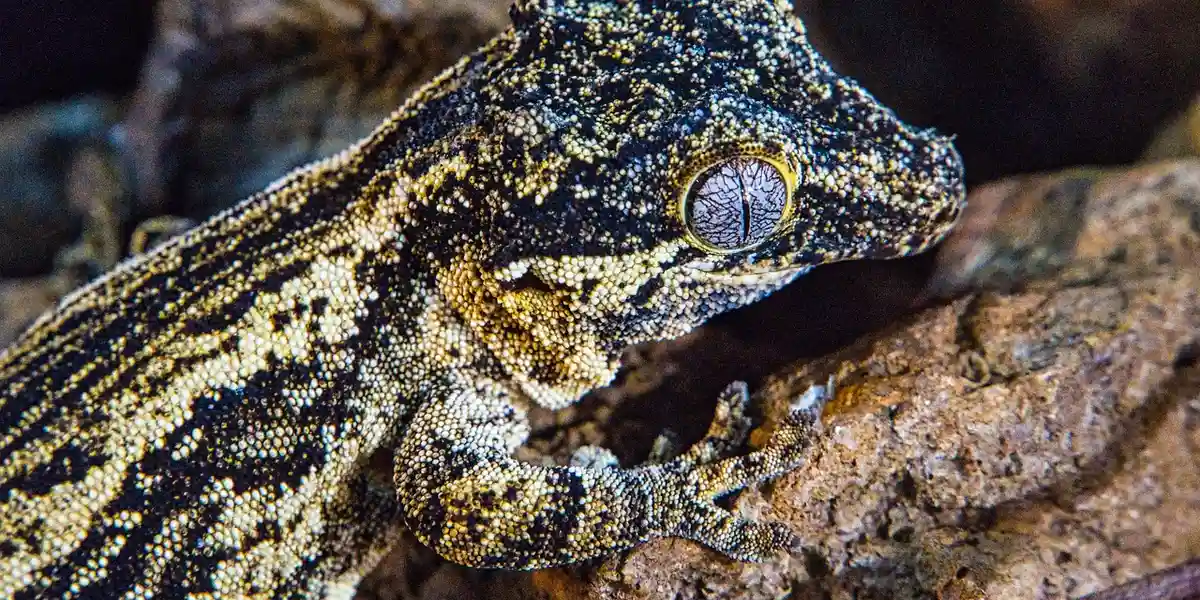
Simple Formula for Lifetime Cost Calculation
Now for the moment of truth. Adding everything together gives you the real picture. Don’t be scared by the number-being prepared is a act of love for your pet.
The formula I use is straightforward:
(Initial Setup Cost) + (Annual Cost x Gecko’s Lifespan) = True Lifetime Cost
Your “Annual Cost” is the sum of Food, Vet Care, Utilities, and Replacement Parts. Leopard geckos often live 15+ years, while a Crested Gecko can surpass 20!
Real-World Example with Numbers
Let’s use my gecko, Griffey, a Leopard Gecko with an expected lifespan of 15 years, as a real-world example. This makes the math very clear. By comparing Griffey’s 15-year lifespan with other gecko species, we can see how long different geckos live. This frames the broader gecko lifespan comparison.
- Initial Setup: $350 (Tank, heat mat, thermostat, hides, etc.)
- Annual Food: $120 ($10 per month for insects & supplements)
- Annual Vet Fund: $100 (For check-ups and a emergency buffer)
- Annual Utilities: $80 (For his heat and light)
- Annual Replacements: $75 (For substrate, décor refreshes)
His total annual cost is $375 ($120 + $100 + $80 + $75).
Now, the lifetime calculation: $350 + ($375 x 15 years) = $5,975
Seeing a number close to $6,000 is a reality check. This total isn’t meant to scare you away, but to empower you to budget responsibly for your future scaly friend.
Smart Ways to Reduce Your Overall Costs
Owning a gecko doesn’t have to drain your bank account. With a little creativity and smart shopping, you can provide a fantastic home for your pet without sacrificing quality. I’ve raised everything from my energetic leopard gecko, Griffey, to my calm crested gecko, Jeter, on a sensible budget. If you’re gearing up for a new gecko, here’s the ultimate shopping list—everything you need for a new pet. Plan ahead with enclosure basics and daily care essentials.
DIY Solutions and Budget-Friendly Tips
Some of the best enclosure items aren’t bought in a store. Getting crafty can save you a significant amount of money and add a personal touch to your habitat. My geckos have always enjoyed their homemade hides just as much as the expensive store-bought ones.
- Create Your Own Hides: Clean, plastic food containers (like yogurt or deli cups) are perfect. Simply cut a smooth-edged entrance hole. For a more natural look, use a safe, non-toxic sealant to cover them with substrate or cork bark.
- Repurpose Household Items: Small ceramic plant pots and mugs (with a chip for an entrance) make excellent, heavy hides that are difficult to tip over. My territorial fat-tailed gecko, A-Rod, loves the privacy of his upside-down terracotta pot.
- Make Your Own Clutter: Rinse and bake branches from your yard (hardwoods like oak or maple) at 250°F for an hour to sterilize them. This provides free and natural climbing structures.
- Buy Food in Bulk: For insect-eating species, purchasing feeder insects like crickets or dubia roaches in larger quantities online is far cheaper than buying them weekly from a pet store.
- Start a Breeding Colony: If you have multiple insectivores, consider a small dubia roach colony. It’s a small upfront cost for a self-sustaining, free food source.
Where to Find Affordable Supplies
Knowing where to look is half the battle. You can find high-quality, safe supplies without paying premium pet-store prices if you know the right places to search. I’ve outfitted entire enclosures for the cost of one “kit” from a big-box store.
- Check Reptile-Specific Resale Groups: Facebook groups and websites like FaunaClassifieds are goldmines. People often sell entire setups, including tanks, thermostats, and decorations, for a fraction of the original price when they upgrade or leave the hobby.
- Don’t Overlook Thrift Stores: You can find sturdy glass aquariums, ceramic decor, and even unused bags of substrate for pennies on the dollar. Just be sure to sanitize everything thoroughly with a reptile-safe disinfectant.
- Shop Online Retailers: Compare prices between major online reptile supply companies. They frequently have sales and package deals that local stores can’t match, especially on bigger items like thermostats.
- Visit Local Reptile Expos: This is my favorite way to shop. You can meet breeders, see products in person, and often negotiate prices. I found my gorgeous gargoyle gecko, Mookie, at an expo for a great price.
- Prioritize Your Spending: Never, ever cheap out on the thermostat for your heat source-this is a non-negotiable safety device. It’s better to buy a used tank and a brand-new, reliable thermostat than a fancy new enclosure with a poor-quality heat regulator.
FAQs
What is the most expensive part of setting up a gecko enclosure?
The terrarium itself, especially for arboreal species requiring tall glass tanks, often represents the largest initial expense.
How much should I budget for gecko food each month?
Plan to spend between $10 and $25 monthly on live insects, supplements, and specialized diets, depending on your gecko’s species. Regarding feeding, how much to give your leopard gecko depends on its age and size. Watch their appetite and adjust portions to keep them at a healthy weight.
Why is it important to have an emergency vet fund for a gecko?
Geckos can hide illnesses until they become critical, making an emergency fund essential for covering sudden veterinary costs that can exceed $200. Plan ahead by building a dedicated gecko veterinary fund. Even small monthly contributions add up to cover emergencies.
Final Words
Calculating your gecko’s true lifetime cost boils down to this simple formula: add the initial setup and animal price to the annual recurring costs, then multiply that by your gecko’s potential lifespan. Also budget your gecko’s annual veterinary care as part of the recurring costs, including routine wellness visits, preventive treatments, and any necessary lab work. Never forget to budget for an emergency vet fund; from my own experience, that single line item is what separates a prepared owner from a panicked one.
Committing to a gecko means committing to its entire, wonderful life, and that responsibility extends far beyond your wallet. Continue learning, ask questions in our community, and always strive to provide an environment where your scaly friend can truly thrive.
Further Reading & Sources
- Pet Gecko Guide: What You Need To Know – A-Z Animals
- r/leopardgeckos on Reddit: How much does a gecko cost?
- Leopard Gecko Price (All Expected Buying & Keeping Expenses)
The Gecko Guide is your ultimate resource for gecko enthusiasts, providing expert advice and practical tips to ensure the health and happiness of your scaly companions. Alexander is a passionate gecko owner with over a decade of experience in reptile care. We are dedicated to offering accurate, up-to-date information to support your gecko journey.Our mission is to foster a community of responsible gecko owners who are passionate about the well-being of these fascinating creatures.
Initial Costs & Budgeting