
Incubating Gecko Eggs: A Complete Guide to Temperature-Sex Determination (TSD)
Published on: February 28, 2026 | Last Updated: February 28, 2026
Written By: Alexander 'Gecko Geek' Johnson
You have a clutch of beautiful gecko eggs, but the thought of getting the temperature wrong and ending up with a gender you didn’t plan for is keeping you up at night. I’ve been there, nervously checking my incubator with my first leopard gecko clutch. It’s a common worry, but with the right knowledge, you can confidently influence the outcome.
I’m here to help you master the process. This guide will walk you through everything, from setting up your incubator to caring for your hatchlings. We’ll focus on three key takeaways:
- How temperature directly dictates whether you get male or female hatchlings.
- The simple, affordable setup you need for consistent, successful results.
- The most common mistakes breeders make and how you can easily avoid them.
You will get clear, step-by-step advice based on proven science and my own hands-on experience raising geckos like my energetic leopard gecko, Griffey. We will cover: temperature parameters for different species, incubation setup and equipment, egg collection and handling, monitoring development, and hatchling care.
Understanding Temperature-Sex Determination in Geckos
Think of Temperature-Sex Determination, or TSD, as nature’s thermostat for your future geckos. Instead of chromosomes deciding if an egg becomes male or female, the temperature you maintain during incubation makes the final call. It’s a fascinating process where you, as the caretaker, have a direct hand in the outcome.
The developing embryo is incredibly sensitive to its thermal environment. Specific temperature ranges trigger the development of either male or female reproductive anatomy. Getting this temperature wrong doesn’t just change the sex; it can lead to unhealthy hatchlings or even failed eggs. It’s a delicate balance that requires your full attention.
Many popular pet geckos operate on this system. For Leopard Geckos, the general ranges are well-documented:
- 79-82°F (26-28°C): This cooler range will almost always produce females.
- 85-87°F (29-31°C): This is a mixed, unpredictable range that can yield both sexes.
- 88-90°F (31-32°C): This warmer range is known for producing a high percentage of males.
Translating these figures to a home tank means giving your gecko a temperature gradient rather than a single temperature. In the enclosure, aim for a warm basking area around 88-90°F (31-32°C) and a cooler zone around 79-82°F (26-28°C) to support healthy thermoregulation.
I learned this firsthand with my Leopard Gecko, Griffey. I incubated a clutch at a steady 80°F, hoping for a group of females. Sure enough, every single one of the five healthy hatchlings was female, a powerful and personal confirmation of how TSD works in a real-world scenario. It was a moment that truly cemented my understanding of this incredible biological process.
Gathering Your Incubation Equipment
You don’t need a lab to successfully incubate gecko eggs, but you do need reliable tools. Consistency is your ultimate goal, and the right equipment is how you achieve it. A sudden spike or drop can be disastrous, so invest in quality from the start. In the ultimate gecko egg incubation guide, mastering temperature, humidity, and substrate is essential. This guide helps you dial those factors in for reliable hatch success.
Here is your essential incubation toolkit:
- Incubator: A dedicated reptile incubator is best, but other options exist.
- Digital Thermometer: Do not rely on analog dials. You need a precise digital readout.
- Hygrometer: This measures humidity, which is just as critical as temperature for healthy development.
- Incubation Substrate: Vermiculite or perlite mixed with water is the safe, standard choice.
- Sealed Containers: Small deli cups or Tupperware with tiny air holes to hold the eggs and substrate.
Before you place a single egg inside, you must calibrate your setup. Run your incubator empty for at least 24-48 hours to ensure it holds a stable temperature. Place your digital thermometer probe right where the eggs will be. Trust me, the temperature reading on the incubator’s display and the temperature at the egg level can be surprisingly different.
If a commercial incubator isn’t in the budget, a DIY method can work. I successfully hatched my first Crested Gecko, Jeter, using a simple “shoebox incubator”-a well-insulated styrofoam cooler with a heat mat on the side regulated by a thermostat. The key is that thermostat; a naked heat mat is far too unpredictable and dangerous. That same DIY setup can be adapted to a homemade leopard gecko egg incubator. With careful temperature and humidity control, it’s a cost-effective option for hatching leopard gecko eggs.
Safety must be your priority. Always use a thermostat with any heat source, keep electrical cords away from moisture, and place your setup in a stable, fire-safe location. The goal is to create life, not risk it. A little caution goes a very long way in this rewarding hobby.
Setting Up the Perfect Incubation Environment
Creating a stable nursery for your gecko eggs is the single most important factor for success. I’ve found that a meticulous setup prevents 90% of the common problems new breeders face. Let’s build that perfect environment together. From here, we’ll dial in the exact breeding enclosure for your geckos. A well-planned enclosure ensures reliable incubation and healthier hatchlings.
Creating Stable Temperature and Humidity
Temperature dictates the sex of your hatchlings, while humidity keeps them alive. You need to control both with precision.
- Choose Your Incubator: A simple, reliable Hovabator-style incubator works perfectly for most hobbyists. I’ve used one for years.
- Calibrate Your Heat: Never trust the incubator’s built-in thermostat alone. Always use a separate, high-quality digital thermostat with its probe inside the incubation box to prevent deadly temperature swings.
- Achieve the Gradient: Don’t heat the entire incubator. Place the heat mat on one side (usually the top or back) of the incubator. This creates a subtle gradient, allowing you to fine-tune the spot where your eggs sit.
- Dial in Humidity: For most species, aim for 80% humidity. I achieve this by using a 1:1 ratio by weight of vermiculite to water for my substrate. It should feel moist but not drip water when squeezed.
Egg Placement and Handling
How you place the eggs is non-negotiable. Once laid, gecko eggs must never be rotated or turned. The embryo attaches to the top of the shell, and flipping it can drown it. After mating, knowing the egg-laying and incubation basics is essential. Keep temps and humidity stable, and monitor the eggs closely.
- Gently dig up the eggs, being careful not to roll them.
- With a pencil, make a very small, faint “X” on the top surface. This is your guide.
- Bury each egg about halfway into your prepared incubation medium, ensuring the “X” remains facing up.
- Space eggs at least an inch apart to prevent a single moldy egg from contaminating its neighbors.
Mastering Moisture Control
Get the moisture wrong, and you’ll see two things: shriveled eggs or fuzzy mold. Checking your eggs every other day for moisture levels is a ritual that pays off.
- If eggs start to dimple or shrink, the air is too dry. Lightly mist the inside walls of the incubation container, not the eggs directly.
- If you see condensation dripping from the lid, it’s too wet. Wipe the lid dry and crack it open for a few hours to allow excess moisture to escape.
- Prevent mold by ensuring good air circulation. I punch a few small holes in my deli cup lids, which allows for a slow, steady air exchange.
Using Data Logging for Consistency
Your memory is not a scientific instrument. A simple WiFi-enabled data logger is the best investment I’ve made for peace of mind. It tracks temperature and humidity 24/7 and sends alerts to my phone if anything goes outside my set parameters. This is especially crucial for temperature-sex determination, where a few degrees over a day can alter your results.
The Step-by-Step Incubation Process
Now that your eggs are safely tucked in, it’s a waiting game. But it’s not a passive one. This timeline will guide you from the exciting find to the magical moment of hatching.
Incubation Timeline
Incubation duration is primarily dependent on temperature. Warmer temperatures generally mean faster development.
- Leopard & Fat-Tailed Geckos: 35 to 90 days. At 80-82°F (27-28°C), expect the longer end of the range.
- Crested & Gargoyle Geckos: 60 to 120 days. They are typically incubated at room temperature, around 72-78°F (22-26°C).
My leopard gecko, Griffey, hatched in 48 days at 88°F (31°C), while my crested gecko, Jeter, took a full 95 days at room temp.
The Delicate Art of Venting Eggs
Venting-making a small hole in the egg-is a controversial topic. I only recommend venting if you see a healthy, full-term baby struggling to pip for more than 48 hours.
- Candle the egg to locate the baby’s head. It will be in the air cell at the top of the egg.
- Using fine-tipped tweezers or a sharp craft blade, gently pick at a tiny piece of the shell, creating a pinhead-sized hole.
- Do not pull or tear the membrane underneath. Let the baby break through that itself.
- If fluid leaks, stop immediately. You’ve gone too deep. Place the egg back and hope the baby recovers.
I had to vent one of Jeter’s eggs, and it was nerve-wracking. The baby was fine, but it’s a last resort, not a standard practice.
Your Weekly Incubation Checklist
A quick, consistent routine prevents you from over-handling the eggs.
- Daily: Glance at your data logger readings. Ensure the incubator light is on (if applicable).
- Every 3 Days: Check for condensation and egg shrinkage. Perform minor moisture adjustments if needed.
- Weekly: Candle the eggs in a dark room to check for veins and embryo development. Discard any clear, yellow, or moldy eggs that show no signs of life.
Signs of Healthy Growth vs. When to Step Back
It’s tempting to interfere, but nature usually knows best.
- Healthy Signs: A network of pink or red veins when candled. The egg will gradually plump up and may develop a chalky, white patch. Close to hatching, you might see the baby moving inside!
- Hands-Off Signs: The egg dimples slightly right before hatching (this is normal). The baby has pipped but hasn’t emerged. Do not try to help it out. The absorption of the yolk sac is a critical process, and pulling a baby out can cause fatal internal damage. My rule is: if it’s not moldy or collapsed, leave it alone.
Troubleshooting Common Incubation Issues
Even with perfect preparation, things can go sideways. Spotting these problems early is your best defense against losing a whole clutch.
Frequent Problems and Their Fixes
- Temperature Fluctuations: Your incubator’s reading is jumping around. This stresses embryos and can cause developmental delays or malformations. Always use a digital thermometer with a probe right next to the eggs for an accurate reading. If your incubator is cheap or old, consider placing it in the most temperature-stable room in your house, away from vents and windows.
- Low Humidity: The incubation medium feels dry, or the eggs are starting to dimple and collapse. This is a critical emergency. Gently add a small amount of warm, dechlorinated water to the corner of the incubation tub, letting the substrate draw it in. Avoid pouring water directly onto the eggs.
- Mold Growth: You see fuzzy white or green spots on the substrate or egg surface. This often means it’s too wet. Increase ventilation slightly by poking a few more tiny holes in the tub’s lid, and carefully wipe any mold off the eggshell with a dry, soft Q-tip.
Handling Hatch Failures and Delays
If an egg goes bad, it will often turn yellow, collapse dramatically, or smell foul. Remove it immediately to protect the others. A delay in hatching can be nerve-wracking. Do not try to help the hatchling out of the egg. The absorption of the yolk sac is a critical process, and interfering can cause fatal bleeding. If it’s been 48 hours since the first pip (the initial crack), a tiny increase in humidity might help soften the shell, but patience is your most important tool.
Adjusting for Species and Egg Condition
Not all gecko eggs are created equal. Crested Gecko eggs are notoriously leathery and resilient, while Leopard Gecko eggs feel like delicate, chalky ping-pong balls. For more fragile eggs, handle them even less and ensure the humidity is spot-on to prevent shell hardening. A slightly wrinkled egg might just need a humidity boost, while a severely collapsed one is often a lost cause. When you compare leopard gecko eggs to crested gecko eggs, you’ll see clear differences in appearance and care. Knowing these helps you tailor humidity, handling, and incubation for each species.
A Personal Story: The Case of Griffey’s Clutch
I’ll never forget one of my first Leopard Gecko clutches from my gecko, Griffey. Halfway through incubation, my old incubator’s thermostat failed, and the temperature spiked. I found the eggs looking distressed. I immediately moved them to a backup incubator I had luckily prepared. I lost two eggs, but the rest survived. That experience taught me the non-negotiable value of having a backup plan and constantly verifying your equipment. It was a tough lesson in vigilance.
Caring for Hatchlings and Determining Sex
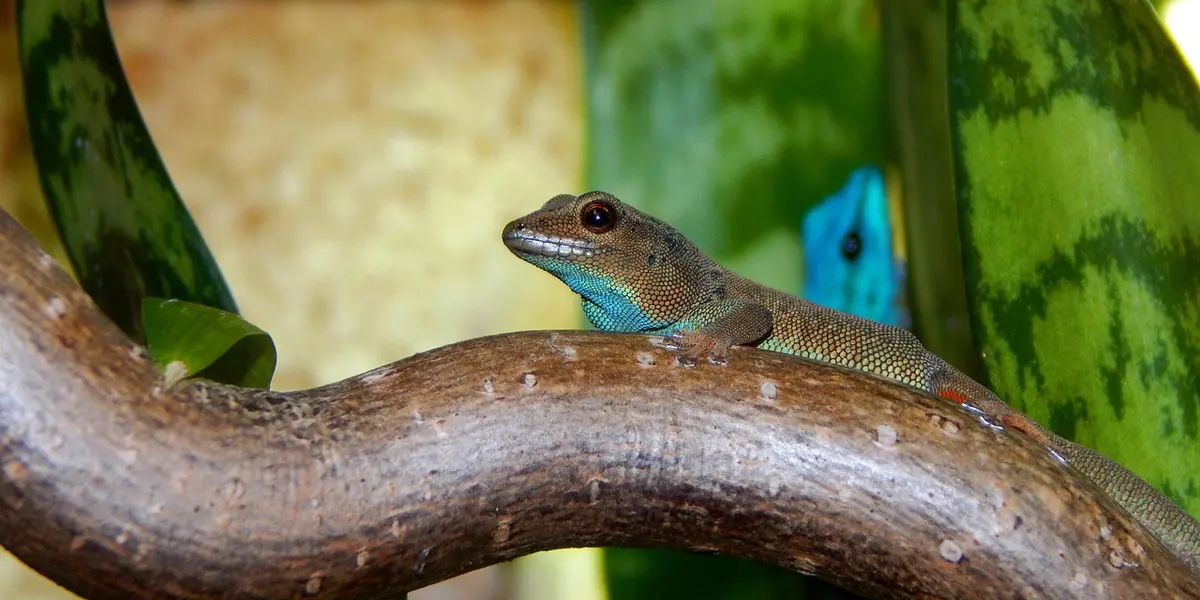
That moment when a tiny head emerges is pure magic. Now, your job shifts from incubator manager to neonatal gecko caretaker.
Initial Hatchling Care
- Housing: Keep hatchlings in simple, small enclosures. I use 6-quart plastic tubs with plenty of ventilation holes. Simple paper towel substrate is safest for the first few months, preventing accidental ingestion of loose particles. Include a tiny hide and a shallow water dish.
- Feeding: Offer food 24-48 hours after their first shed. Start with pinhead crickets or tiny dubia roach nymphs, dusted lightly with calcium supplement. Their stomachs are about the size of their eye, so don’t overfeed.
- Handling: Limit handling to essential tank maintenance for the first few weeks. Let them settle in and grow strong before you start any gentle, short-duration handling sessions.
How to Sex Your Hatchlings
You can’t determine sex the second they hatch. You need to wait until they are a bit more developed, usually around 3-4 weeks old and 5-6 grams in weight.
- For Leopard and Fat-Tailed Geckos: Look at the underside of the base of the tail. Males will show a distinct “V”-shaped row of pre-anal pores and noticeable bulges (hemipenal bulges). Females lack the prominent bulges and have barely visible pores.
- For Crested and Gargoyle Geckos: It’s trickier. Males develop a very clear bulge at the tail base. Females have a flat profile there. When in doubt, it’s best to wait a little longer or consult an experienced breeder.
Temperature and Sex Ratio Outcomes
This is the fascinating part of TSD. With my geckos, I’ve seen the results firsthand. Incubating at the cooler end of the spectrum (79-82°F) for Leopard Geckos gave me almost all female hatchlings. Pushing to the warmer end (88-90°F) resulted in a heavily male-biased clutch. In leopard geckos, incubation temperature determines sex of the hatchlings. So while you can influence the male-to-female ratio, the priority is healthy development through proper incubation ranges. This knowledge lets you plan your breeding projects, but always prioritize healthy incubation ranges over targeting a specific sex.
Gentle Care and Ethical Rehoming
These tiny lives are your responsibility. Always handle them with the utmost care, as they are incredibly fragile. If you end up with more hatchlings than you can properly house and care for, please rehome them ethically. Screen potential owners carefully, ask about their setup, and be willing to take a gecko back if the situation isn’t right. Their welfare must always come first.
Ethical Breeding and Record-Keeping Best Practices
Breeding geckos is a serious responsibility, not just a fun experiment. I firmly believe the animals’ welfare must always come before our desire to produce a specific color or pattern. I’ve made the difficult choice to pause breeding one of my females, Jeter, because she wasn’t gaining weight back properly. Her health is simply more important than any potential offspring. This mindset aligns with the ethically responsible geckos breeders checklist. Following it helps ensure welfare, health monitoring, and transparent decision-making in every breeding choice.
Your Ethical Breeding Checklist
- Only breed healthy, mature adults with good body weight.
- Plan for every possible hatchling’s long-term home before you incubate the eggs.
- Never over-breed your females; give them seasons of complete rest.
- Cull humanely if necessary, and have a plan for any special-needs hatchlings.
Tracking Your Incubation Data
Accurate records are your best friend. This simple log transforms guesswork into a repeatable, scientific process. I use a notebook right by my incubator to jot down daily readings. Consistency is what gives you reliable results year after year.
| Clutch ID | Date Laid | Incubation Temp (°F) | Temp Fluctuation | Hatch Date | Sex Result | Notes |
|---|---|---|---|---|---|---|
| A-Rod #1 | 04/15/2024 | 82.5 | ± 0.3°F | 06/10/2024 | Female | Healthy weight, great feeder |
| Babe #2 | 05/01/2024 | 88.0 | ± 0.5°F | 07/01/2024 | Male | Vibrant color, slightly smaller |
Navigating Legal and Responsible Ownership
Laws aren’t just red tape; they protect animals and ecosystems. Always check your local and state regulations concerning the breeding and sale of reptiles. Some areas require permits, and it is illegal to sell juvenile geckos in certain places. Be transparent with buyers about the gecko’s genetics and health history. Never release captive-bred animals into the wild.
Growing With the Community
We all get better when we share what we learn. Your detailed records are a goldmine for the entire gecko-keeping community. Post your findings on forums, discuss temperature quirks in Facebook groups, and talk to local breeders. The collective knowledge we build helps improve welfare and success rates for everyone’s animals. I’ve solved countless minor issues just by comparing notes with other owners.
FAQs
Can I change the incubation temperature after the first few weeks to influence sex?
No, the sex is determined early in incubation, and altering the temperature later may not affect the outcome and could harm the embryo’s development.
What is the best way to candle gecko eggs?
Use a small, bright LED flashlight in a dark room to shine through the eggshell and check for visible veins or embryo movement.
How do I handle a gecko egg that has been accidentally rotated?
If an egg is rotated, gently mark the new top with a pencil and avoid moving it again, as the embryo may reattach if the rotation occurred early in development.
Can I incubate gecko eggs in the same container as other reptile eggs?
It is not recommended, as different reptile species often have unique temperature and humidity needs that could compromise egg health.
What should I do if a hatchling does not shed properly?
Increase the enclosure’s humidity and provide a moist hide to assist the hatchling in completing its shed safely.
Your Gecko Breeding Journey Starts Here
Successful incubation truly boils down to two things: precise temperature control and unwavering patience. Your choice of incubation temperature directly determines your hatchlings’ sex, so using a reliable thermostat and digital thermometer is non-negotiable. Keep your setup stable, resist the urge to constantly check the eggs, and trust the process you’ve so carefully set up.
Remember, the goal isn’t just to hatch geckos, but to raise healthy, well-cared-for animals. Breeding is a serious commitment that extends far beyond the incubator. When you bring hatchlings home, start with gentle, brief handling sessions and gradually increase time as they acclimate. Safe, positive socialization helps them grow confident and stress-free. I encourage you to always prioritize the welfare of your animals, continue learning from reputable sources, and connect with our community at Gecko Pet Care to share your successes and stories.
Further Reading & Sources
- Offspring sex in a TSD gecko correlates with an interaction between incubation temperature and yolk steroid hormones – PubMed
- Latitudinal Variation in the Pattern of Temperature-Dependent Sex Determination in the Japanese Gecko, Gekko japonicus – PubMed
- Temperature-dependent sex determination in the leopard gecko, Eublepharis macularius – PubMed
The Gecko Guide is your ultimate resource for gecko enthusiasts, providing expert advice and practical tips to ensure the health and happiness of your scaly companions. Alexander is a passionate gecko owner with over a decade of experience in reptile care. We are dedicated to offering accurate, up-to-date information to support your gecko journey.Our mission is to foster a community of responsible gecko owners who are passionate about the well-being of these fascinating creatures.
Incubation & Egg Care