
How to Understand Your Gecko’s Mood for Safer Handling
Published on: March 2, 2026 | Last Updated: March 2, 2026
Written By: Alexander 'Gecko Geek' Johnson
Worried your gecko might be stressed or scared when you try to handle it? You’re not alone. Many owners struggle to read their pet’s subtle body language, which can turn a bonding session into a stressful event for everyone.
I’ve learned through years of keeping my own crew-from my energetic leopard gecko Griffey to my calm crested gecko Jeter-that understanding their mood is the single most important skill for safe handling. I will help you by breaking down the key signals to watch for. You will learn:
- How to spot the clear visual signs of a calm, curious, or stressed gecko.
- What their unique sounds and movements actually mean.
- The best ways to approach and handle them based on their current mood.
You will get clear, practical advice you can use immediately. This article covers: gecko body language, vocalization meanings, handling do’s and don’ts, and creating a low-stress environment.
Gecko Body Language 101: The Basics of Mood Interpretation
Learning to speak ‘gecko’ is the single most important skill for building a trusting relationship with your pet. Their entire world is communicated through subtle shifts in posture and movement, not vocal sounds. I’ve spent countless evenings just watching my crew, and this quiet observation has taught me everything, including insights into crested gecko behavior and body language.
Focus your attention on these four key areas to get the full story of what your gecko is feeling.
Key Body Parts to Watch
- Tail: A gecko’s tail is a mood barometer. A slow, gentle wave can mean curiosity, while a fast, twitchy flick or a raised, rigid tail is a major “back off” signal.
- Eyes: Watch those pupils! Constricted pupils in bright light are normal, but wide, dark pupils in a well-lit room can indicate stress, fear, or excitement. Slow, deliberate blinks often mean they are relaxed.
- Back & Body Posture: A flat, low-to-the-ground gecko is trying to be invisible and is scared. An arched back, especially in crested or gargoyle geckos, can be a defensive pose. A relaxed gecko will have a normal, rounded posture.
- Overall Posture: Is your gecko moving with purpose or frozen stiff? Are they exploring or hiding? The big picture of their activity level tells you a lot about their comfort.
Common Behaviors and Their Meanings
Here’s a quick cheat sheet I made for myself when I was starting out. It’s been a lifesaver.
| Behavior | What It Usually Means |
|---|---|
| Slow tail wagging | Focused, curious, or hunting |
| Fast tail twitching/vibrating | Agitated, excited, or feeling threatened |
| Licking the air or objects | “Tasting” the air to gather information about their surroundings; completely normal |
| Hiding constantly and refusing food | Stressed, ill, or going into a shed cycle |
| Freezing in place | Scared and hoping a potential threat doesn’t see them |
Consistency is your best tool for accurate mood reading. A single behavior can be misleading, but when you see a pattern over days and weeks, you’ll learn your gecko’s unique personality. My A-Rod, for example, always does a little tail vibrate before he eats-it’s not a threat, it’s just his “dinner dance.” This is the kind of nuance the Understanding Gecko Behavior aims to help you interpret. By tracking these cues over time, you’ll build a practical temperament profile for your gecko.
Calm and Content: Signs Your Gecko Is Ready for Handling
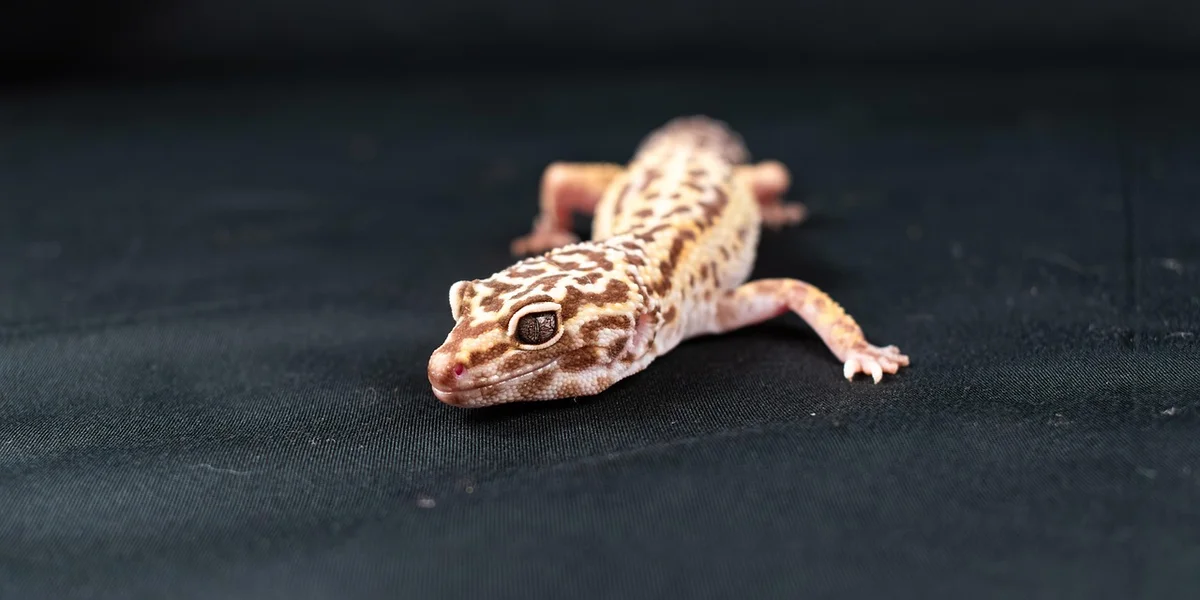
This is the green light we’re all waiting for. A calm gecko is a safe gecko to handle, for both of you. Recognizing these positive cues turns handling from a stressful event into a bonding moment.
Look for a combination of these relaxed body language signals.
- A tail that is either resting loosely or curled in a gentle, relaxed curve.
- Steady, even breathing without any puffing or tension in the body.
- Eyes that are partially closed or blinking slowly and calmly.
- A body that rests comfortably on a branch or the ground, not pressed flat or arched.
- Willingness to move around their enclosure in a slow, exploratory manner.
I see this every night with my crested gecko, Jeter. He’ll be perched on his highest branch, his tail in a soft curl, just watching the room. When I open the door, he might turn his head but doesn’t flinch. That calm, confident posture is my invitation to offer a hand for him to climb onto. It’s a world of difference from my feisty Mookie, who needs to see my hand stay perfectly still for a full minute before considering a climb!
Your “Go-Time” Handling Checklist
Before you even think about picking up your gecko, run through this mental list. If you can check most of these boxes, you’ve chosen a great time for a handling session.
- Is their tail relaxed or gently curled?
- Are their movements slow and deliberate?
- Are they out in the open or basking comfortably?
- Do they not immediately scramble away when you approach the tank?
- Are their eyes not wide with dark, dilated pupils?
Starting your handling sessions when your gecko is already calm sets everyone up for success. It builds positive associations and makes the whole experience something they may even learn to look forward to.
Stress Signals: Recognizing When Your Gecko Is Agitated or Scared
Learning your gecko’s body language is like learning a new dialect; it takes patience, but it’s the key to a trusting relationship. I’ve learned from my own crew that a stressed gecko communicates very clearly if you know what to look for. Vocalizations often accompany these signals, so listening for chirps or squeaks can reveal a gecko’s mood. In many cases, common gecko vocalizations are part of the body-language cues you’re learning.
Defensive Postures to Watch For
- Tail Flick: A slow, deliberate twitch of the tail tip is a low-level warning. A fast, whip-like flick means “back off now!” My leopard gecko, Griffey, does this when he’s had enough spotlight.
- Arched Back: This makes your gecko look bigger to scare off threats. It’s a classic defensive move, especially in cresties and gargoyles.
- Flattened Body: Your gecko is trying to become one with the surface, making itself a low, wide, and less appealing target.
- Rapid Escape Attempts: Frantic scrambling or jumping away is a pure panic response. My gargoyle gecko, Mookie, will launch himself into a leap if startled.
Mild Stress vs. Severe Fear
It’s crucial to know the difference. A single tail flick or a brief pause in movement is mild stress-your gecko is just a bit unsure. Severe fear is a combination of signals: a flattened body, rapid breathing, a wildly thrashing tail, and frantic attempts to flee. This is a full-blown “I am terrified” moment.
Immediate Steps to Take
- Stop your approach immediately. Do not try to push forward.
- Back away slowly. Avoid any sudden movements that could escalate the fear.
- Give them space and time. Leave the room for a little while so they can fully calm down in their secure environment.
The most important thing you can do for your gecko’s welfare is to respect these signals and end the interaction. Forcing handling on a scared animal only destroys trust. To socialize your new gecko hatchling safely, start with brief, gentle handling during calm moments and respect its comfort signals. Keep sessions short and gradual, letting the hatchling set the pace as trust grows.
Handling Do’s and Don’ts Based on Gecko Mood
Handling should always be on your gecko’s terms. I’ve found that a calm, predictable routine makes all my geckos, from skittish Mookie to confident Jeter, feel much more secure. Keep in mind that proper handling varies by species—what works for one gecko might not for another. Observe each species’ stress cues and adjust your technique to keep handling gentle and supportive.
Step-by-Step Gentle Handling (When Gecko is Calm)
- Move at a snail’s pace. Slowly place your hand in the terrarium, palm up, and let them see you.
- Let them come to you. Gently coax them onto your hand by placing it in front of them-don’t grab from above like a predator.
- Use a soft, supportive grip. Let them walk onto your open palm. Cup your other hand over them loosely to create a secure “cave.” Never squeeze.
- Keep handling sessions short. Five to ten minutes is plenty for a positive experience.
The goal is to make your hand a safe, boring platform, not a source of excitement or fear. My crested gecko, Jeter, will calmly sit in my cupped hands for ages because he knows it’s a safe spot.
What to Absolutely Avoid
- Never handle a gecko that is shedding. They are vulnerable, stressed, and half-blind. You can cause serious injury.
- Avoid handling when you see any stress signals. You are teaching them that handling is a negative experience.
- Do not grab them by the tail. Many species can and will drop their tails as a last-ditch defense.
- Never handle them high off the ground. A fall, even a short one, can be devastating.
Patience is not just a virtue here; it’s the foundation of a safe and happy relationship with your pet. Some days, my A-Rod wants nothing to do with me, and I respect that. It makes the calm, curious days all the more rewarding.
Building Trust: Habituation Techniques for a Calmer Gecko
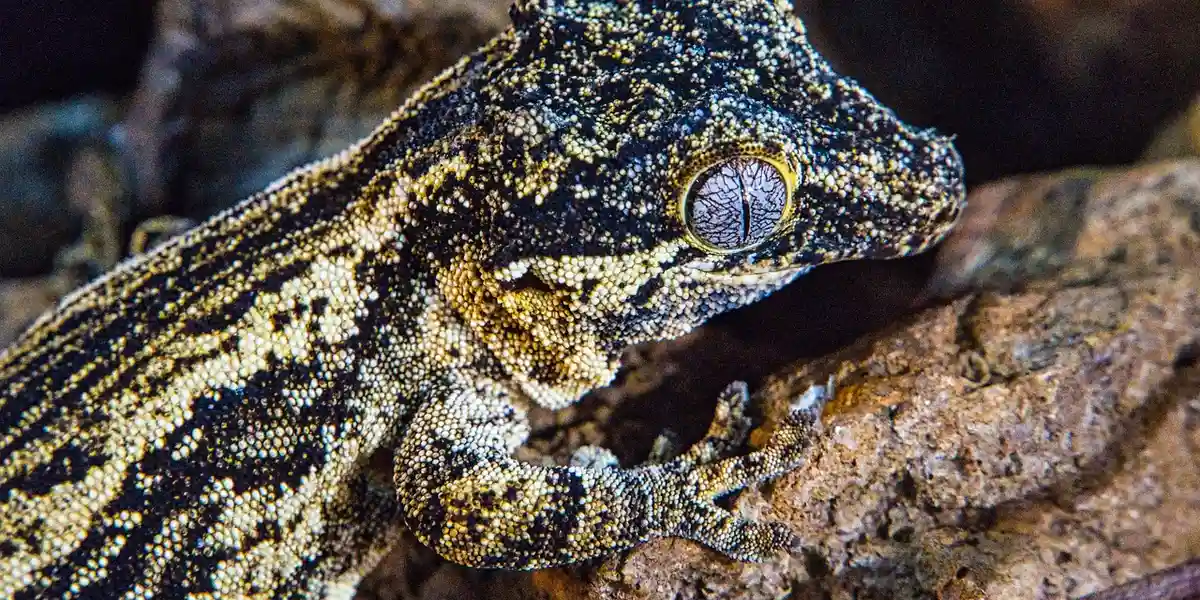
Building trust with your gecko starts with regular, low-stress interactions that make you a familiar presence. I begin by simply sitting near the terrarium for 10-15 minutes daily, talking in a soft voice so my geckos learn my scent and sound without feeling threatened. Over time, I introduce my hand slowly into the enclosure, palm down, allowing them to approach me first. This method reduces their instinct to flee and builds curiosity instead of fear.
Using soft approaches and positive reinforcement is key to making progress. I always move in slow, predictable motions and offer tiny treats like mashed fruit or small insects from my fingers to create positive associations. In a gecko-focused positive reinforcement training guide, a clicker is used to mark the moment a behavior occurs, followed by a small reward. This click-and-treat approach supports clear communication and faster learning. Avoid reaching from above—geckos see this as a predator move. Instead, come from the side or below their line of sight. Consistency matters; short, gentle sessions every other day work better than long, infrequent ones.
My Gargoyle Gecko, Mookie, used to dart away at the slightest movement. Through weeks of patient habituation, he now climbs onto my hand willingly, leaping between my fingers like he’s making a game-winning catch. I started by just resting my hand in his tank during feeding time, and now he associates me with fun and food. That playful energy once reserved for branch-hopping now includes our handling sessions, making them safer and more enjoyable for both of us.
When to Back Off: Handling Red Flags and Health Concerns
Recognizing when to stop handling is crucial for your gecko’s well-being. Persistent stress signs include frantic glass surfing, constant hiding, or tail rattling—these mean your gecko needs a break immediately. Unusual vocalizations, like hissing or chirping in species that aren’t typically vocal, are clear red flags. If your gecko puffs up, darkens in color, or tries to bite, end the session right away to prevent injury or escalated fear. Knowing the difference between stress signs and normal behavior helps you respond appropriately. This distinction guides safe handling in future sessions.
Spotting potential illness versus a bad mood requires close observation. Temporary mood issues might include brief skittishness after a tank cleaning, while illness often shows as lethargy, weight loss, or sunken eyes that don’t improve with rest. For example, if my gecko A-Rod avoids food for more than two days and stays curled in a corner, I consider health problems, not just grumpiness. Watch for mucus around the nose or mouth, which signals respiratory issues needing quick attention.
Consult a vet if behaviors persist or worsen beyond a few days. I always reach out to my reptile vet when I see labored breathing, persistent lethargy, or any injury like a limp or wound. If you notice sudden warning signs—rapid breathing, collapse, or a severe injury—seek veterinary care immediately. These urgent cues help distinguish when a prompt vet visit is essential. Trust your instincts—if something feels off, it’s better to get professional advice than risk your gecko’s health. Regular check-ups help catch issues early, so I schedule visits annually or whenever I introduce a new gecko to my crew.
FAQs
How often should I handle my gecko to build trust without causing stress?
Handle your gecko for brief sessions of 5-10 minutes, 2-3 times per week, to foster bonding while minimizing stress.
What should I do if my gecko bites me during a handling session?
Stay calm, gently disengage without sudden movements, and allow your gecko time to calm down in its enclosure to prevent reinforcing fear. These calm handling steps are part of effective techniques for a stressed gecko. Pair them with environmental fixes—consistent temperatures, secure hiding spots, and minimal noise—to support a calmer gecko and reduce stress.
Is it normal for my gecko to hide or refuse food after handling?
Yes, temporary hiding or reduced appetite can occur as your gecko recovers from stress, but persistent issues may indicate illness and warrant a vet visit.
Your Gecko’s Mood: The Key to Happy Handling
Ultimately, your gecko’s body language is its primary voice. By learning to read the subtle signs of a calm, curious, or stressed-out lizard, you transform handling from a risky chore into a rewarding bonding experience. Always respect a tail wag or a huff as a firm “no,” and only initiate contact when your pet appears relaxed and receptive.
Becoming a great gecko guardian is a continuous journey of observation and adaptation. What works for my geckos, like Griffey’s love for evening exploration, might differ for your pet. Stay curious, keep learning from reputable sources, and always prioritize your animal’s welfare above all else. A patient and informed approach builds the trust that makes every interaction safe and special.
Further Reading & Sources
- 3 Bad Mood Reactions from Leopard Geckos You Should Know About – Geckopia
- Is Your Gecko Happy? How To Tell It Is or Not – Reptile Scout
- Leopard Gecko Handling & Body Language Guide
The Gecko Guide is your ultimate resource for gecko enthusiasts, providing expert advice and practical tips to ensure the health and happiness of your scaly companions. Alexander is a passionate gecko owner with over a decade of experience in reptile care. We are dedicated to offering accurate, up-to-date information to support your gecko journey.Our mission is to foster a community of responsible gecko owners who are passionate about the well-being of these fascinating creatures.
Handling & Behavior Signs