
Cryptosporidiosis in Geckos: Beating ‘Stick Tail’ Disease
Published on: March 23, 2026 | Last Updated: March 23, 2026
Written By: Alexander 'Gecko Geek' Johnson
If your gecko’s tail is getting thinner and you’re worried about a disease called ‘Stick Tail,’ you’ve come to the right place. I’ve faced this scary situation in my own colony, and I know how heart-wrenching it is to watch a lively pet become lethargic and waste away.
I will help you understand this illness by breaking down the critical information you need. We will cover:
- How to spot the early and late signs of infection.
- The real facts about treatment options and outcomes.
- Actionable steps to protect your other geckos from getting sick.
You will get clear, straightforward advice based on veterinary science and my own hard-earned experience. This article covers: Symptoms, Diagnosis, Treatment, Quarantine, Cleaning, and Long-Term Care.
What is Cryptosporidiosis in Geckos?
Cryptosporidiosis is a stubborn parasitic infection that targets your gecko’s digestive system. It stems from microscopic Cryptosporidium protozoa that invade the intestinal lining. I’ve seen this in rescue geckos, and it’s a tough battle for any owner.
- Cryptosporidiosis is a parasitic infection caused by Cryptosporidium protozoa. These pests cling to the gut walls, sparking inflammation and blocking nutrient uptake.
- It leads to gastrointestinal disease and the “stick tail” look by causing malabsorption. Chronic diarrhea and weight loss follow, making the fat-storing tail wither into a bony stick. My gecko Jeter once had a scare, and watching his tail thin was heartbreaking.
- Transmission happens through the fecal-oral route in habitats. Your gecko might ingest the parasites from contaminated surfaces, water bowls, or food touched by infected droppings. Always clean enclosures thoroughly to cut this risk.
Common Symptoms of Cryptosporidiosis
Visible Physical Changes
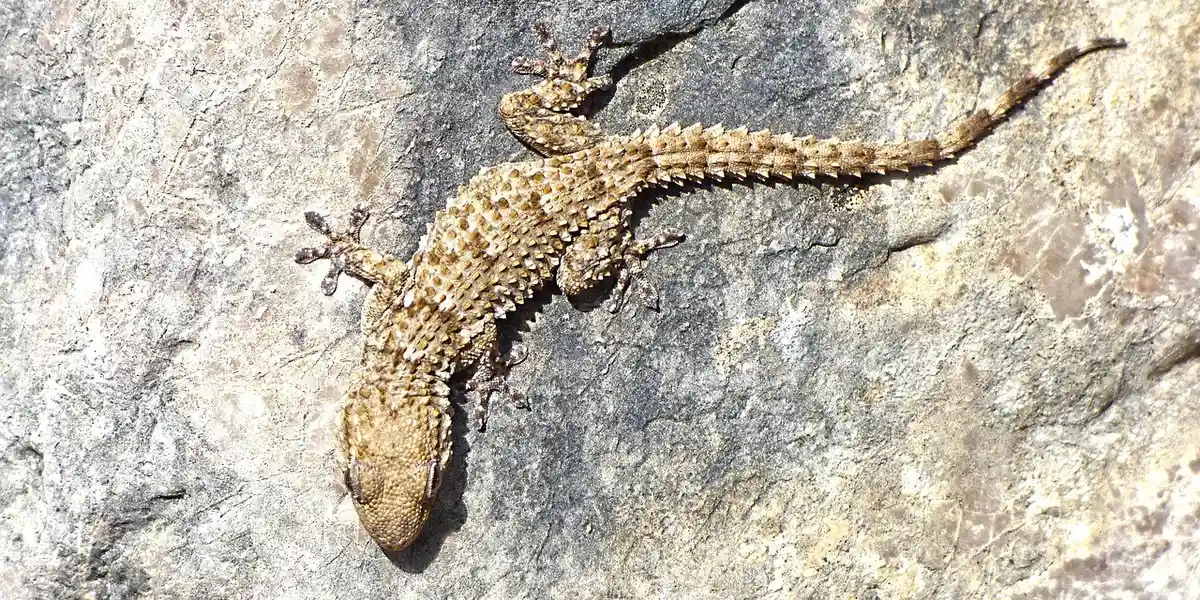
Spotting these signs early can save your gecko’s life. Look for a tail that loses its plumpness and turns skinny like a twig. In my care, I’ve noticed these changes creep up fast. Identifying appearance signs is essential for early detection. Keep an eye on color, body shape, and swelling to spot issues quickly.
- Weight loss that seems sudden and severe. Your gecko might feel light and bony when you handle them.
- Stick tail appearance, where the tail shrinks due to fat loss.
- Bloated belly from fluid buildup, contrasting with overall thinness.
- Dehydration signs like sunken eyes or loose skin that tents when pinched.
- Lethargy, where your gecko moves less and hides more.
- Anorexia or refusal to eat, even favorite foods.
- Regurgitation of meals shortly after feeding.
- Chronic diarrhea with watery, foul-smelling droppings.
- Poor shedding, as stress and illness disrupt the skin cycle.
When to Suspect an Infection
If multiple symptoms hit at once, don’t wait. Combinations like weight loss plus diarrhea or lethargy with regurgitation scream emergency. I rushed my gecko Griffey to the vet when he showed two signs together. This is exactly the kind of scenario the ultimate gecko health troubleshooting checklist is designed for. It walks you through triage, potential causes, and next steps so you can act quickly and accurately.
- Highlight combinations that signal emergency: weight loss with chronic diarrhea, or bloating paired with anorexia. These duos often mean the infection is advancing rapidly.
- Without treatment, symptoms worsen to extreme dehydration, organ failure, and death. Early action is your best shot at giving your gecko a fighting chance.
Diagnosing Cryptosporidiosis in Pet Geckos
If your gecko starts looking skinny or its tail thins out, you need a vet check right away. Look for other red flags that mean your gecko needs to see a vet immediately, like lethargy or loss of appetite. If you spot those signs, seek care without delay. Early diagnosis dramatically improves your gecko’s chance of pulling through this tough illness. I learned this the hard way when my leopard gecko, Griffey, once had a scare that taught me to act fast.
Your reptile vet will typically follow these steps to confirm cryptosporidiosis.
- Fecal tests: They examine a fresh stool sample under a microscope, hunting for those tiny Cryptosporidium oocysts.
- PCR testing: This method is more sensitive, detecting parasite DNA when fecal tests miss it.
- Physical exam: The vet feels for muscle wasting, checks weight, and looks for that classic “stick tail” appearance.
But spotting oocysts isn’t always straightforward. These parasites can be sneaky, shedding intermittently and requiring multiple tests for a clear answer. With my crested gecko Jeter, we had to run two separate fecal exams before we felt confident in the results.
Treatment Options for Infected Geckos
Medical Interventions
While there’s no magic bullet cure, a combination of meds and TLC can help your gecko fight back. Supportive care is your best ally in managing this stubborn parasite. My experience with A-Rod showed me that consistent hydration and nutrition are game-changers.
- Common medications: Vets might prescribe paromomycin or other drugs to reduce parasite numbers, though success varies.
- Hydration therapy: Soak your gecko in shallow, warm water or ask your vet about subcutaneous fluids to combat dehydration.
- Nutritional support: Hand-feed high-calorie gecko diets or insect slurries to help maintain body condition and energy.
Home Care and Management
Your home setup plays a huge role in your gecko’s recovery journey. Isolating a sick gecko prevents the parasite from hopping to your other pets. When Mookie needed treatment, I set up a separate tank immediately to protect the rest of my crew.
- Steps for isolating sick geckos: Move the infected gecko to a simple, easy-to-clean quarantine enclosure. Always wash your hands with soap after handling.
- Tips for maintaining clean enclosures: Use a reptile-safe disinfectant on all surfaces. Swap out substrate often and remove waste daily to minimize oocyst spread.
Preventing Cryptosporidiosis Outbreaks
Quarantine Protocols for New Geckos
-
I enforce a strict 90-day quarantine for every new gecko, keeping them in a separate room with their own dedicated supplies like food dishes, hides, and thermometers. This isolation period is non-negotiable because it stops invisible threats from reaching your established pets, even if they appear healthy. I learned this lesson early on when a seemingly healthy new arrival I skipped quarantine for later showed subtle signs that put my entire collection at risk. For anyone new to this, I recommend following a detailed quarantine checklist to ensure no steps are missed.
-
Monitor your new gecko daily for weight loss, lethargy, or runny stools. Weigh them weekly on a small gram scale—a sudden drop is a major red flag you can catch early. Recognizing these early warning signs helps you seek veterinary care before a condition worsens. I always watch my quarantined geckos like Jeter during handling sessions, feeling for any muscle wasting along their tail and back.
Hygiene and Sanitation Practices
-
Use disinfectants like diluted bleach (1 part bleach to 10 parts water) or veterinary-grade F10 SC to clean enclosures weekly. These solutions break down the tough outer shell of crypto oocysts that simpler cleaners miss. I scrub all surfaces, rinse thoroughly, and let everything air dry completely before my geckos go back in.
-
Wash your hands with soap and water before and after handling each gecko or their supplies. Proper hand washing hygiene is essential when handling geckos to prevent transferring germs. Assign specific tools like tweezers and spray bottles to individual enclosures to prevent cross-contamination. Keep nails trimmed and scrub hands for at least 20 seconds, then dry completely to maximize cleanliness. I even change my clothes if I’ve been cleaning a sick gecko’s space—it feels excessive, but it works.
Risks of Spread to Other Geckos and Humans
-
Cryptosporidiosis is zoonotic, meaning it can spread from geckos to humans, especially in households with young children or immunocompromised individuals. While rare, infection can cause severe stomach cramps and diarrhea in people, so treating it seriously protects your whole family. I’ve seen how quickly it can move through a reptile room if one gecko sheds the parasite.
-
In multi-pet homes, keep geckos in separate, well-ventilated rooms and avoid sharing decor or handling equipment. Supervise interactions closely and teach kids to wash hands right after touching any reptile. Geckos can be good family pets when safety guidelines are followed. This safety guide explains how to keep children safe around geckos. With my crew, I handle the healthy geckos like Griffey first and any potentially sick ones last during my daily routines.
FAQs
How long can cryptosporidium oocysts survive outside a host?
Cryptosporidium oocysts can persist for months in damp, contaminated environments, requiring rigorous cleaning to eliminate them.
Are leopard geckos more prone to cryptosporidiosis than other species?
Leopard geckos are frequently reported cases, but any gecko species can become infected if exposed to the parasite.
What is the best way to support a gecko’s immune system during treatment?
Maintaining a low-stress setup with consistent temperatures and a balanced diet can enhance your gecko’s ability to cope with the infection. A calm, stress-free gecko typically responds better to care and recovery. Implementing effective techniques and environmental fixes—such as stable temperatures, appropriate humidity, and ample hiding spots—can further support recovery.
Final Words
Dealing with Crypto is a tough reality for many gecko keepers. The most powerful actions you can take are preventative: always quarantine new arrivals and seek a vet’s diagnosis at the first sign of a thinning tail. While treatment options are limited and often focus on supportive care, understanding this risk is a vital part of our responsibility.
Owning a gecko is a long-term commitment to their well-being. Let this knowledge empower you to create the safest possible environment through strict hygiene and continued learning. By staying on top of common health issues—like respiratory infections, skin problems, and parasites—you can often prevent them before they start. Proactive care keeps geckos healthier and happier. Your dedication to understanding topics like this is what separates a good pet owner from a great one.
Further Reading & Sources
- Cryptosporidiosis in Leopard Geckos | Arizona Exotics | -Lizards Resources
- Cryptosporidium varanii infection in leopard geckos (Eublepharis macularius) in Argentina – PMC
- Cryptosporidiosis
The Gecko Guide is your ultimate resource for gecko enthusiasts, providing expert advice and practical tips to ensure the health and happiness of your scaly companions. Alexander is a passionate gecko owner with over a decade of experience in reptile care. We are dedicated to offering accurate, up-to-date information to support your gecko journey.Our mission is to foster a community of responsible gecko owners who are passionate about the well-being of these fascinating creatures.
Gecko Health