
Gecko Not Pooping? Your Complete Troubleshooting and Action Checklist
Published on: March 13, 2026 | Last Updated: March 13, 2026
Written By: Alexander 'Gecko Geek' Johnson
Seeing an empty terrarium floor day after day can make any gecko owner’s stomach drop. You’re worried, and you’re right to be. A gecko that isn’t pooping is a gecko that needs your help.
I’ve been there with my own geckos, and I can help you figure this out. We’ll walk through the common reasons and, most importantly, the clear steps you can take to get your pet back on track. Here are the key areas we will cover:
- Identifying the difference between a simple slowdown and a serious blockage.
- Checking your setup for the most common husbandry mistakes that stop digestion.
- Learning safe, at-home remedies and knowing exactly when to call a vet.
By the end of this guide, you will have a clear, step-by-step action plan. We will cover: common causes, temperature checks, hydration solutions, safe home treatments, impaction warning signs, and when to seek a vet.
Why Is My Gecko Not Pooping? Uncovering the Root Causes
When your gecko stops pooping, it’s a clear signal something is off in their world. I’ve faced this worry with my own crew, and pinpointing the cause is your first step to helping them. Digestion is a complex process that grinds to a halt when just one element in their environment is out of sync.
- Improper Temperature Gradients: Geckos are solar-powered digesters. Without a proper warm spot, their metabolism slows and food just sits in their gut. My leopard gecko, Griffey, once went off schedule when his heat mat malfunctioned.
- Dehydration: A lack of water makes waste hard, dry, and difficult to pass. This is a silent and common culprit.
- Substrate Ingestion: Accidentally eating loose bedding like sand or mulch can cause a dangerous blockage known as impaction.
- Stress: Loud noises, excessive handling, or a new enclosure can stress your gecko, shutting down their digestive system. My crested gecko, Jeter, is usually calm, but a recent move made him hide and hold it in for days.
- Diet Issues: Feeding insects that are too large, not gut-loaded, or an overall lack of variety can lead to nutritional deficits and constipation.
Temperature and Humidity Troubles
Getting the climate wrong inside the tank is like trying to bake a cake in a cold oven. It just won’t work. Heat drives their internal engine, and humidity keeps everything moving smoothly. A basking spot that’s too cool means food decomposes in their belly instead of digesting. Low humidity can dehydrate a gecko from the inside out, making their waste a concrete-like brick. Here are the optimal ranges I always check first.
- Leopard Geckos: Basking surface 88-92°F, cool side 70-75°F, humidity 30-40%.
- Crested Geckos: Ambient temp 72-78°F, humidity spikes to 70-80% at night, dropping to 50% by day.
- African Fat-Tailed Geckos: Basking surface 88-92°F, cool side 75-80°F, humidity 50-60%.
- Gargoyle Geckos: Ambient temp 72-78°F, humidity 60-70%.
- Day Geckos: Basking spot 85-90°F, cool side 75-80°F, humidity 60-80%.
Diet and Hydration Red Flags
You are what you eat, and for a gecko, a poor diet leads directly to plumbing problems. Feeding dull, dry, or oversized insects is a fast track to constipation. I make it a rule to only offer prey that is no wider than the space between my gecko’s eyes. Hydration is just as critical. A dehydrated gecko will pull water from its own waste, creating a rock-hard plug. These are common gecko feeding problems, and they’re solvable with simple fixes like choosing appropriately sized prey and ensuring hydration. You have options to turn this around.
- Always provide a shallow, clean water dish.
- Gut-load feeder insects with water-rich veggies like cucumber and zucchini 24 hours before feeding.
- Offer water-rich gecko diets (like Repashy) for species that eat them.
- For insectivores, occasionally offer a hornworm as a hydrating treat.
Enclosure and Substrate Snafus
The floor of your gecko’s home can be a hidden danger. Loose, particulate substrates are a major risk for impaction, especially for young or clumsy geckos. I learned this the hard way when my curious A-Rod decided his tan bedding looked like a snack. After a scary vet visit, I switched to safer flooring and he’s been fine since. Your setup should be a sanctuary, not a hazard. To keep it that way, here are quick gecko enclosure safety tips to avoid common household hazards. Simple steps help—choose a safe substrate and secure the enclosure to prevent escapes and ingestion.
- Risky Substrates to Avoid: Calci-sand, fine sand, wood shavings, and crushed walnut shell.
- Safer Substrate Alternatives: Paper towel, slate tile, non-adhesive shelf liner, or a soil/sand mix for advanced, bioactive setups.
- Ensure all décor is stable to prevent collapses that can cause stress or injury.
- Provide multiple hides on both the warm and cool sides to make your gecko feel secure.
Your Step-by-Step Home Care Checklist to Encourage Pooping
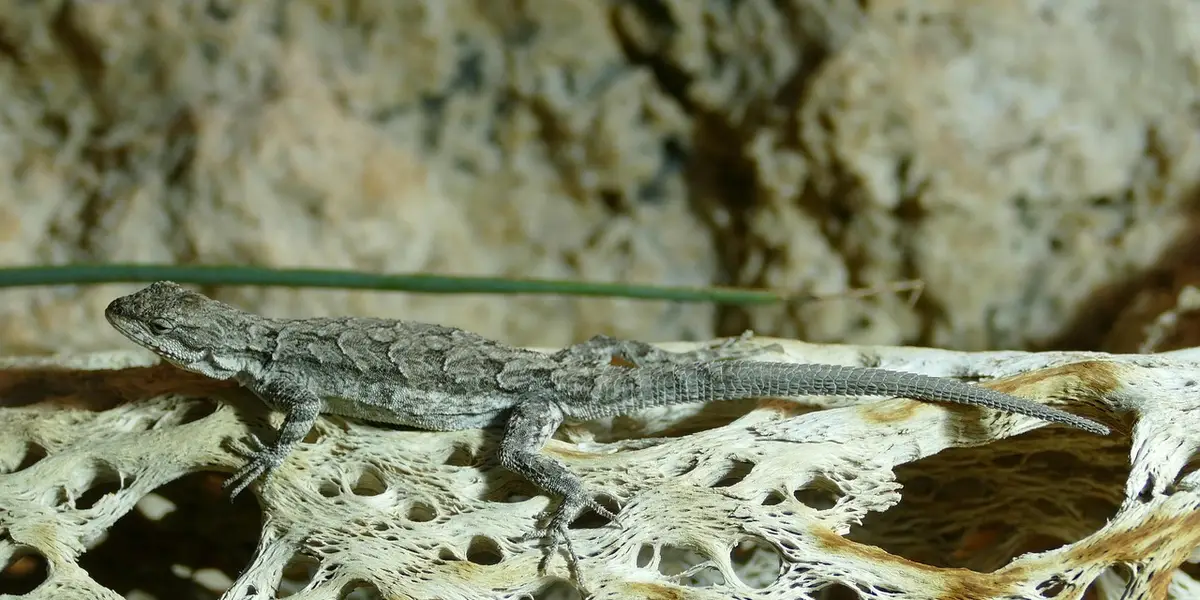
Don’t panic. You can often resolve a minor backup with some simple, safe home care. This checklist is your action plan to gently encourage your gecko’s system to get back on track. I’ve used these steps countless times with my own pets before ever considering a vet trip.
- Check and correct the enclosure temperature and humidity immediately.
- Offer a fresh, shallow bath to boost hydration.
- Provide a humid hide stuffed with damp sphagnum moss.
- Try a gentle belly massage if your gecko is calm and tolerates handling.
- Encourage light activity and climbing to stimulate gut motility.
- Re-evaluate their diet and feeder insect size.
Boost Hydration and Water Intake
Water is your number one tool. A dehydrated gecko is a constipated gecko. I once helped my crestie, Jeter, through a dry spell by focusing entirely on his water intake for 48 hours. He was back to his regular, confident self in no time. If you’re wondering how to tell if your gecko is dehydrated, look for signs like sunken eyes, dry mouth, or wrinkled skin. Early signs mean faster care. Here is how you can do the same.
- Place a shallow dish of fresh, chlorine-free water in the enclosure daily.
- Mist the enclosure walls and plants in the evening so they can lick droplets.
- Offer a 10-15 minute lukewarm bath in a shallow container with water no deeper than their elbows. Supervise closely.
Optimize Enclosure Conditions
Your thermostat and hygrometer are your best friends right now. A quick environmental tune-up can often produce results within a day. Double-check all your equipment is functioning. Here is a quick-reference table for the ideal settings you need to hit.
| Species | Warm Side/Basking | Cool Side | Humidity |
|---|---|---|---|
| Leopard Gecko | 88-92°F | 70-75°F | 30-40% |
| Crested Gecko | 72-78°F (Ambient) | 72-78°F (Ambient) | 50-80% (Cycle) |
| African Fat-Tail | 88-92°F | 75-80°F | 50-60% |
Gentle Stimulation Techniques
Sometimes, they just need a little nudge. The key word is gentle. Never press hard or try to force anything. Harsh methods can injure your pet and will only add to their stress, making the problem worse. Think of this as a soothing massage, not a medical procedure.
- With a single finger, make soft, circular motions on their lower belly, moving towards their vent.
- Let them crawl over your warm hands to use your body heat and gentle movement for stimulation.
- Rearrange their cage décor slightly to encourage exploration and light exercise.
- If they seem stressed or resistant, stop immediately and try again later.
When to Escalate: Signs You Need Veterinary Care Now
Sometimes, a gecko not pooping is more than a simple husbandry fix-it’s a race against the clock. You need to drop everything and call an exotic vet immediately if you see a bloated, hard belly, extreme lethargy where your gecko doesn’t react to touch, or any sign of blood. I once waited a day too long with a gecko showing these signs, and it turned a simple issue into a complex and expensive one.
- Bloating: Their belly looks swollen and feels firm to the gentle touch, not soft.
- Lethargy: They are unresponsive, don’t move from their spot, and keep their eyes closed.
- Blood in Stool: Any red or dark, tarry substance around their vent is a major red flag.
- Straining: They are visibly trying to pass something for a long time with no results.
- Loss of Appetite: Refusing food for more than a week, especially a favorite treat.
Red Flags for Impaction or Blockage
Impaction means something is physically stuck inside your gecko, blocking their digestive tract. Watch for a lack of droppings paired with a loss of appetite and a noticeable lump in the lower abdomen. My gecko Babe once had a minor impaction from a large feeder insect, and the hard lump near his hip was the first thing I felt. For a deeper look at understanding and treating gecko impaction, see the depth guide. It explains when to seek veterinary care and how to gauge severity.
- A visible, hard lump on one or both sides of the lower belly.
- Dragging their back legs or showing weakness in their hindquarters.
- Regurgitating their food shortly after eating.
- Showing signs of pain, like flinching or vocalizing when their belly is touched.
When you call the vet, be ready to tell them: the last time you saw a normal poop, what the gecko has eaten recently, the exact temperatures in the tank, and the substrate you use. This information is critical for a fast diagnosis.
Pre-Vet Preparation Steps
A little prep before you go can make the vet visit much more effective. Grab a small, secure critter carrier with a soft paper towel on the bottom and a small hide for them to feel safe. Never use a loose box or a tall container where they could fall and get hurt.
- Transport: Place the carrier in a quiet, warm spot in your car. Avoid loud music and sudden stops.
- Information to Bring: Take a clear photo of your tank setup and your temperature/humidity gauges. Bring a fresh sample of the substrate you use.
- Track Behavior: Note down any recent changes. Has their posture changed? Are they sleeping in a weird spot? This helps the vet see the full picture.
- Stool Sample: If you have any old, dried-up poop, bring it in a sealed bag. It can still be useful for testing.
Advanced Home Remedies for Stubborn Cases
If your vet gives the all-clear for you to try some advanced home care, there are a few paths you can take. I always recommend consulting your vet before introducing any new supplement or making a drastic change, as what works for one gecko might harm another. For constipation relief in geckos, use vetted, species-appropriate methods and keep your vet informed. Never use over-the-counter laxatives meant for humans or other pets.
- Probiotics: These are beneficial bacteria that can help reset a stressed gut. Look for brands made specifically for reptiles.
- Olive Oil: A single, tiny drop on their nose to lick off can sometimes act as a gentle lubricant. This is a one-time trick, not a regular treatment.
- Hydration Boost: Offer plain, unflavored electrolyte solutions like Pedialyte in a shallow dish to encourage drinking.
Diet Adjustments and Supplements
Sometimes, the solution is in the food bowl. Switching to softer-bodied insects like hornworms or silkworms can provide moisture and be easier to digest than crunchy crickets. My crested gecko, Jeter, had a slow gut, and I found that a drop of pure, organic pumpkin puree (not pie filling) on his fruit mix did the trick.
- Offer insects that have just been gut-loaded with watery veggies like cucumber or zucchini.
- For geckos that eat Repashy or Pangea diets, mix the powder with a little extra water to create a soupier consistency.
- Ensure your calcium supplement is phosphorus-free. Too much phosphorus can bind with calcium and contribute to blockages.
- A drop of pure, unsweetened apple or pear juice can sometimes stimulate the bowels due to the sugars.
Environmental Tweaks for Gut Motility
Your gecko’s environment directly controls their metabolism. Even a slight bump in their basking spot temperature can kick their digestive system into gear. I added a low-level UVB light to my leopard gecko’s tank, and the improvement in his overall activity and digestion was noticeable within a week.
- Double-check all temperatures with a digital thermometer. The warm hide should be at the perfect species-specific range.
- Consider adding a UVB light. It helps with calcium metabolism and overall health, which aids digestion.
- Provide a “moist hide” on the warm side of the tank with damp sphagnum moss to help with hydration and shedding.
- Rearrange their enclosure slightly. A little gentle exploration and climbing can stimulate their system.
- Ensure the water dish is always full of fresh, clean water and is placed in an easy-to-find location.
Preventing Future Pooping Problems: Long-Term Health Tips
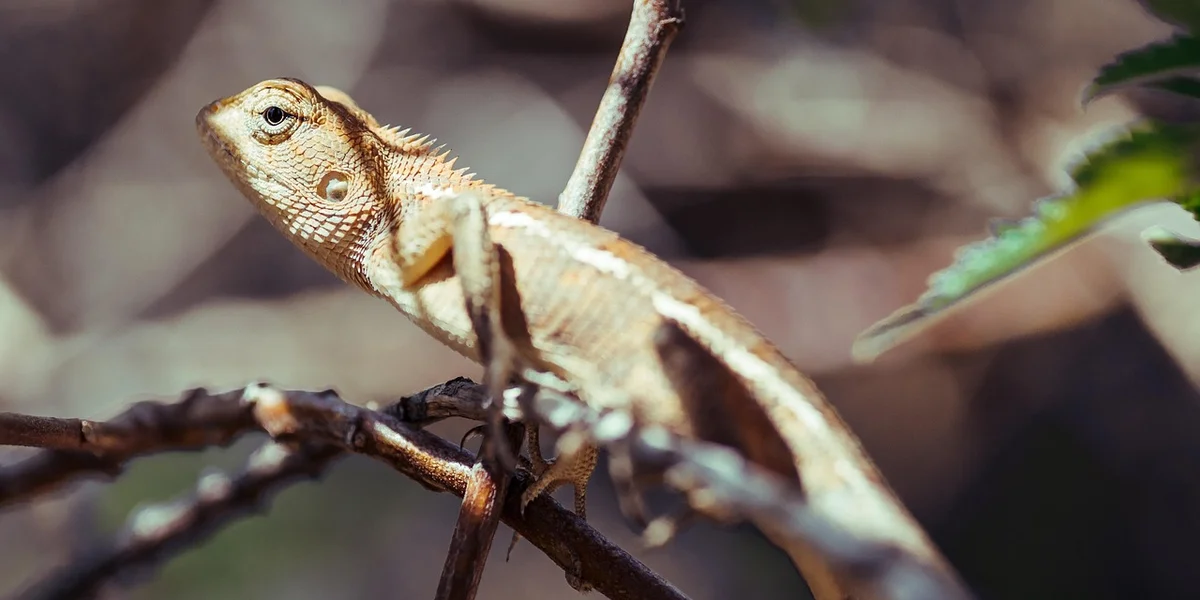
Stopping constipation before it starts is all about consistent, smart care. I’ve found that a proactive approach—focusing on diet, habitat, and routine checks—keeps my geckos like Griffey and A-Rod healthy and regular. By keeping stools regular, you head off common health problems geckos face, such as dehydration and impaction. Proactive care supports overall health and helps prevent these issues from becoming serious. It saves you emergency vet trips and keeps your pet comfortable.
- Perform a weekly health review: observe behavior, check for weight loss, and ensure poop looks normal.
- Monthly, do a full habitat audit: test temperatures, inspect for hazards, and replace substrate if soiled.
- Keep a simple log: note feeding dates, poop frequency, and any unusual activity to spot patterns early.
Ideal Diet and Feeding Practices
Your gecko’s diet is the engine for their digestion. Variety and proper hydration prevent blockages and keep everything moving smoothly. I rotate feeder insects for my leopard geckos, like Griffey, and offer fruit mixes for my cresties, like Jeter, to mimic their wild intake. For those looking to diversify further, a diversifying diet guide—covering 10 safe feeder insects geckos can eat—can be a helpful reference. It offers safe options and rotation tips to keep meals balanced.
- Feed a balanced diet: for insectivores, use gut-loaded crickets or dubia roaches; for frugivores like crested geckos, use reputable powdered diets mixed with water.
- Always provide fresh water in a shallow dish and mist the enclosure daily-my gargoyle gecko, Mookie, laps droplets off leaves enthusiastically.
- Dust insects with calcium and vitamins to avoid deficiencies that slow digestion. I do this for all my geckos twice a week.
Envelope of Wellness: Habitat and Routine
A stress-free home is a poop-friendly home. Getting the enclosure right reduces anxiety, which is a huge trigger for digestive stalls. My fat-tailed gecko, A-Rod, stopped hiding and started pooping regularly once I fixed his temperature gradient.
- Choose safe substrates: paper towel or reptile carpet for beginners; avoid loose sands that can cause impaction.
- Maintain precise temperatures: a warm basking spot (85-90°F for leopard geckos) and a cooler area aid digestion. Use thermostats-never guess.
- Minimize stress: place the tank in a low-traffic area, provide multiple hides, and handle gently. My giant day gecko, Babe, thrives with minimal disturbance.
Common Questions
How often should a healthy gecko typically poop?
Pooping frequency depends on the species, age, and diet, but a healthy adult leopard gecko may go once every 1-2 days, while a crested gecko might poop daily. This baseline helps you distinguish normal from potential problems in each species. If you notice hard or very soft stools, mucus, blood, or a change in frequency lasting several days, seek veterinary advice from a reptile specialist.
Is giving my gecko a warm bath a safe remedy?
A supervised, shallow lukewarm bath for 10-15 minutes is a safe and common method to help hydrate your gecko and encourage bowel movements.
Can I use olive oil or other home laxatives?
A single, tiny drop of olive oil on their nose to lick off can be attempted, but you should always consult a vet before using any home remedy to avoid potential harm.
What is the difference between constipation and impaction?
Constipation is a temporary slowdown of the digestive system, while impaction is a serious physical blockage in the gut, often requiring immediate veterinary care.
How long is too long for a gecko to not poop?
If your adult gecko hasn’t produced any droppings for over 7-10 days and is also refusing food, it is time to be concerned and consider a vet visit. These can be signs that your gecko needs to see a vet immediately. If you notice any of these signs, contact a reptile vet as soon as possible.
Final Thoughts
When your gecko isn’t pooping, the solution almost always comes down to checking the basics: habitat temperature, proper hydration, and a stress-free environment. In this ultimate gecko health troubleshooting checklist, follow these step-by-step diagnostics to pinpoint the cause. This step-by-step diagnostic guide helps you distinguish environmental, dietary, and medical factors. Start with the simple fixes like a warm bath and a temperature check before considering a vet visit for potential impaction.
Being a great gecko owner means committing to a lifelong learning process about their unique and subtle needs. I’ve learned so much from my own crew over the years, and that ongoing education is one of the most rewarding parts of sharing your life with these amazing little reptiles.
Further Reading & Sources
- What to Do if Your Leopard Gecko Won’t Poop – PetHelpful
- r/leopardgeckos on Reddit: Eating, not pooping
- Help! Leopard gecko won’t poop! | Our Reptile Forum
The Gecko Guide is your ultimate resource for gecko enthusiasts, providing expert advice and practical tips to ensure the health and happiness of your scaly companions. Alexander is a passionate gecko owner with over a decade of experience in reptile care. We are dedicated to offering accurate, up-to-date information to support your gecko journey.Our mission is to foster a community of responsible gecko owners who are passionate about the well-being of these fascinating creatures.
Gecko Health