
How Do Geckos Camouflage? Masters of Disguise
Published on: May 24, 2026 | Last Updated: May 24, 2026
Written By: Alexander 'Gecko Geek' Johnson
Have you ever lost sight of your gecko in its own terrarium, only to find it was right in front of you the whole time? That moment of pure gecko magic is camouflage in action, and it’s one of the most fascinating survival skills in the animal kingdom.
I’ve spent countless hours watching my own geckos, like Jeter the crested gecko, simply vanish against a branch. I will help you understand exactly how they perform this incredible trick. We will explore the key mechanisms that make them masters of disguise.
- The unique biology that allows them to change color and pattern.
- How their camouflage is used for both protection from predators and hunting for food.
- What this natural behavior means for you as a pet owner setting up their home.
You will get clear, straightforward advice based on both science and my personal experience caring for these amazing creatures.
The topics we’ll cover are: gecko color change biology, common camouflage patterns by species, and creating a naturalistic terrarium for enrichment.
The Science Behind Gecko Camouflage
Geckos use some incredible biological tricks to disappear into their surroundings. Their skin contains special cells called chromatophores, which act like tiny paint pots filled with pigments. Melanophores hold dark colors, while iridophores reflect light to create iridescent effects. Think of it as a living color palette that adjusts on the fly.
Beyond color, their skin has a unique microstructure. Keratin scales give their skin texture that mimics rough surfaces like bark or stone. This helps them blend not just in color but in feel, making them nearly invisible to predators. I’ve watched my geckos press against decor, and their scales match the grain perfectly.
Gecko vision plays a big role too. They see colors and patterns in their environment, sending signals to their brain to adjust their camouflage. It’s like they have built-in background detection, ensuring they always match their home turf. From my experience, a well-set-up terrarium lets them use this ability naturally.
Color Change and Pattern Adaptation
Geckos tweak their hues based on what’s around them. They respond to cues like substrate color and light levels, darkening on dark surfaces or lightening in bright areas. For example, my crested gecko Jeter shifts his orange tones to blend with mossy branches after lights-out. If your gecko turns pale, it can signal shedding, stress, or temperature changes—common explanations in leopard crested gecko care. You can read more about this here. These pale shifts help you read their mood and needs.
- Substrate color: Sandy backgrounds prompt leopard geckos to enhance their spot patterns.
- Light conditions: Low light can make gargoyle geckos like Mookie dull their gray blotches.
- Environmental cues: Humidity and temperature also influence how quickly they adapt.
This isn’t just for hiding-it helps regulate their body temperature and reduce stress. I always choose terrarium substrates that match my geckos’ natural colors to support their instincts.
Skin Texture and Disruptive Coloration
Their skin patterns are masters of deception. Disruptive coloration uses bold marks to break up their outline, mimicking cracks in bark or leaf veins. Dorsal sides often have complex patterns, while ventral sides are plainer to avoid shadows when viewed from below.
I’ve seen my African fat-tailed gecko A-Rod rearrange his terrarium décor, then press his tan and white stripes against a log. He becomes a seamless part of the scenery, thanks to texture matching. It’s a reminder to provide varied surfaces in their habitat for ethical enrichment.
- Mimicry examples: Leaf-tailed geckos imitate dead leaves, while house geckos match wall textures.
- Predator avoidance: Contrasting colors on their back confuse predators’ focus.
Camouflage Techniques Across Gecko Species
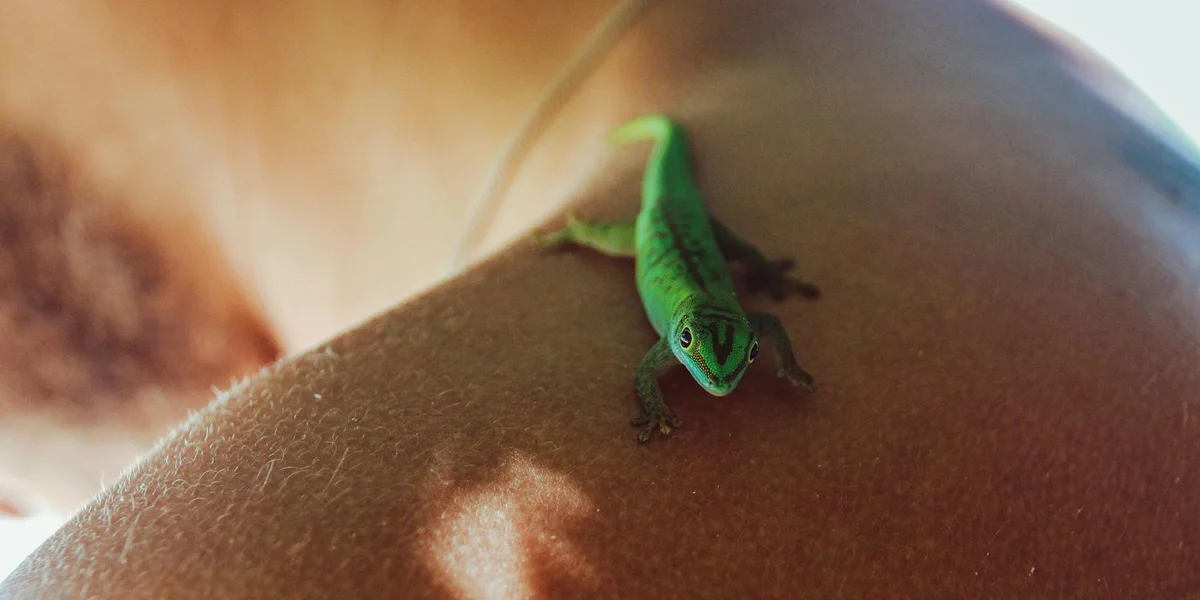
Different habitats mean different camouflage strategies. Desert dwellers like leopard geckos rely on substrate blending, while rainforest species use color shifts and climbing to vanish. I’ve noticed how my geckos change posture-curling up or flattening-to enhance their crypsis.
- House geckos: Excel at background matching on man-made surfaces.
- Leaf-tailed geckos: Use near-perfect mimicry of foliage to avoid detection.
My gargoyle gecko Mookie’s playful climbing bursts aren’t just for fun-they help him dart into cover and disappear against red-blotched bark. Observing these behaviors has taught me to design terrariums with plenty of hiding spots for their welfare.
Desert Adaptations: Leopard and Fat-Tailed Geckos
In arid environments, blending into the sand is key. Leopard geckos like Griffey use their spotted patterns as disruptive coloration against grainy backgrounds. Their golden hues shift subtly to match substrate color, making them hard to spot even in open spaces. This is particularly interesting when you consider the various morphs of leopard geckos that exhibit different patterns and colors.
Fat-tailed geckos, such as A-Rod, depend on bold stripes to break up their shape among rocks and debris. I use sandy-colored hides in their enclosures to let them practice this natural behavior safely.
Rainforest Masters: Crested and Gargoyle Geckos
These species thrive in lush settings by mimicking foliage and bark. Crested geckos like Jeter adjust their flame patterns to blend with green leaves, while gargoyle geckos use texture to imitate tree bark. Their color changes are faster, responding to dappled light and humidity shifts.
From my care, I’ve seen how providing live plants and vertical spaces lets them use camouflage ecology fully. It reduces stress and supports their instinct to hide in plain sight.
Creating a Camouflage-Friendly Habitat for Your Pet Gecko
Setting up an enclosure that supports your gecko’s natural instincts is one of the most rewarding parts of being an owner. By carefully choosing their surroundings, you give them the tools to feel secure and express their natural behaviors. Beyond the enclosure itself, make sure you address common household hazards and follow gecko enclosure safety tips to keep things safe. Simple checks like securing electrical cords, removing small choking hazards, and using a safe substrate help prevent accidents. I’ve watched my own geckos, like Griffey, visibly relax and start exploring when their home feels right. It’s a direct path to a happier, healthier pet.
Choosing Substrates and Décor for Background Matching
Think of your gecko’s terrarium as a stage for their natural art. The goal is to pick a background they can disappear into.
- For light-colored geckos like High Yellow Leopard Geckos: Use a light desert sand, excavator clay, or a sandy-colored reptile carpet.
- For darker or patterned geckos like Bold Stripe Fat-Tails: Coco fiber, organic topsoil, or dark moss substrates work beautifully.
- For vibrant green geckos like Giant Days: Live plants and green-backed terrarium backgrounds are essential for them to blend.
Décor is just as important. My Crested Gecko, Jeter, loves his cork bark rounds because their texture perfectly mimics the tree trunks he’d cling to in the wild. Offer a variety of textures-smooth stones, rough bark, and broad leaves-so your gecko can practice texture matching. My Gargoyle Gecko, Mookie, will press his bumpy skin against a piece of wood and simply vanish.
Lighting and Environmental Cues
Getting the lighting wrong can make your gecko feel exposed and vulnerable all day long.
- Avoid overly bright, white lights that cast harsh shadows. I use low-level LED or shaded lamps that simulate a forest canopy.
- Provide a consistent day-night cycle with a timer. About 12 hours on and 12 hours off mimics their natural rhythm.
- Use low-wattage basking lights for species that need them, ensuring there are plenty of shaded areas to retreat to.
A proper light cycle tells your gecko when it’s safe to be active and when it’s time to hunker down and hide. My Giant Day Gecko, Babe, is a perfect example; he’s bold and out in the open during the “day,” but as the lights dim, he finds a secluded spot to sleep, his bright green color softening in the low light. Understanding the importance of day-night cycles for geckos helps in creating the ideal environment for their well-being.
Reading Your Gecko’s Camouflage: Normal Behavior vs. Stress Signs
It’s a thrilling moment when you spot your gecko perfectly camouflaged. But sometimes, what looks like clever hiding is actually a cry for help. Learning to read the subtle differences is a crucial skill for any gecko keeper. I learned this with A-Rod, my Fat-Tailed Gecko; his territorial rearranging was normal, but when he started staying flattened and dark for hours, I knew his habitat needed a tweak.
Healthy camouflage is temporary and situational. Your gecko might blend in while sleeping but become more vibrant when exploring or hunting. Stress-induced color changes, however, are often prolonged and accompanied by other warning signs. A gecko that is constantly dull, dark, or hiding deep within a hide is likely stressed, not just being sneaky.
Identifying Stress Colors and Postures
Your gecko’s body language speaks volumes if you know what to look for. Here’s how to tell the difference.
- Stress Color: A Leopard Gecko turning dark and ashy, or a Crested Gecko becoming a dull, fired-down brown for long periods.
- Stress Posture: A gecko that is constantly flattened against the ground or a surface, trying to make itself invisible.
- Key Difference: Predator avoidance is a quick reaction. They see you, freeze or darken for a minute, then relax. Stress is a constant state of alert.
If you see these signs, your first step is always to check the habitat. Is the temperature gradient correct? Are there too many open spaces? Is another pet causing anxiety? Sometimes, the fix is simple, like adding more foliage. Many signs of stress in geckos come from environmental factors. Adjusting temperature, humidity, lighting, and space can make a big difference. If the behavior continues, a visit to a reptile-savvy vet is the best way to ensure your gecko’s welfare.
Common Myths and Facts About Gecko Camouflage
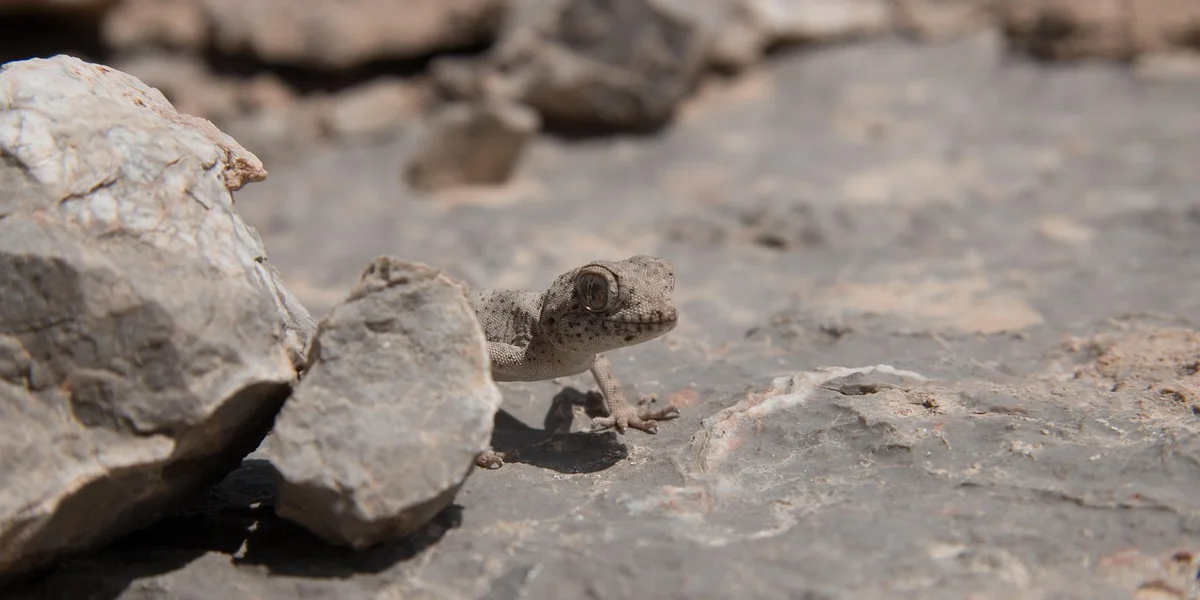
Let’s clear the air on a few things. I’ve heard some wild theories at reptile expos, and it’s time to separate gecko fact from fiction.
-
Myth: All geckos change color like chameleons. Fact: This is the big one! Most common pet geckos, like my leopard gecko Griffey, cannot actively change their color to match a new background. Their camouflage is a permanent, brilliant pattern they’re born with. No, your gecko isn’t just being dramatic when it sits on a contrasting color-it’s just being a gecko! Still, you might notice leopard gecko color changes. They usually reflect shedding, temperature changes, or mood, not deliberate background camouflage.
-
Myth: A camouflaged gecko is always a scared gecko. Fact: Not necessarily. Camouflage is their default state. My crested gecko, Jeter, will often sit perfectly blended into his background just because he’s comfortable and resting. Using their natural camouflage is often a sign of a gecko feeling secure in its environment, not threatened by it.
-
Myth: If a gecko can’t change color, its camouflage is basic. Fact: This couldn’t be further from the truth. The static patterns are masterpieces of evolution. My A-Rod, an African Fat-Tailed Gecko, has a pattern that perfectly mimics the dappled light and leaf litter of the forest floor. It’s a sophisticated, permanent disguise.
-
Myth: You can’t see a well-camouflaged gecko if it doesn’t want to be seen. Fact: This one is actually true, and it’s a fun game I play with my gargoyle gecko, Mookie. I’ll often spend minutes scanning his terrarium only to find he’s been watching me the whole time, looking exactly like a piece of bark. Their ability to stay utterly motionless completes the illusion.
-
Myth: Color change is always for camouflage. Fact: Some species, like crested geckos, can experience color shifts (firing up/down), but this is often related to temperature, humidity, or time of day, not just blending in. Think of it less like a mood ring and more like their internal thermostat and lighting system at work. Even then, their ability to perceive these changes is limited compared to how geckos see colors themselves.
FAQs
How does a gecko’s camouflage change as it grows from juvenile to adult?
As geckos mature, their color patterns often become more vivid and defined, enhancing their ability to blend into specific environments based on their species’ natural habitat.
Can artificial lighting affect how well my gecko camouflages?
Yes, improper lighting that is too bright or inconsistent can disrupt a gecko’s natural color adjustment, but using lighting that mimics their native day-night cycle helps them camouflage effectively. Lighting temperature—the warm-to-cool bias of the light—can also affect gecko behavior by shaping activity and circadian rhythms. Choosing an appropriate color temperature supports natural behavior beyond camouflage.
Is camouflage behavior instinctual or learned in geckos?
Camouflage is an innate, instinctual behavior in geckos, meaning they are born with the ability to blend in without needing to learn it from their surroundings.
Final Words
Gecko camouflage is a masterclass in survival, blending color, pattern, and behavior to create near-invisibility. The most important thing you can do is provide a habitat that mimics their wild home, with proper hides, clutter, and a suitable substrate. This reduces their stress and allows their incredible natural instincts to shine, keeping them both safe and fascinating to watch.
Owning a gecko is a privilege that comes with the duty to understand their needs. I encourage you to keep learning and observing, because a deep knowledge of their behavior is the foundation of exceptional animal welfare. This complete guide on understanding gecko behavior, temperament, and care can be a valuable companion. It helps you read every subtle cue and tailor your approach. Your commitment to their care ensures your scaly friend not only survives, but truly thrives under your watch.
Further Reading & Sources
- Uroplatus phantasticus – Wikipedia
- The camouflage of the mossy leaf tailed gecko …
- Giant leaf-tailed gecko | Smithsonian’s National Zoo and Conservation Biology Institute
The Gecko Guide is your ultimate resource for gecko enthusiasts, providing expert advice and practical tips to ensure the health and happiness of your scaly companions. Alexander is a passionate gecko owner with over a decade of experience in reptile care. We are dedicated to offering accurate, up-to-date information to support your gecko journey.Our mission is to foster a community of responsible gecko owners who are passionate about the well-being of these fascinating creatures.
Behavior and Socialization