
How to Handle and Socialize Your New Gecko Hatchling Safely
Published on: April 9, 2026 | Last Updated: April 9, 2026
Written By: Alexander 'Gecko Geek' Johnson
Is your heart pounding at the thought of holding your delicate new gecko hatchling, worried you might accidentally stress or injure them?
I’ve felt that same anxiety with my own geckos, like when I first handled Mookie, and I’m here to turn your nerves into confidence with three core strategies.
- Gentle techniques to pick up and hold your hatchling without causing fear.
- Step-by-step socialization to build trust over time.
- Safety measures to prevent escapes and ensure their well-being.
You’ll get straightforward, experience-based guidance that works. We’ll cover handling timing, bonding exercises, and common mistakes in a clear, easy-to-follow way.


Setting Up a Stress-Free Habitat for Your Hatchling
Enclosure and Environmental Controls
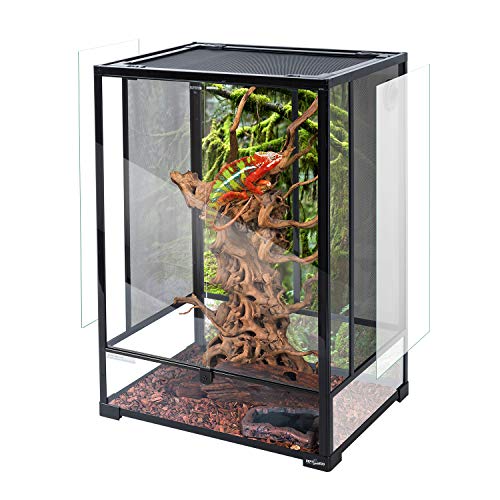
Your hatchling’s first home sets the stage for its entire life. I started my gecko Griffey in a 10-gallon tank, which felt huge for his tiny body. A smaller enclosure for the first few months makes them feel secure and helps you easily monitor their health and eating habits. You don’t want them getting lost or struggling to find their food. Understanding gecko housing requirements and the appropriate tank size for your species helps you set up a safe, comfortable home. Tailor the enclosure to the species’ needs.
Temperature is non-negotiable for a cold-blooded baby. One side of the tank needs a warm spot around 88-90°F, created by an under-tank heater regulated by a thermostat. The cool side should sit at room temperature, around 75°F. This gradient lets your gecko self-regulate its body temperature, which is fundamental for digestion and comfort. These are the leopard gecko tank temperature requirements in practice. Maintaining that gradient helps ensure your pet stays healthy and comfortable. At night, all heat sources can turn off as long your home doesn’t dip below 65°F.
Humidity is another silent partner in your gecko’s health. I keep a simple digital hygrometer in the tank. You’re aiming for a general humidity level between 30-40%, spiking to 70-80% in a designated humid hide to help with habitat humidity for shedding. A quick spray of dechlorinated water in that hide each day does the trick. That humidity setup also makes shedding smoother and less stressful for your gecko. Stick with stable, targeted humidity and you’re actively creating the perfect habitat for easy gecko shedding.
Choosing the Right Substrate and Hides
I learned this the hard way with my first gecko: the floor matters. For hatchlings, the safest, most recommended substrate is plain paper towel. Paper towel is inexpensive, sterile, and allows you to clearly monitor droppings for signs of health. It also eliminates any risk of accidental ingestion, which can be fatal with loose substrates like sand.
Hides are your gecko’s safe spaces, and you need at least three. Provide one on the warm end, one on the cool end, and a humid hide in the middle. The humid hide, packed with damp sphagnum moss or paper towels, is a lifesaver during shedding periods. You can easily create a DIY humid hide for your gecko to ensure proper moisture levels. I use simple, opaque plastic containers with a hole cut in the side-they’re dark, snug, and make my geckos feel invisible and safe.
Arrange the hides and any décor simply. A cluttered tank can be stressful, while a well-organized one with clear sightlines to food and water reduces anxiety. Leave an open area for a shallow water dish and another for feeding.
Observing Your Hatchling’s Behavior and Health
Daily Health Check Routines
Make a habit of a quick, non-invasive visual check every day. I do this during feeding time in the evening when my geckos are naturally active. Look for clear, bright eyes, a plump tail (their fat storage), and an alert posture. A healthy hatchling will be curious, even if it’s shy.
Monitor their eating and drinking habits closely. It’s normal for a new hatchling to not eat for the first few days, but they should start showing interest soon after. Keep a simple log of when and how much they eat; this is your first indicator something is wrong if they suddenly stop. Check that their water dish is clean and full daily.
Once a week, do a more thorough check during tank cleaning. Gently note their body condition-the spine shouldn’t be visible, and the hip bones shouldn’t be prominent. Their skin should look clean and be free of any stuck shed, especially on their tiny toes.
Recognizing Early Stress Signals
Geckos speak through their behavior. A stressed hatchling will often try to escape constantly, frantically climbing the glass walls. This behavior, called glass surfing, is a major red flag that their environment is causing them distress. If you see this, reassess your setup for temperature, hides, and overall security.
Hiding all the time is another sign. While they are naturally crepuscular, a hatchling that never emerges, even at dusk, is likely feeling vulnerable. A complete refusal to eat for more than five days, especially when coupled with weight loss, warrants a vet visit.
Listen for sounds, too. While leopard geckos are generally quiet, a sharp, repeated squeak or chirp is a distress call. Any vocalization beyond a soft, singular chirp usually means “back off, I’m scared.” Pay attention, respect their space, and you’ll learn their unique language of comfort and fear — both vocal and physical signals.
Step-by-Step Gentle Handling Techniques
Approaching and Lifting Your Hatchling
Your first move is the most important. I always approach my hatchlings, like little Mookie, from the side and below their line of sight. A hand coming from above looks like a predator. Move in slow, fluid motions-no sudden jerks.
Place your hand gently on the terrarium floor, palm up, and let them investigate. Patience is your absolute best tool here; let the gecko choose to walk onto you. This initial curiosity is the foundation of all future handling. When children are involved, keep sessions short and always supervised, so handling remains safe and positive. This approach helps gradually introduce kids to gecko handling with confidence.
- Wash your hands thoroughly with unscented soap first. Your scent should be neutral, not like lunch.
- Perform this during their normal waking hours, never when they are sleeping or hiding.
- Keep handling sessions incredibly short-just two to three minutes for the first few weeks.
Safe Holding and Release Methods
Once your hatchling is on your hand, keep your movements steady. Cup your other hand loosely over them to create a secure, dark “cave.” This prevents panic jumps. Always handle them close to a soft surface, like over your lap or a bed.
The key to safe release is letting them walk off your hand back onto a familiar surface, never pulling or dropping them. I lower my hand into the terrarium and stay perfectly still until Jeter decides his exploration is over. This teaches them that your hand is a safe taxi, not a trap.
- Sit on the floor to minimize the falling distance.
- Keep one hand as a stable “platform” and the other as a gentle “guard rail.”
- Never hold a hatchling by its tail. Their tails can detach as a defense mechanism.
Socialization Do’s and Don’ts for New Hatchlings
Building Trust Through Positive Interactions
Socialization isn’t just about holding them. It’s about creating positive associations with your presence. I spend time each day just sitting by the terrarium, talking softly to my geckos. They learn your voice and scent aren’t threats.
The most effective trust-building exercise is hand-feeding with soft-tipped tweezers. Offering a tasty waxworm from your fingers (or tweezers) links you directly with a wonderful experience. I watched my timid A-Rod transform from a recluse to eagerly awaiting my hand at feeding time.
- DO keep handling sessions brief and positive. End on a good note.
- DO be consistent. Short, daily interactions are far better than one long, stressful session per week.
- DO respect their body language. If they seem stressed, put them back and try again tomorrow.
Handling Mistakes to Avoid
I learned some of these lessons the hard way. The biggest mistake is rushing the process. Forcing a scared hatchling to be held will destroy trust and can literally make them sick from stress.
Avoid handling your hatchling for at least two weeks after you bring them home; they need that time to destress and settle into their new environment. I made this error with my first gecko and it set back our bonding significantly.
- DON’T handle them after they’ve eaten. Wait at least 24 hours to avoid regurgitation.
- DON’T allow loud noises, other pets, or young children near during handling sessions.
- DON’T grab them if they try to run. Be a calm, steady presence, not a chasing predator.
Optimal Times and Frequency for Handling
Timing is everything when you’re building trust with a creature the size of a paperclip. Getting the schedule wrong is the fastest way to terrify your new pet, but getting it right builds a bond that lasts for decades.
When to Handle for Minimal Stress
I learned this the hard way with my first hatchling, Griffey. I’d try to handle him after his light turned off, and he’d scramble like I was a monster emerging from the shadows. Geckos are crepuscular, meaning they are most active at dawn and dusk.
The absolute best time to handle your hatchling is during the early evening, about 30-60 minutes after their lights have dimmed for the night. This is when they are naturally waking up and beginning to explore.
- Early Evening (Post-Dusk): This is their natural “start of the day.” They are alert but not yet in full hunting mode.
- After a Successful Meal: A gecko with a full belly is often a calmer gecko. Wait at least 24 hours after they’ve eaten to avoid causing regurgitation.
- Avoid Mid-Day: Never handle during the day. This is their prime sleeping time, and you will startle them deeply.
Adjusting Handling as Your Hatchling Grows
A brand-new hatchling is fragile, both in body and spirit. My little Mookie Betts was a blur of panic at first. You must start with incredibly short, positive sessions and gradually build up as their confidence-and size-grows.
- Weeks 1-2 (The Settling-In Period): No handling at all. Let them acclimate to their new home’s sights and sounds.
- Weeks 3-4 (The Introduction): Begin with just 2-3 minute sessions, only 2-3 times per week. The goal is simple: get them used to your presence.
- Months 2-4 (Building Trust): If they are calm, you can slowly increase to 5-minute sessions, 3-4 times a week.
- Months 5+ (Juvenile Stage): By now, a well-socialized gecko can often handle 10-15 minutes of interaction a few times a week. Let their behavior be your guide.
Recognizing and Reducing Stress in Your Hatchling
A stressed gecko is an unhappy gecko, and chronic stress can shut down their immune system. Chronic stress can suppress their immune defenses, making infections more likely. Keeping stress low helps keep their immune system functioning. Learning to read their tiny body language is your most important skill as a keeper. I’ve seen everything from subtle color shifts in my Crested Gecko, Jeter, to full-blown tail drops.
Immediate Calming Techniques
If your hatchling is showing stress signs during handling, you need to act fast. The goal is to make them feel secure, not trapped.
- The “Hand Bridge”: Let them walk from one of your hands to the other in a continuous, slow motion. This makes them feel like they are escaping, while you remain in control.
- Provide a Hiding Spot: Cup your free hand loosely over them to simulate a dark, safe hide. The sudden darkness is often instantly calming.
- Lower Them: Move your hands down close to a soft, secure surface like a bed or a sofa. Height equals danger to a gecko.
- End the Session: If they don’t calm down within a minute, gently return them to their enclosure. A negative experience is worse than no experience.
Long-Term Stress Prevention
Prevention is always better than a cure. A-Rod, my Fat-Tailed Gecko, taught me that some geckos will always be more introverted, and that’s okay. Your job is to create an environment where they feel so safe that handling becomes a minor event, not a major ordeal.
Ensure their enclosure is a true sanctuary. This means plenty of clutter-fake plants, cork bark, multiple hides-so they never feel exposed. Keep their tank in a quiet part of the home, away from the blare of the TV and the vibrations of slamming doors.
Most importantly, become a predictable presence. I make a habit of just sitting by my geckos’ tanks while I read, so they learn my scent and shape without any pressure to interact. Talk to them softly when you feed them. This consistent, non-threatening exposure is the bedrock of a trusting relationship. Watch their poop, too-consistent, well-formed droppings are a great sign of a low-stress gecko.
Common Questions
How often should I feed my new gecko hatchling?
You should offer a diet of appropriately sized, gut-loaded insects daily in the evening.
How frequently should I perform a detailed health check on my hatchling?
Conduct a thorough health check once a week during your regular tank cleaning.
Is it safe to introduce my new hatchling to my other pet geckos?
You should never house hatchlings with adult geckos or other reptile pets.
Your Gecko Journey Starts Now
Success with your new gecko hatchling boils down to patience and gentle consistency. Always let your gecko settle in first, use slow movements to build trust, and keep handling sessions brief and positive. Proper care for baby geckos is crucial during this early phase. Watch their body language closely-they will tell you when they are comfortable or need a break.
Remember, bringing a gecko home is a long-term commitment to their well-being. Caring for an animal is a continuous learning experience, and I’m still learning new things from my own geckos every single day. For Mediterranean house gecko care, this means a warm, dry terrarium with secure hiding spots. Their health also hinges on steady temperatures and careful handling. Stay curious, keep researching, and always prioritize your pet’s welfare above all else. For more trusted advice, you can always explore the other care guides right here on our blog.
Further Reading & Sources
- Crested Gecko Care – Pangea Reptile LLC
- How to Care for a Gecko Hatchling – PetHelpful
- Hatchling Leopard Gecko Care | The Gecko Spot
The Gecko Guide is your ultimate resource for gecko enthusiasts, providing expert advice and practical tips to ensure the health and happiness of your scaly companions. Alexander is a passionate gecko owner with over a decade of experience in reptile care. We are dedicated to offering accurate, up-to-date information to support your gecko journey.Our mission is to foster a community of responsible gecko owners who are passionate about the well-being of these fascinating creatures.
Handling & Behavior Signs