
Leopard Gecko Eye Problems: A Complete Care Guide
Published on: February 4, 2026 | Last Updated: February 4, 2026
Written By: Alexander 'Gecko Geek' Johnson
Is your leopard gecko squinting, keeping one eye shut, or has its eye started to look cloudy or swollen? Seeing something wrong with your gecko’s eyes is worrying, and you’re right to look for answers immediately.
I’ve been in your exact position with my own gecko, Griffey, and I’m here to help you figure it out. In this guide, I’ll walk you through the common issues, so you can spot the signs early and know what to do. We will cover:
- How to identify the most frequent eye problems.
- Safe, step-by-step home care you can provide.
- When a situation becomes a true veterinary emergency.
You’ll get clear, practical advice based on both established reptile medicine and my own hands-on experience. The key topics we’re covering are: Stuck Shed, Eye Infections, Corneal Ulcers, Vitamin A Deficiency, Parasites, and Proptosis (eye popping out).
How Leopard Gecko Eyes Work and Common Problems
Leopard geckos have fascinating eyes that function quite differently from ours. They lack movable eyelids, relying instead on a transparent membrane called a spectacle to protect and moisten their eyes. To clean them, they use their tongue to lick away debris, much like how a cat grooms itself. You might wonder, why do geckos lick their eyes? It’s to keep the spectacle clean and moist since they lack movable eyelids, something owners often notice. Those small head holes you see are actually their ear canals, which play a role in overall health by helping regulate pressure and detect vibrations—keeping them clean can prevent issues that might affect the eyes.
Common eye problems in leopard geckos include conjunctivitis (an inflammation often from bacteria or irritants), corneal ulcers (scratches on the eye surface), and abscesses (painful pus-filled swellings). Risk factors often stem from poor habitat hygiene, rough substrate, or vitamin A deficiencies in their diet. For instance, dusty environments can lead to infections, while inadequate nutrition weakens their immune response. By keeping enclosures clean, using appropriate substrates, and providing balanced nutrition with vitamin A as directed, you can prevent many of these common health problems. Regular veterinary checkups and attentive husbandry help catch issues early and keep geckos healthy.
Gecko vision is tailored for their nocturnal lifestyle—they see well in low light and can detect movement sharply, but their world is less detailed than ours. Imagine their sight as a high-contrast night vision camera, perfect for spotting prey in dim conditions but not for reading fine print. Gecko vision can be explained by their eye anatomy, which includes a high density of light-sensitive cells and specialized retinal structures for low-light performance. This anatomy also supports some color perception in dim light, helping explain their distinctive night vision. This adaptation helps them thrive but also makes them prone to eye strain from bright lights.
Leopard Gecko Eye Anatomy and Function
Leopard geckos keep their eyes moist through the spectacle, which acts like a permanent contact lens, and they regularly lick them to remove dirt. This natural cleaning behavior is vital; if you notice your gecko isn’t doing this, it could signal an issue. Their eyes are highly sensitive to light changes, allowing them to hunt effectively at dusk or dawn.
The head holes, or ear canals, are located just behind the eyes and are part of a delicate system. Keeping these areas free of wax buildup or mites is crucial, as blockages can lead to secondary eye infections. From my experience with Griffey, I once found that a dirty habitat led to mild ear irritation, which made him rub his eyes more often-a reminder that overall cleanliness supports eye health.
Frequent Leopard Gecko Eye Issues
Eye problems can range from infections to injuries, often showing clear symptoms. Vitamin deficiencies, particularly vitamin A, are a common culprit, leading to dry eyes or difficulty shedding around the eye area. Injuries might occur from sharp decor or fights with tank mates, while infections can arise from unsanitary conditions.
| Issue | Symptoms | Common Causes |
|---|---|---|
| Conjunctivitis | Redness, swelling, discharge | Bacteria, allergens, poor hygiene |
| Corneal Ulcer | Cloudiness, squinting, pain | Scratches, foreign objects, rough handling |
| Abscess | Bulging eye, pus, lethargy | Untreated infection, injury |
| Vitamin Deficiency | Dry eyes, stuck shed, vision loss | Imbalanced diet, lack of supplements |
Recognizing Symptoms: What’s Wrong with Your Gecko’s Eye?
Spotting eye issues early can save your gecko from discomfort. Look for visible signs like swollen, red, or cloudy eyes, as well as any discharge that might crust over and stick the eye shut. These eye changes can be early warning signs that your gecko is ill. If you notice persistent symptoms, consult a reptile veterinarian promptly. Many owners wonder why their gecko’s eyes are always closed—this often indicates pain or irritation, not just sleep. If the eye appears black, it’s usually the normal pupil, but a sudden change could mean internal damage.
For a simple home inspection, gently observe your gecko in a well-lit area. Check for symmetry between both eyes, any unusual bulges, or debris trapped under the spectacle. I always do this during feeding time with my geckos, as it’s when they’re most active and easier to assess without stress.
Visual Clues of Eye Distress
Conjunctivitis typically shows as puffy, red eyes with possible mucus-like discharge. Corneal ulcers might make the eye look hazy or scratched, while abscesses cause obvious swelling and can even push the eye outward. If you see sudden, severe swelling or pus, treat it as an emergency-these signs can escalate quickly and require vet attention.
With Jeter, my crested gecko, I once noticed a slight cloudiness that turned out to be a minor ulcer from a branch scrape. Catching it early meant a quicker recovery with proper care, highlighting how visual changes are your first alert.
Behavioral Changes Linked to Eye Problems
Behavior shifts are strong indicators of eye discomfort. Lethargy, such as spending more time hiding or refusing food, often pairs with eye issues because geckos feel vulnerable. Rubbing their eyes against tank surfaces is a clear sign of irritation, and avoiding light by staying in dark corners suggests sensitivity or pain. These signs can also reflect environmental stress, such as improper temperature, humidity, or lighting. Ensuring proper husbandry can reduce stress and lessen eye-related symptoms.
From my own mishaps, I recall Mookie, my gargoyle gecko, started leaping less and clinging to lower perches when he had an eye infection. These subtle cues, like reduced activity or altered habits, are your gecko’s way of saying something’s wrong-so always trust your observations.
Immediate Home Care for Leopard Gecko Eye Issues
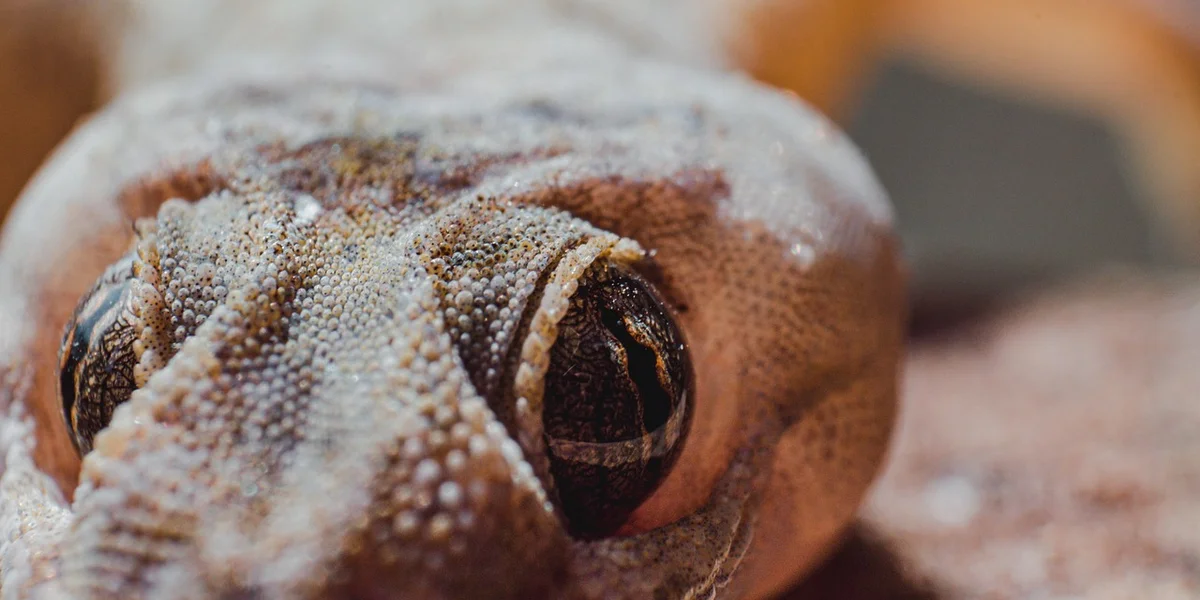
When your leopard gecko shows eye trouble, quick action at home can prevent bigger issues. From my time with Griffey, I learned that gentle home care often resolves minor irritations before they escalate. Always approach with calm hands and a patient heart.
- For saline rinses, use sterile saline solution from a pharmacy-never homemade salt mixes. Apply one drop to the affected eye to flush out debris.
- Warm compresses involve soaking a clean cloth in warm water, wringing it out, and holding it gently against the closed eye for 30-60 seconds to loosen crust or discharge.
- Do use clean, soft materials like cotton swabs or gauze; don’t press hard or rub the eye, as this can cause scratches.
- Home care is enough for slight redness or temporary stuck shed, but stop and call a vet if swelling lasts over a day or the gecko stops eating.
Step-by-Step Eye Cleaning and First Aid
Cleaning a stuck-shut eye requires a steady hand and a quiet environment. I’ve found that keeping Griffey wrapped in a soft towel reduces stress and makes the process smoother for both of us. Follow these steps to avoid injury.
- Gather supplies: sterile saline, cotton swabs or pads, a small bowl of warm water, and a clean towel.
- Restrain your gecko gently by wrapping it in the towel, leaving the head exposed.
- Moisten a cotton swab with saline and softly wipe from the inner corner outward, never prying the eye open.
- If discharge is thick, apply a warm compress first to soften it, then repeat cleaning.
- Reward your gecko with a quiet rest in its enclosure afterward to reduce stress.
- Supplies needed: sterile saline solution, cotton swabs or balls, warm water, clean cloth or towel, and a small dish.
Supportive Care During Recovery
Healing takes a cozy setup and extra TLC. Adjusting the enclosure to minimize stress can speed up recovery, much like I did when Griffey needed a break from his usual antics. Focus on comfort and nutrition to support their immune system.
- Keep the enclosure clean and slightly drier to prevent bacterial growth; avoid loose substrates that can irritate eyes.
- Ensure a hide box is available in a warm, quiet spot to reduce exposure to light and activity.
- Hydration is key-offer fresh water daily and consider misting the air lightly if humidity is low.
- Boost diet with gut-loaded insects dusted with calcium and vitamins; softer foods like mealworms can be easier to eat if the gecko is lethargic.
When to Seek Veterinary Care for Eye Problems
Some eye issues scream for professional help. Ignoring signs like persistent swelling can lead to vision loss, so always err on the side of caution for your gecko’s welfare. I rushed Griffey to the vet once for a cloudy eye, and it saved his sight.
- Seek immediate vet care for injuries, bulging eyes, pus-like discharge, or if the gecko keeps its eye shut for more than 24 hours.
- During a vet visit, expect a physical exam, possible eye stain tests to check for ulcers, and cultures for infections.
- Advocate for your pet by asking about pain management and follow-up care; vets appreciate owners who prioritize animal well-being.
Diagnosing Eye Issues with a Vet
Vets use precise tools to pinpoint problems. Based on my visits, I always ask about less invasive options first to keep my geckos calm and comfortable. Diagnosis often involves a mix of observation and technology. Think of it as the ultimate gecko health troubleshooting checklist—a clear step-by-step diagnostic guide. It outlines common signs, likely causes, and simple checks you can do at home before a vet visit.
- Vets may perform a fluorescein stain test to detect corneal scratches or use swabs for bacterial cultures.
- In severe cases, imaging like X-rays can rule out underlying issues like abscesses or foreign bodies.
- Questions to ask: What is the likely cause? Are there home care steps I can continue? How can I prevent recurrence?
Common Veterinary Treatments
Treatment depends on the diagnosis but often includes medications or procedures. Seeing Griffey bounce back after antibiotic therapy reinforced how vital vet care is for serious conditions. Here’s a quick guide to common options.
- Antibiotic eye drops or ointments fight bacterial infections; apply as directed, usually twice daily.
- Surgery might be needed for stuck shed removal or to address injuries, performed under anesthesia for safety.
- Supplements like vitamin A can support eye health in cases of deficiency, given orally or in diet.
| Medication | Common Use |
|---|---|
| Antibiotic Ointment (e.g., Terramycin) | Treats bacterial eye infections |
| Artificial Tears | Moisturizes dry or irritated eyes |
| Vitamin A Supplements | Addresses deficiencies affecting eye health |
| Anti-inflammatory Drops | Reduces swelling and pain |
Preventing Eye Problems with Proper Leopard Gecko Care
Preventing eye issues is far easier than treating them, and it all comes down to consistent, high-quality care. My gecko Griffey has never had an eye problem, and I firmly believe it’s because his habitat and diet are dialed in from day one. Let’s break down the core pillars of preventative care.
Environment and Husbandry for Healthy Eyes
A clean and safe enclosure is your first line of defense. Dust, bacteria, and physical injury are major culprits for eye trouble.
- Substrate Choice: Avoid loose, dusty substrates like sand or calcium sand, which can easily get kicked into eyes. I use paper towel, slate tile, or a bioactive soil mix for my crew.
- Humidity Control: Aim for a humidity range of 30-40%. Too dry, and they can have trouble shedding the skin around their eyes; too humid, and you risk bacterial growth.
- Avoid Overcrowding: House geckos separately. My A-Rod is a territorial fat-tail, and I’ve seen how stress from cohabitation can lead to suppressed immune systems and health issues.
- Enclosure Hygiene: Spot clean waste daily and do a full substrate change and decor disinfecting monthly. A dirty tank is a breeding ground for trouble.
Nutrition and Supplementation
What your gecko eats directly fuels their health, and their eyes are a direct window to their nutritional status. However, there are 9 common gecko diet myths that can cause health issues if followed. Understanding and avoiding these myths is key to proper nutrition.
Vitamin A is the superstar nutrient for gecko eye health. A deficiency can lead to swelling, difficulty shedding around the eyes, and even corneal ulcers.
- I use a high-quality reptile multivitamin that contains Vitamin A (as retinol or beta-carotene) and dust my geckos’ feeders with it once a week.
- Gut-load your feeder insects with nutritious veggies like carrots, sweet potato, and dark leafy greens 24 hours before feeding.
- Provide a shallow water dish with fresh water daily. Proper hydration supports all bodily functions, including maintaining healthy eye fluid.
Long-Term Monitoring and Eye Health Maintenance
Vigilance is your greatest tool. Catching a small issue early can prevent a major health crisis down the road. I make a point to simply watch my geckos for five minutes each evening; their behavior tells me everything I need to know.
- Track eye clarity, size, and how often they are open. Both eyes should look symmetrical.
- Schedule a routine vet check-up at least once a year, even for a seemingly healthy gecko.
- Signs of improvement include clear, fully open eyes and normal hunting behavior. Worsening signs are persistent swelling, cloudiness, or the gecko keeping one eye closed.
Routine Eye Checks and Record-Keeping
You don’t need to be a vet to do a basic weekly inspection. During handling or feeding time, take a moment to look closely.
- Check for any discharge, crust, or debris around the eyelid.
- See if the eye looks sunken or overly bulging compared to the other.
- Note the color of the cornea; it should be clear, not cloudy or blue-ish.
I keep a simple notepad log for each of my geckos, jotting down anything unusual I see. This record is invaluable for my vet, providing a timeline that helps with diagnosis.
Adjusting Care Based on Gecko’s Age and Health
Your gecko’s needs will change throughout its life, and your care should adapt accordingly.
- Juveniles: They grow fast and need more frequent feedings with calcium and multivitamin dusting to support development, including their eyes.
- Adults & Seniors: My gecko Babe is a robust five-year-old. I watch his weight closely and ensure his UVB lighting is optimal, as older geckos can have more trouble metabolizing calcium, which impacts overall health.
- Geckos with Chronic Issues: For a gecko with a history of eye problems, I might provide a permanent humid hide to aid with every shed and be extra diligent with supplement schedules.
FAQs
How can I tell if my leopard gecko’s eye issue is an emergency?
Seek immediate veterinary care if you notice symptoms like bulging eyes, pus discharge, or if the gecko keeps its eye shut for more than 24 hours. These signs indicate that your gecko needs to see a vet immediately to prevent serious complications.
What is the safest way to handle a leopard gecko with eye problems?
Gently wrap your gecko in a soft towel to minimize stress and prevent injury during any home care or inspection.
Can poor habitat conditions lead to recurring eye problems in leopard geckos?
Yes, unsanitary enclosures or inappropriate substrates can introduce irritants and bacteria that frequently cause eye issues.
Your Gecko’s Vision for a Healthy Life
From my own experience with Griffey, the most powerful medicine is often prevention. Keeping their habitat impeccably clean, maintaining proper humidity, and offering a balanced diet are your first and best lines of defense against most common eye issues. If you do spot a problem, acting quickly with a vet-approved saline rinse and seeking professional veterinary care can prevent a minor irritation from becoming a major health crisis.
Owning a leopard gecko is a wonderful, long-term commitment to a fascinating creature. Their well-being is a direct reflection of our dedication to learning and adapting our care over their entire lifespan. Understanding what different actions mean helps you interpret mood, stress, and needs. This awareness guides how you respond and care for them. Stay curious, keep asking questions, and continue to be the best advocate for your scaly friend’s health and happiness.
Further Reading & Sources
- What to Do If Your Leopard Gecko Has Eye Issues
- r/leopardgeckos on Reddit: Leopard gecko eyes have been like this for months now
- Treating Bacterial Conjunctivitis: Leopard Gecko Eye Infection Diagnoses
The Gecko Guide is your ultimate resource for gecko enthusiasts, providing expert advice and practical tips to ensure the health and happiness of your scaly companions. Alexander is a passionate gecko owner with over a decade of experience in reptile care. We are dedicated to offering accurate, up-to-date information to support your gecko journey.Our mission is to foster a community of responsible gecko owners who are passionate about the well-being of these fascinating creatures.
Gecko Health