
Leopard Gecko Climbing Behavior: A Complete Guide
Published on: May 18, 2026 | Last Updated: May 18, 2026
Written By: Alexander 'Gecko Geek' Johnson
If you’ve spotted your leopard gecko scaling the glass walls of its tank, you might be wondering if this is a fun pastime or a serious cry for help. I’ve spent many late nights watching my own gecko, Griffey, and I understand that mix of fascination and worry.
Let’s look at the key takeaways you’ll get from this guide:
- How to tell the difference between normal exploration and stress-driven glass surfing.
- The simple tank upgrades that can satisfy your gecko’s natural urge to climb.
- Critical signs that the climbing is a symptom of a bigger health or habitat problem.
You will walk away with clear, actionable advice to ensure your pet is happy and healthy. We will cover: normal climbing habits, stress signals, health concerns, and tank improvement ideas.
Understanding Your Leopard Gecko’s Natural Climbing Instincts
Leopard geckos are not arboreal like their crested gecko cousins, but that doesn’t mean they’re completely grounded. In their native rocky, arid habitats, they navigate low rock faces and uneven terrain. This means a bit of climbing is a perfectly natural expression of their wild instincts. I’ve watched my own leopard gecko, Griffey, spend a good ten minutes methodically scaling a textured background, not because he was stressed, but because he was simply curious about the new vantage point.
Think of it less like a monkey swinging through trees and more like a tiny, four-legged rock climber. They use their sharp claws for grip on porous surfaces. This low-level scrambling is their version of exploring their world and finding the perfect warm basking spot or a secure hide. It’s enrichment, plain and simple.
Spotting Normal Leopard Gecko Climbing Behavior
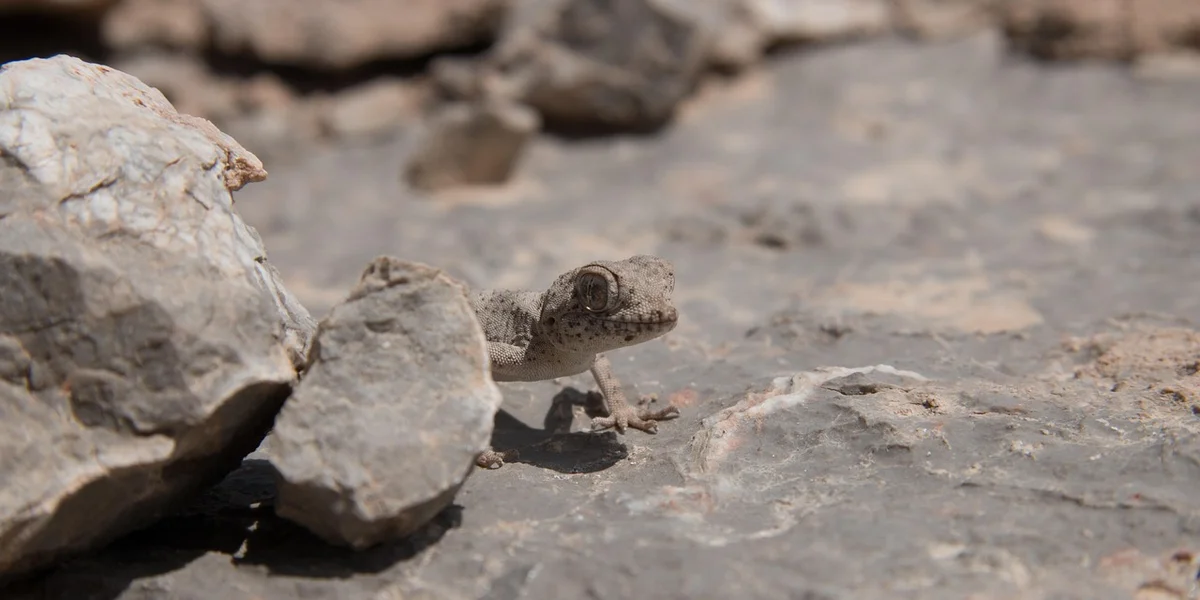
So, what does healthy, normal climbing look like in your tank? It’s typically calm, controlled, and purposeful. You’re looking for confident movement, not frantic scrambling.
- Exploring Hides and Décor: Climbing onto a flat-top hide or a low branch is a classic sign of a gecko checking out its territory.
- Basking Spot Hunting: They will often climb a short distance to get closer to their heat source, maximizing that cozy warmth.
- The “Glass Surfing” Occasion: Brief periods of standing against the glass, especially around feeding time, is normal excitement. It becomes a problem when it’s constant.
- Confident Grip and Posture: A normal climbing gecko has a firm hold, moves deliberately, and doesn’t seem shaky or unstable.
My gecko A-Rod, for instance, is a master of this. He doesn’t climb often, but when he does, it’s with a slow, determined grace to rearrange a magnet leaf to his exact specifications. The key is that normal climbing is intermittent and seems to have a clear, calm goal. It’s just part of their daily routine, not a constant, distressed behavior. That distinction helps us tell gecko stress from normal behavior. If climbing becomes constant or frantic, it may indicate stress that needs attention.
Red Flags: Signs of Abnormal and Dangerous Climbing
When Climbing Leads to Injury and Tail Shedding
I learned the hard way with my first gecko that not all climbing is a fun adventure. One frantic night of glass surfing led to a nasty fall and a lost tail. Any climbing that results in physical harm is a major red flag that your setup or your gecko’s health needs immediate attention—from glass surfing and climbing walls to unchecked stress behaviors.
Watch for these specific danger signs:
- Frequent falls from a significant height, especially if they land awkwardly.
- Visible limping or favoring one leg after a climbing attempt.
- Aborted tail sheds caused by constant rubbing against rough surfaces.
- Nose rubs-raw, red, or scabbed areas on the snout from persistent glass surfing.
- Actual tail loss, which is a huge stress response and a sign something is very wrong.
If you see any of these, it’s time to play detective. Your gecko is trying to tell you something is off.
Why Is My Leopard Gecko Climbing So Much? The Main Causes
Behavioral and Environmental Triggers
Most excessive climbing is a gecko’s direct response to its environment. I’ve seen my gecko, Griffey, go from calm explorer to frantic window-scaling acrobat just because I moved a piece of furniture in the room. The most common reason for a gecko’s sudden climbing frenzy is an environmental stressor they are trying to escape. Stress-related behaviors in geckos can include frantic climbing and pacing.
Here are the usual suspects to check first:
- Temperature Troubles: Is the hot spot too hot? Is the cool side not cool enough? They will climb to find a comfortable zone.
- Inadequate Hides: If they don’t feel secure in their ground hides, they might seek safety up high, which isn’t their natural instinct.
- Reflections: They see their own reflection and perceive it as a rival gecko, leading to defensive glass surfing.
- Improper Substrate: Loose, irritating, or overly humid substrate can make them want to get their feet off the ground.
- Boredom: A barren tank with nothing to do can lead to pacing and climbing out of sheer frustration.
Underlying Health Issues to Rule Out
Sometimes, the problem isn’t the tank—it’s the tenant. When my gecko A-Rod started obsessively climbing his cave walls, a vet visit revealed an early-stage parasitic infection making him restless. A sudden, persistent change in climbing behavior can be one of the first visible signs of an underlying health problem. These early warning signs are exactly what gecko owners should watch for. Noticing them early can prompt timely veterinary care.
Before you assume it’s behavioral, consider and rule out these medical causes:
- Parasites: Internal parasites can cause general discomfort and restlessness.
- Impaction: A blocked digestive tract is painful, and they may climb and press their belly against surfaces trying to find relief.
- Metabolic Bone Disease (MBD): Weak, painful bones from calcium deficiency can make them move erratically, including awkward climbing attempts.
- Skin Infections or Mites: Irritated skin can make them rub and climb against objects to scratch.
- Neurological Issues: In rare cases, odd, uncoordinated climbing can point to a neurological disorder.
If your gut tells you the climbing isn’t normal, trust it. A quick check-up with a reptile-savvy vet can provide peace of mind or catch a problem early. If you’re seeing crested gecko climbing problems, it’s worth investigating the causes and taking steps to solve them. Doing so helps ensure your gecko can climb safely and stay healthy.
Creating a Safe and Fun Climbing Environment
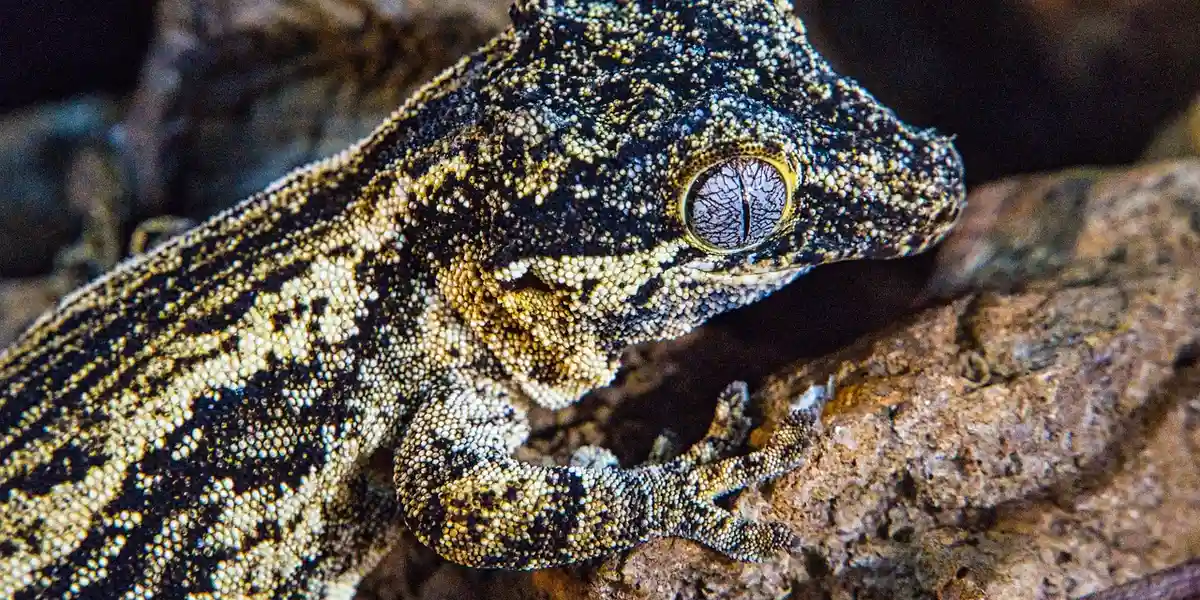
My leopard gecko, Griffey, taught me that a good climbing setup is like a well-designed playground. It should be engaging, but above all, safe. A proper climbing environment satisfies their natural curiosity while drastically reducing the risk of injury. For hatchlings, an ideal habitat setup centers on low, safe climbing options and accessible hides. Keep temperatures steady to help little geckos feel secure as they explore.
Choosing the Best Climbing Accessories and Toys
Not all decor is created equal. I’ve bought my fair share of accessories, and the ones that get used daily share a few key traits. You want items that provide texture, stability, and multiple uses.
- Cork Rounds & Flats: This is my top recommendation. The rough, natural bark gives their tiny claws perfect grip. A cork round laid on its side creates a tunnel and a climbing ramp all in one.
- Low, Sturdy Branches: Look for reptile-safe woods like ghostwood or mopani. Avoid anything too tall or slippery. The goal is horizontal climbing, not sky-scraping.
- Slate Tile or Stone Slabs: Stacked securely with non-toxic aquarium silicone, these create stable, multi-level ledges. They also hold heat beautifully from your under-tank heater.
- Reptile Hammocks: Choose ones made of a rough, fibrous material, not smooth nylon. Position them very low to the ground at first to see if your gecko takes to it.
Steer clear of smooth, plastic vines and excessively tall, wobbly ornaments. Your gecko will struggle to grip them, leading to frustrating slips and potential falls. I learned this the hard way with a shiny plastic log that Griffey constantly slid off of. This is a reminder that common gecko behavior myths are debunked—geckos don’t grip slick surfaces as easily as people think. They still need textured, stable surfaces to climb safely.
Enclosure Setup to Prevent Escapes and Hazardous Falls
Leopard geckos are surprisingly determined when they want to explore beyond their walls. Understanding their escape attempts is crucial to ensuring a secure setup, which is non-negotiable.
Your first line of defense is a tightly secured lid. Even a small gap is an invitation for an escape artist. I use a front-opening terrarium with a locking mechanism, which eliminates the lid-lifting risk entirely. For screen-top tanks, heavy-duty clips on all sides are a must.
Inside the tank, think about the “fall zone.” Arrange your climbing decor strategically.
- Place taller structures against the walls, not in the middle of the enclosure. This shortens the potential fall distance.
- Create a “soft landing” area below any climbing spot. I use a patch of excavator clay substrate, which has some give, but even a flat piece of cork bark on the floor works.
- Avoid placing hard decor, like stone water dishes, directly beneath climbing paths. One of my geckos, A-Rod, once took a clumsy tumble right into his food dish. I moved it immediately.
The safest climbing is horizontal climbing. Focus on creating a complex landscape of low hills, tunnels, and wide ledges rather than a vertical jungle gym. This mimics the rocky outcrops they navigate in the wild and keeps all four feet much closer to the ground.
Here is a quick safety checklist I run through every time I rearrange a tank:
- Is the lid or door securely locked?
- Can all decorations withstand a curious gecko pushing against them without toppling?
- Are there any sharp edges or rough spots that could cause abrasions?
- Is there a clear, safe path for my gecko to get up and down from its favorite basking spot?
FAQs
Where can I find safe climbing accessories for my leopard gecko on Amazon?
Search for reptile-safe items like cork rounds or slate tiles on Amazon, focusing on highly rated products with positive feedback from leopard gecko owners to ensure safety and suitability.
Can I install a climbing wall in my leopard gecko’s tank?
Yes, you can add a low, textured climbing wall made from materials like cork or reptile-safe foam to encourage natural behavior while minimizing fall risks.
Why do leopard geckos climb everything, as often discussed on Reddit?
Common Reddit explanations point to factors like boredom, improper tank conditions, or stress, so review your setup for adequate hides, temperature control, and enrichment to address this.
What background is best for supporting leopard gecko climbing?
A textured, porous background made of materials like cork or specialized reptile foam offers ideal grip and mimics their wild environment for secure climbing.
Are rocks a good choice for leopard gecko climbing surfaces?
Yes, securely stacked, smooth rocks such as slate provide stable, heat-retaining climbing options that align with their natural rocky habitat.
Final Words
Ultimately, a bit of climbing is a healthy sign of a curious leopard gecko, but constant scrambling, sliding, and frantic glass-surfing are clear distress signals. If you’re wondering why my leopard gecko glass surfs, it’s usually a sign of stress or inadequate environmental conditions. The solution almost always lies in their environment—check your temperatures, provide plenty of floor-level hides, and ensure the enclosure feels secure and enriching.
Being a great gecko guardian means watching their behavior closely and being ready to adapt your care. Their actions are their only way to communicate, so keep learning and listening; your scaly friend will thank you for a long, happy, and stable life. For a deeper dive into understanding gecko behavior and temperament, check out our complete guide. It helps you interpret signals and tailor care to each gecko’s unique temperament.
Further Reading & Sources
- Leopard geckos and climbing enrichment! | Wiki | Reptiles Amino
- Can Leopard Geckos Climb Glass? – Dragon’s Diet
- Why is my leopard gecko always trying to climb the glass cage? – Quora
The Gecko Guide is your ultimate resource for gecko enthusiasts, providing expert advice and practical tips to ensure the health and happiness of your scaly companions. Alexander is a passionate gecko owner with over a decade of experience in reptile care. We are dedicated to offering accurate, up-to-date information to support your gecko journey.Our mission is to foster a community of responsible gecko owners who are passionate about the well-being of these fascinating creatures.
Handling & Behavior Signs