
What Are the Natural Breeding Seasons and Mating Cycles for Geckos?
Published on: May 16, 2026 | Last Updated: May 16, 2026
Written By: Alexander 'Gecko Geek' Johnson
Are you staring at your gecko’s terrarium, wondering if you’ve missed the perfect window for breeding or if you’re even interpreting their behavior correctly? That nagging uncertainty is something I’ve felt myself while observing my own crew, from Griffey’s energetic poses to Jeter’s calm perch.
I’ve successfully navigated breeding seasons with my geckos by paying close attention to nature’s signals. Here are three key takeaways we’ll explore together:
- How daylight, temperature, and humidity act as powerful seasonal triggers.
- Why breeding cycles vary dramatically between species like Leopard, Crested, and Giant Day Geckos.
- Clear signs of mating readiness and how to support your gecko’s health throughout the process.
You’ll walk away with a confident, practical understanding. We cover: species-specific cycles, environmental cues, mating behaviors, health monitoring, and responsible breeding practices.
What Triggers Gecko Breeding Seasons in the Wild?
In the wild, geckos don’t have calendars-they rely on nature’s signals to kickstart their breeding cycles. Seasonal shifts in temperature, daylight, and rainfall act like a biological alarm clock, telling geckos it’s time to mate. These cues are finely tuned to ensure babies hatch when food is plentiful and conditions are safe.
- Temperature changes: A drop in temperature often signals the end of harsh seasons. For instance, in arid regions, cooler nights after summer heat prompt species like leopard geckos to breed.
- Daylight (photoperiod): The length of day and night, known as photoperiod, regulates hormones. Shorter days in fall can trigger reproductive activity, as seen in geckos from temperate zones.
- Rainfall and humidity: In tropical habitats, the first heavy rains of the wet season boost insect populations and moisture, urging crested geckos to start their mating rituals.
Photoperiod is a big deal-it’s like a dimmer switch for their internal systems. When days shorten, it cues geckos to ramp up breeding behaviors, from calling to courting. Take Madagascar’s forests, where crested geckos live; the shift from dry to wet seasons, with increased daylight consistency, sparks a flurry of mating activity. I’ve noticed this in my own pets-mimicking these natural rhythms at home makes a huge difference.
How Mating Cycles Differ Across Popular Pet Gecko Species
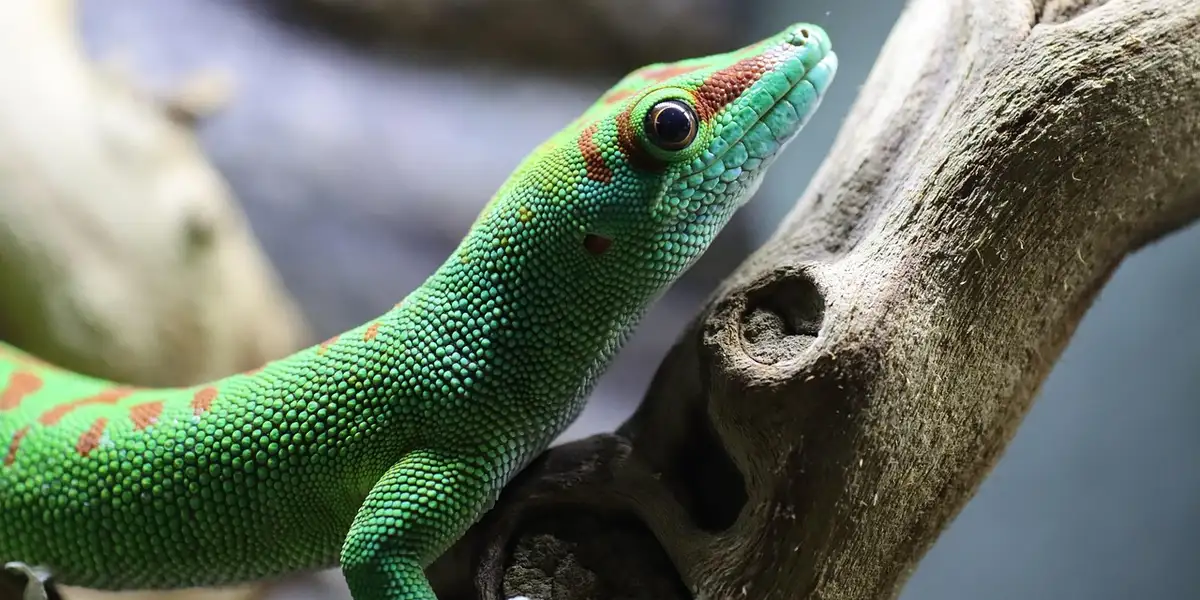
Each gecko species has its own unique breeding timeline, shaped by their native habitats. Understanding these cycles helps you provide better care and avoid stress for your pets. Tracking the gecko lifecycle milestones—egg, hatchling, juvenile, and adult—lets you plan feeding, lighting, and enclosure needs. These milestones guide your daily care decisions. Below, I break it down for the most common species, drawing from my years of hands-on experience.
Leopard Geckos: Cool-Weather Breeders
Leopard geckos typically breed from late winter to early spring, responding to cooler temperatures around 70-75°F. A slight chill in the air tells them it’s go-time for reproduction. In captivity, I simulate this by gradually lowering the terrarium temperature over a few weeks. My leopard gecko, Griffey, gets extra energetic and curious during this period—he’ll explore every hide like he’s scouting for a mate, which is his way of saying the season is on. Seasonal temperature adjustments in Griffey’s habitat help cue this cycle. I mimic the natural cooling and gradual warming to align with the seasons, supporting healthy breeding behavior.
Crested Geckos: Humidity-Lovers
Crested geckos breed during peaks in humidity and rainfall, often in the warmer months. Spikes in moisture mimic their tropical New Caledonian homes, triggering egg-laying. I use a misting system to replicate rainy seasons, and my crested gecko, Jeter, becomes calmer and more receptive to handling. He’ll perch high on branches, almost like he’s waiting for the perfect moment-a behavior I’ve linked to his natural readiness to mate.
African Fat-Tailed Geckos: Subtle Seasonal Shifters
These geckos breed with subtle environmental shifts, like a minor temperature drop to the mid-70s°F. They’re less dramatic in their cues, often breeding year-round if conditions are stable. My African fat-tailed, A-Rod, shows territorial habits by rearranging his décor when he senses these changes. It’s his way of claiming space for potential mates, something I’ve observed during slight seasonal adjustments in his enclosure.
Gargoyle Geckos: Climatic Responders
Gargoyle geckos respond to light and temperature variations, breeding in spring and summer when days are longer. Even small fluctuations in their environment can set off mating behaviors. My gargoyle, Mookie, has playful bursts of climbing and leaping between branches during these times. I see it as his version of showing off-a clear sign he’s primed for breeding, much like in the wild where climatic shifts dictate their cycles.
Giant Day Geckos: Light-Dependent Breeders
Giant day geckos rely heavily on consistent daylight and warmth, breeding throughout the year in stable, bright conditions. Longer photoperiods keep their reproductive hormones active. My giant day gecko, Babe, basks openly under his heat lamp when breeding cues are strong. His chubby tail and bold demeanor peak with extended light exposure, reminding me how vital photoperiod is for species that thrive on sunshine.
Spotting the Signs: Is Your Gecko Ready to Mate?
Watching your gecko for breeding cues is like learning a secret language. I’ve spent many evenings just observing my crew, and over time, their behaviors started to make perfect sense. Recognizing these signals is your first and most important step toward successful, stress-free breeding.
Behavioral Cues
Their behavior will change dramatically when hormones kick in. My male leopard gecko, Griffey, becomes a tiny, spotted whirlwind of activity.
- Courtship Displays: Males often perform a series of rapid, jerky head bobs or tail vibrations. It’s a comical little dance meant to impress a female.
- Vocalizations: Crested and Gargoyle geckos are the chatterboxes. Listen for soft chirping or barking sounds, especially at night. My Gargoyle, Mookie, gets particularly vocal.
- Increased Activity or Aggression: Males may pace the glass or become territorial. Females might wave their tails slowly, a signal of either interest or a warning to back off.
- Investigation: A receptive female will allow a male to approach and may even nuzzle him. A non-receptive one will arch her back, hiss, or even bite.
Physical Indicators
Their bodies tell a clear story if you know what to look for. I always do a weekly visual health check, which doubles as a great way to spot these changes.
- Weight Gain: Females, in particular, will become noticeably plumper and rounder around the abdomen as they develop eggs. This is a sure sign she’s cycling.
- Color Changes: Some geckos, like my Crested gecko Jeter, become more vibrant or intense in color when they are receptive to breeding.
- Pinkish Hue (Ovulation): In many species like Leopard geckos, you can see pinkish, grape-like shapes through the belly skin when a female is ovulating. This is a definitive sign she’s ready.
- Calcium Sacs: Look for bright white bulges in a female’s armpits or groin. These are her calcium reserves, which she’ll need for producing eggshells.
Steps to Observe and Document Safely
Rushing this process stresses your pets and can lead to failed pairings or injury. Patience is everything.
- Observe from a Distance: Spend 15-20 minutes each evening watching their interactions without disturbing them. Use a dim light or observe during their active dusk/dawn periods.
- Keep a Simple Log: Note the date and what you see. “March 10: Female allows male approach, no aggression.” This log is gold for predicting cycles next year.
- Introduce on Neutral Ground: If you house geckos separately, never put the male directly into the female’s enclosure. Use a neutral bin or a cleaned terrarium to avoid territorial fights.
- Always Supervise: Never leave a new pair unsupervised. Be ready with a piece of cardboard to gently separate them if the female becomes overly stressed or aggressive.
Environmental Cues You Can Mimic for Captive Breeding
In the wild, geckos don’t look at a calendar; they feel the seasons change. Your job as a keeper is to become the weather, gently guiding their internal clocks toward a breeding mindset. I’ve found this to be the most rewarding part of the process.
Practical Tips for Terrarium Adjustments
You don’t need fancy equipment, just consistency and attention to detail.
- Seasonal Light Cycles: Use a simple timer for your lights. Gradually increase day length in “spring” and decrease it in “fall” to simulate natural photoperiods.
- Temperature Gradients: Ensure your heat gradient is perfect. A cool end in the low 70s°F and a warm basking spot are non-negotiable for healthy hormone production.
- Humidity and Rain: For tropical species like Cresteds, a slight increase in misting frequency can mimic a rainy season, which often triggers breeding behavior.
- Ample Nutrition: In the weeks leading up to breeding season, ensure both males and females are on a top-quality diet. Well-fed geckos are healthy breeders.
Step-by-Step Guide to Simulating Seasonal Changes
Follow this slow and steady process. Rushing can do more harm than good.
- The Cooling Period (6-8 weeks): This is the most crucial phase. Gradually lower the nighttime temperature in the enclosure by about 10°F. For many species, aim for nights around 65-68°F. Reduce feeding slightly.
- Shorten the Days: Simultaneously, reduce the light cycle by an hour or two to mimic shorter winter days.
- The Warming Period: After the cooling period, gradually return temperatures and light cycles to their normal, warm-season parameters over 1-2 weeks.
- Increase Food and Hydration: As you warm things up, offer more frequent feedings and ensure fresh water is always available. This signals that “spring” has arrived and resources are abundant.
- Introduce the Pair: Once the environment is fully back to warm-season norms and you’re observing positive behavioral signs, you can carefully introduce your geckos.
Managing Temperature, Humidity, and Light Cycles
Getting these three elements right is the foundation of everything.
- Temperature: Use a reliable thermostat. A slight nighttime drop is natural and beneficial, but avoid drastic swings. I use digital thermometers at both the warm and cool ends.
- Humidity: Track it with a hygrometer. For arid species, keep it low (30-40%). For tropical species, a spike to 80% during misting that then drops is ideal.
- Light Cycles: Consistency is key. A simple $5 plug-in timer is your best friend here. It removes human error and provides the regular day/night cycle your geckos rely on.
Supporting Your Gecko Through the Reproductive Cycle
Once your geckos have successfully mated, your job as a keeper shifts from matchmaker to dedicated support staff. The female’s body is now working overtime, and her nutritional needs will skyrocket. I learned this the hard way with my first leopard gecko, Griffey, who became noticeably thinner after laying her first clutch.
Dietary Adjustments for a Gravid Female
A female producing eggs is essentially running a marathon. Her body is depleting its calcium and fat reserves to form those shells and yolks.
- Dust feeder insects with a calcium supplement at every single feeding.
- Provide a small, shallow dish of pure calcium powder without D3 inside the enclosure at all times. She will self-regulate and lick from it as needed.
- Increase the frequency of feedings. I offer my gravid females food every day or every other day, compared to the usual every 2-3 days.
- Gut-load your feeder insects with highly nutritious foods like sweet potato and leafy greens to pass on those nutrients.
Creating the Perfect Nesting Box
Geckos need a specific, humid place to lay their eggs, or they may become “egg-bound,” a dangerous condition. A nesting box is non-negotiable. In a proper breeding enclosure, you’ll provide a dedicated humid nesting area. This setup supports safe egg laying and incubation.
- Use a small, opaque plastic container with a hole cut in the lid for entry.
- Fill it 3-4 inches deep with slightly damp sphagnum moss or a vermiculite/perlite mix. The substrate should be damp enough to hold a clump in your hand without dripping water.
- Place the box on the warm side of the enclosure. The heat helps encourage laying.
My crested gecko, Jeter, ignored his first nesting box because it was too dry. Once I remoistened the sphagnum moss, he was in there digging within an hour.
Handling the Eggs and Hatchlings
The moment you see eggs, the clock starts ticking.
- Gently remove the eggs from the nesting box. Do not rotate or shake them; imagine the embryo is attached to the top inside of the shell.
- Candle the eggs with a small, cool flashlight in a dark room. Fertile eggs will often show a pinkish glow and a small red “bullseye” (the embryo). Infertile eggs will be yellow and uniform.
- Place fertile eggs in an incubator. You can use a simple setup with a plastic deli cup filled with moist incubation medium (like HatchRite or vermiculite).
- Set your incubator temperature based on the species. For leopard geckos, 80-82°F (27-28°C) will produce a mix of males and females, while higher temperatures skew female.
Hatchlings are not ready to be handled until after their first shed, which usually happens within 24 hours of hatching. Care for hatchlings also means keeping them in properly sized, secure enclosures with stable warmth and humidity. This gentle, minimal-handling approach helps them thrive as they grow. I keep my baby geckos, like Mookie’s offspring, in simple, small enclosures with paper towel substrate and plenty of tiny hiding spots. Their first meals are often the legs of small crickets or flightless fruit flies.
Common Breeding Challenges and How to Overcome Them
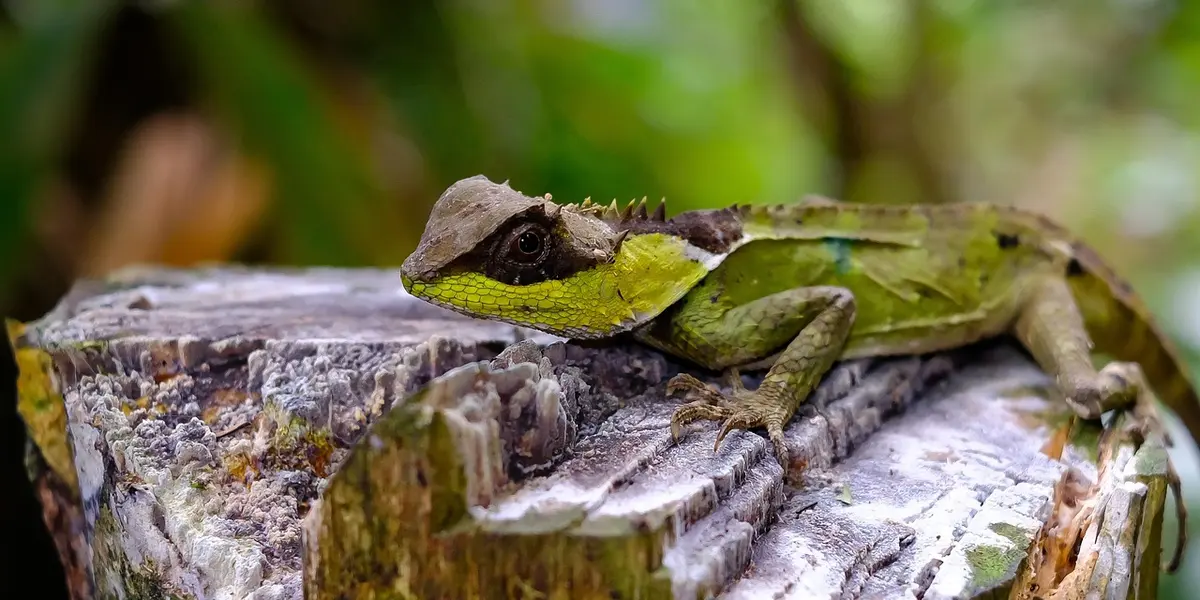
Breeding geckos is a rewarding but unpredictable process. You will face hurdles, and being prepared is the key to navigating them ethically and responsibly.
Infertile Eggs and Egg Binding
Finding a clutch of completely yellow, infertile eggs is very common, especially with first-time breeders. Don’t be discouraged. Infertile eggs are a sign your female is mature and your habitat is correct, even if the pairing wasn’t successful. Simply discard them.
Egg binding (dystocia) is a serious medical emergency where a female cannot pass her eggs. Signs include lethargy, loss of appetite, and visible eggs for an extended period.
- Prevention is your best tool: ensure perfect nutrition and a proper, humid nesting box.
- If you suspect egg binding, a warm shallow bath can sometimes help her pass the eggs.
- If that fails, a visit to an exotic veterinarian is urgent. Surgery may be required.
Female Health Decline (Post-Breeding Slump)
Producing eggs is incredibly taxing. I monitor my females’ weight and tail thickness like a hawk. A-Rod, my African Fat-Tailed gecko, lost a significant amount of weight after a large clutch.
- If a female loses too much condition, you must stop breeding her for a full season, or even permanently. Her long-term health is more important than producing more offspring.
- Provide high-fat feeders like waxworms or butterworms as a temporary supplement to help her regain lost weight.
- Always provide a constant source of calcium to prevent metabolic bone disease, which can be triggered by the calcium drain of egg production.
Aggression and Stress
Not all geckos are meant to be roommates. Male geckos can be overly aggressive, and females can sometimes fight.
- Always monitor initial pairings closely. Chasing is normal, but biting and injury are not.
- If a female is constantly hiding, not eating, or losing weight from stress, remove the male immediately.
- For species like Crested Geckos that can cohabitate, I still provide multiple feeding stations and plenty of visual barriers to reduce competition. Jeter’s calm demeanor makes him a good tank mate, but I would never pair my more territorial A-Rod with another gecko.
The single most important rule in gecko breeding is to prioritize the animal’s welfare over your desire for babies. If a pairing isn’t working, or a female is struggling, the ethical choice is always to stop, reassess, and provide care. A healthy gecko is always a success, with or without eggs. Common breeding problems—such as improper temperature/humidity, nutrition gaps, or incompatible pairings—can derail pregnancies. Solving them by adjusting care prioritizes welfare and improves outcomes.
Ethical Breeding Practices for Responsible Pet Owners
Breeding geckos is a serious commitment, not a hobby to be taken lightly. My personal rule, forged from years of caring for my crew, is that the gecko’s health and happiness must always come before any desire to produce offspring. It’s about stewardship, not just genetics. Cohabitation during breeding can pose risks like stress and aggression. Adhering to best practices—proper enclosure, appropriate sex ratios, and regular health checks—helps keep geckos safe.
Avoiding the Dangers of Overbreeding
Overbreeding is one of the quickest ways to compromise a gecko’s health. Female geckos, like my Leopard Gecko Griffey, use immense physical resources to produce eggs.
- Breed them too often, and you risk fatal conditions like egg-binding and severe calcium deficiency.
- I never breed a female more than once per year, and I always give her a full year of rest afterwards. My girl Babe, for instance, gets a long break between cycles to rebuild her fat reserves.
- Continuous breeding shortens their lifespan and leads to weaker, less viable babies.
The Critical Need for Genetic Diversity
Breeding related geckos or those with the same common morph is a recipe for disaster. Inbreeding depression leads to offspring with weakened immune systems, congenital defects, and shorter lives. I make it a point to know the lineage of any gecko I consider for a pairing.
- My geckos, like Jeter and Mookie, come from completely unrelated bloodlines to ensure robust, healthy genetics.
- Always aim to improve the health and vitality of the species with each breeding, not just replicate a color pattern.
- If you cannot verify a gecko’s genetic history, do not breed it.
Your Responsibility to the Offspring
Creating new life means you are 100% responsible for finding them safe, permanent homes. Before you even consider a pairing, you must have a concrete plan for the hatchlings. I start lining up potential homes months in advance.
- Vet potential owners thoroughly. Ask about their experience, enclosure setup, and knowledge of gecko care.
- Be prepared to house and care for every single baby indefinitely if suitable homes cannot be found.
- Never sell to pet stores that may not provide proper care guidance to buyers.
Vigilant Health Monitoring is Non-Negotiable
From the moment you introduce a pair, your observation skills must be sharp. Watch for signs of stress, like refusal to eat or constant hiding, and be ready to separate them immediately. My territorial A-Rod, for example, would never tolerate a cage mate.
- Weigh your breeding female weekly. A sudden drop can signal health issues.
- Provide a constant supply of proper nutrition and calcium supplementation throughout the entire process.
- If a female appears lethargic or loses significant body condition, stop the breeding attempt and focus on her recovery.
Ultimately, ethical breeding is slow, deliberate, and centered on welfare. It’s far better to produce one healthy, well-planned clutch every few years than to constantly churn out babies for profit. The proudest moments in my gecko-keeping journey haven’t been from selling hatchlings, but from knowing each of my pets, from the energetic Griffey to the calm Jeter, is thriving because I put their needs first. This is especially important when considering the ethical and health implications of wild-caught versus captive-bred geckos.
FAQs
How long does the gecko breeding season typically last?
The breeding season varies by species but generally aligns with seasonal shifts, lasting from a few weeks to several months depending on environmental triggers like temperature and daylight.
Can geckos breed year-round in captivity?
While some species may breed continuously in stable conditions, most benefit from simulated seasonal cycles to maintain natural health and reproductive rhythms.
What are the key environmental factors that influence gecko breeding?
Temperature fluctuations, photoperiod changes, and humidity levels are the primary environmental cues that signal the start of the breeding season for geckos. Lighting temperature can influence gecko behavior by altering activity levels and circadian rhythms. Studying this link helps clarify how artificial lighting affects breeding cues and overall gecko behavior.
How can I encourage breeding behavior in reluctant geckos?
Gradually mimic natural seasonal changes, such as adjusting light cycles and providing optimal nutrition, to stimulate breeding readiness in hesitant geckos.
What common mistakes should I avoid during gecko breeding season?
Avoid abrupt environmental changes, overbreeding females, and neglecting post-mating care to prevent stress and health issues in your geckos. This ties to the topic of 11 beginner breeding mistakes that endanger your geckos—knowing them helps you breed responsibly. Recognize these pitfalls early to safeguard their health.
Final Words
The most important takeaway is that a gecko’s breeding season is deeply tied to its species and the environmental cues you provide. By carefully controlling light cycles and temperature drops, you can safely encourage natural reproductive behavior in captivity. Always research your specific gecko’s needs, as what triggers a leopard gecko is very different from what a crested gecko requires.
Responsible pet ownership means prioritizing the health and welfare of your animals above all else. Commit to continuous learning from reputable sources and connect with experienced breeders to ensure you are fully prepared for the commitment breeding entails. Your geckos depend on your informed and compassionate care.
Further Reading & Sources
- Breeding Leopard Geckos | The Gecko Spot
- NEHERP – Crested & Gargoyle Gecko Breeding
- Leopard Gecko Breeding – Reptiles Magazine
The Gecko Guide is your ultimate resource for gecko enthusiasts, providing expert advice and practical tips to ensure the health and happiness of your scaly companions. Alexander is a passionate gecko owner with over a decade of experience in reptile care. We are dedicated to offering accurate, up-to-date information to support your gecko journey.Our mission is to foster a community of responsible gecko owners who are passionate about the well-being of these fascinating creatures.
Breeding & Lifecycle