
How Long Is the Gestation Period for Different Gecko Species?
Published on: May 16, 2026 | Last Updated: May 16, 2026
Written By: Alexander 'Gecko Geek' Johnson
If you’re a gecko owner, discovering eggs in the enclosure can send a jolt of excitement-and a wave of panic-right through you. You’re suddenly faced with a million questions, and the biggest one is usually, “How long until these eggs hatch?”
I’ve been in your exact shoes with my own geckos, from a surprised Jeter to a very gravid A-Rod. I’m here to help you understand the fascinating timeline of gecko pregnancy. We will cover the key factors that determine how long you’ll be waiting for those tiny hatchlings.
- The distinct gestation periods for popular pet gecko species.
- How to spot the subtle signs that your gecko is expecting.
- The crucial care steps you must take during this sensitive time.
You will get clear, practical advice based on both science and my own hands-on experience. The article will detail the timelines for Leopard Geckos, Crested Geckos, African Fat-Tailed Geckos, Gargoyle Geckos, and Giant Day Geckos.
What Exactly Is Gecko Gestation?
Many new gecko owners use “gestation” and “incubation” interchangeably, but they describe two totally different phases. Think of it like baking a cake: gestation is the time it takes to mix the batter inside the bowl, while incubation is the time the cake spends in the oven.
Most geckos are oviparous, meaning they develop eggs inside their bodies and then lay them to develop externally. A much smaller group are viviparous, giving birth to live young after a full internal development. I remember my confusion when I first started; I assumed all my geckos would just lay eggs. Learning this distinction completely changed how I prepared for potential babies. That’s where a gecko reproduction biology beginners guide comes in handy. It walks you through egg laying, incubation, and care for hatchlings.
Do All Geckos Lay Eggs?
No, not all geckos lay eggs. The two main reproductive methods are:
- Oviparous (Egg-laying): This includes the vast majority of common pet geckos like Leopard, Crested, and Gargoyle Geckos.
- Viviparous (Live-bearing): A few species, like some New Caledonian geckos, skip the egg-laying stage entirely and give birth to live offspring.
For most pet owners, you’ll be dealing with egg-layers, but the viviparous species are a fascinating exception we’ll touch on later.
Gestation vs. Incubation: A Key Distinction
Understanding the difference between these two terms is one of the most important parts of gecko breeding.
- Gestation: This is the period when the female is “gravid” or carrying the developing eggs inside her body. It lasts from egg formation until she lays them.
- Incubation: This begins after the eggs are laid. It’s the period where the eggs develop externally in an incubator or the enclosure until they hatch.
| Term | What It Means | Where It Happens |
|---|---|---|
| Gestation | Internal development of eggs inside the female | Inside the gecko’s body |
| Incubation | External development of eggs after they are laid | In an incubator or enclosure |
Knowing both timelines is absolutely critical because your care for the female changes drastically during gestation, while your focus shifts to the eggs themselves during incubation. Mixing them up can lead to missed cues and poor outcomes.
Gestation Timelines for Common Pet Geckos
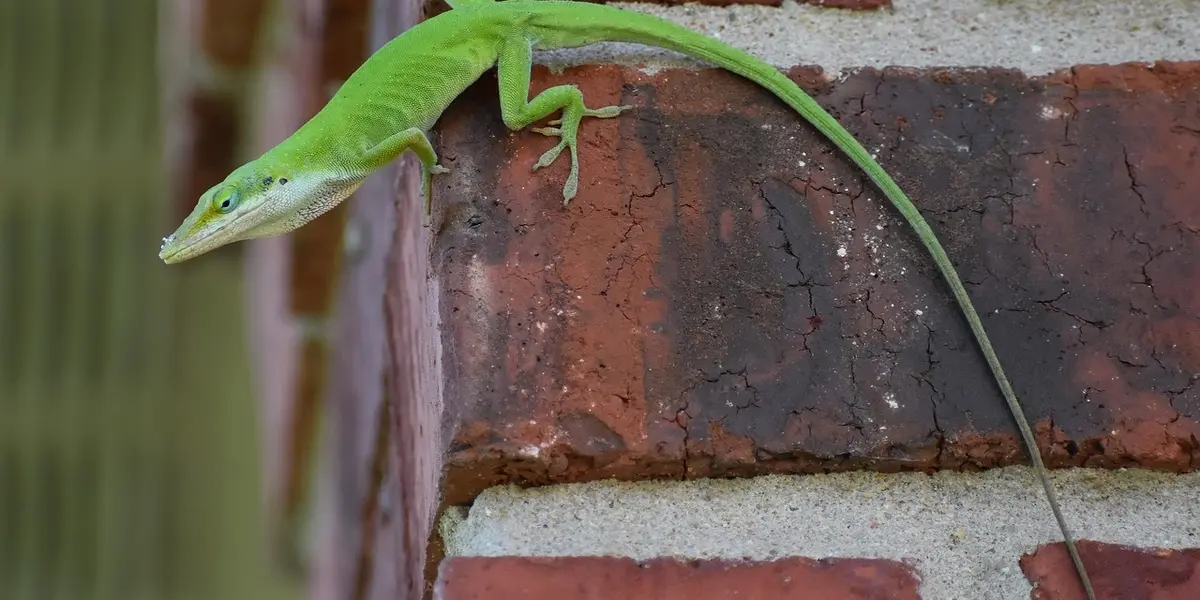
Here’s a breakdown of what to expect for some of the most popular pet gecko species. These timelines cover the period from when you can first confirm she’s gravid to when she lays her clutch.
How Long Are Leopard Geckos Pregnant?
A Leopard Gecko’s gestation period typically lasts between 16 to 22 days. You’ll know she’s gravid when you see pinkish, oval-shaped “eggs” or shadows (gravid spots) through the skin on her belly, and she’ll start looking noticeably plumper. From egg to adult, these life cycle stages each bring different needs for care. Understanding them helps you tailor feeding, housing, and handling through the journey from egg to adult.
My leopard gecko, Griffey, always gets a distinct roundness to her middle and becomes a bit more reclusive, spending extra time in her moist hide towards the end of her gestation. This is your cue to make sure a proper laying box is ready and waiting for her.
How Long Are Crested Geckos Pregnant For?
For Crested Geckos, plan on a gestation period of about 30 to 40 days. A unique aspect of this species is their ability to retain sperm, meaning they can produce multiple fertile clutches from a single mating.
My crested gecko, Jeter, is the picture of calm confidence, and even during gestation, his behavior barely changes. The main sign I look for is a slight decrease in his appetite and a more pronounced bulge in his abdomen about a month after a successful pairing. In my crested gecko behavior and body language ultimate guide, I break down what these cues mean and how to respond. This helps keep Jeter healthy and stress-free.
Gargoyle Gecko Gestation Period
Gargoyle Geckos have a gestation period very similar to their crested cousins, generally spanning 30 to 45 days. They share that same sperm retention capability, so a single mating can result in several clutches over a season. In the wild, gargoyle geckos typically breed in seasonal cycles aligned with environmental cues. These natural breeding seasons influence how many clutches can be produced per year.
I’ve noticed with my Gargoyle, Mookie, that her normally playful, leaping behavior slows down a bit when she’s carrying eggs. She prefers to stick to her favorite perches rather than making her usual acrobatic jumps between branches.
African Fat-Tailed Gecko Gestation
African Fat-Tailed Geckos have one of the longer gestation periods among common pet species, averaging between 45 and 60 days. Their care during this time is very similar to that of a Leopard Gecko, requiring a warm, moist laying box.
My African Fat-Tail, A-Rod, is naturally more territorial, and this trait becomes even more pronounced when she’s gravid. She’ll often rearrange the moss in her lay box with meticulous focus, getting everything just right before she finally lays her eggs.
Understanding Incubation Periods After Eggs Are Laid
Once your gecko lays her eggs, the real countdown begins. This is when the official incubation period starts, and stable conditions become your top priority. I learned this the hard way with my first clutch from Griffey, my leopard gecko. That’s when you start following incubation basics after mating—keep a steady temperature and humidity, and check the eggs daily for any changes. Small swings can affect development, so maintaining stable conditions gives those embryos the best shot at hatching healthy babies.
Leopard Gecko Egg Incubation
Leopard gecko eggs typically incubate for 35 to 90 days. Temperature plays a huge role here, not just in how long it takes, but also in determining the gender of the hatchlings. Warmer temps around 88-90°F usually produce females and can shorten the incubation to as little as 35 days. Cooler temps around 80-82°F might give you males and extend it closer to 90 days. With Griffey’s eggs, I used a simple plastic container with vermiculite and a heat mat set to 82°F, and they hatched in about 45 days. You do not need fancy gear, just consistency.
Crested and Gargoyle Gecko Egg Incubation
For crested and gargoyle geckos, expect an incubation range of 60 to 120 days. Many keepers, including me, often leave these eggs right in the terrarium if conditions are stable. My crested gecko Jeter laid eggs that I left in his planted tank, and they hatched after 80 days with no issues. But if your terrarium has big swings in humidity or temperature, I recommend moving them to a simple incubator. I only remove eggs if I notice mold or if other geckos might disturb them, based on my experience with Jeter and Mookie, my gargoyle gecko. For more details on incubation timelines, you can check out this article on how long it takes for gecko eggs to hatch.
Factors That Speed Up or Slow Down Gestation
Several elements can make gestation and incubation faster or slower. Keeping these factors in check helps you predict timelines and avoid surprises. From my years of breeding geckos, here are the key ones to watch:
- Temperature: Warmer conditions generally shorten the period.
- Nutrition: A well-fed gecko has more energy for reproduction.
- Health: Stress or illness can delay everything.
- Humidity: Too dry or too wet affects egg development.
The Role of Temperature
Temperature is like the oven setting for your gecko’s eggs. Warmer temperatures can speed up gestation and incubation, but going too high risks harming the embryos. I think of it like baking a cake: a little extra heat might cook it faster, but burn it, and it is ruined. For instance, with leopard geckos, temps above 90°F can cause deformities or even death. I keep my incubators within a safe range, and I have seen healthier hatchlings as a result. To round this out, the ultimate gecko egg incubation guide covers temperature, humidity, and substrate to optimize hatch rates. By aligning temperature with proper humidity and a suitable substrate, you give eggs the best chance to develop.
Importance of Nutrition and Health
A gecko in peak condition follows a more predictable breeding cycle. Well-fed, healthy geckos with proper supplements tend to have smoother gestation and incubation periods. I make sure all my geckos, like Babe and A-Rod, get a diet rich in calcium with D3 and a reptile multivitamin weekly. This boosts their overall health and supports egg development. When I skipped supplements early on, I noticed longer incubation times and weaker babies, so now I never skip this step.
Live-Bearing (Viviparous) Gecko Gestation
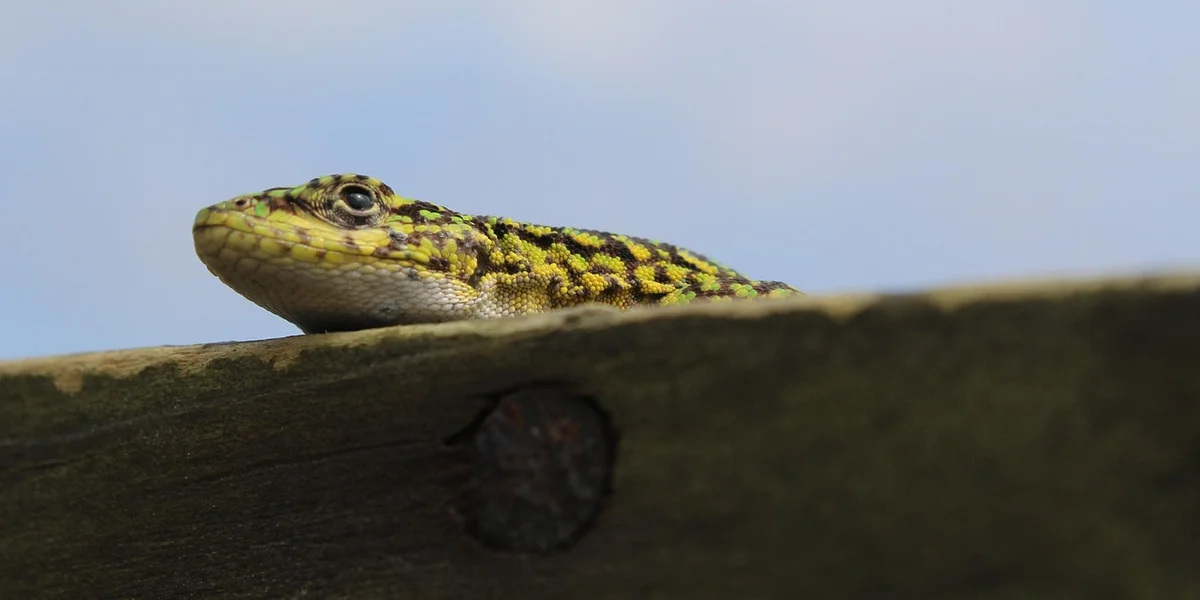
While most geckos you’ll meet lay eggs, a special group gives birth to live, wriggling babies. This live-bearing reproduction is called viviparity, and it’s a fascinating adaptation seen in some geckos from cooler climates.
Watching a viviparous gecko give birth is a very different experience from finding a clutch of eggs. You’ll see the mother actively deliver fully-formed, membrane-covered offspring, which she often helps free before they take their first breaths. It’s a much more direct and intimate process, especially when compared to watching baby geckos hatch from eggs.
Examples of Viviparous Geckos
These species are less common in captivity, but dedicated keepers might seek them out.
- New Zealand Green Geckos (Naultinus spp.): Their gestation is a lengthy 3-4 months. They require specialized, cooler temperatures and pristine habitats.
- Some Diplodactylus Geckos: Another group from Australia and New Zealand with similar long gestation periods and specific care needs.
Viviparous geckos are often more sensitive and not recommended for beginners due to their precise environmental requirements. I’ve found their care to be a rewarding challenge that demands extra attention to detail.
Caring for Your Gecko During Gestation
Whether your gecko is gravid with eggs or pregnant with live young, her care becomes your top priority. A calm, well-supported mother is far more likely to have a successful and healthy birthing or laying event.
Your main jobs are to minimize her stress and maximize her nutrition. I always treat my expecting geckos, like my crestie Jeter, with a “hands-off” policy and a “feast-mode” feeding schedule.
Setting Up the Perfect Maternity Tank
Think of this as creating a safe, private nursery. The goal is security above all else.
- Provide a Lay Box: For egg-layers, a hide filled with slightly damp sphagnum moss or a soil-sand mix is essential. They need this to dig and deposit eggs safely.
- Ensure Plenty of Hides: All pregnant geckos, live-bearing or not, need multiple secure hides. This gives them options to feel safe and reduces stress dramatically.
- Respect Her Privacy: Avoid frequent tank rearrangements and limit your peeks into her favorite hide. A stressed gecko may hold onto eggs or reabsorb pregnancies, which is risky.
I’ve seen the best results by simply leaving my geckos alone in a well-setup tank, letting nature take its course with minimal interference.
Feeding and Hydration Needs
A developing clutch or litter takes a huge toll on the mother’s body. She needs extra fuel and building materials.
- Increase Food Offerings: Offer more frequent, well-fed insects or Crested Gecko diet. She is eating for a whole family, after all.
- Boost Calcium Immediately: This is non-negotiable. I always dust every single insect with a high-quality calcium supplement to prevent life-threatening egg-binding. The developing skeletons of the babies drain her calcium reserves fast.
- Maintain Perfect Hydration: Ensure a shallow, clean water dish is always available. A light daily misting also helps egg-layers stay hydrated for laying.
- Stop the Handling: This is a gentle but firm rule. Handling a gravid gecko can cause immense stress and potentially harm the developing young. Save the cuddles for after she’s done her important work.
FAQs
How long is the gestation period for geckos?
Gestation periods vary significantly among gecko species, influenced by factors like species type and environmental conditions.
What is the gestation period for gecko eggs once laid?
After eggs are laid, the incubation period begins, lasting from several weeks to over three months based on temperature and species.
How does captivity affect the gecko gestation period?
In captivity, gestation periods may be more stable and predictable due to consistent care and reduced environmental stressors.
Do geckos lay eggs in water?
No, geckos do not lay eggs in water; they typically lay them in moist, hidden locations on land or in trees.
What are common questions about gecko gestation on Reddit?
On Reddit, common questions include how to identify a pregnant gecko and what to do with the eggs after they are laid.
Final Thoughts
The key takeaway is that a gecko’s gestation period varies dramatically by species, from a few weeks for Leopard Geckos to several months for Day Geckos. Your most important job is to know your specific gecko’s timeline and provide a stress-free environment with perfect nutrition and a secure lay box when the time comes.
Responsible gecko ownership means committing to lifelong learning about their unique biology and needs. I’m always researching and observing my own geckos, and I encourage you to do the same-your continued education is the foundation for their lifelong health and happiness.
Further Reading & Sources
- Pregnant Leopard Gecko: Gestation Period and Care Tips
- r/leopardgeckos on Reddit: Leopard gecko has been gravid for 3 months!!!
- Introduction to Leopard Gecko Breeding? A Step by Step Guide
The Gecko Guide is your ultimate resource for gecko enthusiasts, providing expert advice and practical tips to ensure the health and happiness of your scaly companions. Alexander is a passionate gecko owner with over a decade of experience in reptile care. We are dedicated to offering accurate, up-to-date information to support your gecko journey.Our mission is to foster a community of responsible gecko owners who are passionate about the well-being of these fascinating creatures.
Incubation & Egg Care