
The Role of Live Plants in Gecko Tank Humidity
Published on: August 13, 2026 | Last Updated: August 13, 2026
Written By: Alexander 'Gecko Geek' Johnson
Struggling to keep your gecko’s tank from feeling like a dry desert one day and a misty swamp the next? You’re not alone. Getting humidity right is one of the biggest hurdles in gecko care, and it directly impacts their health and happiness.
I’ve kept geckos for years, and after countless experiments with gadgets and manual misting, I found the most natural and effective solution was already growing in my garden. I’m going to help you understand exactly how live plants can solve your humidity headaches by covering these key takeaways:
- How plants act as a natural, self-regulating humidifier for a more stable environment.
- The bonus benefits plants provide beyond just moisture, from cleaner air to mental enrichment.
- Which specific plants are safest and most effective for your type of gecko.
You’ll get clear, step-by-step advice you can implement right away. This article covers: plant selection, setup, maintenance, and troubleshooting, providing a complete guide for beginners and a refresher for seasoned owners.
Why Proper Humidity is Critical for Your Gecko’s Health
I learned the hard way with my first Crested Gecko, Jeter. His skin looked a little dull, but I didn’t think much of it. A few days later, I found a stubborn piece of stuck shed constricting one of his tiny toes. That scary moment drove home how directly humidity impacts their basic bodily functions. It’s not just about comfort; it’s about survival. That’s why I now focus on creating perfect habitat humidity for easy gecko shedding. A steady humidity level makes molts smoother and healthier for the gecko.
Geckos rely on the right moisture levels in the air for two major, non-negotiable reasons:
- Flawless Shedding: All geckos shed their skin. Low humidity makes the old skin dry, brittle, and difficult to remove. This can lead to dangerous stuck shed, especially around their toes, tails, and eyes, which can cause loss of circulation and infection.
- Healthy Respiration: While low humidity causes shedding issues, high humidity is a different beast. A constantly wet, stagnant environment is a breeding ground for mold and bacteria, which can lead to severe respiratory infections. Your gecko’s lungs need clean, appropriately moist air to function properly.
Think of humidity as the invisible support system for their entire exterior and interior health. Getting this balance wrong is one of the fastest ways to land your pet in a vet’s office.
How Live Plants Naturally Regulate Terrarium Humidity
After Jeter’s toe scare, I was terrified of messing up the humidity levels again. I tried misting constantly, which led to spikes and crashes. Then I added a live pothos plant, and everything changed. The environment just felt… more stable. Live plants act like a smart, self-regulating humidity system for your terrarium.
They manage moisture through a beautiful, natural process called transpiration. In a leopard gecko tank, controlling humidity is essential for their health. Here’s how it works in your gecko’s home:
- You water the plants or mist the tank. The plant’s roots drink up that water.
- The water travels up through the plant and eventually evaporates from the surfaces of the leaves.
- This evaporation gently releases moisture back into the air, raising the humidity.
The genius part is that this process is demand-based. When the air is dry, plants release more water vapor. When the air is already humid, they release less. This creates a much more stable and gradual humidity curve than any manual misting schedule I’ve ever tried.
Beyond just adding moisture, the plants themselves absorb excess water from the soil, which helps prevent the substrate from becoming a soggy, moldy mess. It’s a two-way street. My gecko tanks with live plants simply feel more alive and balanced, mimicking the gentle humidity cycles of a real forest floor. Substrate choice also plays a key role in regulating that humidity. Different materials retain moisture differently, shaping microclimates and supporting proper skin health and shedding in geckos.
Top Safe Plant Choices That Boost Humidity in Gecko Tanks
Choosing the right plants isn’t just about aesthetics; it’s about creating a functional, living ecosystem for your gecko. I’ve found that the best plants are not only safe for your pet but also act like tiny, living humidifiers, releasing moisture into the air throughout the day. Are best plants for leopard crested gecko tanks worth considering? They can be, with careful plant selection. My crestie, Jeter, absolutely adores clambering through the dense leaves of his pothos, and I love how it helps maintain his humidity without constant misting.
My Go-To Humidity Heroes
These plants have proven themselves time and again in my own gecko enclosures. They’re resilient, effective, and completely safe if your curious friend decides to take a nibble. This ties into my complete guide on safely offering fruits to your gecko. It covers safe fruit options, portion sizes, and prep tips to minimize risk.
- Pothos (Devil’s Ivy): This is my number one recommendation. It’s virtually indestructible, grows quickly, and its broad leaves release a surprising amount of moisture. I have it in nearly every one of my tropical tanks.
- Spider Plant: A fantastic, non-toxic choice that thrives in the humid conditions of a crested or gargoyle gecko tank. Its grassy leaves provide excellent cover and contribute to the ambient moisture.
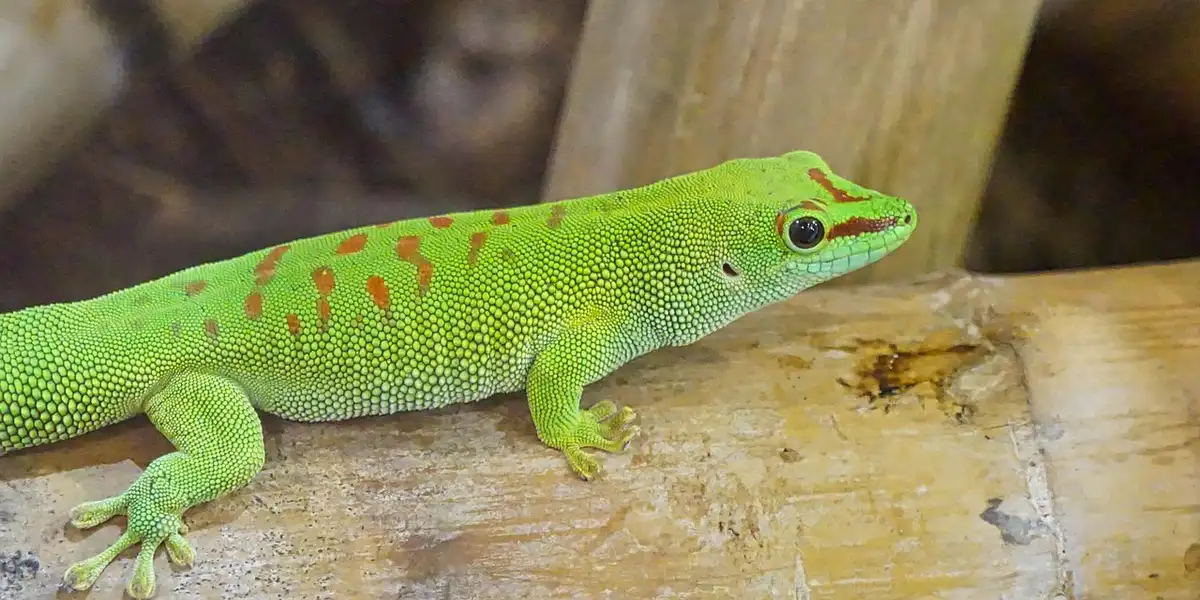
- Bromeliads: These are the ultimate humidity powerhouses. The central “cup” of the plant actually holds water, creating a mini microclimate that steadily evaporates. My day gecko, Babe, often sips from his!
- Ferns (Boston, Bird’s Nest): Ferns naturally love high humidity and will wilt dramatically if things get too dry, making them a great visual indicator for you. Their lush, feathery fronds are perfect for trapping moisture.
- Peperomia: With many safe varieties, these small, sturdy plants are perfect for the foreground. Their fleshy leaves help them retain and slowly release water into the environment.
Setting Up Your Planted Vivarium for Perfect Humidity Control
Simply dropping a plant into the tank isn’t enough. To truly harness their humidity-boosting power, you need to set up a complete, layered vivarium system. Think of it as building a miniature, self-regulating rainforest from the ground up. This is the method I used for Mookie’s gargoyle gecko home, and it holds humidity beautifully between mistings.
The Step-by-Step Layering Method
- Create a Drainage Layer: Start with a 1-2 inch layer of clay balls (LECA) or gravel at the very bottom. This prevents your soil from becoming a soupy, stagnant mess and is critical for root health.
- Add a Separation Barrier: Place a mesh screen or a specialized fabric on top of the drainage layer. This keeps your substrate from washing down and clogging the drainage area.
- Choose a Rich, Moisture-Retentive Substrate: This is your main event. I use a mix of organic topsoil, coconut coir, and sphagnum moss. The sphagnum moss is a secret weapon, acting like a sponge that holds many times its weight in water.
- Plant Thoughtfully and Densely: Don’t be shy! Plant your chosen greens densely and at different heights. A thick canopy of leaves will dramatically slow evaporation from the substrate below.
- Add a Leaf Litter Topper: Sprinkle a layer of magnolia or oak leaves over the soil. This mimics the forest floor, provides hiding spots for cleanup crews, and further reduces surface evaporation.
Pro-Tips for Ongoing Maintenance
- Water the base of your plants directly instead of just misting the glass. This encourages deep root growth and provides a sustained moisture source.
- Combine your live plants with a large, shallow water dish. The surface area of the water will contribute to the overall humidity.
- Monitor closely! Use a digital hygrometer to track your levels. Your plants will tell you a story-drooping or browning leaves often signal that your humidity is off.
Daily Humidity Maintenance with Live Plants
Think of your live plants as a tiny, self-regulating humidifier. They actively manage moisture levels through a process called transpiration, where they release water vapor from their leaves into the air. I’ve found this creates a much more stable environment than just misting, which causes sharp humidity spikes and rapid drops.
To make this system work for you daily, follow these simple steps.
Your Morning Routine
- Check the hygrometer. Look at the humidity level first thing. With a well-planted tank, you might be pleasantly surprised it’s already in the ideal range.
- Observe plant leaves. Are they glistening with a fine mist? This is a good sign. If they look dry and dusty, a light misting is needed.
- Lightly mist the tank. Focus your spray on the plants and décor, not the substrate. The plants will drink this up and release it slowly throughout the day.
Choosing the Right Plants for the Job
Not all plants are humidity powerhouses. From my experience, these are the most reliable performers.
- Pothos: This is my top pick. It’s nearly indestructible, grows quickly, and transpires a lot of moisture. My gecko, Jeter, loves hiding in its vines.
- Snake Plants: These are fantastic for adding structure and providing a slight, consistent boost to humidity without making the tank swampy.
- Bromeliads: Their central “cup” holds water, which slowly evaporates. They are like a natural water feature for your gecko’s home.
- Spider Plants: Safe, hardy, and effective at adding moisture to the air. They’re a beginner-friendly classic for a reason.
Troubleshooting Common Humidity Issues in Planted Tanks
Even the best setups can have hiccups. Your first line of defense is always a reliable digital hygrometer placed in the middle of the tank, away from direct water sources. Guessing leads to problems, so trust the data.
Problem: Humidity is Too High
This can lead to mold and respiratory infections. If your tank feels like a rainforest, here’s what to do.
- Increase ventilation. If you have a screen top, make sure a larger portion of it is uncovered. You can add a small computer fan to one corner to circulate air.
- Re-evaluate your plants. You might have too many high-transpiration plants. Swap one or two out for succulents like Aloe or Haworthia, which release very little moisture.
- Water plants less. Your plants are part of the water cycle. If you’re overwatering them, they’re over-humidifying your tank. Let the soil dry out a bit more between waterings.
Problem: Humidity is Too Low
Your gecko will have trouble shedding, and your plants will suffer. Here are the fixes.
- Add a humidity-boosting powerhouse. Introduce a large Pothos or a Boston Fern. Their broad leaves are excellent at releasing moisture.
- Create a moss hide. A hide box filled with damp sphagnum moss is a double win. It provides a perfect, humid microclimate for shedding and boosts overall tank humidity.
- Cover part of the screen top. Use a piece of glass or acrylic to cover about one-third to one-half of the screen lid. This traps moisture inside while still allowing for air flow.
- Group your plants together. Placing plants in a cluster creates a mini “grove” that holds humidity more effectively than scattered plants.
FAQs
What humidity levels do geckos need?
Humidity requirements vary by species, but most geckos thrive in ranges from 30% for arid-dwelling types like leopard geckos to 70-80% for tropical species like crested geckos. In captivity, humidity and heating for geckos must be managed in conjunction with heating, since heat can dry the air. Maintaining stable humidity alongside appropriate heating supports healthy shedding, digestion, and overall well-being.
What is the ideal humidity for leopard geckos?
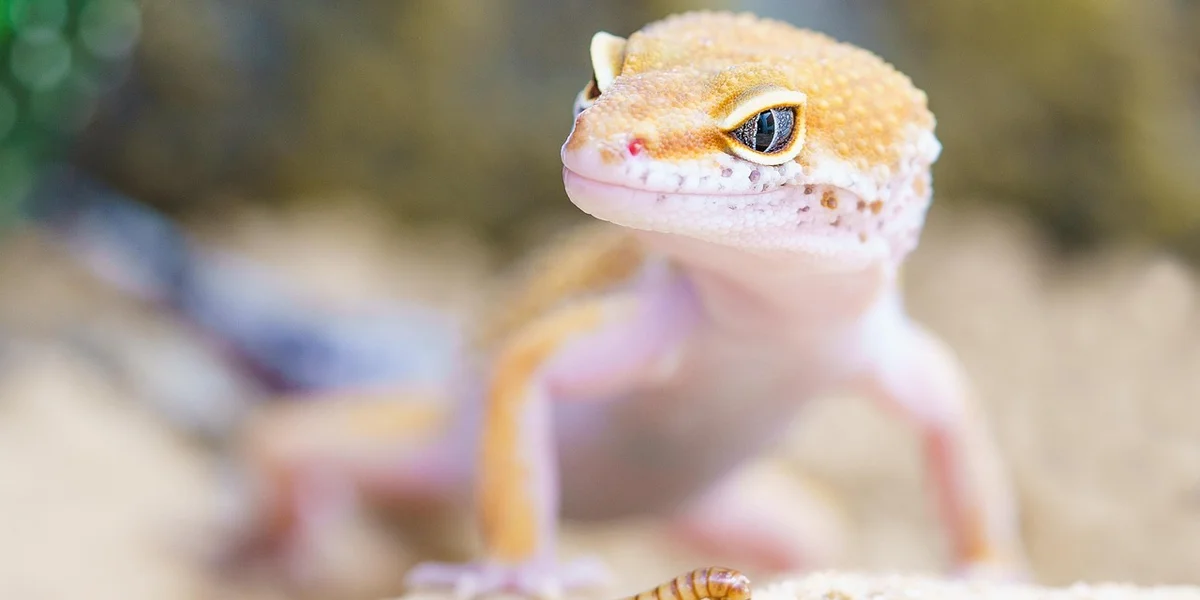
Leopard geckos prefer a low humidity level of 30-40% to mimic their natural desert habitat and prevent skin and respiratory issues, except for a moist hide where slightly higher humidity is beneficial. Maintaining proper humidity levels is crucial for their health.
How do humidity and temperature work together in a gecko enclosure?
Warmer air can hold more moisture, so maintaining proper temperature gradients helps stabilize humidity levels and supports your gecko’s overall health and comfort. To create a perfect temperature gradient in your gecko enclosure, place a warm basking area on one side and a cooler retreat on the other to encourage natural thermoregulation. Fine-tuning the gradient with careful heat source placement and airflow helps maintain stable humidity and optimize comfort.
Can high humidity cause respiratory problems in geckos?
Yes, consistently high humidity can lead to respiratory infections by promoting mold and bacterial growth in the enclosure.
How can I create a humidity gradient in a gecko vivarium with plants?
Place high-transpiration plants like pothos on one side of the tank to increase local humidity, while using fewer plants or arid-friendly species on the opposite side to create a drier area.
The Green Verdict
Live plants are more than just decoration; they are a functional powerhouse for managing your gecko’s humidity. By choosing the right species, like Pothos or Snake Plants, you create a self-regulating system that naturally releases moisture and provides essential enrichment. This living approach mimics their wild habitat far better than any plastic alternative ever could. This is the foundation of an ultimate environmental enrichment setup for your gecko. Pair live plants with safe hides and varied branches to keep your gecko active and engaged.
Your commitment to learning about these details is what separates a good habitat from a great one. Observing how your gecko interacts with its planted environment is a rewarding part of pet ownership. By learning to avoid these 10 common habitat setup mistakes, you help ensure a safe, thriving gecko. This practical approach makes daily care easier and helps prevent common issues. Keep asking questions, stay curious, and always prioritize creating a thriving home for your scaly friend.
Further Reading & Sources
- Complete Humidity and Hydration Guide For Crested Geckos – Zen Habitats
- Crested Gecko Humidity Guide: Top Things to Consider
- Humidity Needs of Crested Geckos: Ideal Range and Misting
The Gecko Guide is your ultimate resource for gecko enthusiasts, providing expert advice and practical tips to ensure the health and happiness of your scaly companions. Alexander is a passionate gecko owner with over a decade of experience in reptile care. We are dedicated to offering accurate, up-to-date information to support your gecko journey.Our mission is to foster a community of responsible gecko owners who are passionate about the well-being of these fascinating creatures.
Humidity Control