
Healthy vs. Unhealthy Leopard Gecko Poop: A Visual Guide
Published on: January 26, 2026 | Last Updated: January 26, 2026
Written By: Alexander 'Gecko Geek' Johnson
You’re staring into your leopard gecko’s tank and see a dropping that looks… different. Is that color normal? What does that weird white part mean? Should you be worried? I’ve been there, anxiously checking on my own gecko, Griffey, more times than I can count.
As a gecko owner, you become very familiar with their bathroom habits. I’m here to help you understand what you’re seeing. We’ll break down exactly what to look for so you can stop guessing and start confidently monitoring your pet’s health.
In this guide, we will cover:
- What a perfectly healthy leopard gecko dropping looks like.
- The key visual signs that indicate a potential problem.
- Simple, actionable steps to take if something seems wrong.
You’ll get clear, straightforward advice based on years of experience. We will cover: normal poop appearance, urates consistency, unhealthy colors and textures, common causes of bad poop, and when to see a vet.
Leopard Gecko Poop Basics: What You Need to Know
Leopard gecko droppings consist of two distinct parts: the brown or black feces (the digested food waste) and the white or off-white urates (their version of concentrated urine). Think of these two parts as a tiny, daily health report card that your gecko leaves for you to find.
Their digestive process is heavily influenced by their environment, especially the heat from their terrarium’s warm side, which helps them metabolize their food. Monitoring their waste is the single best way to catch internal health issues long before any physical symptoms appear.
What Healthy Leopard Gecko Poop Looks Like
After years of cleaning up after my own crew, I can tell you that healthy leopard gecko poop has a very specific, consistent look. Identifying signs isn’t limited to poop—look for overall appearance. A healthy leopard gecko will have clear eyes, smooth skin, and a full, plump tail. For my gecko Griffey, I know his digestion is on point when I see the following:
- Color: Dark brown to black feces paired with solid, chalky white urates.
- Texture: The feces should be firm but still have a slight moisture, holding its shape. The urates should be soft and pliable, not rock-hard.
- Size: The entire dropping should be proportional to the size of the meal, typically looking like a small, well-formed pellet.
The smell is very mild and not particularly offensive. A healthy terrarium should not smell bad; if it does, the poop is often the first place to investigate.
Normal Poop Color and Texture
The brown color comes from digested insects, while the white urates are a brilliant evolutionary trick to conserve water. Proper hydration is directly reflected in the urates; a well-hydrated gecko will pass moist, creamy-white urates. If the urates are dry, yellow, or gritty, it’s a clear signal your gecko needs more water.
| Healthy Sign | Potential Concern |
|---|---|
| Dark brown feces | Green, red, or yellow feces |
| White, moist urates | Yellow, hard, or chalky urates |
| Firm, log-shaped dropping | Runny, watery, or formless dropping |
Healthy Poop Frequency and Smell
A healthy adult leopard gecko will typically poop once every day or two. I always find a fresh dropping from Griffey about 24 hours after his dinner, like a reliable little clock. Juveniles who eat daily will naturally defecate more often. Knowing the frequency of their poop helps you determine if everything is normal or if there might be a problem.
This schedule can be affected by the temperature of their tank and even the type of insects they eat. Waxworms, for instance, are high in fat and can sometimes slow things down a bit, which is perfectly normal. The smell should be earthy and mild, not pungent or sour. A foul odor is a red flag that something is off in their gut.
Signs of Unhealthy Leopard Gecko Poop
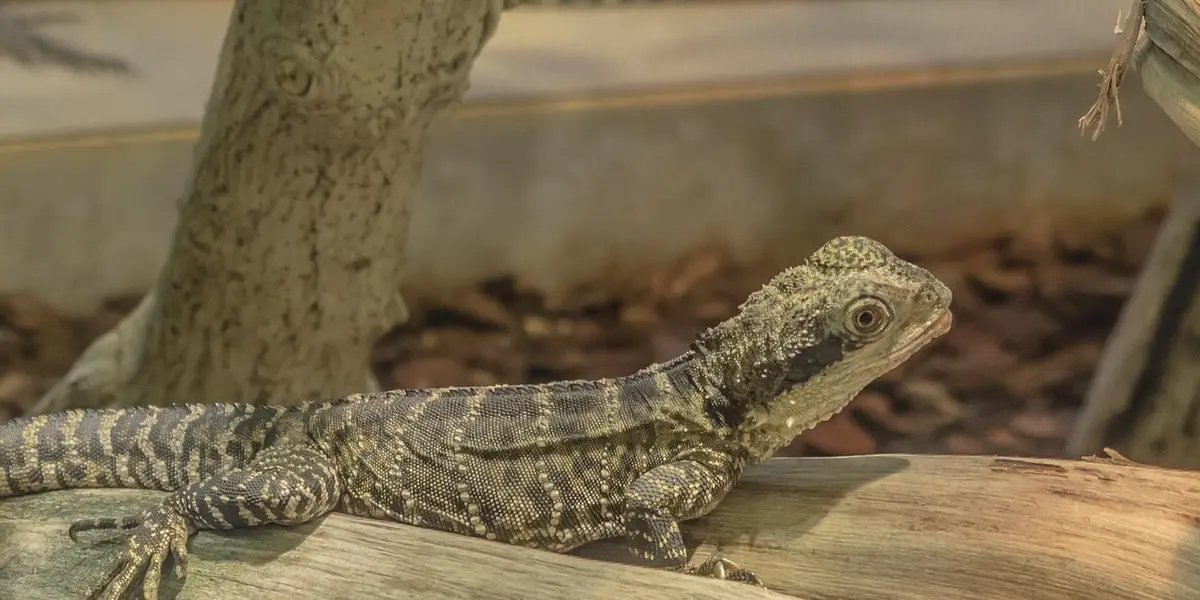
Spotting trouble in your gecko’s droppings can save you both a lot of stress. I always check Griffey’s poop during cleanings because a quick look tells me so much about his health. If Griffey isn’t pooping, I consult my complete troubleshooting action checklist to pinpoint possible causes. The checklist walks through hydration, diet, enclosure temperature, and stressors so I know what to adjust next.
- Diarrhea: Runny, watery stool that lacks shape.
- Constipation: Hard, dry pellets or no poop for days.
- Unusual colors: Green, yellow, or orange hues instead of brown.
- Blood: Red streaks or black, tarry spots.
- Mucus: Slimy, clear, or white coating on feces.
Here’s a quick comparison to help you tell the difference at a glance:
| Healthy Trait | Unhealthy Trait | What It Might Mean |
|---|---|---|
| Firm, log-shaped brown poop | Green color | Possible parasite infection or bacterial issue |
| White, solid urates | Yellow or chalky urates | Dehydration or liver stress |
| No smell or mild odor | Blood or mucus present | Internal injury, impaction, or severe infection |
I learned this the hard way when Griffey once had greenish poop. It turned out to be a parasitic infection that needed vet care, so I never ignore color changes now.
Abnormal Colors and What They Mean
Colors in poop can be alarm bells if you know what to look for. Trust me, catching these early makes treatment way easier for your gecko.
- Green: Often points to parasites like coccidia or a bacterial infection; it’s not normal and needs a vet check.
- Yellow: Usually linked to diet, such as too many fatty insects like waxworms, or liver issues.
- Black or dark red: Can indicate digested blood from internal bleeding, which is serious.
- Orange: Might be from certain supplements or dehydration; monitor if it persists.
To figure out if it’s a temporary fluke or a big problem, watch for other signs like lethargy or loss of appetite. If the weird color lasts more than a couple poops, call your reptile vet right away.
Problematic Consistency and Texture
Texture tells a story about your gecko’s gut health. I’ve seen everything from watery messes to rock-hard pellets in my years of gecko care.
- Watery diarrhea: Often caused by stress, sudden diet changes, or infections; it can lead to dehydration fast.
- Hard, dry poop: Usually means dehydration or impaction from substrate like sand.
- String-like feces: Can signal parasites or blockages; it looks thin and stretched out.
Dehydration is a common culprit for hard urates or constipation. To check consistency at home, use a clean stick to gently press on the poop-if it crumbles or doesn’t hold shape, it’s a red flag.
Common Causes of Unhealthy Poop in Leopard Geckos
Understanding why poop goes wrong helps you prevent issues before they start. Proper animal welfare means setting up a habitat that supports good digestion from day one.
- Parasites: Tiny invaders like worms or protozoa can cause mucus, diarrhea, and weight loss.
- Poor diet: Feeding too many fatty insects or low-quality food leads to unbalanced nutrition.
- Infections: Bacterial or fungal issues often show up as smelly, discolored poop.
- Stress: Changes in environment or handling can upset their stomach temporarily.
- Substrate ingestion: Loose bedding like sand can cause impaction and blockages.
I dealt with a parasite outbreak in my gecko group once. It taught me to quarantine new pets and test poop regularly to keep everyone safe and healthy.
Parasites and Infections
Parasites are sneaky troublemakers that mess with poop big time. Seeing mucus or sudden weight loss in geckos means it’s time for a vet visit, not a wait-and-see approach. For worried owners, a quick diagnostic checklist for sudden weight loss in geckos can help you prepare for the appointment. Note appetite changes, energy level, and any changes in stool to share with your vet.
- How they affect poop: Parasites can cause runny stool, strange colors, or a slimy coating as they irritate the gut.
- When to suspect: If poop changes come with lethargy, bloating, or reduced appetite, think parasites or infection.
- Vet testing: Only a fecal exam by a reptile vet can confirm what’s wrong; home remedies often make it worse.
Diet and Hydration Factors
What your gecko eats and drinks directly shapes their poop quality. Simple tweaks to their menu can turn messy droppings into healthy ones in no time.
- Food links: Fatty insects like butterworms or mealworms in excess cause yellow, soft poop; stick to gut-loaded crickets or dubia roaches.
- Dehydration effects: Low water intake leads to hard, dry urates or constipation; always provide a shallow water dish.
- Quick adjustments: Dust insects with calcium powder, offer fresh veggies for hydration, and mist the tank to boost humidity.
What to Do If Your Leopard Gecko’s Poop Looks Off
Don’t panic if you see a funky-looking dropping. Your first job is to become a detective and gather clues before making any drastic changes. A systematic approach will help you figure out if it’s a simple fix or something more serious.
- Observe Other Symptoms. Look beyond the poop. Is your gecko active and alert, or lethargic? Are their eyes bright? Are they eating and drinking normally? Watch their behavior for a full day.
- Adjust the Diet. If you recently introduced a new feeder insect or too many fatty treats like waxworms, go back to a simple diet of well-gut-loaded crickets or dubia roaches for a few days.
- Check the Habitat. Use a digital thermometer to verify the warm hide surface temperature is between 88-92°F. Ensure the cool side is around 70-75°F. Check that the humid hide is moist but not soggy.
- Consult a Veterinarian. If the abnormal poop persists for more than two or three droppings, or is accompanied by any other worrying signs, it’s time to call an exotic vet.
Blood in the stool, whether red or black and tarry, is a five-alarm fire that requires immediate veterinary attention. I learned this the hard way with my gecko, Griffey. After a bout of unusual, runny poop, I noticed a tiny red streak. I called the vet instantly, and it turned out to be a minor parasitic infection that was easily treated. Waiting could have made him much sicker.
Home Care and Monitoring
For minor, one-off issues, you can try a few supportive care steps at home. These are temporary measures, not long-term solutions for a chronically sick animal.
- Offer fresh water via a shallow dish. You can also gently drip water on their nose with a syringe (no needle) to encourage drinking.
- If you suspect a dietary issue, pause any new feeder insects and stick to a trusted, simple staple for a week.
- Consider a warm soak. A shallow bath in lukewarm (not hot) water up to their elbows for 10-15 minutes can aid with mild impaction and hydration.
I highly recommend keeping a simple poop journal. Jot down the date, consistency, color, and any notes about your gecko’s behavior that day. This log is pure gold for spotting patterns and providing your vet with a precise history if needed. For long-term care, keep accurate health lineage records for your geckos. This helps you spot hereditary patterns and makes future vet visits smoother.
When to See a Veterinarian
Your home care efforts are vital, but they have limits. Knowing when to hand the case over to a professional is a critical part of responsible pet ownership.
- Diarrhea or abnormal poop that continues for more than 48 hours.
- Any visible blood in the urine or stool.
- Your gecko becomes lethargic, refuses all food, or loses weight.
- They have not passed any feces or urates for over 5-7 days, especially if they are still eating.
During a vet visit for digestive issues, expect the vet to ask detailed questions about your husbandry. They will likely ask for a fresh stool sample to test for parasites under a microscope. In some cases, they might gently palpate your gecko’s abdomen or recommend an X-ray. If you’re unsure when to take your gecko to an exotic veterinarian, contact a reptile-specialist clinic for guidance. Seek care promptly if symptoms persist or worsen.
Seeking professional help is not a failure – it’s an act of love. Exotic vets have the training and tools to diagnose problems we can’t see, ensuring our geckos get the specific care they need to thrive. If you notice lethargy, loss of appetite, abnormal stools, swelling, regurgitation, or breathing problems, these signs may indicate your gecko needs veterinary care immediately. Don’t hesitate to seek urgent care from an exotic vet.
FAQs
Is it normal for leopard gecko poop to vary in color?
No, healthy leopard gecko poop should consistently be dark brown with white urates, and any color variation could signal a health problem.
Can overfeeding cause unhealthy poop in leopard geckos?
Yes, overfeeding, particularly with high-fat insects, can result in soft, discolored poop and should be avoided.
How can I prevent parasites from affecting my gecko’s poop?
You can prevent parasites by ensuring a clean enclosure, quarantining new geckos, and scheduling regular veterinary fecal tests. Proper habitat setup—maintaining appropriate temperature gradients, humidity, clean substrate, and secure hides—helps prevent common gecko illnesses. A well-maintained enclosure also reduces stress and exposure to pathogens.
Final Words on Gecko Droppings
Keep it simple: healthy leopard gecko poop is brown and firm with a white urate, while red, black, yellow, or runny stools are a red flag. Trust your eyes and your nose-any sudden change in appearance or a foul smell means it’s time to review their habitat, diet, and consider a vet visit, especially if you notice any signs of digestive distress.
Your gecko’s health is in your hands, and being a proactive, observant owner is the single best thing you can do for them. To simplify this, use our ultimate gecko health troubleshooting checklist—a step-by-step diagnostic guide to help you assess symptoms and decide when to seek care. This practical resource walks you through common signs and next steps, so you can act quickly and confidently. Continue to learn, ask questions in gecko communities, and always prioritize their welfare—they rely on you completely for a long and happy life.
Further Reading & Sources
- Your Complete Leopard Gecko Poop Guide
- 7 Types of Leopard Gecko Poop and Their Meaning – More Reptiles
- Leopard Gecko Watery Poop: Causes and Solutions | Expert Q&A
The Gecko Guide is your ultimate resource for gecko enthusiasts, providing expert advice and practical tips to ensure the health and happiness of your scaly companions. Alexander is a passionate gecko owner with over a decade of experience in reptile care. We are dedicated to offering accurate, up-to-date information to support your gecko journey.Our mission is to foster a community of responsible gecko owners who are passionate about the well-being of these fascinating creatures.
Gecko Health