
What is the Best Time of Day to Feed Your Leopard Gecko?
Published on: October 3, 2026 | Last Updated: October 3, 2026
Written By: Alexander 'Gecko Geek' Johnson
You’re holding a cup of mealworms, staring at your leopard gecko’s terrarium, and wondering if the timing of this meal really matters for their health. It’s a small detail that can feel surprisingly stressful.
I’ve been there with my own geckos, and after years of trial and error, I can help you get it right. We will cover the key takeaways so you can feed with confidence.
- Why their natural crepuscular instincts dictate the perfect feeding window.
- How proper timing supports healthy digestion and prevents regurgitation.
- The simple benefits of a consistent routine for a less stressed, happier pet.
You will get clear, actionable advice you can use tonight. This article covers: feeding schedules, night vs. day activity, digestion cycles, and routine building.
Why Feeding Time Matters for Leopard Geckos
Your leopard gecko’s internal clock is hardwired for twilight. These geckos are crepuscular, meaning their natural peak activity occurs at dawn and dusk, not in the dead of night or the middle of the day. In the wild, this is when temperatures are perfect and their insect prey is most active.
Feeding them during this natural activity window does more than just follow a schedule. It directly supports their health. Offering food when their metabolism is naturally highest dramatically improves digestion and nutrient absorption. I learned this the hard way with my first gecko, who became sluggish and lost his appetite when I fed him at random times. This also ties into common leopard gecko feeding issues—irregular meal timing can lead to refusals, sluggishness, or regurgitation. Keeping feeding aligned with their activity window helps prevent these problems.
Watch your gecko’s behavior for the clearest signal. You’ll notice them become more alert, start peeking out of their hide, and begin patrolling the front of the enclosure as their “day” winds down. This is their way of telling you the kitchen is open for business.
The Best Time: Evening or Night Feeding?
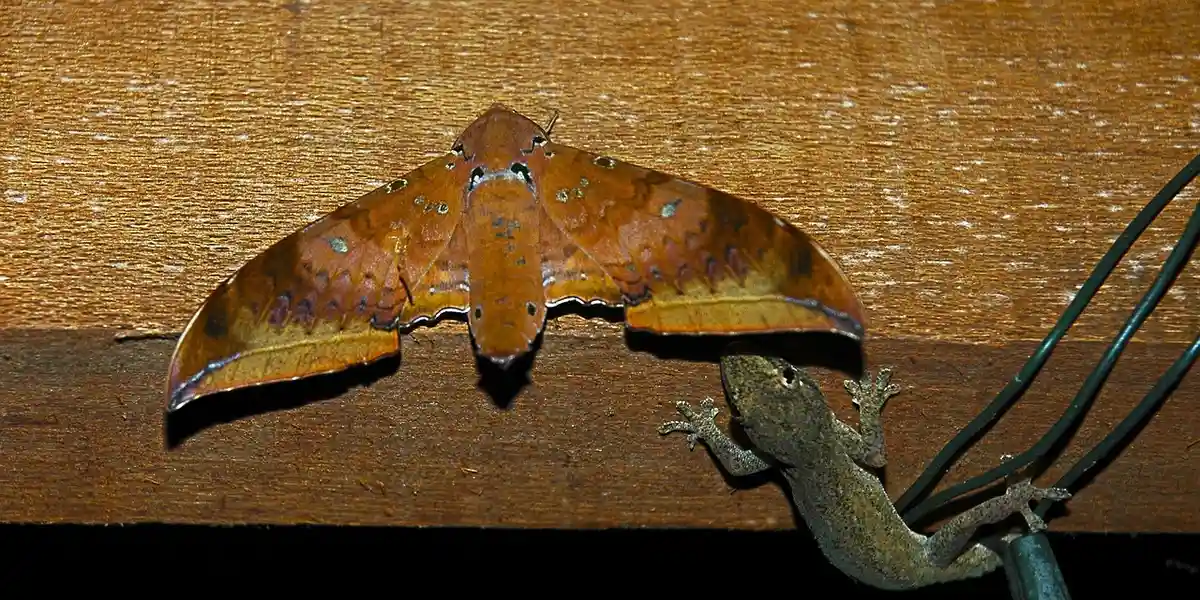
So, should you feed at dusk or after dark? Both have merits, and the best choice often depends on your gecko’s personality. I’ve found that feeding around dusk, just as the main daytime heat lamp turns off, works brilliantly for most geckos. This perfectly syncs with their natural wake-up call and their behavior in relation to lighting and temperature.
- Evening Feeding (Around Dusk): This is my preferred method. It allows you to monitor their feeding response and ensure they are eating well. My gecko Griffey is always waiting by his food dish at this time, energetic and ready to “pose for his dinner.” The ambient room light is usually enough for you to see without disrupting their cycle.
- Night Feeding (After Full Lights-Out): This option is excellent for shyer geckos who feel more secure in complete darkness. The downside is that you can’t easily watch them eat, which makes it harder to spot potential health issues early.
For busy owners, consistency is more important than perfection. If your schedule is chaotic, choose a one-hour window in the early evening and stick to it every day. Your gecko will quickly learn the routine and be ready for you. I sometimes prepare my geckos’ food dishes in the morning so I can just drop it in during my busy evenings.
Ultimately, the best time is when your individual gecko is most active and alert. Pay attention to their unique cues, and you’ll find a rhythm that keeps them thriving.
Feeding Schedules by Age: Juvenile vs Adult
Getting the timing and frequency right is one of the most impactful things you can do for your gecko’s health. Their nutritional needs change dramatically as they grow from hungry babies into mature adults. From hatchling to juvenile to adult, geckos pass through lifecycle milestones that shape feeding and care. Tracking those milestones helped me tailor Griffey’s schedule as he grew.
Juvenile Leopard Geckos
Young leopard geckos are like teenagers with a bottomless stomach. They are in a massive growth phase and need constant fuel. I fed Griffey every single day without fail during his first year. That’s why many keepers use a leopard gecko first year complete growth milestone calendar to plan milestones. It helps track feeding, growth spurts, and shedding as Griffey grows.
- Feeding Time: Early evening, right as their activity levels peak.
- Frequency: Daily feeding is non-negotiable for proper growth.
- Prey Size: Offer insects no larger than the space between their eyes.
- Portion Guide: Provide as many appropriately-sized insects as they can eat in a 10-15 minute period.
You should see a steady weight gain and a plump, but not fat, tail developing over time. This consistent evening routine supports their natural metabolism and growth spurts.
Adult Leopard Geckos
Once your gecko reaches adulthood (around 12-18 months), their metabolism slows way down. Feeding them like a juvenile will quickly lead to an overweight, unhealthy pet. My adult geckos now eat every other day.
- Feeding Time: Stick with evening feedings to align with their crepuscular nature.
- Frequency: Every other day is the perfect maintenance schedule.
- Portion Control: Offer a set number of insects, typically 6-10 larger feeders per session.
- Adjusting for Activity: A very active gecko might need the full 10 insects, while a more sedentary one may only need 6.
An adult leopard gecko’s body condition is the best guide, not a rigid calendar. I always watch their tail size and adjust portions accordingly to prevent obesity.
How Much and How Often to Feed
It’s not just about when you feed, but also how much. Getting this balance right prevents both malnutrition and life-shortening obesity.
| Age Group | Feeding Frequency | Portion Size & Type |
|---|---|---|
| Juvenile (0-12 months) | Daily | As many small crickets/mealworms as they can eat in 10-15 mins. |
| Adult (12+ months) | Every Other Day | 6-10 appropriately-sized crickets, dubia roaches, or other feeders. |
Variety in their diet is just as crucial as the schedule itself. I rotate between gut-loaded crickets, dubia roaches, and the occasional treat like waxworms to ensure a full spectrum of nutrients.
- Never leave live prey unsupervised in the enclosure, as they can stress or bite your gecko.
- Dust insects with a calcium supplement at every feeding for juveniles and most feedings for adults.
- A slightly plump tail is a sign of good health; a bulging, sausage-like tail means it’s time to cut back.
Observing your gecko’s body and behavior will always be your most reliable feeding guide. They are much better at showing you what they need than any rigid chart could ever be. Pay attention to signs of proper portion control in geckos—like a healthy, rounded belly and a not-overly thick tail. These cues help you adjust portions rather than rely on fixed feeding amounts.
Diet and Supplement Timing for Healthy Digestion
Feeding your leopard gecko is about more than just dropping insects into the tank. To support their health, you need to consider the quality of the prey and the timing of vital supplements. Leopard geckos are insectivores and typically require live prey to meet their nutritional needs. A varied diet of gut-loaded insects and the right calcium and vitamin supplements supports proper nutrition.
Live Prey: The Main Course
My gecko Griffey thrives on a varied diet. I primarily rotate through these staples:
- Crickets: A great primary feeder. They move a lot, which stimulates your gecko’s hunting instinct.
- Mealworms: A convenient, slower-moving option. I keep them in a shallow dish to prevent escapes.
- Waxworms: These are like gecko candy-high in fat. I use them as a rare treat, not a regular meal.
The Power of Gut-Loading
Never feed a hungry insect to your gecko. Gut-loading means feeding your feeder insects nutritious foods 24-48 hours before they become gecko food. I use sweet potato, carrots, and commercial gut-load formulas. This passes essential vitamins to your pet.
My Personal Supplement Routine
Dusting is non-negotiable for bone health. Here is the simple schedule I follow with Griffey:
- Calcium with D3: I lightly dust his insects with this powder at almost every evening feeding.
- Multivitamin: I swap in a multivitamin powder for one feeding a week, usually on Sundays.
- Plain Calcium: I keep a small bottle cap filled with plain calcium powder (no D3) in his enclosure at all times. He licks it as needed.
Always dust insects immediately before feeding for maximum adherence and potency.
Don’t Forget the Water
Hydration is key for digestion. I provide a shallow, sturdy water dish with fresh water daily, and I mist one corner of the tank lightly in the early evening. This raises humidity for easier shedding and gives Griffey a chance to lick droplets, which he often prefers over the dish.
Enclosure Setup for Optimal Feeding
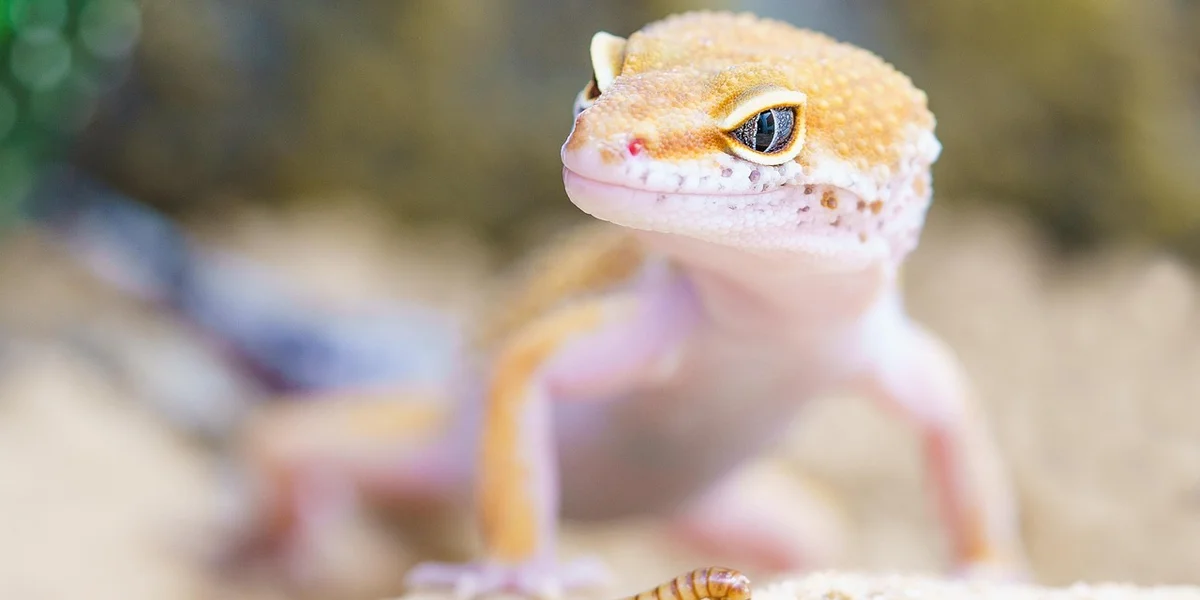
Your gecko’s home directly impacts its ability to eat and digest food properly. A poorly set up tank can lead to a gecko that refuses to eat, no matter how tasty the crickets are.
The Critical Temperature Gradient
Leopard geckos need heat to digest their food. Without it, food can rot in their gut, making them very sick.
- Warm Side: I maintain a warm hide on one end of the tank between 88-92°F (31-33°C). This is their digestion spot.
- Cool Side: The opposite end stays around 75°F (24°C), giving them a place to cool off.
I use an under-tank heating pad controlled by a thermostat for the warm side, as it provides the gentle belly heat they need for digestion.
Lighting and Nighttime Heat
Leopard geckos are crepuscular, meaning they are most active at dawn and dusk.
- I do not use bright, white lights during the day as they can be stressful.
- For viewing, I use a low-wattage, non-heating light or simply rely on ambient room light.
- The under-tank heater runs 24/7 to maintain that essential warm spot, even at night when the room cools down.
Creating a Stress-Free Dining Room
A stressed gecko is a gecko that won’t eat. To help them thrive, I build bioactive gecko terrariums that closely resemble their natural habitat. Here’s how I set up my terrariums to mimic their natural, secure environment:
- Multiple Hides: I provide at least three hides-one on the warm end, one on the cool end, and a moist hide in the middle for shedding.
- Clutter is Good: I use fake plants and cork bark rounds to break up sight lines. This makes Griffey feel hidden and safe while he hunts.
- Quiet Location: I placed his tank in a low-traffic part of the living room, away from loud TVs and direct sunlight, which keeps him calm and predictable at feeding time.
Troubleshooting Common Feeding Issues
Even with a perfect schedule, your leopard gecko might sometimes turn up their nose at dinner. Don’t panic-a temporary food strike is often normal, but knowing how to respond is key. I’ve seen this with Griffey, and a calm, methodical approach always works best.
When Your Gecko Refuses to Eat
A sudden loss of appetite can be worrying. Here are the most common culprits and what to do.
- Check Your Temperatures: This is the number one cause of feeding issues. If their belly heat is too low, they can’t digest their food. Use a digital thermometer to ensure the warm hide floor is between 88-92°F. I’ve fixed many a “hunger strike” just by adjusting a thermostat.
- Assess Their Environment: Is their enclosure in a high-traffic area? Have you recently changed their decor? Stress from a new environment or too much noise can make them refuse meals. Ensure they have plenty of secure hides.
- Consider Their Shedding Cycle: Many geckos will not eat in the days leading up to a shed. Their skin becomes tight and their vision cloudy. This is completely normal. Just ensure their humid hide is moist and let them be.
- Offer Variety: Just like a kid with a plate of broccoli, your gecko might be bored. If they consistently refuse one feeder, try another. Rotating between gut-loaded crickets, dubia roaches, and mealworms can spark their interest.
Monitoring Weight and Appetite
Spotting a problem early is the best way to prevent a health crisis. Keeping a simple log of their weight and feeding response is the most powerful tool you have.
- Weigh your gecko every two weeks using a small digital gram scale. A healthy adult should maintain a steady weight.
- Note their behavior at every feeding. Are they sluggish? Do they strike at the food but miss? These are important clues.
- Watch their tail. A plump, fat-storing tail is a sign of good health. A thin, bony tail signals weight loss.
If you notice consistent weight loss over two weeks, or if a juvenile stops growing, it’s time to consult an exotic vet. Rapid weight loss is never something to “wait out.”
When to Adjust Your Feeding Time
Your chosen schedule isn’t set in stone. Your gecko’s behavior will tell you if it needs a tweak.
- Switch to Evening: If your gecko is consistently hiding and seems skittish when you offer food during the day, move the meal to later in the evening when they are naturally more active.
- They’re Always Waiting: On the flip side, if your gecko is always out and alert in their enclosure an hour before you normally feed, try moving dinner up. They are clearly telling you they’re hungry!
- Life Changes: Your schedule changed? It’s okay to adjust theirs. The goal is a calm, predictable routine. A stressed owner trying to force a feeding time that no longer works creates a stressed gecko.
FAQs
Can I feed my leopard gecko during the day?
Feeding during the day is not ideal because leopard geckos are crepuscular and their metabolism peaks at dawn and dusk, making them less active and efficient at digesting food then. To mimic natural day-night cycles for optimal gecko health, try feeding at dawn or dusk. Maintaining a consistent light-dark schedule supports their circadian rhythms and overall well-being.
What happens if I feed my leopard gecko at irregular times?
Irregular feeding times can disrupt their digestion, increase stress, and lead to appetite loss or regurgitation due to misalignment with their natural crepuscular rhythms.
How can I tell if my leopard gecko is ready to eat?
Your leopard gecko will show readiness by becoming more alert, peeking out of hides, and actively patrolling the enclosure as evening approaches, signaling peak activity.
Is it okay to skip a feeding if my schedule is busy?
Skipping an occasional feeding is generally safe for adult leopard geckos, but juveniles require daily meals for proper growth and should not have feedings missed. A clear feeding schedule is essential to optimize growth and health. For geckos, this means tailoring regimes for juveniles and adults.
Does feeding time need to change based on my gecko’s age?
While the evening timing remains consistent, the frequency adjusts with age-juveniles eat daily and adults every other day-to support their changing metabolic needs.
Final Words
Ultimately, the best time to feed your leopard gecko is in the early evening, as this perfectly mimics their natural crepuscular hunting instincts. This schedule works with their internal clock, encouraging a strong feeding response and promoting healthy digestion overnight. Consistency is your greatest tool-once you find a routine that works for you and your gecko, stick with it.
The most rewarding part of being a gecko owner is seeing that little face light up at dinner time, a daily reminder that your careful attention directly contributes to their well-being. Never stop observing and learning about your pet’s unique habits, as this ongoing education is the true foundation of exceptional and compassionate animal care.
Further Reading & Sources
- Leopard Gecko Feeding Info | Leopard Gecko Care
- r/leopardgeckos on Reddit: Feeding Schedule
- Leopard Gecko food and diet advice – ExoticDirect
The Gecko Guide is your ultimate resource for gecko enthusiasts, providing expert advice and practical tips to ensure the health and happiness of your scaly companions. Alexander is a passionate gecko owner with over a decade of experience in reptile care. We are dedicated to offering accurate, up-to-date information to support your gecko journey.Our mission is to foster a community of responsible gecko owners who are passionate about the well-being of these fascinating creatures.
Feeding Schedules & Portions