
15 Critical Mistakes New Leopard Gecko Owners Make (And How to Avoid Them)
Published on: March 30, 2026 | Last Updated: March 30, 2026
Written By: Alexander 'Gecko Geek' Johnson
Bringing home your first leopard gecko is incredibly exciting, but it’s easy to feel overwhelmed by all the “what-ifs” and worry about making a mistake that could harm your new pet. I’ve been there myself, and I’ve learned a lot through years of caring for my own geckos, like my high-yellow leopard gecko, Griffey.
This guide will help you sidestep common pitfalls by focusing on three key areas:
- Setting up a habitat that mimics their natural environment.
- Understanding their unique feeding and hydration needs.
- Recognizing subtle signs of stress and illness early.
You will get clear, step-by-step advice to ensure your gecko thrives. We cover the essentials, from tank setup to handling.
We’ll explore the 10 most common preventable gecko health mistakes so you can avoid them. Recognizing these issues early helps keep your gecko healthy and thriving. We’ll dive into: heating mistakes, incorrect substrate, poor hide choices, inadequate nutrition, improper supplementation, dehydration risks, wrong tank size, cohabitation errors, incorrect lighting, poor humidity control, handling mistakes, ignoring vet care, cleaning missteps, misreading behavior, and choosing the wrong gecko.
Habitat Setup Blunders
Mistake: Wrong Enclosure Size
Starting a gecko in a tiny 10-gallon tank is like trying to raise a kid in a closet. I made this error with my first gecko, Griffey. He became lethargic and stopped exploring. A 20-gallon long tank is the absolute minimum floor space for one adult leopard gecko. This gives them proper room to hunt, explore, and exercise, which is vital for their physical and mental health.
Mistake: Unsafe Substrate
Reptile carpet seems safe, but it snags tiny claws and traps nasty bacteria. Loose substrates like sand or pure calcium sand are a severe impaction risk. My gecko A-Rod once ingested a bit of loose substrate and had a scary vet visit. The safest, easiest substrates I use are paper towel, slate tile, or a specialized topsoil/sand mix. They are digestible if accidentally eaten and easy to clean.
Mistake: Inadequate Hideouts
One hide is not enough. Your gecko needs at least three key hideouts to feel secure. A-Rod would constantly rearrange his décor when he felt exposed. You must provide a warm hide on the heated side, a cool hide on the opposite side, and a humid hide in the middle for shedding. Geckos naturally use different types of gecko hides—caves, tubes, and moist hides—to suit their needs. They’ll switch between warm, cool, and humid options as conditions change. This setup lets them regulate their body temperature and humidity needs naturally.
Temperature and Lighting Errors

Mistake: Poor Heating Methods
Heat rocks are a notorious burn risk and under-tank heaters alone often fail to raise the air temperature enough. I learned this the hard way when my first setup left my gecko chilly and inactive. A overhead halogen heat lamp or a Deep Heat Projector is the most natural and effective way to create a warm basking zone. It mimics the sun and provides beneficial Infrared-A and B wavelengths.
Mistake: No Temperature Gradient
Your gecko is not a rotisserie chicken; it shouldn’t be cooked evenly on all sides. A single, uniform temperature throughout the tank prevents them from thermoregulating. You must create a distinct thermal gradient with a warm end around 88-92°F and a cool end around 70-75°F. This allows your gecko to move between areas to digest food, cool down, or warm up as needed.
Mistake: Skipping UVB Lighting
The old myth was that leopard geckos are purely nocturnal and don’t need UVB. We now know they are crepuscular and benefit immensely from low-level UVB exposure. Providing a low-output, shadedweller-style UVB lamp helps them produce vitamin D3 internally, leading to stronger bones and better overall health. It’s a game-changer for their long-term wellness that I wish I’d started sooner. The real connection is that UVB lighting and bone health enables the gecko to synthesize vitamin D3, which is essential for calcium absorption and bone mineralization. Without adequate UVB, even with calcium supplementation, they’re at higher risk for metabolic bone disease.
Feeding and Nutrition Slip-Ups
Mistake: Incorrect Prey Size or Frequency
I learned this the hard way with my first gecko. I was so excited to feed him, I offered a mealworm that was far too large. Prey items should never be wider than the space between your gecko’s eyes. Anything bigger is a choking hazard and can cause serious impaction.
Feeding frequency is just as crucial. Many new owners either starve or overfeed their pets. Here is a simple schedule I follow with my own geckos: For most crested geckos, feeding a few times per week keeps them healthy, with juveniles needing a bit more frequent meals than adults. This approach helps ensure they get the right nutrients without overfeeding.
- Juveniles (Under 1 year): Feed daily, as many appropriately-sized insects as they can eat in 10-15 minutes.
- Adults (Over 1 year): Feed every other day, offering 5-8 insects per session.
An overweight gecko will have fat rolls in its armpits and a very thick tail. A skinny one will have a thin, stick-like tail. Your gecko’s tail is its pantry, so aim for a tail that’s plump but not bulbous.
Mistake: Forgetting Calcium and D3
This is the silent killer in reptile keeping, and it’s entirely preventable. Without proper supplementation, your gecko will develop Metabolic Bone Disease (MBD). Their bones become soft, their jaws get rubbery, and they struggle to walk. I’ve seen it, and it’s heartbreaking.
You need two types of dust for your feeder insects. The routine is simple once you get it down.
- Calcium with Vitamin D3: Use this for most feedings. D3 helps them absorb the calcium.
- Calcium without D3: Keep a small bowl of this in the enclosure at all times. Your gecko will lick from it as needed.
- A Multivitamin: Use this once or twice a week instead of the calcium dust.
Think of calcium dust as the gecko equivalent of taking a daily vitamin; it’s non-negotiable for their skeletal health. A plain, un-dusted cricket is just empty calories.
Mistake: Dehydration Risks
Leopard geckos are desert animals, but that doesn’t mean they don’t need water. A shallow, sturdy water dish with fresh water must always be available. I nearly lost a gecko to dehydration early on because I didn’t realize how dry my house was.
The bigger issue is humidity for shedding. If the air is too dry, old skin gets stuck, especially on their toes and eyes. This can lead to lost toes or blindness.
- Provide a humid hide. This is a simple enclosed hide box filled with damp sphagnum moss or paper towels.
- Check the humid hide daily and remoisten the moss as it dries out.
- If you see stuck shed, a shallow lukewarm bath can help. Never pull the skin off!
A proper humid hide is not an optional accessory; it is a critical tool for successful shedding. My gecko Griffey uses his every single time he sheds.
Health and Wellness Oversights
Mistake: Ignoring Shedding Issues
Shedding is a stressful, energy-intensive process for your gecko. When I see one of mine going into a shed, they turn a dull, grayish-white and often hide for a day or two. This is normal. What isn’t normal is seeing pieces of that gray skin stuck on them days later. Understanding shedding problems and knowing how to help can make all the difference.
Stuck shed, especially on the toes, acts like a tiny rubber band, cutting off circulation. Left untreated, it can cause the toe to die and fall off. If you spot stuck shed, create a sauna. Place your gecko in a small container with a paper towel soaked in lukewarm water for 10-15 minutes. The steam will loosen the skin, and you can then gently rub it away with a damp Q-tip. To do this safely, follow a short, step-by-step guide to assist your gecko with stuck shed. A quick checklist helps keep the process gentle and predictable.
Mistake: Not Quarantining New Geckos
Bringing a new gecko home is thrilling, but the biggest mistake you can make is putting it directly in with an existing pet. I learned this lesson after a friend lost his entire collection to a parasite outbreak from one new arrival.
A proper quarantine lasts a minimum of 60-90 days. This isn’t just about isolation; it’s about observation.
- House the new gecko in a separate, simple enclosure in a different room.
- Use separate feeding tongs, cleaning supplies, and even wash your hands between handling.
- Watch for signs of illness: lethargy, weight loss, runny droppings, or mites.
- A vet visit for a fecal exam is a fantastic idea during this period.
Quarantine is an act of care, protecting all the animals in your home from invisible threats. It’s a hassle, but it’s cheaper and kinder than treating a sick gecko.
Mistake: Poor Enclosure Cleanliness
A dirty tank is a breeding ground for bacteria and parasites. Spot cleaning should be a daily habit. Every time I feed my geckos, I do a quick scan for droppings and remove them immediately. This is just one part of a broader routine. The full guide on spot cleaning vs full tank clean-out explains when a deeper clean is needed to prevent buildup and keep your gecko healthy.
A full, deep clean is needed monthly. This involves taking everything out, scrubbing the enclosure and decorations with a reptile-safe disinfectant, and replacing the substrate. A clean habitat is the first and most effective line of defense against disease. My territorial gecko A-Rod might rearrange his décor, but he’s always happier in a freshly cleaned home.
Behavioral and Handling Missteps
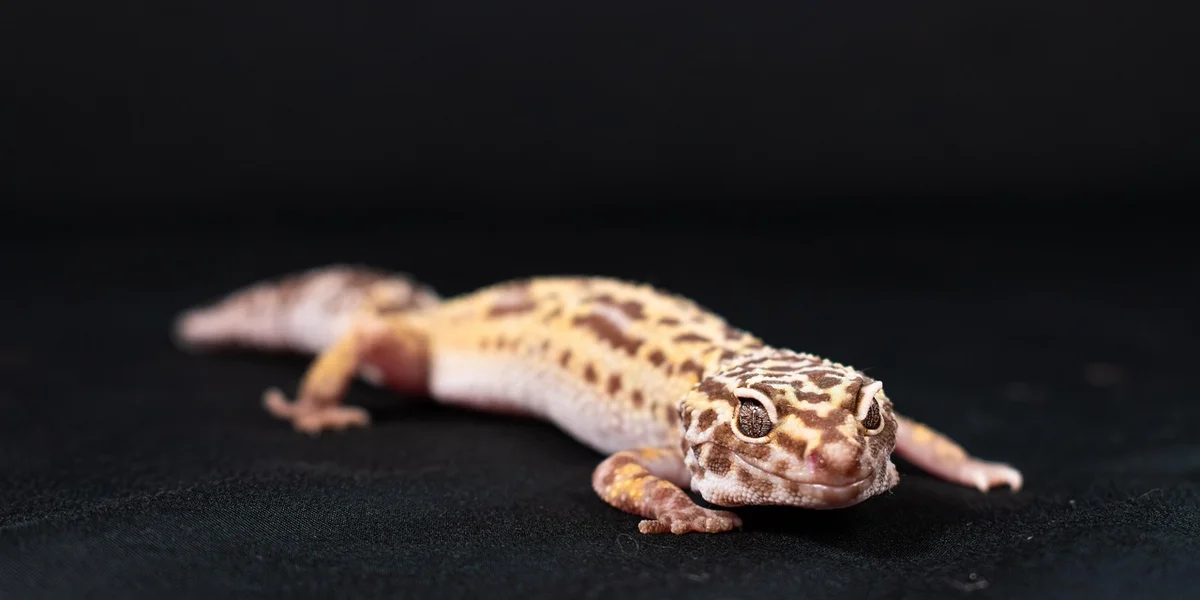
Mistake: Causing Handling Stress
I see so many new owners, excited to bond, scoop their gecko up on day one. This is a huge shock to your new pet. I learned this the hard way with my first gecko; he became so skittish it took months to regain his trust. You must let them settle in for at least one to two weeks with zero handling.
Always move slowly and deliberately, letting the gecko see your hand coming from the side, not from above like a predator. Start with short 5-10 minute sessions a few times a week. Watch their body language closely. If they freeze, hiss, or drop their tail, you are moving too fast.
- Never grab or restrain them tightly.
- Handle them low over a soft surface like a bed or couch.
- Wash your hands first so you don’t smell like food.
Mistake: Lack of Enrichment
A barren tank is a bored gecko. These are curious creatures, not decorative statues. A tank with just a hide and a water dish is like a person living in a single, empty room. It leads to stress and lethargy.
Enrichment is crucial for their mental and physical health, encouraging natural behaviors like climbing, digging, and exploring. My gecko, Griffey, spends hours investigating every new item I introduce. You don’t need to break the bank; get creative with reptile-safe branches, cork rounds, and different textured rocks.
- Provide at least three hides: one on the warm end, one on the cool end, and a humid hide for shedding.
- Add safe, low-climbing structures.
- Rearrange the décor every few months to create a “new” environment.
Mistake: Overcrowding or Poor Social Setup
This is a critical point of animal welfare. Leopard geckos are solitary animals. They do not get lonely. Housing them together, especially males, is a recipe for disaster. I’ve seen the heartbreaking results: missing toes, severe weight loss from one gecko dominating the food, and constant stress.
Forcing cohabitation is one of the biggest mistakes you can make, leading to injury, illness, and even death for the subordinate animal. The only possible exception is a very large, carefully monitored female-only enclosure, and even that carries risk. It is simply not worth it.
- House all leopard geckos separately.
- If you see any signs of aggression like biting, tail waving, or one gecko always hiding, separate them immediately.
- Focus on providing one gecko with a perfect, stress-free home instead of splitting resources between two.
FAQs
How often should I take my leopard gecko to the vet for a check-up?
Schedule an annual wellness exam with a reptile-savvy veterinarian to monitor your gecko’s health and catch any issues early. For a healthy gecko, an annual check-up is typically sufficient. However, your vet may tailor the frequency based on age, species, and health history.
What are some signs that my leopard gecko is happy and content?
A content leopard gecko will be active during dawn and dusk, have a steady appetite, and display calm, exploratory behavior in its habitat. Are geckos nocturnal or diurnal? Understanding their activity patterns—whether they are nocturnal, diurnal, or crepuscular—helps explain when they’re most active and how to observe them.
Can leopard geckos recognize their owners?
Leopard geckos can learn to associate their owner’s scent and presence with positive experiences like feeding, often becoming more tolerant and less stressed over time. To tell if your leopard gecko is happy and content, look for relaxed body language, curiosity, and a healthy appetite. They may approach you or explore calmly rather than retreat.
Your Gecko’s Health Starts with You
Getting your leopard gecko’s habitat right from the start-with proper heating, a varied diet, and secure hides-is the single most impactful thing you can do for their long-term health. Avoid the common pitfalls of loose substrates and poor lighting, and you’ll be well on your way to providing a thriving home.
Remember, owning a gecko is a long-term commitment to learning and adapting as your scaly friend’s needs evolve. We encourage you to use this guide as a starting point and continue your research on our blog to become the best gecko parent you can be.
Further Reading & Sources
- r/leopardgeckos on Reddit: [ Leopard Geckos: An Updated Beginner’s Guide ]
- How To Care For a Leopard Gecko | RSPCA – RSPCA – rspca.org.uk
- Leopard Gecko Care: Housing, Diet, and Health Tips
The Gecko Guide is your ultimate resource for gecko enthusiasts, providing expert advice and practical tips to ensure the health and happiness of your scaly companions. Alexander is a passionate gecko owner with over a decade of experience in reptile care. We are dedicated to offering accurate, up-to-date information to support your gecko journey.Our mission is to foster a community of responsible gecko owners who are passionate about the well-being of these fascinating creatures.
Gecko Care Guides