
Where Do Leopard Geckos Originate From?
Published on: April 16, 2026 | Last Updated: April 16, 2026
Written By: Alexander 'Gecko Geek' Johnson
If you’re worried your leopard gecko’s quirky behaviors are a mystery, the answers are often written in the rocky, arid deserts they call home. Knowing where your pet comes from is the first step to truly understanding its needs and providing exceptional care.
I’ve learned from my own geckos, like my energetic Griffey, that their instincts are a direct link to their wild ancestry. I will help you connect those dots by breaking down their origins into three key takeaways:
- The specific, harsh environments that shaped their unique biology.
- How their wild behaviors translate to life in your terrarium.
- The evolutionary advantages behind their most famous traits.
You will get a clear, straightforward guide to your gecko’s natural world. The article covers: native region, habitat type, climate, evolutionary history, and conservation status.
Leopard Gecko Native Range and Geographic Origins
To truly understand your pet, you need to picture its homeland. Leopard geckos are not creatures of lush, tropical rainforests but are hardened survivors of harsh, arid landscapes. Their story begins in a specific, rugged part of the world.
Key Countries in Their Native Distribution
Wild leopard geckos claim a rocky, sun-scorched territory across South Asia. You will find them scattered throughout various natural habitats.
- Afghanistan
- Pakistan
- Northwestern India
- Iran
- Nepal
Their range is a patchwork of arid and semi-arid zones, not one continuous, lush carpet of land. I always think of my gecko, Griffey, and his love for cramming into tight, rocky hides. It is a direct link to these rocky outcrops and scrublands.
The Natural Habitat of Wild Leopard Geckos
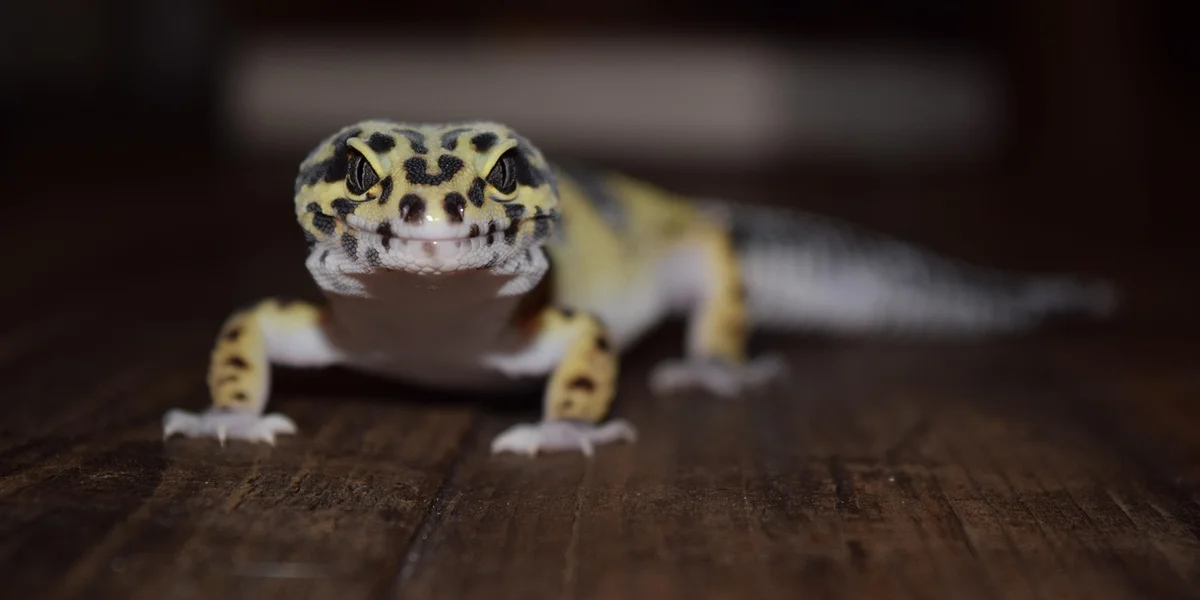
Forget glass tanks for a moment. Imagine a world of cracked earth, scattered boulders, and dry grasses. This is the leopard gecko’s true home: a rocky, desert grassland and arid shrubland. They are terrestrial, meaning they are ground-dwellers who rarely climb tall trees.
They spend their days tucked away in burrows or under rocky slabs to escape the relentless sun. These secretive crevices provide crucial shelter from predators and the extreme temperatures. Observing my own geckos’ hiding habits gives me a tiny window into that wild instinct for security. Often they bury themselves in the substrate to regulate humidity and temperature. This extra burrowing deepens their sense of security.
Climate and Seasonal Adaptations
The climate in their native range is one of dramatic extremes, and leopard geckos are built for it.
- Scorching Hot Days: Summer surface temperatures can be blistering, forcing them into cool, underground retreats.
- Surprisingly Cool Nights: Temperatures can drop significantly after sunset, which is when they become active.
- Brutal Winters: In the northern parts of their range, they experience a true cold season. This is why they have evolved to brumate, a form of reptile hibernation, slowing their metabolism to survive months of cold and scarce food.
This is why a simple, constant warm temperature in captivity does not fully replicate their natural cycle. Their bodies are designed for these seasonal shifts.
Wild Diet and Hunting Behavior
In the wild, a leopard gecko’s menu is a moving target. They are opportunistic, carnivorous hunters. Their diet is a lively buffet of whatever small prey they can overpower. In captivity, this variability can lead to common feeding issues like picky eating or improper prey size. Understanding their wild feeding behavior helps explain and prevent these problems.
This primarily includes:
- Various insects like beetles and crickets
- Arachnids like spiders and scorpions
- Other small invertebrates they stumble upon
They are crepuscular, meaning their main hunting frenzies occur at dawn and dusk. This is when the desert floor comes alive with prey, and the temperatures are more tolerable. I see this same behavior when my geckos become most alert and start prowling their enclosures as the room lights dim. They use their incredible sense of smell and sight to stalk and pounce, a true testament to their wild origins.
How Wild Origins Influence Pet Leopard Gecko Care
My gecko Griffey, with his energetic poses, still shows the instincts of his wild ancestors. Understanding their native environment is the single most important factor in providing proper care for your pet. It’s not about forcing them to live in the wild, but about creating a safe, comfortable home that respects their evolutionary design. Doing so helps prevent common gecko illnesses by maintaining proper humidity, temperature, and cleanliness. A well-designed habitat supports long-term health.
Recreating Native Temperature and Light Cycles
In the rocky foothills, temperatures swing dramatically from day to night. Your gecko’s body is built for this. You must provide a distinct temperature gradient, from a warm basking spot to a cooler retreat. This creates a perfect temperature gradient in the gecko enclosure. It also helps your gecko thermoregulate naturally. I use an under-tank heater on one side of the tank to create this essential heat zone.
- Warm Hide: Keep one area of the tank between 88-92°F. This is their digestion station.
- Cool Hide: The opposite side should be a comfortable 70-77°F for resting and cooling down.
- Nighttime Drop: Let temperatures fall into the high 60s at night. This mimics their natural cycle and supports healthy metabolism.
They don’t need special UVB lighting like some reptiles, but they do need a consistent day/night light cycle. I use a simple, low-wattage light on a 12-hour timer to simulate the reliable sunrise and sunset of their homeland. This regulates their activity and feeding times perfectly.
Setting Up a Habitat That Mimics the Wild
Think about a landscape of packed earth, scattered rocks, and crevices. This is the blueprint for your tank. Avoid loose, sandy substrates that can cause fatal impaction if ingested. I’ve had great success with slate tiles, reptile carpet, or even simple paper towel.
My gecko A-Rod loves to rearrange his décor, a clear sign of his territorial, wild instincts. Your setup should cater to this need for security and exploration.
- Multiple Hides are Non-Negotiable: You need at least three-one in the warm end, one in the cool end, and a humid hide filled with moist sphagnum moss to aid with shedding.
- Offer Vertical Space: While not avid climbers like cresties, they will appreciate low, stable rocks and branches to climb on and survey their territory.
- Keep it Clutter-Free: An open floor space allows for their characteristic prowling and stalking behavior during evening feedings.
The goal is a habitat that feels secure and enriching, not sterile and empty. Watching your gecko utilize every rock and hide you provide is one of the most rewarding parts of ownership.
Conservation Status and Wild Population Trends
Officially, the leopard gecko is listed as “Least Concern” on the IUCN Red List. This sounds reassuring, but it doesn’t mean their wild future is secure. Their populations are generally stable, yet they face growing threats.
The pet trade, thankfully, does not rely on wild-caught individuals. The vast majority of pet leopard geckos are captive-bred, which is a huge win for animal welfare and wild conservation. This takes pressure off natural populations.
The real dangers to wild geckos are habitat-related.
- Habitat Loss: Expansion of agriculture and urban development is shrinking their native range.
- Pollution: Pesticides and other chemicals can decimate the insect populations they rely on for food.
- Climate Change: Shifts in temperature and rainfall patterns could disrupt their delicate desert and grassland ecosystems.
As a pet owner, you contribute to conservation by choosing a captive-bred gecko and by educating others. When people see how amazing these creatures are, they become more invested in protecting the wild places they come from. It connects our care at home to the bigger picture of global biodiversity.
Captive Breeding History and Common Morph Origins
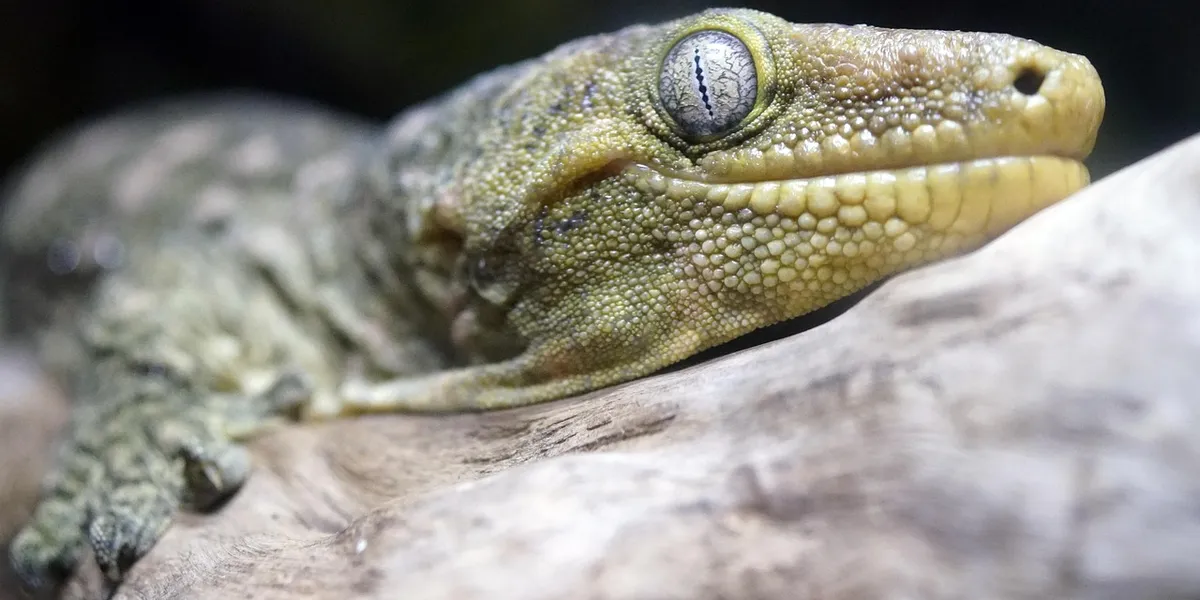
Leopard geckos have a rich history in captivity that completely changed the pet world. I’ve seen this evolution firsthand with my own gecko, Griffey. The first successful captive breeding programs began in the United States in the 1970s. This shift from wild-caught to captive-bred animals was a monumental win for both animal welfare and the hobbyist.
Captive breeding allowed for the selective pairing of geckos with unique traits, leading to the incredible variety of “morphs” we see today. These aren’t different species; they are simply color and pattern variations.
Foundational Morphs That Started It All
Many of the stunning geckos available now come from a handful of key genetic mutations discovered decades ago.
- High Yellow: One of the first major selected traits. Breeders chose geckos with reduced black spotting, giving them a brighter, more golden-yellow appearance. This is the morph my gecko, Griffey, proudly represents.
- Albino: A recessive mutation that removes dark pigmentation, resulting in pink eyes and a light body. There are three distinct strains (Tremper, Bell, Rainwater) that should not be interbred.
- Patternless: This gene eliminates the leopard-like spots, creating a sleek, solid-colored gecko, often in shades of yellow or lavender.
- Jungle: This dominant gene scrambles the gecko’s normal banding pattern into stripes and aberrant lines, making each one uniquely beautiful.
- Blizzard: A simple recessive gene that produces a solid, patternless gecko in shades from solid black to solid yellow, lacking any markings.
From these foundational morphs, breeders have created a breathtaking spectrum of combinations. Seeing a “RAPTOR” (Red-eyed Albino Patternless Tremper Orange) for the first time, with its solid orange body and brilliant red eyes, is a testament to decades of dedicated work. The variety available today means you can find a gecko that is a perfect match for your personality.
Ethical Sourcing and Legal Considerations
Knowing where your gecko comes from is one of the most responsible actions you can take as a pet owner. Always, and I mean always, prioritize acquiring a leopard gecko from a reputable breeder over a pet store that may source from large-scale mills. The difference in health and temperament is often night and day.
A good breeder is transparent. They can tell you the gecko’s hatch date, its morph genetics, and its feeding history. They will show you a clean, well-organized setup for their animals. I learned this the hard way early on; a gecko I bought from a questionable source had parasites that required costly vet treatment.
Your Ethical Sourcing Checklist
- Ask Questions: A good breeder loves to talk about their geckos. Ask about the parents, the incubation temperature, and how often the gecko is handled.
- Request Photos: Ask for clear, recent photos of the exact gecko you are buying and its enclosure.
- Check for Wild-Caught: Truly wild-caught leopard geckos are rare in the pet trade now, but you should still confirm the gecko is captive-bred. Wild-caught animals are often stressed, carry a heavy parasite load, and do not adapt well to captivity.
- Visit Reputable Expos: Reptile expos are fantastic places to meet breeders face-to-face and see their animals in person before you buy.
Understanding the Legal Landscape
While leopard geckos are common and legal to own in most places, you must do your homework.
- International Law (CITES): Leopard geckos are listed on CITES Appendix II. This does not typically affect the average pet owner buying a captive-bred gecko within their own country, but it regulates international trade to ensure it is sustainable.
- Your Local Laws: Some cities, counties, or housing associations have exotic pet restrictions. A quick call to your local animal control office can save you from a heartbreaking situation later.
- Breeder Permits: Reputable breeders will have the necessary state or federal permits to legally breed and sell their animals. Don’t be afraid to ask for their permit number.
Choosing an ethically sourced, captive-bred leopard gecko is a direct contribution to the welfare of these amazing animals. You are getting a healthier, hardier pet and supporting breeders who are passionate about the species, not an industry that views them as mere products.
FAQs
What countries are part of the leopard gecko’s native range?
Leopard geckos originate from arid and semi-arid regions in South Asia, including Afghanistan, Pakistan, India, Iran, and Nepal. They are native to desert environments rather than tropical ones, unlike some other gecko species that thrive in more humid, tropical climates.
What describes the leopard gecko’s natural habitat?
Their original habitat features rocky desert grasslands and arid shrublands with sparse vegetation, where they rely on burrows and rock crevices for shelter.
What is the diet of wild leopard geckos?
In the wild, leopard geckos consume a carnivorous diet of insects, arachnids, and small invertebrates, hunting primarily at dawn and dusk. This natural pattern informs a complete leopard gecko diet feeding guide, helping translate these habits into a balanced captive regimen with varied prey and proper supplementation.
Final Thoughts
Leopard geckos hail from the rocky, arid grasslands of Afghanistan, Pakistan, and parts of India, a harsh environment that has shaped their unique needs. To keep your gecko thriving, replicate this habitat with a warm, dry terrarium, plenty of secure hiding spots, and a proper day/night light cycle as described in care guidelines.
Remember, owning a leopard gecko is a long-term commitment to a living creature that relies on you completely. Their wild origins are the ultimate guide to their care, so I encourage you to keep learning and observing your pet—it’s the best way to become a fantastic gecko guardian. If you’re wondering what the best ways to make your leopard gecko happy are, start with a stable enclosure, proper temperature, and enrichment. Regular gentle handling and a varied diet go a long way toward happiness.
Further Reading & Sources
The Gecko Guide is your ultimate resource for gecko enthusiasts, providing expert advice and practical tips to ensure the health and happiness of your scaly companions. Alexander is a passionate gecko owner with over a decade of experience in reptile care. We are dedicated to offering accurate, up-to-date information to support your gecko journey.Our mission is to foster a community of responsible gecko owners who are passionate about the well-being of these fascinating creatures.
Leopard Geckos