
Is Your Gecko Gravid? How to Spot the Signs
Published on: April 29, 2026 | Last Updated: April 29, 2026
Written By: Alexander 'Gecko Geek' Johnson
You’ve noticed your female gecko acting differently, maybe even looking a bit rounder, and you’re wondering if you’re about to become a grandparent to a clutch of tiny eggs. That mix of excitement and nervousness is completely normal, and I’ve felt it myself with my own geckos over the years.
I’m here to help you decipher your gecko’s behavior and body language. By the end of this, you’ll know exactly what to look for. We’ll cover the three biggest takeaways for identifying a gravid gecko:
- Spotting the key physical changes in her abdomen and body.
- Understanding the specific behavioral shifts that signal pregnancy.
- Learning the crucial care adjustments you must make immediately.
You’ll get clear, step-by-step advice based on my own experience and established reptile care practices. We will cover: identifying physical signs, decoding behavioral changes, essential diet and habitat adjustments, and what to expect during the egg-laying process.
Key Signs Your Gecko Might Be Gravid
Visual Clues You Can’t Miss
Look for a noticeable bulge in your gecko’s lower abdomen-it often appears like two small marbles or ovals on either side. This swelling is a classic giveaway that eggs are developing inside her. You might also see her sides looking fuller and rounder than usual, especially when viewed from above.
In species with translucent skin, like some leopard geckos, you could actually spot the eggs through the belly. I’ve seen this with Griffey, where her golden skin showed faint outlines of eggs before she laid them. Her normally sleek body took on a pear-shaped appearance that was hard to ignore. These are classic appearance signs to watch for when identifying gecko reproductive status. Look for changes in skin translucence and body shape as clues that she may lay eggs soon.
- Distended or asymmetrical belly
- Visible egg shapes under the skin
- Increased girth around the midsection
- Skin stretching tightly over the abdomen
Behavior Shifts That Scream Pregnancy
Your gecko might start digging frantically in her substrate, trying to create a nest. This nesting instinct is a huge red flag that she’s preparing to lay eggs. She may also become more reclusive, hiding away in her favorite spots for longer periods. In mourning geckos, this nesting often leads to eggs that hatch after an incubation period. Tiny hatchlings may appear weeks later.
Watch for changes in eating habits-many gravid geckos lose their appetite or eat less frequently. When my gecko A-Rod stopped rearranging her décor and began ignoring meals, I knew something was up. She became unusually territorial, too, which isn’t like her calm demeanor. If your gecko isn’t eating, you might wonder what to do next. Start by checking her enclosure and hydration, and consider a vet visit if the issue persists.
- Excessive digging or burrowing
- Reduced interest in food
- Increased aggression or skittishness
- Restless pacing in the enclosure
How to Confirm Gecko Pregnancy
Is It Pregnancy or Something Else?
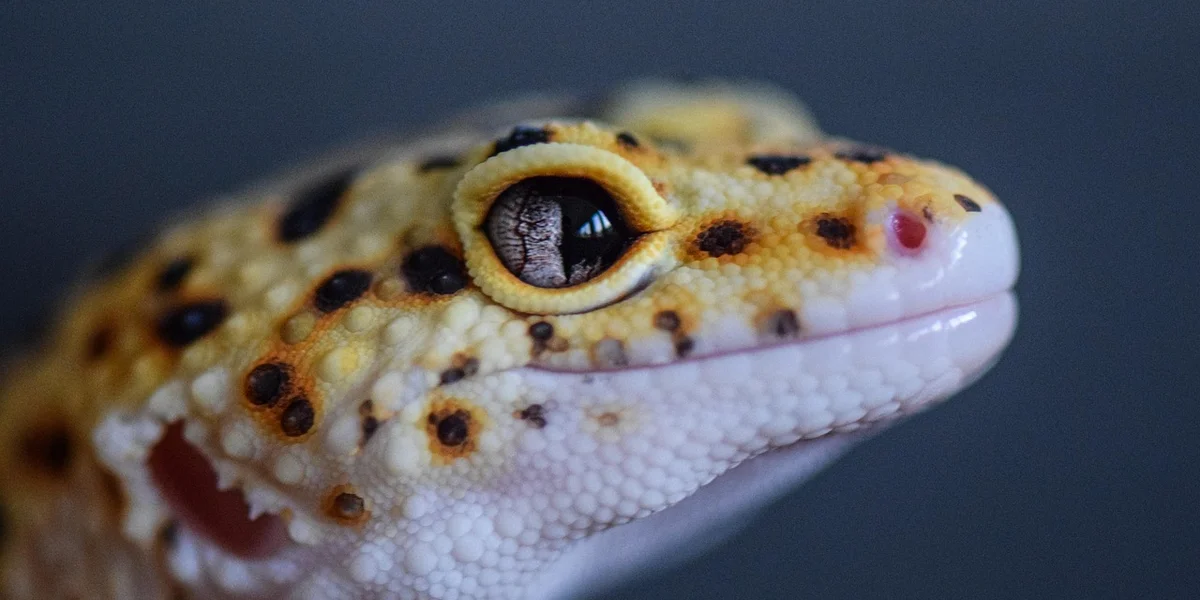
Gravid geckos have a firm, egg-shaped bulge, while obesity feels soft and spread out. Gently palpating her belly can help you feel for distinct, round masses if you’re experienced. Always handle her with care to avoid stressing her or harming the eggs.
Consider other possibilities like impaction or illness. If she shows signs like lethargy, weight loss, or odd poop, it might not be pregnancy. I once mistook Mookie’s playful energy for nesting behavior, but a vet confirmed she was just being her usual active self.
- Compare belly firmness: gravid is hard, obese is squishy
- Check for other symptoms like vomiting or discoloration
- Monitor her over a few days for consistent changes
When a Vet Visit Is Your Best Bet
If you’re unsure or your gecko seems in distress, schedule a vet appointment. A reptile vet can use ultrasound or X-rays to confirm pregnancy safely and accurately. This is especially crucial for first-time owners who might misread the signs. Be aware of signs that require immediate veterinary care, such as sudden lethargy, loss of appetite, or trouble breathing. If you notice any of these, contact your reptile vet right away.
Vets can also rule out egg binding, where eggs get stuck. I always advocate for a check-up if my geckos show prolonged behavioral shifts—it’s better to be safe than sorry. Your gecko’s health should always come first, even if it means an extra trip. Early warning signs of illness in geckos can be subtle. Knowing what to watch for helps you act quickly.
- Seek help if she stops eating for more than a week
- Visit a vet if she strains but doesn’t lay eggs
- Get professional advice for any unusual swelling or pain signs
Species-Specific Gravid Indicators
Not all geckos wave the same “I’m pregnant!” flag. Their species dramatically changes the physical and behavioral clues you need to watch for. What’s normal for one can be a red flag for another.
Leopard Gecko Pregnancy Signs
My leopard gecko, Griffey, taught me everything about this. You’ll notice two big changes.
- Pink “Belly Bands”: Look for one or two distinct pink, oval-shaped areas on her lower belly. These are the calcium-rich eggshells developing. They become visible through her skin about 2-3 weeks after mating.
- Noticeable Weight Gain: She’ll get wider, not just longer. Her sides will bulge out, making her look pleasantly plump. This isn’t the same as being overweight; the weight is concentrated in her abdomen.
- Digging and Restlessness: A formerly calm gecko might start scratching at the corners of her tank. She’s looking for the perfect spot to lay her eggs.
Crested Gecko Gravid Behavior
My crested gecko, Jeter, is much more subtle. You have to be a better detective.
- The “Pear Shape”: Her body will take on a distinct pear-like form. Her hips will widen significantly, and her abdomen will look full and round.
- Increased Appetite: She will start eating you out of house and home! A gravid crested gecko needs massive amounts of food and calcium to produce those soft-shelled eggs.
- Palpable Eggs: If you’re very gentle, you can sometimes feel two small, firm, marble-like eggs in her lower belly. Never squeeze; just apply the lightest touch.
Fat-Tailed and Other Gecko Types
My fat-tailed gecko, A-Rod, and other common pet species follow similar rules.
- African Fat-Tailed Geckos: They show signs almost identical to leopard geckos. Look for the pink belly bands and a sudden interest in digging.
- Gargoyle Geckos: Like cresties, they become pear-shaped and have a huge increase in appetite. You’ll see their hip bones become less prominent as they fill out.
- Giant Day Geckos: These are tricky because they’re already so bright and fast. The best indicator is a sudden, rounded plumpness in the abdomen and a noticeable slowdown in their frantic movements.
Caring for Your Gravid Gecko
Once you know she’s gravid, her care becomes your top priority. This is where your actions directly impact her health and the health of her potential offspring.
Setting Up the Perfect Lay Box
This is non-negotiable. Without a proper place to lay, she can become “egg-bound,” a life-threatening condition.
- Find a small, opaque container with a lid.
- Cut a smooth, gecko-sized entrance hole in the side.
- Fill it about 3-4 inches deep with slightly damp sphagnum moss or a moist 50/50 mix of potting soil and play sand.
- The substrate should be damp enough to hold a tunnel without collapsing. Place the box in the warmest corner of her enclosure.
Diet and Supplement Boosts She Needs
She is using a tremendous amount of calcium to make eggshells. If she doesn’t get enough, she’ll pull it from her own bones, which can cause metabolic bone disease.
- Calcium, Calcium, Calcium: I leave a small bottle cap of pure calcium powder (without D3) in the tank at all times for my gravid girls. They will lick it as needed.
- Dust Every Meal: Every single insect feeding should be dusted with a high-quality calcium supplement that includes Vitamin D3.
- Increase Feedings: Offer her more frequent, gut-loaded insect meals. She needs the extra energy and nutrients.
Monitoring Her Environment
Stress is the enemy of a healthy pregnancy. Keep her world perfect.
- Temperature Check: Ensure the warm side of her tank is at the perfect species-specific temperature. For most, this is between 85-90°F. Proper heat is crucial for digestion and egg development.
- Minimize Handling: I stop all handling unless it’s absolutely necessary. You don’t want to cause her stress or accidentally damage the developing eggs.
- Hydration Station: Make sure her water dish is always full and clean. She needs to stay well-hydrated. I also mist the tank more frequently to help with humidity, especially for species like cresties.
What to Do After Eggs Are Laid
Handling the Eggs and Incubation
Finding those little white ovals in the enclosure is exciting! Your first instinct might be to grab them, but slow down. Gently roll a pencil or pen next to the egg to see if it moves freely; if it wobbles, it’s likely fertile, but if it sticks, it’s probably a slug (infertile). Mark the top of fertile eggs with a soft pencil-never turn them, as this can drown the embryo.
You have two main paths for incubation:
- The Simple Method: Leave the eggs in the terrarium if you trust mom and the conditions are stable. My laid-back gecko, Jeter, never bothered her eggs, but my curious Griffey would have rearranged them for fun.
- Dedicated Incubator: For the best hatch rates, move eggs to a small container filled with slightly damp incubation medium like vermiculite or perlite. Place this container in a dedicated incubator set to your desired temperature, which will also determine the offspring’s sex for some species.
Supporting Mom’s Health Post-Laying
Egg-laying is a massive drain on her resources. She will look thinner and be hungry. Offer her favorite, gut-loaded insects dusted heavily with a calcium supplement immediately after she lays. I always have a small dish of pure calcium powder in the tank during this time so she can self-regulate.
Don’t forget about hydration! Provide a shallow, clean water dish. A warm, shallow soak for 10-15 minutes can help rehydrate her and pass any remaining shell material. Keep her enclosure extra clean and stress-free to support a full recovery. Watch her spine-if it looks prominent, she needs more food and calcium, fast.
Red Flags: When Pregnancy Goes Wrong
Spotting Egg Binding Early
Egg binding, or dystocia, is a life-threatening condition where a female cannot lay her eggs. Time is critical; a gecko can become critically ill within 24-48 hours of being bound. I’ve seen it once, and the rapid decline is terrifying. This is precisely why a prevention action guide for egg binding in female geckos is essential for keeping pets safe. It provides practical steps to reduce risk and clear instructions on when to seek veterinary care.
Watch for these urgent warning signs:
- Lethargy or weakness, often lying in one spot for hours.
- Loss of appetite, especially if she was previously ravenous.
- Visible straining or pushing for extended periods with no results.
- A lump in her abdomen that doesn’t move or pass.
- Twitching legs or a wobbly walk, which can signal calcium deficiency.
If you see any of these symptoms, your gecko needs a reptile veterinarian immediately. Common health problems in geckos, such as dehydration, metabolic bone disease, and egg binding, are often preventable with proper husbandry. Keep their enclosure at the right temperatures and humidity, and provide a balanced diet to help prevent these issues. Do not try to massage the eggs out yourself, as this can cause internal damage. The vet may provide calcium injections, oxytocin, or need to perform surgery.
FAQs
How long is the typical gestation period for a gravid gecko?
The gestation period for most pet geckos ranges from 2 to 6 weeks, depending on the species and environmental conditions like temperature. However, some gecko species have notably long gestation periods among geckos, spanning several months, illustrating the wide variation in reproductive strategies among geckos.
Can female geckos lay eggs without ever being with a male?
Yes, female geckos can lay infertile eggs, known as slugs, even without mating, due to natural hormonal cycles.
How frequently should I adjust feeding for a gravid gecko?
Increase feeding frequency to daily or every other day with calcium-dusted, gut-loaded insects to meet her heightened nutritional needs.
Final Words
In the end, knowing your gecko’s normal behavior is your greatest tool for spotting a potential pregnancy. Look for that loss of appetite, a plumper body, and the frantic digging that signals she needs a proper lay box. Providing that safe, moist space is the single most important thing you can do to support her through this natural process, especially if you’ve observed signs that your gecko is ready to mate.
Being a great gecko keeper means committing to a lifetime of learning about their unique needs. That journey is at the heart of any complete guide to understanding gecko behavior, temperament, and care. Reading your gecko’s signals builds empathy and practical care strategies. I’ve learned so much from my own pets, and their care continues to evolve. Stay curious, keep observing, and always prioritize the health and welfare of your incredible little companion.
Further Reading & Sources
- The Gravid Gecko
- Pregnant Leopard Gecko: Gestation Period and Care Tips
- How To Tell If A Leopard Gecko Is Gravid – Cuteness
The Gecko Guide is your ultimate resource for gecko enthusiasts, providing expert advice and practical tips to ensure the health and happiness of your scaly companions. Alexander is a passionate gecko owner with over a decade of experience in reptile care. We are dedicated to offering accurate, up-to-date information to support your gecko journey.Our mission is to foster a community of responsible gecko owners who are passionate about the well-being of these fascinating creatures.
Breeding & Lifecycle