
Proper Hand Washing and Hygiene for Gecko Handling
Published on: May 1, 2026 | Last Updated: May 1, 2026
Written By: Alexander 'Gecko Geek' Johnson
You love your gecko, but have you ever worried that your own hands could accidentally make them sick? It’s a quiet concern many owners have, and getting your hygiene routine right is one of the most impactful things you can do for their health.
I’ve learned through years of caring for my own crew that a simple, consistent routine prevents most issues. I will help you build that routine by covering these key takeaways:
- Why human hands are a bigger risk to geckos than the other way around.
- The exact steps for a gecko-safe hand wash that removes harmful residues.
- How to create handling habits that keep your pet secure and stress-free.
You will get clear, actionable advice you can start using today. This article covers: why hygiene matters, the pre-handling wash, post-handling cleanup, handling best practices, and common mistakes to avoid.
Why Hand Hygiene is Non-Negotiable for Gecko Owners
I learned this lesson the hard way with my first gecko, Griffey. I’d been gardening, quickly rinsed my hands, and then went to feed him. Within a day, he was lethargic and off his food. That scare taught me that invisible threats on our hands are a real and present danger to our geckos—it’s especially important to keep them safe from household chemicals. Our skin is a highway for bacteria, viruses, chemical residues, and other contaminants that can seriously harm their delicate systems.
Think about everything you touch in a day: your phone, door handles, cleaning supplies, other pets. Now imagine transferring all that directly onto your gecko’s skin, or worse, into its mouth when it licks its lips after handling. Geckos can be susceptible to bacterial infections like salmonella, which can be passed both from you to them and from them to you. Proper hygiene is a two-way street that protects everyone involved. Keeping your hands clean before and after handling is essential to avoid these health risks.
Beyond illness, the lotions, soaps, and sanitizers we use can be toxic. The fragrances and chemicals can irritate their skin or be poisonous if ingested during their normal grooming behavior. Your gecko’s health is literally in your hands, so keeping them clean is the simplest and most effective form of preventative care you can provide. To extend that care to their habitat, follow simple household hazard tips to make the gecko enclosure safe. Regularly inspect the enclosure for cords, cleaners, and small objects that could pose risks.
The Perfect Hand Washing Routine Before and After Handling
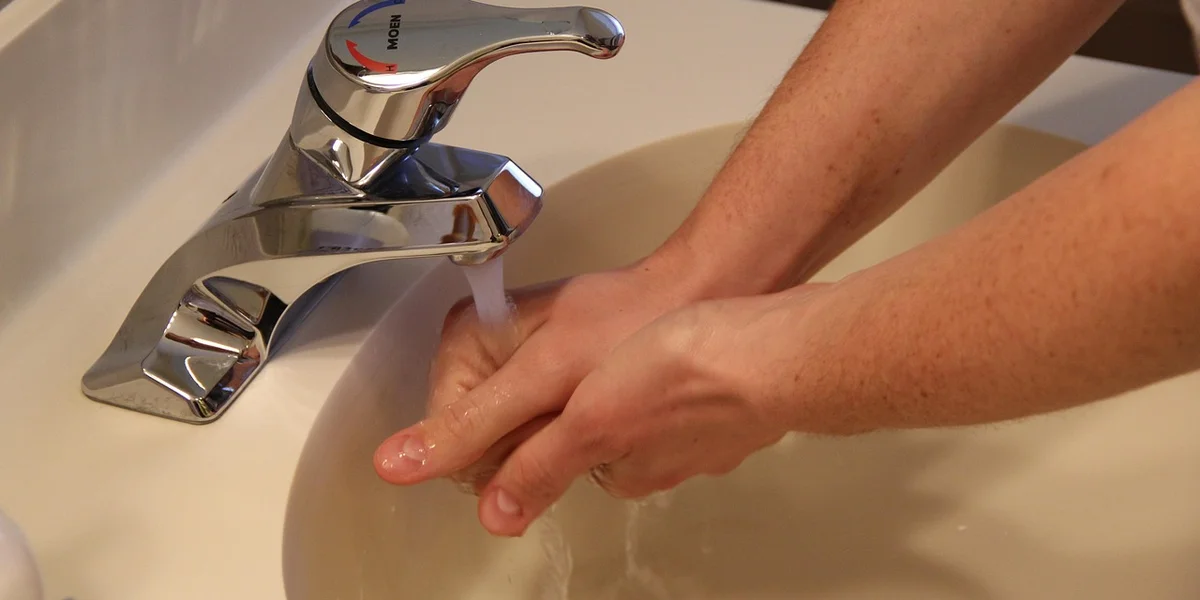
Don’t just run your hands under water and call it good. A proper wash is a ritual. Here is the exact routine I follow every single time I interact with my geckos, from feeding to handling.
- Wet your hands with lukewarm water. Avoid very hot water as it can dry your skin and make it crack.
- Apply a generous amount of unscented, anti-bacterial soap. I keep a dedicated bottle by my gecko room sink. The “unscented” part is critical.
- Lather and scrub for at least 20 seconds. This is longer than you think! Scrub the backs of your hands, between your fingers, and under your nails. I hum “Happy Birthday” twice to time it.
- Rinse thoroughly under running water, ensuring all soap residue is gone. Soap residue is just as bad as the dirt it removed.
- Dry your hands completely with a paper towel or a clean, dedicated cloth towel. Damp hands can chill a gecko and also pick up new lint and debris.
This routine is non-negotiable both BEFORE you handle your gecko to protect them, and AFTER to protect yourself and your family. Proper handling techniques vary by gecko species handling techniques, so learn the species-specific grips and restraints that minimize stress and avoid injury. This knowledge helps you handle each gecko safely and with care. After handling, I take an extra moment to wash up to my elbows, especially if I was doing deep cleaning in the terrarium.
When Bare Hands Are Best vs. When to Use Gloves
Most of the time, clean, bare hands are perfect. They allow you to feel your gecko’s body temperature and grip strength, and it’s less intimidating for the animal. My crested gecko, Jeter, seems to prefer the direct warmth of my skin.
However, there are specific times when I immediately reach for a pair of disposable, powder-free nitrile gloves.
- When you have any open cuts or wounds on your hands. This protects you from potential infection.
- When applying any medication like ointments or topical treatments to your gecko.
- During a deep-clean of the enclosure where you’re handling feces, soiled substrate, or strong cleaning agents.
- If you’ve used a hand sanitizer that contains aloe or heavy moisturizers and couldn’t do a full wash. The glove acts as a barrier.
- When handling a new or particularly skittish gecko that might defensively bite. A glove can give you a bit more confidence, which helps you stay calm.
The key is to remember that gloves are not a substitute for washing your hands. You should still wash your hands before putting gloves on and after you take them off. It’s an extra layer of safety, not a shortcut.
Selecting Safe Soaps and Disinfectants for Gecko Care
Choosing the right cleaning products is not just about killing germs; it’s about protecting your gecko’s delicate biology. Their skin absorbs everything, and their respiratory systems are incredibly sensitive. I learned this the hard way when I used a standard surface spray near my crested gecko Jeter’s enclosure, and he became stressed and hid for a day. You must treat everything that touches your gecko or its space as an extension of the animal itself.
What to Use on Your Hands
For routine handwashing before and after handling, you only need one thing.
- Unscented, Dye-Free Soap: This is your gold standard. Look for simple, plain soaps. I keep a bottle of basic, unscented liquid hand soap right by my gecko tanks. The goal is to remove dirt and microbes without leaving any chemical residue that could transfer to your gecko’s skin.
What to Use in the Habitat
Cleaning the tank itself requires something stronger, but it must be safe. You have two excellent, vet-recommended options.
- Vinegar and Water Solution: My go-to for quick clean-ups and weekly wipe-downs. I mix one part white vinegar with one part water in a spray bottle. It’s fantastic for cutting through waste films and mineral deposits without any harsh fumes. A 50/50 vinegar solution is a powerhouse cleaner that’s completely safe once rinsed and dried.
- Veterinary-Grade Disinfectants (like F10 SC): This is what I use for a deep, monthly clean or if I’m introducing a new animal. Products like F10 are hospital-grade but designed to be safe for animals when diluted properly. They are the most effective way to ensure a pathogen-free environment.
What to Absolutely Avoid
Some common household cleaners are outright dangerous to reptiles. Steer clear of these.
- Bleach: While effective, the fumes are toxic and can linger on surfaces, causing severe respiratory distress. The risk of improper rinsing is too high.
- Ammonia-Based Cleaners: These are a hard no. The smell alone can be overwhelming and harmful to their lungs.
- Phenolic Compounds (like Pine-Sol): These are highly toxic to reptiles and can be fatal. Always check labels.
- Any Scented, Antibacterial, or Moisturizing Soaps: The added perfumes and chemicals can irritate your gecko’s skin and respiratory tract.
How Often to Wash Hands and Clean Gecko Environments
Consistency is the secret to a healthy gecko. A predictable cleaning schedule reduces stress for your pet and prevents the buildup of harmful bacteria. My geckos, especially my alert A-Rod, are much calmer when their routine isn’t disrupted by erratic, deep cleans.
Your Hand Washing Routine
Think of your hands as the primary vector for transferring things in and out of the habitat.
- Wash BEFORE handling: Always. This removes lotions, food smells, and germs from your day that shouldn’t be introduced to your gecko.
- Wash AFTER handling: Always. This protects you from any potential salmonella and prevents you from cross-contaminating other pets or surfaces in your home. Making this two-part handwashing a non-negotiable ritual is the single best habit you can form.
Your Habitat Cleaning Schedule
Break this down into daily, weekly, and monthly tasks. It makes the workload manageable.
| Frequency | Task |
|---|---|
| Daily | Spot clean waste and uneaten food. Wipe glass with water if smudged. |
| Weekly | Remove and wash food/water dishes. Wipe down decorations and glass with a vinegar solution. Replace substrate if using a loose type in a high-traffic area. |
| Monthly | Full enclosure breakdown. Remove everything. Clean all items and the empty tank with a vet-grade disinfectant like F10. Replace all substrate. A thorough monthly reset prevents slow-building health issues you might otherwise miss. |
Watch your gecko’s behavior. If my leopard gecko Griffey is spending more time in his humid hide than usual, it’s often my cue that the main enclosure needs a freshening up. They will tell you what they need. To control humidity in a leopard gecko tank, keep the habitat mostly dry and monitor moisture with a hygrometer. Use a humid hide sparingly and adjust ventilation as needed.
Risks of Poor Hand Hygiene for You and Your Gecko
I learned this lesson the hard way with my first gecko, Griffey. I handled him after making a sandwich, and he became lethargic for two days. Our hands are a superhighway for bacteria, chemicals, and other invisible threats that can seriously harm your pet.
Risks to Your Gecko
Your gecko’s health is directly in your hands-literally. Their small bodies are incredibly sensitive.
- Chemical Poisoning: Residue from soaps, lotions, insecticides, or even just the natural oils on your skin can be toxic. My gecko Jeter once got a small rash from a scented hand lotion I’d forgotten I’d used.
- Bacterial & Fungal Infections: We carry bacteria like Salmonella and Staphylococcus that don’t affect us but can cause severe infections, skin rot, or fatal sepsis in reptiles.
- Stress-Induced Illness: Unfamiliar or strong scents on your hands can stress your gecko, weakening their immune system and making them more susceptible to other diseases.
Risks to You
This isn’t just a one-way street. Your gecko can also pass things to you.
- Salmonella Transmission: Reptiles are common carriers of Salmonella. If it’s on their skin or in their habitat and you touch your mouth or food, you can get very sick. I always wash my hands *after* handling for this exact reason.
- Parasite Transfer: While less common, some parasites can potentially be transferred through contact with contaminated feces or surfaces in the enclosure.
Storing Hand Hygiene Supplies to Keep Geckos Safe
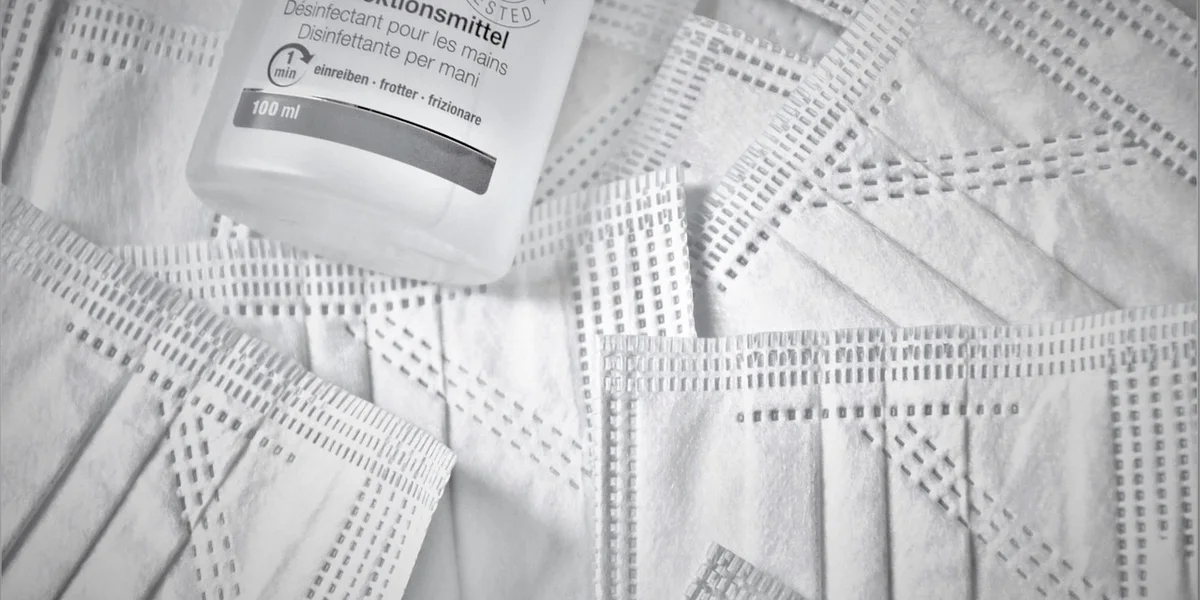
Where you keep your supplies is just as important as using them. A curious gecko like my Mookie will investigate anything new in his space.
Ideal Storage Locations
- In a Dedicated Drawer or Cabinet: Keep soaps, sanitizers, and wipes completely out of the reptile room if possible. A nearby bathroom or kitchen cabinet is perfect.
- On a High, Stable Shelf: If storage is inside the reptile room, use a high shelf your gecko cannot access. Remember, cresties and gargoyles can jump!
- Away from Heat and Light: Don’t store supplies on top of the terrarium. The heat can degrade the products, and vibrations from your movements can stress the animal inside.
Product Safety and Selection
Not all cleaning products are created equal for this specific job.
- Use Unscented Soap: Avoid antibacterial or heavily perfumed soaps. The additives and strong fragrances can linger and irritate your gecko’s respiratory system.
- Secure Lids Tightly: Spilled soap or hand sanitizer could be disastrous if a gecko walks through it and then ingests it while grooming.
- No Baby Wipes as a Substitute: I see this suggested often. Baby wipes contain moisturizers and chemicals that are not safe for reptile skin. Stick to plain water or reptile-safe cleaning wipes for quick clean-ups on the gecko itself.
Recognizing When Your Gecko is Uncomfortable with Handling
Your gecko can’t tell you with words when they’ve had enough, but they communicate loudly through their body language. Learning to read these subtle signs is the single most important skill for building a trusting relationship with your pet. I learned this the hard way with my first gecko, who would let out a single, startling bark when I pushed his patience too far. In this crested gecko behavior and body language ultimate guide, you’ll learn to spot these cues quickly and respond appropriately. Mastering them will help prevent stress and build a deeper bond with your gecko.
Clear “Stop” Signals
Some behaviors are an immediate request to be left alone. If you see any of these, gently end the handling session and return your gecko to its enclosure. Understanding normal versus abnormal gecko behaviors can help you know when to be concerned. If you’re worried, observe for other signs and consider consulting a reptile veterinarian.
- Vocalizations: Crested and Gargoyle geckos may chirp, bark, or squeak. This isn’t a happy sound; it’s a firm “back off.”
- Tail Twitching or Vibrating: A rapidly twitching or vibrating tail, especially in Leopard geckos, is a major warning sign. It’s the reptile equivalent of a rattlesnake’s rattle.
- Attempting to Leap: A sudden, powerful jump for freedom is a clear indicator of stress or fear. Always handle your gecko close to a soft surface.
- Mouth Gaping: If your gecko opens its mouth wide at you, it’s not yawning. This is a defensive posture meant to make them look bigger and more threatening.
Subtle Signs of Stress
Before your gecko gets to the point of barking or leaping, they will show more subtle discomfort. Catching these early makes you a more responsive and trusted keeper. Many geckos combine vocalizations and body language cues to express stress or discomfort. By learning these common signals, you can respond before escalation.
- Puffing Up: Inhaling air to make their body appear larger is a common defensive move. My Giant Day Gecko, Babe, does this when the cat gets too close to the tank.
- Freezing in Place: A gecko that suddenly goes completely motionless is often hoping a perceived threat (your hand) will go away.
- Rapid, Shallow Breathing: Watch their sides. A noticeable, quickening breath rate is a classic sign of anxiety.
Hiding Its Head: If your gecko persistently burrows its head into your hand or arm, it is trying to hide and feels exposed.
What to Do When You See Stress Signals
Your immediate reaction can either build trust or break it. The goal is always to make your gecko feel secure.
- Stop Moving: Freeze your actions. Sudden movements will only escalate their fear.
- Speak Softly: Use a calm, low, reassuring voice. Your tone can be surprisingly soothing.
- Provide Support: Gently cup your other hand around them to make them feel enclosed and safe, but don’t restrain them.
- End the Session: At the first major sign of distress, calmly and slowly return them to their home. A short, positive interaction is always better than a long, stressful one.
Respecting their boundaries isn’t a failure; it’s the foundation of a long-term bond where your gecko sees you as a source of safety, not stress. Paying close attention teaches you your individual gecko’s unique personality and tolerance levels, making every future interaction more enjoyable for both of you.
FAQs
What is gecko hand hygiene?
Gecko hand hygiene involves cleaning your hands properly before and after handling to avoid transferring harmful residues to your pet.
Why is hand hygiene important for geckos?
It prevents the spread of bacteria, chemicals, and stress that can cause illness or discomfort in geckos.
What are the best practices for gecko hand hygiene?
Wash with unscented soap for 20 seconds, rinse well, and dry fully before and after each interaction.
What products are safe for gecko hand hygiene?
Stick to unscented, dye-free soaps and avoid any with added moisturizers or strong fragrances.
How often should you wash your hands when handling geckos?
Wash your hands every time before and after handling to minimize risks to both you and your gecko.
Final Words
To keep your gecko safe, always wash your hands thoroughly before and after you handle them. Use a simple, unscented soap and warm water, scrubbing for at least twenty seconds to remove any harmful residues. Remember to be gentle, keep handling sessions brief, and always supervise children. It’s also essential to understand whether geckos are safe to touch and handle to ensure both their health and yours.
Being a great gecko owner means making their health and comfort your top priority. This small act of washing your hands is a huge part of responsible pet ownership and shows how much you care. I’m always learning new things from my own geckos, and I encourage you to keep seeking out reliable information to give your pet the best life possible.
Further Reading & Sources
- Leopard Gecko Care Sheet | PetMD
- Leopard Gecko Care Sheet 2025: Habitat, and Handling Tips
- Leopard Gecko Handling & Body Language Guide
The Gecko Guide is your ultimate resource for gecko enthusiasts, providing expert advice and practical tips to ensure the health and happiness of your scaly companions. Alexander is a passionate gecko owner with over a decade of experience in reptile care. We are dedicated to offering accurate, up-to-date information to support your gecko journey.Our mission is to foster a community of responsible gecko owners who are passionate about the well-being of these fascinating creatures.
Handling & Behavior Signs