
Gecko Vision Explained: Night Sight, Colors & Amazing Eyes
Published on: May 12, 2026 | Last Updated: May 12, 2026
Written By: Alexander 'Gecko Geek' Johnson
Have you ever wondered what the world looks like through your gecko’s eyes, especially when they’re most active in the dim glow of twilight? It’s a question I’ve pondered while watching my own crestie, Jeter, navigate his home with such confident precision long after I’ve turned off the lights.
I’m here to help you understand the fascinating science behind how your gecko sees. We’ll break down the key takeaways so you can better understand your pet’s behavior and needs.
- How their incredible night vision works and why they don’t need a red light.
- The surprising truth about their color perception-it’s far from black and white.
- The unique anatomy of their eyes, from their distinctive pupils to their self-cleaning lids.
You’ll get clear, practical advice based on both scientific research and my own experience caring for a variety of geckos. The article covers: night vision, color perception, eye anatomy, pupil shape, and UV vision.
How a Gecko’s Eye is Built for the Hunt
Watching my geckos hunt is like watching a tiny, silent predator in action. Their eyes aren’t just for seeing; they are precision hunting instruments. Unlike our round pupils, most geckos have vertical, cat-like slit pupils. This design gives them an incredible advantage.
These slit pupils can close to a tiny pinhole in bright light and open incredibly wide in the dark. This gives them superior control over the amount of light entering their eye, allowing for sharp vision in almost any condition. It’s the difference between a basic camera and a professional one with a high-quality, adjustable aperture.
The Multi-Focus Marvel
One of the coolest things I’ve learned is about their lenses. Human lenses change shape to focus. A gecko’s lens doesn’t. Instead, it has multiple focal zones built right in. Geckos are one of the most unique reptiles, and this complete introduction will explore what makes them so fascinating. From their eyes to their extraordinary toe pads, they showcase remarkable adaptations.
- Different wavelengths of light focus at different points within their eye simultaneously.
- This means they can see a broader range of colors and details in a single glance than we can.
- It’s like having a multi-focus camera lens permanently installed, perfect for tracking the tiniest insect movement.
Their large, bulging eyes also provide a massive field of view. My crested gecko, Jeter, can probably see almost everything above and behind him without even moving his head. For a creature that is both hunter and prey, this panoramic vision is a lifesaver.
The Gecko Night Vision Superpower
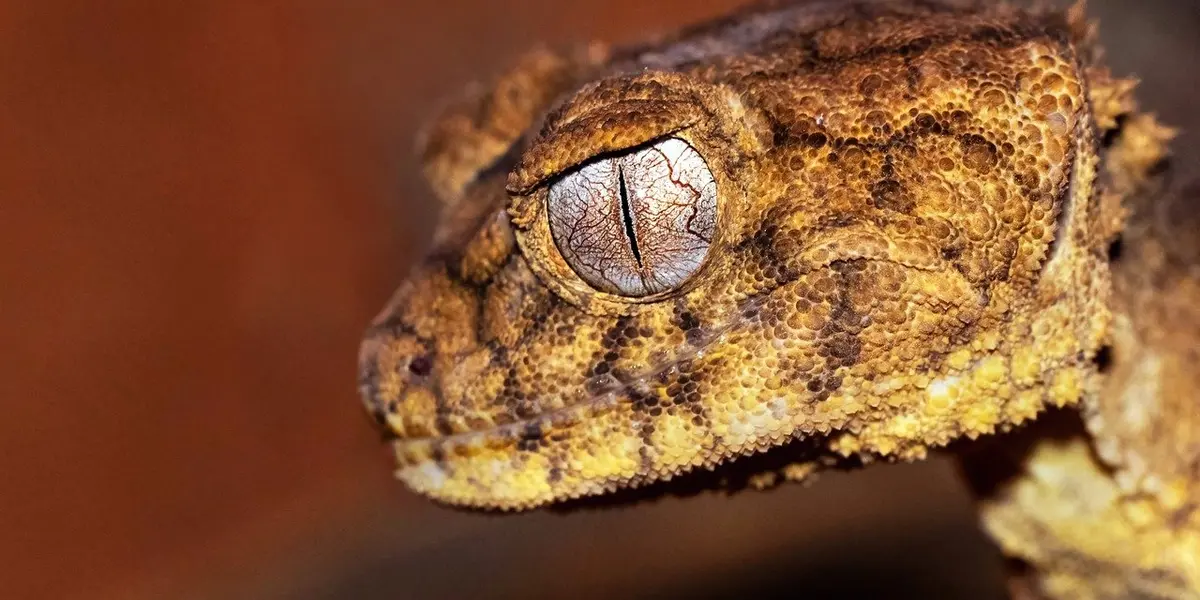
This is where geckos truly become superheroes of the reptile world. While we fumble around in the dark, their world is perfectly clear.
Gecko retinas are packed with rod cells, the photoreceptors specialized for low-light vision. They have up to 350 times more rod density than a human eye. To put it simply, they are collecting every single photon of available light.
The Secret Behind the Glow
You might have seen your gecko’s eyes glow if you’ve ever shined a light in their terrarium at night. This isn’t just for spooky effect. Behind their retina is a mirror-like layer called the tapetum lucidum.
- Light passes through the retina once.
- It then hits the tapetum and reflects back through the retina a second time.
- This effectively doubles the light available for their brain to process an image.
It’s the same biological tech used by cats and deer. This reflective layer is why their eyes shine and is a huge part of their night vision prowess. I’ve seen my leopard gecko, Griffey, spot a cricket from across the tank in what looks like near-total darkness to me.
What They Don’t See: Heat
A common myth I love to clear up is that geckos see heat like some snakes. They do not have heat-sensing pits. Their incredible hunting success at night comes purely from their advanced visual system, not thermal imaging. They are relying on that amplified light and their sharp motion detection to zero in on dinner. Lighting temperature can also shape how geckos behave in a given environment. Warmer versus cooler light changes contrast and visibility, subtly shifting their activity windows and prey detection.
Understanding this has completely changed how I view their nighttime activities. I now keep very dim, nocturnal lights on if I want to watch them, as a sudden bright white light can be jarring and temporarily “blind” their super-sensitive eyes.
Do Geckos See in Color? The Truth About Gecko Color Vision
Many people assume that because geckos are active at night, they must see the world in shades of gray. I used to think this too, until I started paying closer attention to my own geckos’ behavior. The scientific truth is far more fascinating: most geckos have exceptional color vision, even in near-total darkness. Do geckos need light at night, or do they simply follow day-night cycles? Understanding their light needs helps explain their activity patterns.
While our human eyes fail miserably with color in low light, gecko eyes are engineered differently. They possess specialized photoreceptors called rods, which are great for light detection, and cones, which are for color. The incredible part is that their rods are also capable of color discrimination.
How Gecko Color Vision Compares to Humans
Let’s break down how their world looks compared to ours, especially after the sun goes down.
| Vision Aspect | Human Vision | Gecko Vision |
|---|---|---|
| Color in Bright Light | Excellent (Trichromatic) | Good to Excellent |
| Color in Dim Light | Very Poor (Mostly Grayscale) | Remarkably Good |
| Light Sensitivity | Standard | Extremely High (350x more than humans) |
My crested gecko, Jeter, is a perfect example. He shows zero interest in a dull brown food dish, but he will immediately investigate a bright orange one. This isn’t a coincidence; it’s a clear demonstration of color preference. Your gecko is absolutely seeing and reacting to the colorful world you create in their terrarium.
What This Means for Your Gecko’s Care
- Feeding Time: Use brightly colored feeding dishes. A dash of color can stimulate their appetite and make finding food easier.
- Terrarium Décor: They can appreciate the vibrant greens of live plants and the colors of their hides. It makes their environment more enriching.
- Handling Cues: Wearing the same colored shirt during handling sessions can help your gecko recognize you as a non-threatening presence.
The Third Eye: Understanding the Parietal Eye
If you look closely at the top of your gecko’s head, between their two main eyes, you might notice a small, translucent scale. That’s not just a random marking. You are looking at a functional third eye, scientifically known as the parietal eye.
This isn’t an eye that sees images like you and I do. It can’t watch you approach or see a tasty cricket wander by. Instead, it acts as a sophisticated light sensor. I think of it as their built-in light meter and shadow detector.
What Does the Parietal Eye Actually Do?
This unique organ serves a few critical functions for your gecko’s survival and daily rhythm.
- Regulates Daily Cycles: It senses changes in light intensity, helping your gecko know when it’s day or night. This governs their sleep-wake cycle and activity levels.
- Detects Predators from Above: The parietal eye is exquisitely sensitive to sudden shadows. A shadow passing overhead triggers an immediate “DANGER!” response, helping them avoid birds and other predators in the wild.
- Assists in Thermoregulation: It helps them find the perfect basking spot by sensing where the sunlight is most intense.
You can see this in action. If you slowly move your hand over your gecko’s head, they will often flinch or duck. That’s their parietal eye at work. Respecting this unique sense means avoiding sudden movements from above, which can cause unnecessary stress. My leopard gecko, Griffey, used to startle easily until I learned to approach him from the side.
This incredible adaptation is a reminder of their ancient lineage. Providing a habitat with a proper day/night light cycle isn’t just a suggestion; it’s essential for their parietal eye to function correctly and keep your pet healthy and stress-free.
Gecko Vision vs. Human Vision: A Side-by-Side Look
Seeing the world through your gecko’s eyes is one of the most fascinating parts of being a keeper. Their vision is not just a weaker or stronger version of our own-it’s a completely different sensory system built for a different world. Let’s break down the key differences.
Low Light Performance
While you’re fumbling for a light switch in a dark room, your gecko is already reading the fine print. Their pupils open incredibly wide to let in every possible photon. I’ve watched my leopard gecko, Griffey, spot a single moving cricket in a pitch-black terrarium from across the room. Geckos see up to 350 times better than humans in near-total darkness. Your living room at night is as bright as a cloudy afternoon to them. Many geckos are nocturnal or crepuscular—most active after dark or at dawn and dusk. Understanding these activity patterns helps explain their astonishing night vision.
Color Perception
You see a vibrant world in daylight. Your gecko sees a different kind of vibrancy at night. Humans are trichromats, meaning we have three types of color receptors (cones).
- Human Vision (Daylight): Rich reds, greens, and blues.
- Gecko Vision (Night & Day): They see blues and greens exceptionally well, but the world likely appears in shades of grey, blue, and green. Reds probably look dark or black.
This is why many reptile night bulbs emit a soft blue or green glow-it’s light we can sort of see, but it’s brilliantly functional for them without disrupting their cycle.
Focus and Detail
Your gecko isn’t staring at you because it admires your haircut. Geckos have excellent motion detection but relatively poor focus on stationary objects. If you stand perfectly still, you might become a blurry tree. The second you twitch a finger, you are the most interesting thing in the room. Their world is defined by movement, which is crucial for hunting live prey.
Field of View
Most geckos have eyes on the sides of their heads, giving them a much wider field of view than ours. They can see potential predators-or a curious cat-approaching from almost any angle. This panoramic vision is a key survival trait that we, with our forward-facing eyes, simply don’t possess.
Caring for Your Gecko’s Eyes: A Keeper’s Guide
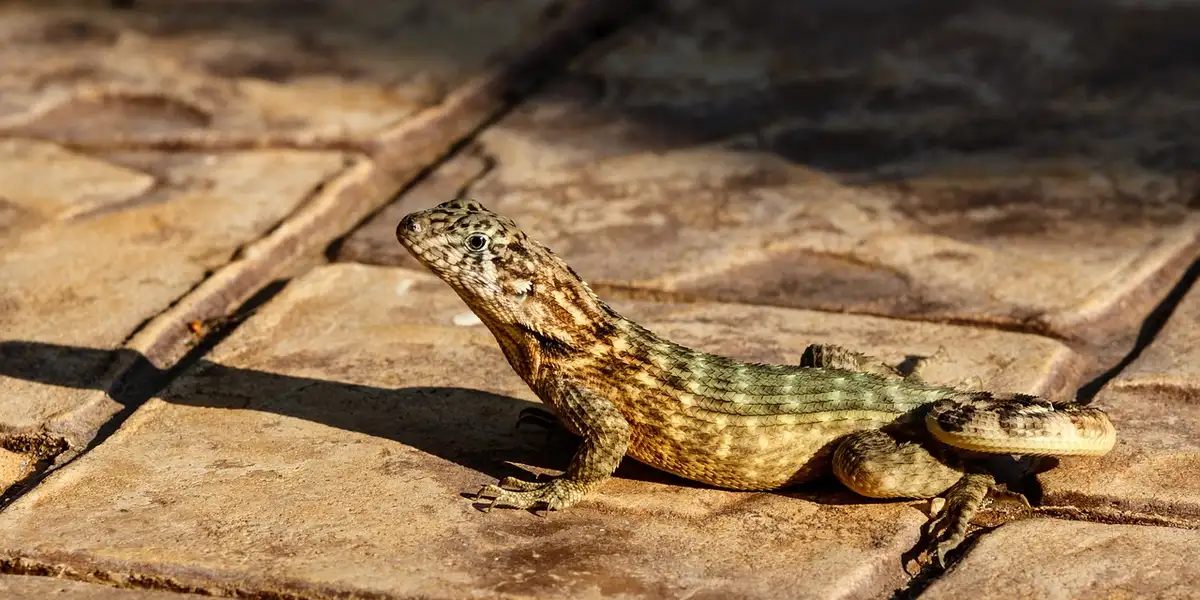
Your gecko’s incredible eyes are also delicate. Proper care prevents most common issues and keeps your pet healthy and observant. Here is my hands-on guide from years of living with these wide-eyed lizards. In leopard geckos, eye problems are common but preventable with routine care. This guide walks you through signs to watch for and simple strategies to protect their vision.
Lighting: Get This Right
Lighting is the single most important factor for eye health. I learned this the hard way when I used a bulb that was too bright for my first gecko.
- No Bright White Lights at Night: This blinds and stresses them. It’s like someone shining a car’s high beams in your face while you’re trying to sleep.
- Use a Proper Day/Night Cycle: A gentle, low-wattage daytime bulb for 10-12 hours, followed by total darkness or a specialized night-time bulb (like a Deep Heat Projector) that emits no visible light.
- Provide Shade: Always have multiple hides so your gecko can escape the light completely. My crested gecko, Jeter, spends most of his days in a shaded coconut hide.
Humidity and Hydration
Dry air is a nightmare for gecko eyes, especially for species like Crested and Gargoyle geckos.
- Maintain Species-Specific Humidity: This keeps their eyes moist and helps them clean them effectively by licking.
- Provide a Humid Hide: A hide with damp sphagnum moss is a spa for their skin and eyes.
- Watch for Stuck Shed: Shedding skin stuck on the eye is a medical emergency. If you see a filmy, opaque covering that doesn’t go away after a shed, your gecko needs help.
Handling and Habitat Safety
Their eyes are vulnerable. Be mindful of your actions and their environment.
- Avoid Direct Touching: Never touch your gecko’s eyes. If you need to help with stuck shed, use a damp cotton swab on the surrounding skin, not the eyeball itself.
- Choose Safe Substrate: Loose, dusty substrates like sand can get lodged under eyelids and cause abrasions. I use paper towel, tile, or a soil mix for a naturalistic look without the risk.
- Inspect Decor: Run your finger over all branches and decor. If it feels sharp or splintered to you, it’s a hazard to your gecko’s eyes.
Spotting Trouble: The Signs of Eye Issues
You are your gecko’s first line of defense. Act quickly if you see any of these signs.
- Swelling or Puffiness: The eye appears larger than the other or is bulging.
- Cloudiness or Discharge: A milky film, goo, or crust around the eye.
- Keeping the Eye Closed: Squinting one eye repeatedly is a clear sign of pain or discomfort.
- Rubbing the Face: Frequent rubbing against decor indicates irritation.
Any eye problem warrants an immediate visit to a qualified reptile veterinarian. Do not try to diagnose or treat serious eye issues yourself.
How Different Gecko Species See the World
Not all geckos see the world in the same way. Their vision is perfectly tailored to their lifestyle, whether they are night-prowling hunters or sun-loving baskers. I’ve seen this firsthand with my own crew-their behaviors make so much more sense once you understand how their eyes work, especially considering some unique features like geckos sleeping with their eyes open.
Nocturnal Geckos: Masters of the Dark
This group includes popular pets like Leopard Geckos, Crested Geckos, and African Fat-Tailed Geckos. My Griffey and Jeter are perfect examples of this night-owl lifestyle.
- Vertical Pupils: Their slit pupils can close down to tiny pinholes in bright light, protecting their super-sensitive eyes.
- Monochrome Night Vision: They see in shades of grey and blue in the dark. This is why I use a non-light emitting heat source at night-a colored bulb would still look bright to them and disrupt their cycle.
- Motion is Key: Their vision is excellent at detecting the slightest movement. This is why a frozen-thawed feeder insect needs a little wiggle to trigger their feeding response.
Watching my Crested Gecko, Jeter, navigate his enclosure in near-total darkness is like watching a tiny, silent ninja. He never misses a branch, proving just how adept his low-light vision truly is.
Diurnal Geckos: Living in a Colorful World
Giant Day Geckos, like my Babe Ruth, are the sun-worshippers of the gecko world. Their eyes are built for a bright, vibrant existence.
- Round Pupils: Their pupils are round, much like our own, and are designed to function in well-lit conditions.
- Exceptional Color Vision: They can see colors more vividly than their nocturnal cousins. Some research suggests they may even see UV light, which adds a whole other dimension to their world.
- Crystal-Clear Focus: Their vision is incredibly sharp, allowing them to spot prey and predators from a distance with great accuracy.
My Day Gecko, Babe, will spot a drop of fruit repast from across the terrarium, his eyes locking on with an intensity my other geckos just don’t have. It’s a clear demonstration of his superior daytime eyesight.
A Quick Comparison of Gecko Vision
| Feature | Nocturnal Geckos (e.g., Leopard, Crested) | Diurnal Geckos (e.g., Giant Day) |
|---|---|---|
| Pupil Shape | Vertical Slit | Round |
| Color Perception in Low Light | Mostly Greyscale & Blue | Not Applicable (they are asleep!) |
| Color Perception in Daylight | Limited, but present | Excellent, potentially including UV |
| Primary Strength | Motion Detection & Light Sensitivity | Visual Acuity & Color Discrimination |
Understanding these differences is not just cool trivia-it directly impacts how we set up their habitats and care for them. Providing the right light cycle is a fundamental part of respecting their natural biology and ensuring their well-being.
FAQs
What wavelengths can geckos detect?
Geckos can detect a range of wavelengths, with diurnal species seeing ultraviolet light and both nocturnal and diurnal types perceiving blues and greens effectively. Because UVB needs vary by species, a quick species-by-species breakdown helps keepers tailor lighting for their pets.
How does the gecko retina differ from humans?
The gecko retina has a much higher density of rod cells, which are also capable of color discrimination, unlike human rods that only detect light and dark.
How do geckos perceive depth and distance?
Geckos perceive depth and distance through their multi-focus lenses and excellent motion detection, which helps them accurately track prey. Geckos also rely on camouflage to hide from predators and to ambush prey. Their mottled skin helps them blend with bark, rocks, or walls in their environment.
What is the role of cone and rod cells in gecko vision?
Rod cells in geckos provide high sensitivity to low light and can discriminate color, while cone cells are responsible for color vision in brighter conditions.
Are gecko eyes slit pupils or round pupils?
Gecko eyes can have either slit pupils for nocturnal species or round pupils for diurnal species, depending on their lifestyle. These eye features are among the appearance signs used in identifying geckos. Observing pupil shape can help determine whether a gecko is nocturnal or diurnal.
Final Thoughts
Your gecko’s vision is a masterpiece of evolution, perfectly tuned for a life of crepuscular hunting. They see a world of grays and blues in the dark, relying on motion and contrast, not fine detail or a full rainbow of color. In our complete guide to lighting a bioactive gecko enclosure, you’ll learn how to balance heat, light, and humidity for a thriving habitat. It also covers photoperiods and safe UVB exposure where appropriate. The best thing you can do is replicate their natural conditions-use appropriate, low-heat lighting like a ceramic heat emitter and provide plenty of secure hides to make them feel safe in their environment.
Caring for a gecko is a continuous journey of observing and learning. Taking the time to understand how they perceive their world is one of the most rewarding parts of being a pet owner. I encourage you to keep asking questions, stay curious about their needs, and always prioritize their welfare-it’s what makes you a fantastic gecko guardian.
Further Reading & Sources
- Why can geckos see color at night? | The Children’s Museum of Indianapolis
- Gecko night vision
- Can Leopard Geckos See in the Dark? – Dragon’s Diet
The Gecko Guide is your ultimate resource for gecko enthusiasts, providing expert advice and practical tips to ensure the health and happiness of your scaly companions. Alexander is a passionate gecko owner with over a decade of experience in reptile care. We are dedicated to offering accurate, up-to-date information to support your gecko journey.Our mission is to foster a community of responsible gecko owners who are passionate about the well-being of these fascinating creatures.
Gecko Health