
Seasonal Behavior Changes in Pet Geckos: What to Expect
Published on: May 17, 2026 | Last Updated: May 17, 2026
Written By: Alexander 'Gecko Geek' Johnson
Has your normally lively gecko suddenly become sluggish, hiding more, or eating less as the seasons turn? You’re not alone in this worry-seasonal shifts can be puzzling, but they’re a natural part of your pet’s life.
From my years caring for geckos like Griffey and Jeter, I’ve seen these changes firsthand and can help you navigate them with confidence. You’ll learn the main reasons behind these behaviors and how to respond effectively. Here are your key takeaways:
- Why geckos naturally change their habits with the seasons
- How to spot the difference between normal shifts and health concerns
- Simple adjustments to your care routine to keep your gecko thriving
You’ll get straightforward advice based on real experience and science. Topics covered include: brumation, appetite changes, activity levels, temperature needs, and handling adjustments.
Understanding Your Gecko’s Internal Calendar
Your gecko doesn’t check a calendar, but its body sure does. Shorter days and cooler temperatures signal seasonal shifts. These environmental cues trigger natural behaviors like reduced activity or breeding readiness, even in a controlled terrarium. My leopard gecko Griffey starts exploring less when autumn arrives, mirroring wild instincts.
Light and temperature are the biggest drivers. I adjust my timers seasonally. Gradually decreasing light exposure over a few weeks helps mimic nature and prevents stress. My crested gecko Jeter responds well to these gentle transitions.
- Daylight duration: Aim for 10-12 hours in winter, 12-14 in summer.
- Temperature gradients: Slightly lower the warm side by a few degrees in cooler months.
- Humidity levels: Some species, like my gargoyle Mookie, need adjustments to prevent dryness.
Watch for subtle cues. Your gecko’s internal clock is finely tuned, so small changes in behavior are often seasonal, not accidental. Babe, my day gecko, becomes a bit less “in your face” when the seasons turn, and that’s perfectly normal.
The Winter Slowdown: Is My Gecko Hibernating?
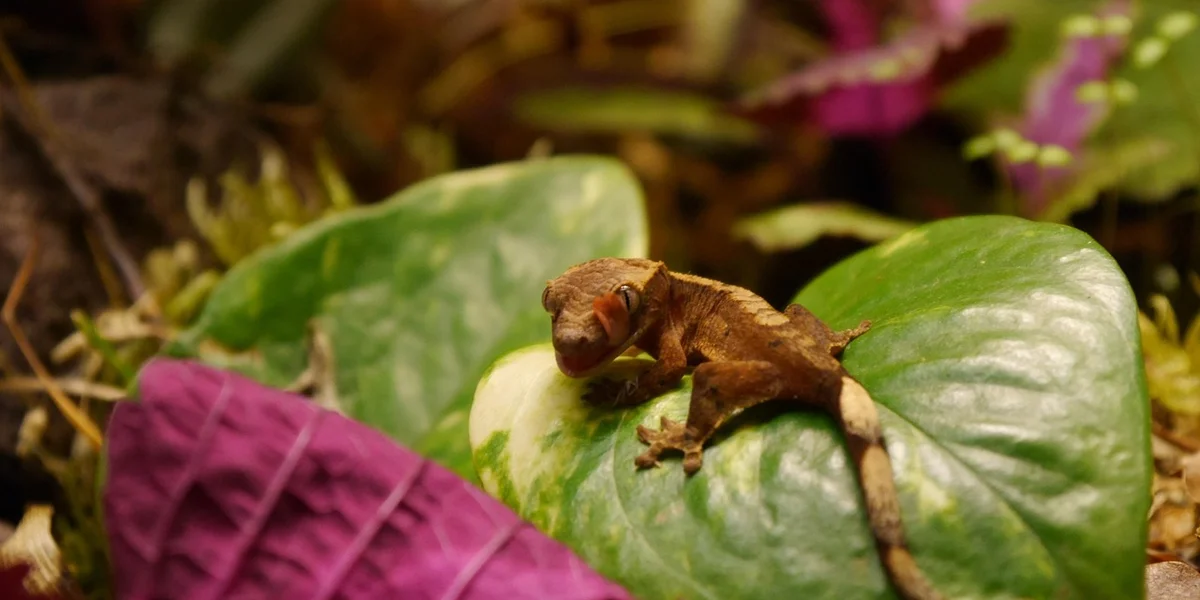
Reptiles don’t hibernate like bears; they brumate. This is a state of reduced activity. Brumation is a natural energy-saving mode, not a deep sleep, and many pet geckos experience a milder version. It can be puzzling the first time you see it.
My gecko A-Rod becomes a master of stillness in winter. This period allows their bodies to rest and can promote long-term health if managed correctly. I always double-check my heating to ensure it’s not an equipment failure causing the slowdown.
Spotting Normal Brumation Behavior
Normal brumation looks lazy but isn’t alarming. Your gecko might hide for days, eat very little, and move with the urgency of a sleepy sloth. Jeter will pick a high perch and just watch the world for weeks.
They should still wake occasionally for water. A brumating gecko maintains a healthy weight and shows no signs of distress when active. Here’s what to expect:
- Significantly reduced appetite-maybe eating once a week or less.
- Preferred hiding spot becomes their favorite lounge.
- Minimal movement, but they can and will shift positions.
- Clear eyes and smooth skin, with no mucus or swelling.
Griffey’s winter poses are less frequent, but he still looks majestic. As long as they’re not losing weight or appearing ill, this quiet phase is a sign of a well-adapted gecko.
When Less Appetite is a Red Flag
A drop in appetite can signal trouble, not just seasons. Rapid weight loss, sunken eyes, or lethargy that seems excessive are your cues to worry. I learned this when A-Rod stopped eating and his tail thinned too quickly.
Illness often comes with other symptoms. Compare a seasonal slowdown to potential sickness by looking for clusters of warning signs, not just one behavior. Here’s a quick guide:
- Normal: Slight weight fluctuation, occasional disinterest in food.
- Red Flag: Pronounced spine or hip bones visible, tail looking skinny.
- Normal: Choosing to rest more but moving when disturbed.
- Red Flag: Limpness, inability to right themselves, or labored breathing.
Trust your gut. If your gecko’s lack of eating feels off, combined with other symptoms, skip the guesswork and consult a reptile vet. Mookie’s playful leaps stopped entirely once, and it turned out he needed a simple supplement adjustment.
Spring Fever: Increased Activity and Appetite
You’ll notice your gecko seems to wake up with the world. My leopard gecko, Griffey, goes from a calm, cool customer to a lizard on a mission. He patrols his tank constantly. This surge in energy is driven by longer daylight hours and naturally rising temperatures, mimicking the wild breeding season. Interestingly, lighting temperature also plays a role. The right light spectrum and basking warmth can cue activity patterns and overall vigor, helping you fine-tune their routines.
This isn’t just about moving more. Their metabolism kicks into high gear. My crested gecko, Jeter, who usually eats politely, starts acting like every meal is his last. It’s a dramatic and welcome change after a quieter winter.
Adjusting Your Feeding Schedule for Spring
Your gecko’s increased appetite is a signal to change your routine. Don’t just offer more food; offer it more often. I follow a simple, adjusted schedule based on species. Juveniles usually need daily feedings with smaller prey. Adults do better with less frequent, larger meals.
- For insect-eaters (Leopard, Fat-Tailed): I increase feedings from 2-3 times a week to every other day. I also dust prey with calcium and vitamins more frequently.
- For CGD-eaters (Crested, Gargoyle): I offer their Crested Gecko Diet fresh every single night without fail. My gargoyle gecko, Mookie, will often finish his entire bowl during this active phase.
Watch their body condition closely. A healthy, active gecko should have a plump tail but a sleek body. Spring is the time to build up those fat reserves, but you must avoid overfeeding which can lead to obesity. My rule is to offer as much as they can eat in a 15-minute period for insectivores. Regularly monitor weight to keep gains within a healthy range. This helps manage healthy weight gain or loss in leopard geckos.
Summer Heat and Seasonal Stress
Summer brings its own challenges. While we enjoy the sunshine, the ambient heat in our homes can creep up. This can accidentally turn your gecko’s enclosure into a constant hot zone. I learned this the hard way one sweltering July. Understanding common gecko heating mistakes and how to avoid them can save you from a repeat. If you know what to avoid, you can keep your pet safe all summer.
My Giant Day Gecko, Babe, became unusually lethargic. He was parked in his cool hide all day, which is very unlike his bold, basking nature. Prolonged exposure to high ambient temperatures is a major stressor that can lead to dehydration and heat exhaustion. It’s a silent threat you must actively manage.
Managing Your Enclosure’s Temperature Gradient
The key to a safe summer is a perfect temperature gradient. This means your tank must have a distinct warm side and a distinct cool side. Your gecko needs to self-regulate.
- Verify Your Temperatures: Use a digital thermometer with a probe. Check the basking spot, the warm side, and-most critically-the cool side. The cool end must consistently stay below 75°F (24°C).
- Adjust Your Heating Equipment: If your room is already hot, you may need to lower the wattage of your heat bulb or shorten its daily on-time with a timer.
- Increase Airflow & Hydration: I run a small, quiet room fan near (not directly on) the enclosures to promote air circulation. I also mist more frequently to help with cooling through evaporation.
Watch for signs of heat stress: excessive time in the water dish, gaping, and lethargy. If your Fat-Tailed gecko, like my A-Rod, is constantly hiding in his moist hide, it’s a clear sign the overall tank is too warm for his comfort. Act quickly to cool things down.
The Breeding Season Buzz
When the seasons shift, so do your gecko’s hormones. I’ve seen it firsthand with my own crew. My Crested Gecko, Jeter, becomes a bit more of a lounge lizard, while my Leopard Gecko, Griffey, starts patrolling his tank like a tiny, spotted security guard. This hormonal surge is completely natural and a sign your gecko is healthy and responsive to its environment.
Caring for a Gravid (Egg-Carrying) Gecko
Finding out your female gecko is gravid can be a surprise, even without a male present, as they can lay infertile eggs. My gecko Babe has done this, and it’s a period that requires extra attention. If you’re wondering whether your gecko is gravid, look for a noticeably rounded belly and changes in appetite or activity. A vet can confirm pregnancy with imaging such as ultrasound or X-ray and guide you on care.
Here is what you need to do immediately:
- Provide a Lay Box: Fill a small container with moist, but not wet, sphagnum moss or eco earth. This gives her a safe, humid place to dig and deposit her eggs.
- Boost Her Calcium: Dust her insects heavily with calcium powder at every feeding. Producing eggs drains her calcium reserves rapidly, which can be dangerous.
- Increase Food Offerings: She’s eating for a potential clutch, so offer more frequent, gut-loaded feeder insects.
Watch for these key signs she’s ready to lay:
- She becomes restless and spends a lot of time digging.
- You can see the outline of eggs through her belly skin.
- She may lose her appetite right before laying.
After she lays her eggs, she will likely be very thin and hungry. Offer her a nutritious meal immediately and ensure she has constant access to her calcium dish. This recovery phase is critical for her long-term health.
Creating a Simple Seasonal Care Schedule
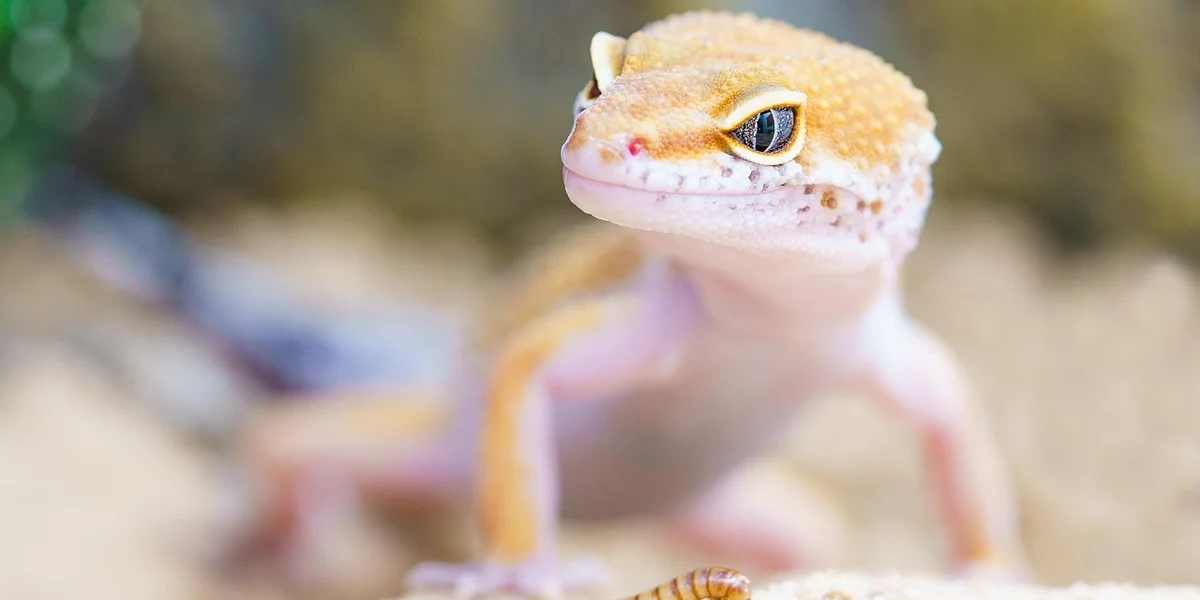
You don’t need a complicated chart. I manage five different gecko species by following a simple, sensory-based calendar. It’s about working with nature’s rhythm, not against it.
Spring (Breeding Season)
- Behavior: Increased activity, possible appetite changes, males may show territorial behavior.
- Care: Monitor females for signs of being gravid. Ensure all geckos have proper UVB lighting and a stable heat gradient.
Summer (Peak Activity)
- Behavior: Most active and hungry. Your gecko will be at its peak basking and exploring.
- Care: Maintain consistent temperatures. Hydration is key-mist more frequently if humidity drops. Watch for overheating if your room gets warm.
Fall (The Wind-Down)
- Behavior: Appetite may begin to decrease slightly as daylight hours shorten.
- Care: This is a good time for a full terrarium deep-clean. Start observing your gecko’s weight to establish a healthy baseline before winter.
Winter (Slower Pace)
- Behavior: Many geckos naturally eat less and sleep more. Don’t panic if their appetite slows.
- Care> Ensure your heating equipment is functioning perfectly to combat colder room temperatures. The biggest winter mistake is overfeeding a gecko that is following its natural, slower rhythm.
The best tool you have is a simple journal. Note down feeding, shedding, and weight. This log will help you see your gecko’s personal seasonal patterns, which is far more valuable than any generic guide.
Your Seasonal Health Monitoring Plan
Keeping a close eye on your gecko through the seasons is your best defense against health issues. I use a simple weekly log for my crew-Jeter, Griffey, and the others-because a sudden change is easier to spot when you have notes to look back on. This isn’t about being paranoid; it’s about being a proactive and caring owner.
Essential Checkpoints for Every Season
Make these quick observations part of your regular routine. They take just a minute but give you a wealth of information.
- Weight: Weigh your gecko monthly using a small kitchen scale. A gradual, slight drop in winter is normal; a sharp decline is not.
- Appetite: Track how much they eat. Is it the usual three crickets or just one? Note any complete refusals.
- Hydration: Watch for drinking and check for bright, clear eyes. Sunken eyes can be a sign of dehydration.
- Activity Level: Is your gecko exploring at night or staying put? A crested gecko like Jeter being less active is different than a lethargic leopard gecko.
- Shedding: Note the frequency and completeness of sheds. Problem sheds often happen when humidity is off.
Creating a Simple Health Log
You don’t need anything fancy. A notepad on the fridge or a note on your phone works perfectly.
- Record the date and the season.
- Jot down their weight.
- Note what and how much they ate.
- Make a quick comment on their behavior (e.g., “active,” “hiding,” “basking”).
- Note any unusual feces or problems with shedding.
This log becomes incredibly valuable for your vet if you ever need to call them, transforming a vague worry into specific, documented data. I’ve found it helps me stop second-guessing myself, especially during the quieter winter months.
When to Adjust Your Care
Your monitoring tells you when it’s time to make a change. Here’s what I look for.
- Adjust Food: If your gecko is consistently refusing food during a season when they should be active, first check your temperatures. If temps are correct, a vet visit may be needed.
- Adjust Humidity: If you see stuck shed, especially on toes or the tip of the tail, your humidity needs a boost. I run a humidifier in the room during dry winters to help everyone.
- Seek a Vet: Any rapid weight loss, lethargy during their active season, labored breathing, or persistent lack of appetite warrants a professional opinion.
Trust your instincts-you know your gecko’s normal “vibe” better than anyone. A slight seasonal slowdown is one thing; a gecko that seems truly unwell is another. Your careful monitoring ensures they get the right care at the right time, especially when you notice early warning signs of illness.
FAQs
How can I tell if my gecko’s seasonal behavior change is normal or a sign of illness?
Normal seasonal changes involve gradual shifts in activity and appetite without weight loss or distress, while illness often shows rapid weight decline, lethargy, and other symptoms like labored breathing.
Should I adjust the humidity in my gecko’s enclosure with the seasons?
Yes, modifying humidity levels seasonally helps prevent issues like stuck shed in dry winters and supports hydration during hotter months, based on your gecko’s species needs. This is part of creating the perfect habitat humidity for easy gecko shedding. Regularly checking and adjusting humidity helps keep shedding smooth.
Is it necessary to change my gecko’s diet based on seasonal activity levels?
Absolutely, you should increase feeding frequency during active seasons like spring and summer and reduce it in winter to align with their natural metabolic fluctuations.
Your Gecko’s Natural Rhythm
Seasonal shifts in your gecko’s appetite, activity, and even their desire to breed are completely normal responses to the world around them. In fact, seasonal changes often influence gecko feeding patterns, with appetite rising or falling as daylight and temperatures shift. Your main job is to be a keen observer, monitoring these changes without panic, and providing a stable environment with proper heating and lighting to support them through their natural cycles. By tracking these appetite fluctuations, you can adjust feeding schedules and maintain stable health through each season. Always consult an exotic vet if you notice signs of illness like significant weight loss, lethargy, or labored breathing, rather than assuming it’s just the season.
The most rewarding part of being a gecko keeper is learning to work with their instincts, not against them. Your commitment to understanding these subtle behaviors is what transforms a hobby into a true partnership with your pet. Keep asking questions, stay curious, and your gecko will thrive under your thoughtful, watchful care for years to come. Understanding gecko behavior and temperament is key to this process.
Further Reading & Sources
- r/leopardgeckos on Reddit: PSA: Breeding Season and You: Why Your Gecko Still Isn’t Eating and Has Suddenly Gotten Restless
- Geckos: Fascinating Lizards,Behavior, Habitat & Conservation
- Flying Gecko: Gliding Lizard Facts, Behavior & Habitat
The Gecko Guide is your ultimate resource for gecko enthusiasts, providing expert advice and practical tips to ensure the health and happiness of your scaly companions. Alexander is a passionate gecko owner with over a decade of experience in reptile care. We are dedicated to offering accurate, up-to-date information to support your gecko journey.Our mission is to foster a community of responsible gecko owners who are passionate about the well-being of these fascinating creatures.
Seasonal Care