
Buying a Gecko Online: Pros, Cons & Key Considerations
Published on: May 27, 2026 | Last Updated: May 27, 2026
Written By: Alexander 'Gecko Geek' Johnson
Staring at a screen full of beautiful geckos, you’re probably wondering if clicking ‘add to cart’ is a brilliant idea or a terrible mistake. I’ve been there, and I know that mix of excitement and anxiety all too well.
I’ve bought geckos from online breeders and local pet stores, and I’m here to walk you through the entire process. We’ll break down the key points so you can make an informed, confident decision for your future pet.
- The undeniable convenience and incredible variety available at your fingertips.
- The potential risks and how to identify a truly ethical, reputable online breeder.
- The essential steps you must take to prepare for a safe and healthy arrival.
By the end of this guide, you’ll have a clear, honest picture of what to expect. We’ll cover the pros, the cons, how to pick a breeder, and how to prepare for arrival day. Let’s get your new friend home safely.
The Allure of the Click: The Pros of an Online Purchase
I remember scrolling through listings late one night, my screen glowing with geckos I could never find at my local pet store. The sheer variety available online is a massive draw. You aren’t limited to the few geckos a store has in stock that week. If you’re about to bring a gecko home, here’s the ultimate shopping list—everything you need for a new pet. From enclosures to substrates and essential care gear, online shopping makes it easy to grab all the essentials in one go.
You gain access to a national, sometimes global, marketplace of specific morphs, rare colors, and proven breeding lines with just a few clicks. That stunning Giant Day Gecko with perfect red speckles? It’s probably a few states away, waiting for you.
- Unmatched Variety: Find exactly the morph, age, or lineage you want instead of settling for what’s available locally.
- Direct Breeder Access: Many online sellers are the actual breeders, giving you firsthand knowledge about the gecko’s parents and history.
- Competitive Pricing: Online competition can sometimes lead to better prices, especially for more common morphs.
- Convenience: You can shop from your couch, comparing dozens of options without driving anywhere.
The Hidden Dangers: Understanding the Cons and Risks
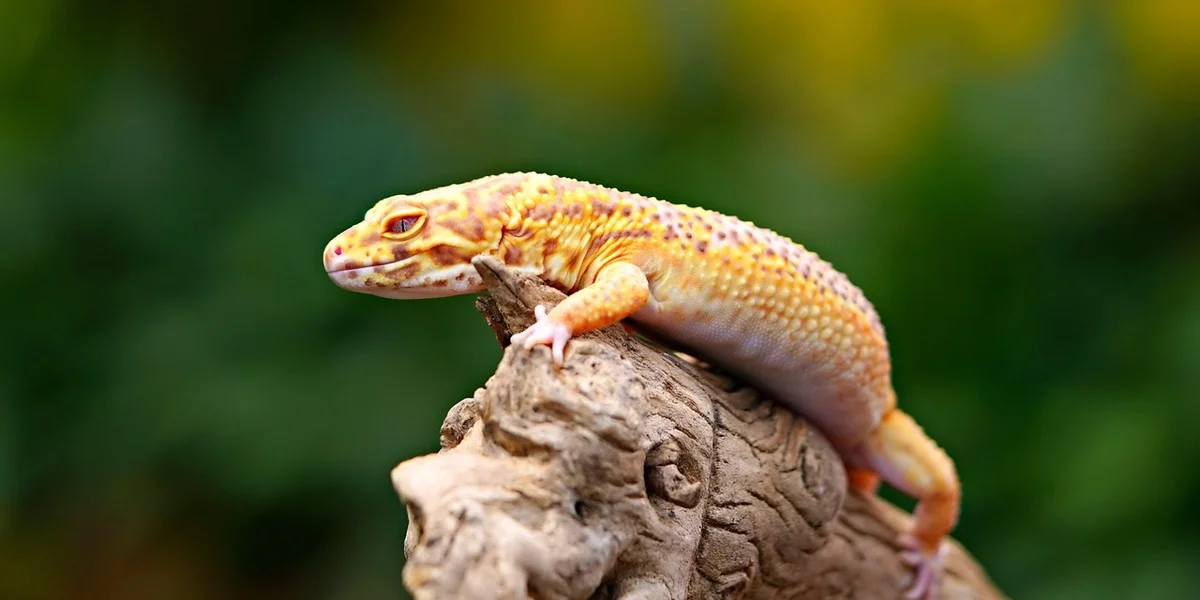
For every beautiful gecko photo, there’s a real animal that has to make a journey to your home. This process isn’t as simple as ordering a book.
The Reality of Shipping Stress
My gecko, Jeter, arrived safely, but I was a nervous wreck tracking that package all day. Shipping is the single biggest risk in online reptile purchases. This is part of a complete guide to shipping geckos safely and legally in the US. It covers choosing carriers, proper containment, and required permits.
A gecko is a living creature, not a commodity, and the transit process is inherently stressful for them, no matter how professionally it’s handled. They are placed in a small, secure deli cup with air holes, packed in an insulated box, and often shipped via overnight carriers.
- Temperature Extremes: A delay or a package left on a hot truck can be fatal.
- Physical Jostling: Despite “Live Animal” labels, boxes are still thrown and stacked in transit.
- Limited Time: They only have the air and moisture in their little cup for the entire trip.
- Your Responsibility: You must be available to receive the package immediately upon arrival.
The Challenge of Verifying Health Online
A photo can hide a multitude of sins. A gecko can look plump and healthy in a picture but be suffering from parasites or a hidden injury.
You are essentially buying a living animal based on a handful of curated photos and the seller’s description, which is a significant leap of faith. I learned this the hard way with a gecko that seemed fine online but arrived with a slight limp the camera never saw.
- Hidden Illness: Symptoms like lethargy, early signs of metabolic bone disease, or parasites are impossible to see in a static image.
- Photo Angles: Sellers use flattering angles and lighting. You can’t see if the gecko is underweight or has stuck shed.
- Personality Mismatch: That “calm” gecko in the photo might be terrified and defensive in person, leading to a difficult adjustment.
- Guarantee Gaps: Even with a “live arrival” guarantee, proving an illness was pre-existing is incredibly difficult.
Finding a Reputable Breeder: Your Most Important Step
Buying a gecko online is all about trust. You can’t hold the animal before you pay, so your entire experience hinges on the breeder’s integrity. Your number one job is to become a detective and vet the seller thoroughly before even looking at their available geckos. I learned this the hard way years ago, and it’s a lesson I share with every new owner. Buyer beware: 8 common mistakes first-time gecko buyers make can derail your search. In my guide, I cover the 8 mistakes to avoid when purchasing your first gecko and how to spot red flags.
What to Look For in a Breeder
A great online breeder makes their practices an open book. They have nothing to hide.
- Clear, Detailed Photos and Videos: They should provide multiple angles of the actual gecko you’re buying, not just stock photos. A video of the gecko moving is a huge green flag.
- Transparent Communication: They answer your questions quickly and thoroughly. Ask about the gecko’s hatch date, feeding response, and lineage. If they hesitate, move on.
- Active, Positive Community Presence: Look for them on forums like Gecko Forums or FaunaClassifieds. Check the Board of Inquiry on FaunaClassifieds for any negative feedback.
- A Solid Health Guarantee: A reputable breeder will guarantee the gecko arrives alive and healthy. They should also offer a short-term guarantee against congenital issues.
Major Red Flags to Avoid
Your gut feeling is a powerful tool. If something feels off, it probably is.
- They refuse to provide a specific video of “your” gecko.
- Communication is slow, vague, or they get defensive when asked basic questions.
- They only accept payment methods with no buyer protection, like wire transfers or cash apps.
- They have multiple negative reviews or a history of “mysterious” animal deaths.
Cost Analysis: Is an Online Gecko Really Cheaper?
That $50 gecko on a website can look like a steal compared to a pet store. But the true cost is almost always more than the price tag. You must factor in the non-negotiable and often hidden costs of shipping and potential health setbacks. When I bought my crestie, Jeter, online, his price was fair, but the shipping doubled my initial investment. Are there hidden costs to gecko ownership? They can add up fast—from enclosure setup to ongoing heat, humidity, and lighting, plus routine vet care.
Breaking Down the Real Cost
| Cost Factor | Online Purchase | Local Purchase (Reptile Show/Breeder) |
|---|---|---|
| Gecko Price | Often lower, especially for common morphs. | Can be higher, but you see what you pay for. |
| Shipping | $50 – $150+, depending on weather and carrier. | $0. You take it home yourself. |
| Health Risk | Higher. Shipping is stressful and can expose the gecko to illness. | Lower. You can visually inspect the animal and its environment. |
| Vet Bill Potential | More likely. A stressed gecko may need a check-up. | Less likely, but still possible. |
The Value of Peace of Mind
Sometimes, paying a little more locally is the better financial decision. Choosing a gecko in person allows you to assess its health, body condition, and personality firsthand, which can prevent costly vet visits and heartache later. For a first-time owner, this hands-on selection process is invaluable. Should you look for signs of health when choosing a gecko? Look for signs of health such as bright eyes, an alert demeanor, and a healthy-looking tail to gauge vitality.
Online buying is fantastic for accessing rare morphs you’d never find locally. Just go in with your eyes open, budget for the full cost, and always prioritize a breeder’s reputation over a bargain price. Your future scaly friend is counting on you to make a smart choice.
Preparing for Arrival: Your Home Setup Checklist
Getting your enclosure ready *before* your new gecko arrives is the single most important thing you can do. A stressed gecko from shipping needs a perfect, ready-to-move-into home, not a construction zone. I learned this the hard way with my first online order, scrambling to set up a heat lamp as the shipping box arrived.
The Non-Negotiable Enclosure Essentials
Your gecko’s new house needs to be fully operational. Don’t just have the parts; have it running for at least 24-48 hours to stabilize temperatures and humidity. For your first 24 hours, follow this essential step-by-step guide to set up and monitor your gecko’s environment.
- Fully Assembled & Secure Enclosure: Tank, terrarium, or bioactive setup is completely built with no loose items.
- Stable Temperature Gradient: A warm basking spot and a cooler area. Use digital thermometers, not cheap analog stick-ons.
- Verified Humidity Levels: A hygrometer is a must. Mist the enclosure to achieve the right humidity for your species before they arrive.
- Tested & Safe Heating: Under-tank heater, ceramic heat emitter, or deep heat projector is working correctly and regulated by a thermostat.
- Functioning Lighting: Any necessary UVB or day/night cycle lights are on a timer.
Hides, Decor, and Creature Comforts
Geckos feel secure with clutter and places to hide. An empty tank is a scary, stressful place.
- Minimum of Two Hides: One on the warm end, one on the cool end. A humid hide is also critical for shedding.
- Climbing & Hiding Foliage: Fake plants, cork bark, and branches break up sight lines and offer enrichment.
- Safe Substrate: Paper towel is best for the first few weeks to monitor health. Avoid loose substrates initially.
- Water & Food Dishes: Clean, shallow dishes placed in easy-to-find locations.
Your goal is to open the shipping box, gently place the gecko in its pristine new home, and then leave it completely alone to decompress. A perfect setup makes this critical transition smooth and safe. For a moving-house gecko, follow our step-by-step low-stress guide to keep disruption to a minimum.
The Ethical Question: Animal Welfare in Online Sales
This is the part that keeps me up at night. The online marketplace is a wild west, and the convenience of a few clicks should never override the welfare of the living animal in the box. I’ve seen beautiful geckos from amazing breeders, but I’ve also seen the heartbreaking results of irresponsible sellers.
Red Flags of an Unethical Seller
Spotting a bad actor can save you and a gecko from a terrible experience. Watch for these warning signs.
- Vague or No Answers: They can’t or won’t provide specific details about the gecko’s lineage, hatch date, or feeding history.
- No Live Photos or Videos: They only use stock photos or heavily filtered images. Always ask for a current, time-stamped photo.
- Pressure to Buy: They use high-pressure sales tactics like “this price is only for today” or “many other buyers are interested.”
- Poor Communication: They are slow to respond or become defensive when you ask basic animal care questions.
- Unrealistically Low Prices: If a price seems too good to be true, it often is. This can indicate mass breeding or sickly animals.
How to Be an Ethical Online Buyer
Your purchasing power is a vote for a kind of breeder. Use it to support people who genuinely care for their animals.
- Choose Reputable Breeders: Look for breeders with established websites, active social media showing their facility, and glowing reviews on forums.
- Ask About Their Practices: Good breeders are proud of their work. Ask about enclosure size, diet, and how they socialize their geckos.
- Support Small-Scale Operations: Often, the best care comes from breeders who have a small, cherished collection, not a massive reptile mill.
- Consider Adoption First: Look at reptile rescues or rehoming groups online. Many wonderful geckos need a second chance at a good home.
An ethical purchase isn’t just about getting a healthy animal; it’s about affirming that this creature’s life has value beyond a price tag. Do your homework, trust your gut, and always advocate for the animal.
FAQs
How is a live gecko legally and safely shipped to me?
Reputable breeders use specialized overnight shipping services with insulated boxes and secure containers to ensure the gecko’s safety during transit.
What does a ‘live arrival’ guarantee actually cover?
A live arrival guarantee typically ensures the gecko is alive when it reaches you but may not cover pre-existing health conditions that become apparent later.
What is the first thing I should do when my new gecko arrives?
You should place the gecko directly into its fully prepared enclosure and leave it completely alone to minimize stress and allow it to acclimate. It’s especially important for stressed geckos to have some time to settle in a calm environment.
The Final Verdict on Buying Geckos Online
Ultimately, buying a gecko online gives you incredible access to specific morphs and reputable breeders, but you trade the ability to see and handle your new pet in person. My own experience has taught me that the key is meticulous research into the seller’s reputation, asking for detailed photos and videos, and always choosing overnight shipping to minimize stress on the animal. For beginners, Morph Market 101 offers safety guidelines for buying and selling geckos online. Following these guidelines can help you shop confidently and responsibly.
Remember, your responsibility as a keeper begins the moment you click “purchase,” not when the gecko arrives at your door. Continue learning about their ever-evolving care needs, listen to what your gecko’s behavior tells you, and be prepared to adapt-this is a living commitment that lasts for years, not just a one-time transaction.
Further Reading & Sources
- Geckos for Sale | Reptiles for Sale
- Geckos For Sale – Underground Reptiles
- geckos for sale online | baby gecko for sale near me gecko breeder
The Gecko Guide is your ultimate resource for gecko enthusiasts, providing expert advice and practical tips to ensure the health and happiness of your scaly companions. Alexander is a passionate gecko owner with over a decade of experience in reptile care. We are dedicated to offering accurate, up-to-date information to support your gecko journey.Our mission is to foster a community of responsible gecko owners who are passionate about the well-being of these fascinating creatures.
Gecko Selection & Acquisition