
Humidity & Heat: Your Gecko’s Health Duo
Published on: July 14, 2026 | Last Updated: July 14, 2026
Written By: Alexander 'Gecko Geek' Johnson
Getting the balance between humidity and heat wrong in your gecko’s tank is one of the fastest ways to cause serious health problems. I’ve seen it lead to everything from terrible shedding issues to respiratory infections in my own collection.
But you don’t have to guess. I will help you master this delicate dance by breaking down three key takeaways:
- Why humidity and heat are a package deal, not separate settings.
- How to accurately measure both levels in your specific setup.
- The simple daily routines that prevent common gecko health crises.
You will get clear, step-by-step advice you can use right away. This article covers: gecko species requirements, heating equipment choices, humidity creation methods, problem signs to watch for, and advanced bioactive tips.
Why Humidity and Heating Are a Dynamic Duo
Humidity and heating work together like a well-rehearsed team to keep your gecko thriving. Proper balance ensures smooth shedding by softening old skin and supports digestion by helping your gecko metabolize food efficiently. When one is off, it can throw everything out of sync.
| Proper Balance | Improper Balance |
|---|---|
| Clean, complete sheds | Stuck shed on toes or tail |
| Healthy appetite and digestion | Loss of appetite or regurgitation |
| Active, alert behavior | Lethargy or stress signs |
I saw this firsthand with my crested gecko, Jeter. He used to struggle with patchy sheds until I tweaked his humidity and heat. After adding a timed misting system and adjusting his under-tank heater, Jeter’s skin slid off in one perfect piece, and he became more active, perching confidently like the captain he is.
The Science Behind Humidity and Temperature Gradients
A humidity gradient means having varying moisture levels across the terrarium, while a thermal gradient offers different temperature zones. Creating these microclimates lets your gecko choose what it needs, just like in the wild. Here is how to set it up step by step.
- Place a heat source on one end for a warm basking area around 85-90°F for species like leopard geckos.
- Keep the opposite end cooler, around 70-75°F, for resting and cooling down.
- Add a moist hide with damp sphagnum moss in the middle or warm end to boost local humidity for shedding.
- Use live plants or water dishes to naturally increase moisture in specific spots.
- Monitor with digital thermometers and hygrometers in each zone to ensure stability.
This setup mimics natural environments, reducing stress and promoting natural behaviors. My gargoyle gecko, Mookie, loves leaping between the humid hide and dry branches, showing how well gradients work.
How Heating Devices Directly Impact Humidity Levels
Heating devices can dry out the air or create condensation, affecting your humidity control. Understanding each type helps you avoid sudden drops or spikes that harm your gecko. The dew point is key-it is the temperature where moisture condenses, influencing daily humidity cycles.
- Heat Lamps: Pros – Provide broad, overhead warmth; Cons – Can rapidly lower humidity by evaporating moisture.
- Ceramic Heaters: Pros – Emit dry heat without light, good for night use; Cons – May require extra misting to counter dryness.
- Under-Tank Heaters: Pros – Gentle belly heat that aids digestion; Cons – Less impact on air humidity, so pair with humidifiers.
I use ceramic heaters for my African fat-tailed gecko, A-Rod, but I mist more frequently to keep his enclosure from becoming too arid. This balance prevents respiratory issues and supports his territorial rearranging habits.
Setting Up Your Terrarium for Ideal Humidity and Heating
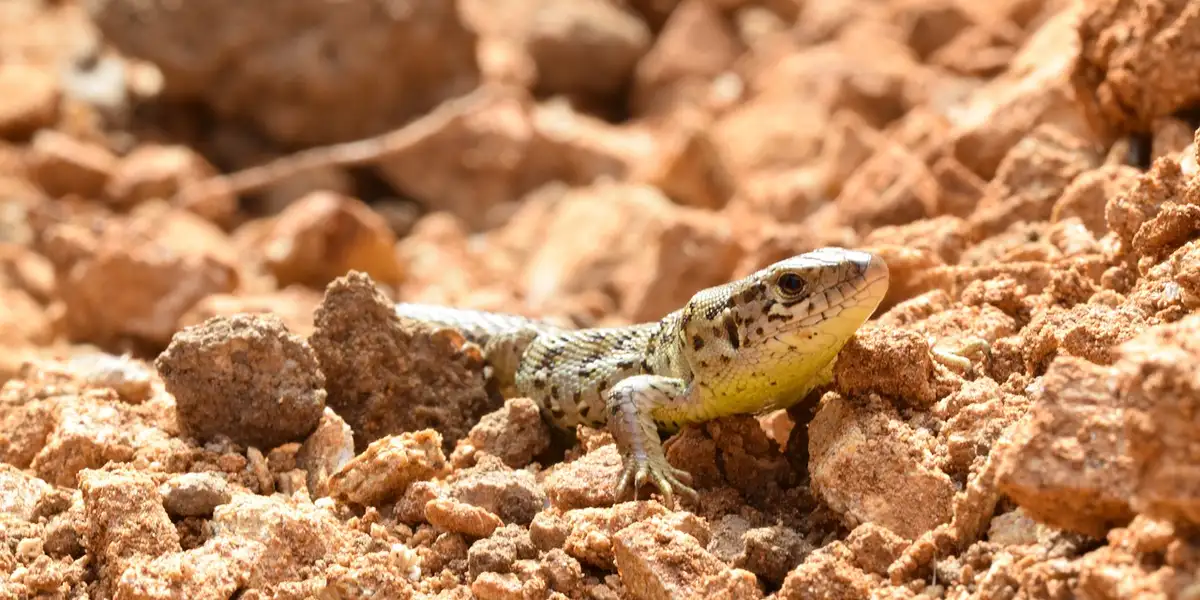
Designing your enclosure starts with substrate and layout to hold moisture without molding. Choose substrates like coconut fiber or organic topsoil that retain humidity well and avoid sand, which can cause impaction. Follow these steps for a foolproof setup.
- Layer 2-3 inches of moisture-friendly substrate across the bottom.
- Position heating elements on one side to create a warm zone.
- Add hides and decor to break up space and create microclimates.
- Incorporate a water dish and humidity-boosting features like live plants.
- Test the setup for a week before introducing your gecko to fine-tune levels.
For humidity sources, misting systems offer control but need daily attention, while foggers create a fine mist that looks natural but can over-humidify if not monitored. I prefer misting for my leopard gecko Griffey because it lets me adjust based on his behavior, like when he basks more or less. Avoid common mistakes like placing heat lamps too close-this can cook the humidity and stress your pet.
Choosing the Right Heating and Humidity Tools
Selecting tools is about safety and efficiency to prevent burns or dehydration. Heat mats are great for belly heat but need thermostats to avoid overheating, while lamps provide ambient warmth but require careful placement. Humidifiers should have adjustable settings to match your gecko’s needs.
- Heat Mats: Ideal for nocturnal species; ensure they cover no more than 1/3 of the tank floor.
- Heat Lamps: Best for diurnal geckos like giant day geckos; use with a dimmer for control.
- Humidifiers/Foggers: Look for models with timers; I have had good results with reptile-specific brands for consistency.
Essential monitoring tools include digital hygrometers for accurate humidity readings and infrared thermometers for spot checks. I rely on digital hygrometers in each of my geckos’ tanks—they have saved Babe, my giant day gecko, from dehydration scares. DIY solutions like manual misting bottles work but demand more time and observation. Many keepers debate infrared thermometers versus analog dials for accuracy in gecko tanks. In my experience, infrared readings are fast for spot checks, but a well-calibrated analog dial often provides more stable, long-term temperature trends.
Creating and Maintaining Humidity Cycles
Consistent cycles mimic natural rhythms, keeping your gecko healthy and predictable in behavior. Stick to a schedule to avoid stress from sudden changes-geckos thrive on routine. Here is a simple daily and weekly plan.
- Daily: Mist the enclosure in the morning and evening to spike humidity for shedding support.
- Daily: Check heating devices are functioning and adjust if temperatures fluctuate.
- Weekly: Deep-clean water dishes and refresh substrate moisture to prevent bacteria.
- Weekly: Calibrate hygrometers and thermometers to ensure accuracy.
My crested gecko Jeter’s calm demeanor improved dramatically once I fixed his humidity cycle, making handling sessions smoother. Regular checks help you catch issues early, like when Mookie’s playful leaps indicated his zone was too dry.
Monitoring and Adjusting Humidity with Heating
Keeping your gecko’s environment perfect is a constant dance between heat and moisture. Your most reliable partners in this dance are a digital hygrometer and a trustworthy thermostat. I keep a hygrometer on both the warm and cool sides of the enclosure to get the full picture, checking them daily. The thermostat is non-negotiable for safety; it stops your heat source from turning a cozy spot into a desert oven. For the best thermostat gecko heating equipment, choose models with precise dual sensors and reliable safety shutoffs. Also, ensure compatibility with your heat source (heat mats or ceramic heaters) and easy calibration to fit your enclosure.
When levels drift, don’t panic. A quick troubleshooting check usually solves it.
- Humidity Too High: Increase ventilation by cracking the lid or adding a small fan nearby. Make sure your water bowl isn’t directly under the heat lamp, as it will evaporate too quickly.
- Humidity Too Low: Mist the enclosure more frequently. Add a larger water bowl or move it to the warm side. You can also mix more water into your substrate if it’s safe to hold moisture.
- Temperature Too High: Your thermostat probe might have slipped. Reposition it securely. You may also need a lower-wattage bulb or a dimming thermostat for finer control.
- Temperature Too Low: Check that your heat element is functioning and isn’t blocked by décor. The ambient room temperature might have dropped, requiring a slightly stronger heat source.
I learned the value of regular checks the hard way with my Giant Day Gecko, Babe. One evening, his usual vibrant green seemed a little dull. A quick check of the hygrometer showed the humidity had plummeted to 30% after my heat lamp had been on all day. Catching that early meant a simple misting session fixed it, and he was back to his bold, food-motivated self by morning. A daily glance at your tools takes seconds but can prevent weeks of worry.
Signs Your Gecko’s Environment Is Off-Balance
Your gecko can’t tell you the humidity is wrong, but their body and behavior will. You just have to know what to look for. Spotting these cues early is the heart of proactive, compassionate care. Many signs of stress in geckos are linked to their environment—humidity, temperature, lighting, and hiding places. By adjusting the enclosure to meet their needs, you can often prevent or reduce these stress cues.
- Stuck Shed: You’ll see dry, flaky pieces of skin, especially on their toes and tail tip. Immediate Action: Provide a moist hide and a shallow, lukewarm soak.
- Lethargy and Hiding Excessively: While geckos hide, a total lack of activity or interest in food can signal discomfort. Immediate Action: Check your temperature gradients to ensure a proper warm and cool zone exists.
- Labored Breathing or Wheezing: This is a serious sign of a respiratory infection, often from too much moisture and not enough heat. Immediate Action: Consult a reptile veterinarian immediately.
- Sunken Eyes or Wrinkly Skin: This indicates dehydration, a direct result of low humidity. Immediate Action: Boost humidity and ensure a fresh water bowl is always available.
- Spending All Time in One Corner: If they’re always on the cool side, it’s too hot. Always on the warm, moist side? It’s probably too dry or cold elsewhere. Immediate Action: Re-evaluate your heat and humidity distribution across the tank.
Common Problems and Quick Fixes
Even with the best setup, things can go a little sideways. Here’s a quick-reference guide to some frequent hiccups. When your gecko’s favorite hide is drier than a cracker, you know it’s time to act.
| Problem | Likely Cause | Solution |
|---|---|---|
| Stuck Shed | Chronic low humidity; no moist hide available. | Create a proper humid hide immediately. Gently assist with removal after a warm soak to prevent lost toes. |
| Respiratory Infection | High humidity combined with low temperatures and poor ventilation. | Increase heat and ventilation. A vet visit is crucial for antibiotics. |
| Dehydration | Insufficient humidity and/or a lack of drinking water. | Increase misting frequency and duration. Ensure the water bowl is clean, full, and placed correctly. |
| Refusing to Eat | Often related to incorrect temperatures, making digestion difficult. | Verify your warm side surface temperature is species-appropriate. A digital temp gun is your best friend here. |
Preventing and Addressing Shedding Issues
A clean, one-piece shed is the ultimate sign of a happy, hydrated gecko. Proper humidity is the magic ingredient that lets them peel off their old skin like a perfect little sock. The single best thing you can do to guarantee this is provide a moist hide. This is a dedicated, enclosed space filled with damp substrate that gives them a super-humid microclimate whenever they need it. If you’re DIY-inclined, you can build a simple humid hide at home. Use a small plastic container, damp substrate, and a few ventilation holes for a safe, effective microclimate.
I had a scare with my crestie, Jeter, who had a tiny piece of shed stuck on one toe. Since then, a moist hide is a non-negotiable fixture in every one of my enclosures. For my big guy Babe, I use a large plastic container with a hole cut in the side, stuffed with soaked sphagnum moss. He now uses it religiously before a shed and emerges looking brand new and impossibly bright green. It’s a simple fix that works every time.
To make your own DIY humid hide, you only need a few things:
- A small plastic container with a snap-on lid (like a deli cup or Tupperware).
- Scissors or a soldering iron to safely melt a smooth entrance hole.
- A moisture-holding substrate like sphagnum moss, peat moss, or even damp paper towels.
Dealing with Overheating and Low Humidity
Sometimes the environment needs a quick rescue mission. If your tank is too hot and dry, your gecko is under serious stress. The key is to act calmly and make changes gradually to avoid shocking them further. Effective techniques and environmental fixes are crucial for helping stressed geckos.
- Disconnect the Heat Source: If the temperature is dangerously high, unplug the heat mat or lamp immediately.
- Mist Gently and Liberally: Spray the sides of the enclosure and any décor to boost ambient moisture quickly. Avoid spraying your gecko directly if they seem stressed.
- Check Room Temperatures: Is the room itself unusually warm? Moving the enclosure to a cooler part of the house can offer temporary relief.
- Re-evaluate Your Setup: Once things are stable, figure out what went wrong. Was the thermostat malfunctioning? Is the wattage of the bulb too high for the tank size?
- Re-introduce Heat Slowly: Once the crisis is over, plug your heat source back in and monitor it closely as it returns to the correct, stable temperature.
Rapid swings are more harmful than a slow drift, so always aim for gentle corrections. A stressed gecko is a vulnerable gecko, and our job is to be their steady, reliable keepers.
Tailoring Conditions to Your Gecko’s Species
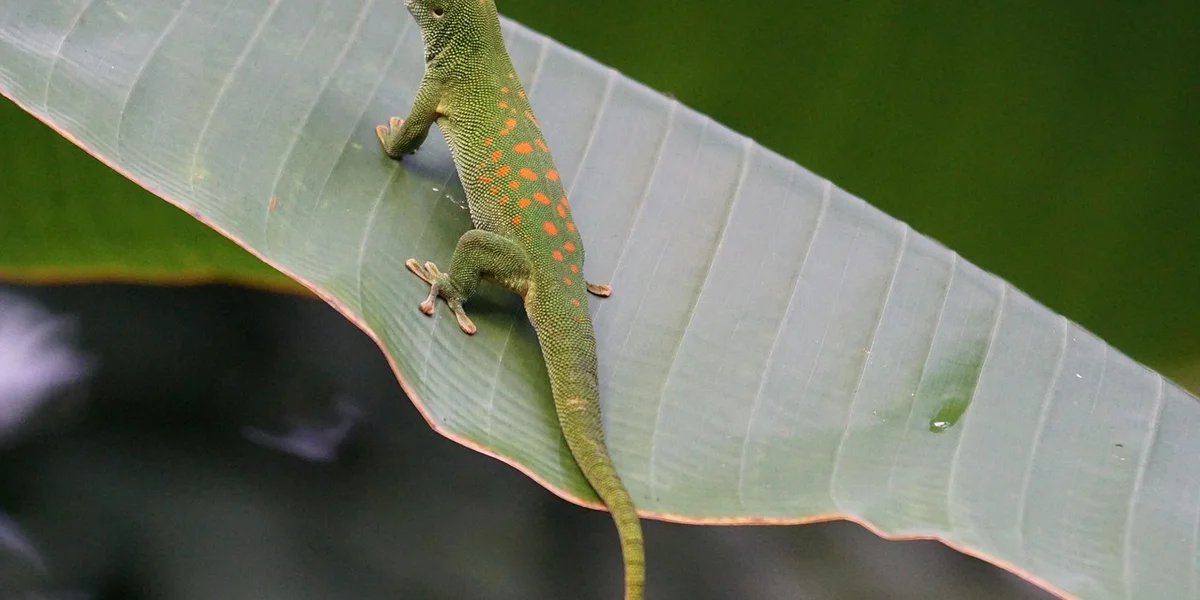
Getting the heat and humidity mix right isn’t a one-size-fits-all game. Your gecko’s species is the single biggest factor in creating their perfect home environment. What feels like a tropical paradise to one gecko is a stressful, soggy mess to another.
Take my crew, for example. My Leopard Gecko, Griffey, thrives in a completely different world than my Crested Gecko, Jeter. Griffey, with his energetic, ground-dwelling nature, needs warm, dry air to digest his meals and stay healthy. Jeter, the calm and confident climber, needs that moist, tropical air to help him shed properly and stay hydrated.
Here’s a quick-reference table to show you just how different their needs can be.
| Species | Ideal Temp Range (Basking Spot) | Ideal Humidity Range | Key Behavioral Cue |
|---|---|---|---|
| Leopard Gecko (e.g., Griffey) | 88-92°F (31-33°C) | 30-40% | Spends most of its time on the ground, basking under a heat source. |
| Crested Gecko (e.g., Jeter) | 72-78°F (22-26°C) | 60-80% | Prefers higher perches and is active at dawn/dusk (crepuscular). |
| Giant Day Gecko (e.g., Babe) | 82-86°F (28-30°C) | 50-70% | Boldly basks in open areas during the day and requires high humidity for shedding. |
| African Fat-Tailed Gecko (e.g., A-Rod) | 88-92°F (31-33°C) | 50-60% | More secretive; needs a humid hide even in its moderately humid enclosure. |
| Gargoyle Gecko (e.g., Mookie) | 72-78°F (22-26°C) | 60-70% | An agile climber that enjoys sudden bursts of activity and needs consistent moisture. |
These numbers are your starting point, but your gecko will give you the final notes. You must become a dedicated observer of your pet’s unique habits and preferences. Does your gecko spend all its time in the humid hide? The overall tank might be too dry. Are they constantly glass surfing? The temperature could be off. Your gecko’s behavior is the most honest review of your setup you will ever get.
Adapting Setups for Different Gecko Types
The physical layout of your tank is just as critical as the numbers on your gauges. Arboreal (tree-dwelling) and terrestrial (ground-dwelling) geckos experience heat and humidity in fundamentally different ways. You have to build their world to suit their lifestyle. Choosing the right tank size and setup for the species you keep is essential. Different gecko species have specific housing requirements, so tailor the tank dimensions, hides, and climbing features accordingly.
For my arboreal geckos like Jeter (Crested) and Mookie (Gargoyle), life is vertical.
- They need tall enclosures packed with branches, vines, and foliage to climb.
- Heat and humidity can stratify in a tall tank. The top might be warmer and drier, while the bottom is cooler and more humid.
- This is perfect for them! Mookie’s love for leaping between branches means he can self-regulate, moving between different microclimates throughout the day.
- I use a low-wattage heat source placed at the top of the tank to create a gentle warmth gradient without overheating the entire enclosure.
For my terrestrial geckos like Griffey (Leopard) and A-Rod (Fat-Tailed), life is horizontal.
- They need more floor space than height. Their heat comes from below.
- I always use an under-tank heater (UTH) controlled by a thermostat to create a warm floor on one side of the tank.
- This gives them a proper heat gradient-warm on one end, cool on the other. A-Rod’s territorial nature means he appreciates having distinct zones to claim as his own.
- Even in a drier tank, a humid hide filled with moist sphagnum moss is non-negotiable for safe shedding.
Here are some simple modifications you can make to a standard glass terrarium:
- For Arboreal Species: Install a background with ledges, use magnetic feeding ledges, and add a screen top to allow for better ventilation and prevent stagnant, overly moist air.
- For Terrestrial Species: Use a solid lid (like glass) to help retain humidity, provide multiple low-profile hides, and ensure the under-tank heater is never covered by a thick layer of dry substrate.
It all comes down to thinking about how your gecko lives. Good gecko habitat husbandry means planning for enclosure setup, climate, and enrichment to match their needs. Build up for your climbers and build out for your crawlers, and you’ll create a home where they can truly thrive.
FAQs
How often should I replace the substrate in my gecko’s enclosure to manage humidity?
Replace the substrate every 3-6 months to prevent mold growth and maintain its ability to hold moisture effectively for your gecko’s well-being. Changing your gecko’s substrate regularly is crucial for their health.
What role does ventilation play in balancing humidity and heat?
Adequate ventilation allows excess humidity to dissipate, reducing the risk of respiratory issues while helping to stabilize temperature gradients in the terrarium.
Is it safe to use both a heat lamp and an under-tank heater simultaneously?
Yes, combining these devices can provide comprehensive heating, but always use a thermostat with each to prevent overheating and ensure a safe environment for your gecko.
The Perfect Balance
Ultimately, your gecko’s health hinges on pairing the right heat with the right humidity, creating a perfect environmental duet. Use a thermostat for your heat source and a digital hygrometer to monitor moisture levels, avoiding the dangerous extremes of a swampy or bone-dry tank. Providing a proper humidity hide and a well-ventilated temperature gradient lets your pet self-regulate, just as they would in the wild. Controlling humidity correctly is essential for their well-being.
Being a great gecko keeper is a continuous journey of observation and education. Your pet relies entirely on you to recreate the conditions it needs to thrive, so stay curious, keep learning, and always prioritize their welfare above all else. Watching how your gecko behaves is the best guide you’ll ever have. A complete guide to understanding gecko behavior and temperament can help you interpret those signals more accurately. This practical understanding is the cornerstone of confident, compassionate care.
Further Reading & Sources
- Complete Humidity and Hydration Guide For Crested Geckos – Zen Habitats
- Leopard Gecko Temperatures & Humidity | Leopard Gecko Care
- Crested Gecko Temperatures & Humidity | ReptiFiles
The Gecko Guide is your ultimate resource for gecko enthusiasts, providing expert advice and practical tips to ensure the health and happiness of your scaly companions. Alexander is a passionate gecko owner with over a decade of experience in reptile care. We are dedicated to offering accurate, up-to-date information to support your gecko journey.Our mission is to foster a community of responsible gecko owners who are passionate about the well-being of these fascinating creatures.
Humidity Control