
Can You Use Fake and Live Plants in Leopard Gecko Tanks?
Published on: July 8, 2026 | Last Updated: July 8, 2026
Written By: Alexander 'Gecko Geek' Johnson
You’re staring at your leopard gecko’s empty-looking tank and wondering if a few plants will make it feel more like home, but you’re worried about making a dangerous mistake. Will a fake plant leach chemicals? Could a live one introduce pests? I’ve asked myself these same questions while decorating for my own geckos, Griffey and A-Rod.
Let me help you sort through the options. We’ll cover the essential takeaways so you can make a confident, safe choice for your pet.
- How to successfully mix fake and live plants for the best-looking habitat.
- The critical safety checks you must perform on any plant before it goes in the tank.
- The simple maintenance differences between live and artificial options.
You’ll get clear, step-by-step advice based on proven reptile-keeping practices. This article covers: plant safety, benefits of live vs. fake, setup combinations, maintenance, and my personal recommendations.
Are Fake Plants Safe for Leopard Geckos?
Yes, fake plants are generally safe for leopard geckos, but you must be a smart shopper. The key is selecting the right materials and inspecting them thoroughly. I’ve used fake plants for years with my leopard gecko, Griffey, without any issues. Always prioritize your gecko’s safety over the aesthetic appeal of a decoration.
Choosing the Right Fake Plants
Not all fake plants are created equal. A poor choice can lead to injury or illness. Here’s what I look for based on my experience.
- Material: Opt for silk or soft, high-quality plastic. Avoid any plants with wire stems that can poke through the material.
- Texture: Run your hands over every inch. If it feels sharp or scratchy to you, it will be worse for your gecko’s delicate skin.
- Durability: Choose plants that can withstand a curious gecko climbing on them without easily breaking or shedding small parts.
- Non-toxic: Ensure the plant is labeled as non-toxic. When in doubt, a quick rinse can’t hurt before introduction.
I once bought a beautiful, spiky plastic succulent that looked perfect. After feeling how rigid it was, I knew Griffey could easily scrape his belly, so it never went in the tank. Your gecko’s comfort and safety should always be the final test for any tank addition.
Cleaning and Maintaining Fake Plants
Fake plants get dirty. They collect dust, substrate, and gecko waste. A clean plant is a safe plant.
Here is my simple cleaning routine.
- Remove the plants from the enclosure during your regular spot-cleaning.
- Rinse them thoroughly with hot water to loosen debris.
- Scrub them gently with a reptile-safe disinfectant or a mild vinegar solution.
- Rinse them again until all cleaning residue is gone.
- Let them air dry completely before placing them back in the tank.
Avoid using harsh soaps or chemicals, as residues can be harmful if your gecko licks or touches the plant. To clean your gecko tank properly, remove your gecko and all decor, rinse surfaces with plain water, and avoid cleaners that leave residues. I make it a habit to clean my fake plants every time I do a deep-clean of the entire tank, which keeps everything fresh and hygienic for my pets. Make sure everything is completely dry before returning your gecko.
Can You Use Live Plants in a Leopard Gecko Tank?
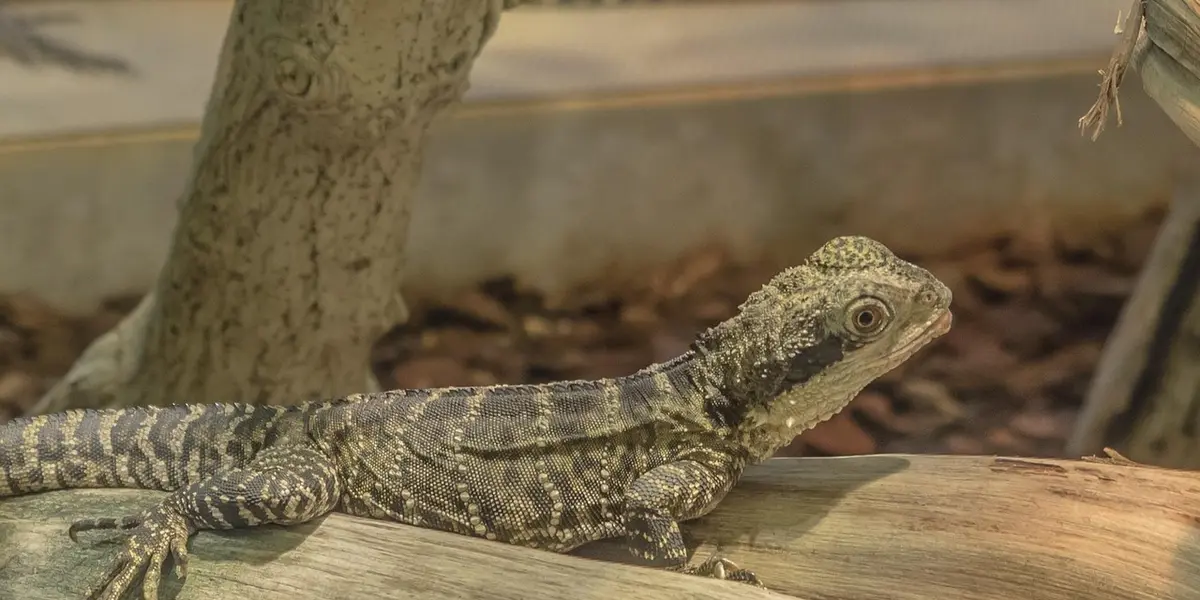
You absolutely can, but it requires more planning. Many keepers think a leopard gecko’s arid setup rules out live plants, but that’s not true. I’ve successfully kept live plants with my geckos, and the natural benefits are fantastic. A bioactive tank with live plants can create a more enriching and self-sustaining environment.
Safe Live Plant Species for Leopard Geckos
Choosing the right plant species is critical. They need to thrive in low-humidity, warm conditions and be completely safe if your gecko decides to take a nibble. When it comes to insects, safety matters too—never feed your gecko any potentially toxic prey, and skip uncertain options.
- Succulents (Non-spiny): Echeveria, Haworthia, and Burro’s Tail. These are drought-tolerant and soft.
- Air Plants (Tillandsia): They don’t need soil, so you can attach them to decor. Just mist them occasionally.
- Snake Plant (Sansevieria): Incredibly tough and thrives on neglect. Perfect for a beginner.
- Aloe Vera: A great, safe option, but ensure it gets enough light without raising the tank’s ambient temperature too much.
I have a large Haworthia in one of my tanks, and it’s been thriving for over a year. Always double-check the scientific name when buying, as common names can be misleading and refer to toxic plants.
Setting Up Live Plants for Success
Just plopping a plant into the substrate is a recipe for a dead plant. You need to set them up for a long, healthy life.
- Drainage is King: Use a deep, layered substrate. I use a drainage layer of clay balls, a mesh screen, and then a soil/sand mix on top. This prevents “wet feet” and root rot.
- Quarantine New Plants: Treat any new plant for pests and remove it from its nursery soil, which often contains fertilizers.
- Provide Adequate Light: Most plants need more light than a leopard gecko’s low-output heat lamp provides. You may need a dedicated, gentle LED grow light placed on a timer.
- Protect the Roots: Plant them in a small, buried pot or use hardscape to shield the base from geckos that love to dig.
My first attempt with live plants failed because I didn’t provide enough light. The plants became leggy and weak. Investing in a simple, timed LED bar made all the difference, creating a day/night cycle that benefits both the plants and the gecko.
Pros and Cons: Fake vs. Live Plants
Durability and Maintenance Comparison
I’ve used both types extensively with my leopard gecko, Griffey, and the maintenance difference is night and day. Fake plants are champions of durability. You can rinse them in the sink, wipe them down, and they look good as new with zero ongoing effort.
Silk or high-quality plastic plants will survive years of curious gecko climbing and pooping incidents without a single complaint.
- Fake Plants:
- Virtually zero maintenance; just a quick clean during tank deep-cleaning.
- Cannot be killed by geckos, overwatering, or poor light.
- No risk of introducing pests like mites or fungus into the enclosure.
- Live Plants:
- Require a proper lighting schedule (often needing a plant-specific bulb).
- Need the right watering routine to avoid mold or root rot.
- Can be trampled, dug up, or nibbled on by your gecko.
Live plants demand a green thumb and a bit more investment in your setup. If your life is busy, fake plants offer all the visual clutter with none of the weekly chores.
Impact on Enclosure Environment
This is where live plants truly shine and create a mini-ecosystem. They actively contribute to your pet’s world. Live plants help process animal waste, absorb odors, and release oxygen.
A well-planted tank can slightly boost humidity during the day, which can be helpful for proper shedding.
Fake plants, on the other hand, are purely structural. They provide shade and climbing opportunities but are inert. They don’t improve air quality or help with biological processes.
- Live Plants:
- Help maintain air quality and can aid humidity control.
- Create a more dynamic, naturalistic environment.
- Support a bioactive cleanup crew if you go that route.
- Fake Plants:
- Provide consistent, unchanging structure and hiding spots.
- Offer no biological benefits to the tank’s environment.
- Zero risk of over-humidifying the enclosure from overwatering.
My crested gecko, Jeter, lives in a bioactive tank, but for my leopard gecko, I prefer the simplicity of fake. You must weigh the aesthetic and air-quality benefits of live plants against their specific care needs.
Setting Up Plants in Your Leopard Gecko Enclosure
Placement for Safety and Enrichment
Where you put plants is just as important as what kind you use. Leopard geckos are terrestrial but love to climb on low, sturdy branches and hides. I always place plants to create a sense of security.
Always position plants to break up the line of sight, creating visual barriers that make your gecko feel safe and explore more.
- Anchor taller, fake plants against the back or side walls to provide cover.
- Use low, bushy plants near the front of hides to create a “doorway” effect.
- Ensure all plants are secure and cannot topple over if your gecko scrambles over them.
Avoid placing spiky or sharp-edged plants near high-traffic areas. I learned this after Griffey got a tiny, harmless scratch from a poorly chosen decorative cactus. Think like a gecko: your setup should encourage natural behaviors like hiding, climbing, and hunting.
Compatibility with Substrate and Decor
Your plants need to work with everything else in the tank. For fake plants, this is easy. You can push their stems directly into most substrates like paper towel, tile, or a soil/sand mix.
If you use a loose substrate, make sure the plant’s base is wide and stable so your gecko doesn’t accidentally dig it up during the night.
Live plants are pickier. They need a substrate that supports root growth, like a bioactive mix or coconut fiber. You can’t just plop a live plant into reptile carpet.
- With Loose Substrate: Bury the base of fake plants firmly. For live plants, ensure the substrate is deep enough for roots.
- With Solid Substrate (Tile/Paper Towel): Use pots for live plants. Fake plants can be anchored with decor or a heavy base.
Always consider your heating element. Don’t place plastic plants directly under a heat lamp, as they can melt. Harmony between your plants, substrate, and heat sources is the final key to a safe and beautiful habitat.
Maintaining Plant Decor in Leopard Gecko Tanks
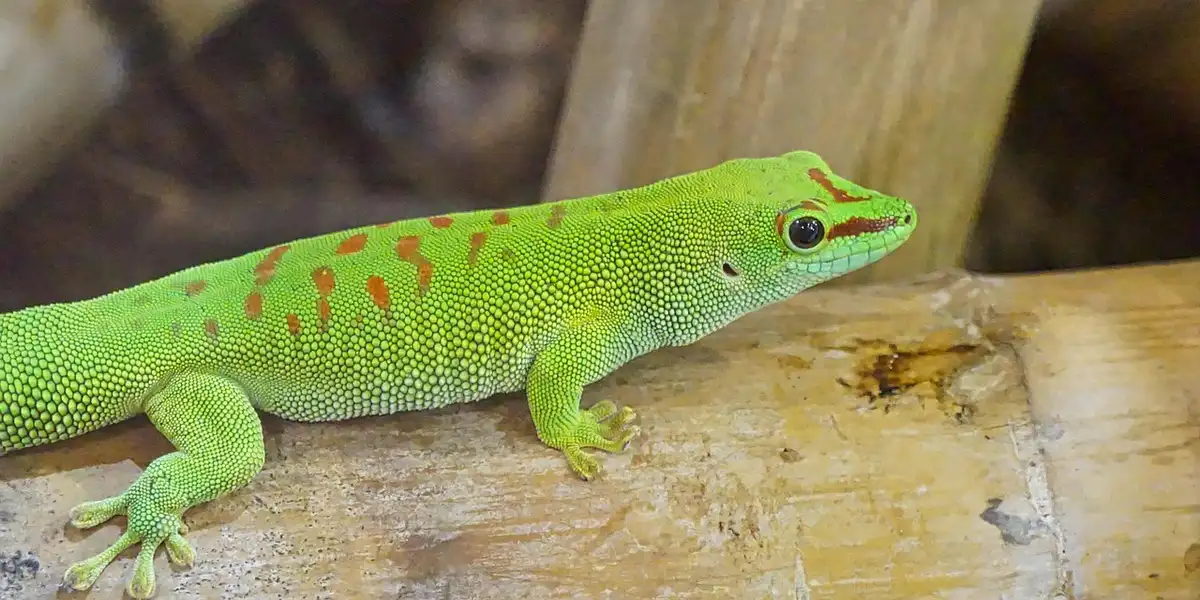
Cleaning Schedules and Techniques
Keeping your gecko’s plant decor clean is non-negotiable for their health. I stick to a strict weekly spot-cleaning and a deep clean every month for my gecko Griffey’s enclosure. These routines align with the spot-cleaning vs full-tank cleanout guidance you’ll find in a gecko hygiene guide. It explains when a quick wipe suffices and when a full tank cleanout is needed to prevent buildup.
For fake plants, I take them out weekly and give them a thorough scrub in a sink with a 10% vinegar and water solution, rinsing them until no smell remains. This removes waste and odor buildup effectively.
Live plants need a gentler touch. I wipe the leaves with a damp cloth to remove dust and check the soil surface for mold during every spot-clean. When I deep-clean the entire tank, I temporarily remove the live plants to avoid shocking their roots.
Monitoring Plant and Gecko Health
Your plants and your gecko are a connected ecosystem. Live plants help regulate humidity in the gecko’s tank, supporting shedding and skin health. Watch your live plants for yellowing leaves or soft stems, which often signal overwatering or poor drainage.
I always observe my gecko’s behavior around new plants, as a sudden lack of appetite or lethargy can be a red flag for an underlying issue. Ensure all plants, real or fake, are securely anchored so a curious, climbing gecko like Mookie doesn’t topple them. Understanding how impaction can occur and following a depth guide for substrate can help prevent it. If signs of impaction appear, refer to a reputable guide on understanding gecko impaction treatment for practical steps.
Check for sharp points on fake plants that could snag a toe or belly. A healthy gecko in a well-maintained tank is active, has bright eyes, and a fat tail.
Common Mistakes and How to Avoid Them
Risks of Toxic Plants and Pesticides
This is where many well-meaning owners go wrong. Never assume a plant is safe just because it’s sold at a pet store; always double-check its scientific name against a reptile-safe list.
Pesticides on live plants are a silent killer, so I only buy from reputable nurseries that guarantee their plants are organic and chemical-free. I quarantine and wash all new live plants before they ever go near my geckos.
Common toxic houseplants like pothos or ivy might look lovely, but they can cause serious health problems if your gecko decides to take a nibble. Stick to proven safe options like snake plants or bromeliads.
Balancing Aesthetics with Gecko Needs
It’s easy to get carried away designing a beautiful terrarium, but your gecko’s comfort must come first. I learned this when I gave my crested gecko Jeter a gorgeous, wide-open setup; he was stressed without enough cover. For a crested gecko hatchling, an ideal habitat setup emphasizes snug hides, smaller space, and stable humidity to help them feel secure. Getting that balance early makes handling and growth less stressful.
Cramming too many decorations, even beautiful ones, can drastically reduce your gecko’s usable floor space for walking and hunting. Every item you add should serve a purpose: providing cover, aiding shedding, or offering a climbing opportunity.
Choose a mix of sturdy, low-growing plants and taller, climbable ones to create a landscape that is both visually appealing and functionally enriching for your pet. Your gecko will thank you with confident, natural behaviors.
FAQs
What are leopard gecko plants?
Leopard gecko plants are any flora, real or artificial, used in their enclosure to provide enrichment, hiding spots, and a naturalistic environment. Leopard geckos are desert-dwelling reptiles, so their plant setups mimic arid, shelter-rich environments rather than tropical forests. Crested geckos are tropical forest reptiles, which means their enclosures require different humidity and plant arrangements.
What are leopard gecko bioactive plants?
Bioactive plants for leopard geckos are live species integrated into a self-sustaining ecosystem that includes clean-up crews to process waste and maintain soil health. This approach helps create a naturalistic bioactive substrate for geckos that mirrors their native habitat. It promotes a self-sustaining enclosure where plants, microbes, and cleanup crews work together.
What is a leopard gecko plant pack?
A leopard gecko plant pack is a curated collection of safe, non-toxic plants, often including both live and artificial options, designed for easy habitat decoration.
What is leopard gecko plant decor?
Leopard gecko plant decor encompasses all plant-based items, like silk or plastic foliage, that enhance the tank’s aesthetics while offering climbing structures and cover.
What is a leopard gecko plant kit?
A leopard gecko plant kit is a comprehensive set that typically includes plants, substrate, and accessories to simplify creating a visually appealing and functional habitat.
Finding Your Perfect Plant Mix
Ultimately, you can absolutely use a mix of fake and live plants to create a beautiful and enriching habitat for your leopard gecko. My own tanks, like Griffey’s, often feature a blend of durable silk plants for guaranteed cover and a few hardy live plants for a touch of natural bioactivity. The best choice depends on your willingness to maintain live plants versus your need for foolproof, easy-to-clean decorations. For guidance on selecting live plants suitable for gecko enclosures, check out The Gecko Guide’s selection of best plants for leopard and crested gecko tanks.
Your gecko’s well-being is the ultimate priority, and creating a habitat that mimics their natural environment is a rewarding part of responsible ownership. That’s the heart of gecko habitat husbandry—getting the enclosure’s temperature, humidity, lighting, and hides right. By observing and adjusting, you’ll support your gecko’s health and comfort. I encourage you to keep learning, observing your gecko’s behavior, and adapting their home as you grow together in your pet-keeping journey.
Further Reading & Sources
- r/leopardgeckosadvanced on Reddit: Visual Guide: Safe Plants for Leopard Geckos
- 17 Plants That Are Awesome For Leopard Gecko Tanks – Reptile Craze
- leopard gecko tank plants? | Betta Fish Forum
The Gecko Guide is your ultimate resource for gecko enthusiasts, providing expert advice and practical tips to ensure the health and happiness of your scaly companions. Alexander is a passionate gecko owner with over a decade of experience in reptile care. We are dedicated to offering accurate, up-to-date information to support your gecko journey.Our mission is to foster a community of responsible gecko owners who are passionate about the well-being of these fascinating creatures.
Gecko Housing & Habitat