
Seasonal Temperature Adjustments for Your Gecko’s Habitat
Published on: July 17, 2026 | Last Updated: July 17, 2026
Written By: Alexander 'Gecko Geek' Johnson
Watching the outdoor thermometer swing can send a chill down any gecko owner’s spine, leaving you worried about keeping your pet’s habitat perfectly stable. I’ve felt that same knot in my stomach every fall and spring with my own crew of geckos.
I can help you navigate these changes smoothly. We’ll cover the simple, effective adjustments you need to make, ensuring your gecko stays healthy and active all year long.
- Why your gecko’s temperature needs are not a “set it and forget it” project.
- How to safely lower and raise temperatures without causing stress.
- The specific tools and methods I use in my own reptile room for each season.
You will get clear, step-by-step advice you can implement today. This article covers: winter cooling strategies, summer heat management, autumn transition tips, spring warming techniques, equipment checks, and health monitoring.
Why Your Gecko’s Temperature Needs Change with the Seasons
In the wild, geckos don’t live in a perfectly controlled bubble. They experience natural temperature dips at night and cooler seasons. Replicating these subtle, seasonal shifts in captivity is one of the most powerful things you can do for your gecko’s long-term health. It respects their biological rhythm.
My gecko Griffey becomes noticeably less active in the winter, even with his heat mat running. At first, I worried, but I learned this is normal. A constant, unchanging summer-like environment can be stressful. It denies them the natural rest period their bodies expect. Seasonal behavior changes in pet geckos are often overlooked, but they’re very important.
These seasonal adjustments support crucial bodily functions. They can influence breeding cycles, appetite, and overall metabolic rate. Think of a seasonal cooldown as a necessary vacation for your gecko’s internal systems. These seasonal shifts can also affect feeding patterns, with appetite rising or dropping by season. Being aware of these changes helps you adjust feeding schedules accordingly. It helps prevent burnout and supports a stronger immune response.
Species-Specific Temperature Ranges and Seasonal Shifts
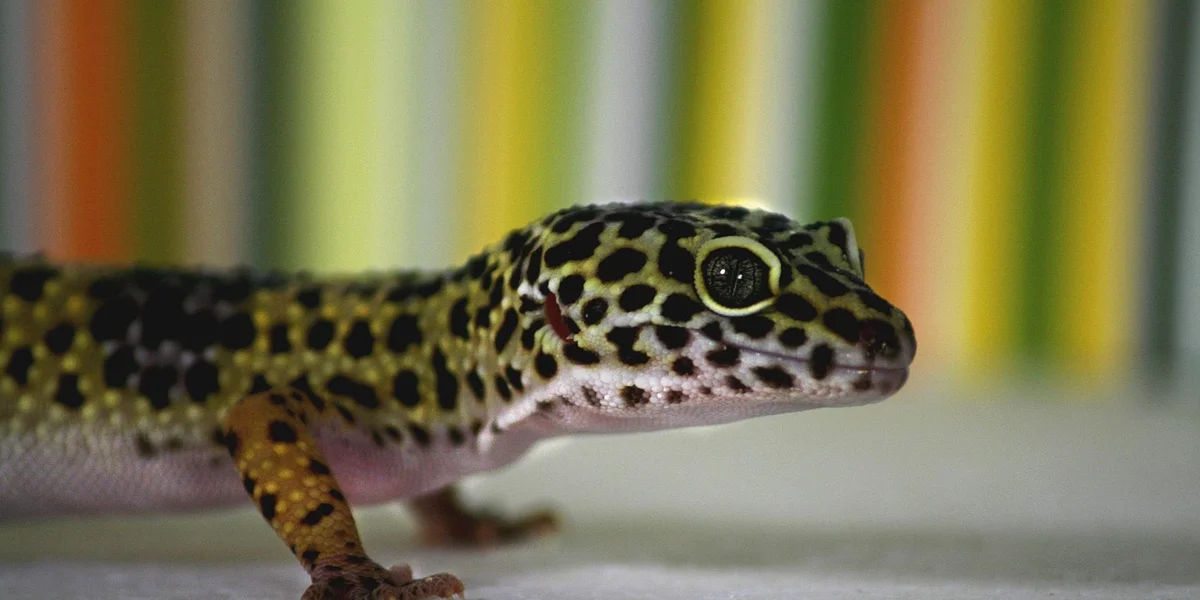
Not all geckos come from the same climate. A one-size-fits-all approach to temperature will fail. You must tailor your care to your specific pet’s needs, especially when considering leopard geckos. I care for several species, and their setups are all uniquely tuned.
Leopard Gecko Seasonal Temperature Guide
Leopard geckos, like my energetic Griffey, are desert creatures. They rely on belly heat for digestion. Their needs shift between a warm season and a cooler rest period. Do geckos need heat at night? Yes—though leopard geckos are nocturnal and tolerate cooler nights, a warm microclimate is still important to support digestion and overall health. You can learn more about why geckos need heat at night.
- Warm Season (Spring/Summer): Provide a basking spot of 88-92°F (31-33°C). The cool end of the tank should be around 75-80°F (24-27°C). Nighttime drops to 70-75°F (21-24°C) are safe and natural.
- Cool Season (Fall/Winter): This is their rest time. You can lower the basking spot to 80-85°F (27-29°C). The cool end can safely drop to 70°F (21°C). I achieve this by using a thermostat to lower the output of Griffey’s under-tank heater by a few degrees for about three months.
Crested Gecko Seasonal Temperature Guide
Crested geckos, like my calm Jeter, hail from the cooler, humid forests of New Caledonia. They are much more sensitive to high heat.
- Standard Year-Round Range: They thrive at 72-78°F (22-26°C). This is their happy place. Temperatures consistently above 80°F (27°C) can cause severe heat stress.
- Seasonal Consideration: They don’t need a programmed cooldown like leopard geckos. Your goal is to protect them from your home’s seasonal extremes. In a hot summer, you may need to run a small room fan or air conditioner to keep their space cool. In winter, ensure their room doesn’t get too cold. A small, low-wattage ceramic heat emitter on a thermostat can provide safe, light warmth if your house drops below 65°F (18°C).
Other Popular Geckos: Fat-Tailed and Gargoyle
These two species have similar needs to the ones above, but with key nuances.
African Fat-Tailed Geckos (Like my A-Rod):
Their care is very similar to leopard geckos but they prefer slightly more humidity and can tolerate a slightly cooler basking spot. For a seasonal cooldown, follow the leopard gecko guide but keep their basking area at the lower end of the range, around 85°F (29°C).
Gargoyle Geckos (Like my playful Mookie):
They are close cousins to crested geckos. Treat them as such. Maintain that 72-78°F (22-26°C) sweet spot year-round. The main seasonal task for both cresties and gargoyles is monitoring room temperature, not actively adjusting a heat source. Your vigilance is their main heating and cooling system.
| Gecko Species | Warm Season Basking Temp | Cool Season Basking Temp | Key Seasonal Action |
|---|---|---|---|
| Leopard Gecko | 88-92°F (31-33°C) | 80-85°F (27-29°C) | Lower UTH with a thermostat |
| Crested Gecko | 72-78°F (22-26°C) | 72-78°F (22-26°C) | Protect from household temp extremes |
| African Fat-Tailed | 85-90°F (29-32°C) | 80-85°F (27-29°C) | Lower UTH, maintain humidity |
| Gargoyle Gecko | 72-78°F (22-26°C) | 72-78°F (22-26°C) | Protect from household temp extremes |
Spotting Temperature Stress Before It Becomes a Problem
Your gecko can’t tell you they’re too hot or cold, but their body language screams it. I’ve learned to read these subtle cues from years of watching my own crew, and catching them early prevents serious health issues. It’s especially important to understand how lighting and temperature affect gecko behavior.
Watch for frantic pacing or scratching at the tank walls, often called ‘glass-surfing’. This is a classic sign of a gecko trying to escape an uncomfortable temperature. My leopard gecko, Griffey, does this if his basking spot gets even a few degrees too warm.
On the flip side, a gecko that is constantly hiding in the coolest part of the tank, even during the day, is likely trying to escape excessive heat. These stress signs are often tied to the gecko’s environment, so checking temperature, humidity, and enclosure setup is crucial. Lethargy and a sudden loss of appetite are two of the biggest red flags for temperature-related stress. Additionally, understanding the signs of environmental stress can help ensure your gecko remains healthy and happy.
For species like my crested gecko Jeter, watch their color. A consistently dark, almost black gecko is often a cold and stressed gecko. Their beautiful patterns will become more vibrant and defined when they are thermally comfortable.
Your Step-by-Step Guide to Seasonal Temperature Adjustments
Adjusting your gecko’s habitat isn’t about sudden, dramatic changes. It’s a slow, mindful process that mimics the gentle shifts in their natural environment. I make small tweaks over a week or two to avoid shocking their systems. To keep a safe, thriving gecko, avoid these 10 habitat setup mistakes. Small, gradual adjustments over time make a big difference.
Summer: Cooling Strategies for Hot Days
When the summer heat hits, your home’s ambient temperature can spike, turning a perfect tank into an oven.
- First, unplug the heat lamp during the hottest part of the afternoon if room temps are consistently above 80°F.
- Ensure the cool hide is on the absolute farthest side from any remaining heat source. I sometimes add a second, moist hide filled with damp sphagnum moss for a cool, humid retreat.
- Improve air circulation in the room with a fan, but never point it directly at the enclosure, as this can cause drafts.
- Always monitor the cool end of the tank with a reliable digital thermometer to ensure it stays within a safe range for your species.
Fall: Preparing for the Cool-Down
As nights get longer and crisper, it’s time to gently reintroduce more consistent warmth.
- Reconnect your primary heat source and begin monitoring the basking spot temperature daily.
- Check all your thermostats. A malfunctioning thermostat in the fall can lead to a cold gecko overnight. I test mine every September without fail.
- This is the season to observe your gecko’s behavior closely. A decrease in appetite and activity can be normal, or it could signal the start of brumation for some species.
Winter: Managing Lower Temperatures and Brumation
Winter requires the most vigilance. Room temperatures can plummet, especially at night.
- If you have a species that naturally brumates, like leopard geckos, you may choose to simulate this period by gradually lowering temperatures and reducing daylight hours over several weeks.
- For non-brumating geckos, a Ceramic Heat Emitter (CHE) on a thermostat is a lifesaver. It provides essential ambient heat without any light, perfect for maintaining nighttime temperatures.
- Insulating the back and sides of a glass tank with foam board can help retain precious heat and reduce your heating bill. I’ve done this for years with my African fat-tailed gecko, A-Rod’s, enclosure.
- Offer slightly warmer water for soaking, as cold water can shock their system.
Spring: Easing into Warmer Weather
Spring is a time of renewal and gradual warming. Don’t rush it.
- Slowly increase the duration your heat lamp is on each day if you reduced it for winter.
- As your home naturally warms up, you may find you need to dial back the thermostat on your heat source to prevent overheating.
- This is the perfect time for a deep clean of the entire habitat and a check of all equipment before the summer stress test.
- Watch for a wonderful surge in activity and appetite-it’s a sure sign your gecko is thriving with the seasonal change. My gargoyle gecko, Mookie, becomes incredibly active and playful as the days get longer.
Setting Up Safe and Effective Heating Equipment
Choosing the Right Heat Source for Your Gecko
Picking a heater isn’t one-size-fits-all; your gecko’s species and your room’s ambient temperature are the biggest factors. I learned this the hard way when a heat lamp made one of my gecko’s enclosures far too dry.
You generally have two main paths for heating: overhead heat or under-tank heat. Each has pros and cons that suit different geckos and situations.
- Ceramic Heat Emitters (CHEs) or Deep Heat Projectors (DHPs): These are my top choice for most situations. They produce no light, so they don’t disrupt day/night cycles, and they project a gentle, penetrating heat. My Crested Gecko, Jeter, thrives with a DHP because it mimics the sun’s warmth from above.
- Under-Tank Heaters (UTHs): These pads stick to the bottom of the tank and provide belly heat, which is fantastic for digestion. My Leopard Gecko, Griffey, loves basking on the warm spot his UTH creates. The catch? You must use a thermostat, as they can get dangerously hot.
- Standard Heat Lamps/Bulbs: These provide heat and light. I use them sparingly, mainly for my Giant Day Gecko, Babe, who needs bright, warm basking spots. They can dry out the air quickly, so monitor your humidity like a hawk.
Installing Heaters and Thermostats Correctly
Proper installation isn’t just about function; it’s about safety. A poorly installed heater is a fire hazard and can seriously harm your pet.
Connecting every single heat source to a reliable thermostat is non-negotiable for animal welfare. This little device is the brain of your heating system, turning the power on and off to maintain your target temperature.
- Place the Thermostat Probe Correctly: This is the most common mistake I see. For a UTH, secure the probe directly on the tank floor over the heater. For an overhead heater, dangle the probe at the level where your gecko basks.
- Secure All Cables: Use cage clips or wire guards. My curious Gargoyle Gecko, Mookie, once tried to climb a cord and could have been badly burned.
- Provide a Temperature Gradient: Don’t heat the entire tank evenly. Place the heater at one end to create a warm side and a cooler side. This lets your gecko self-regulate its body temperature throughout the day.
Monitoring Tools and Habits for Consistent Temperatures
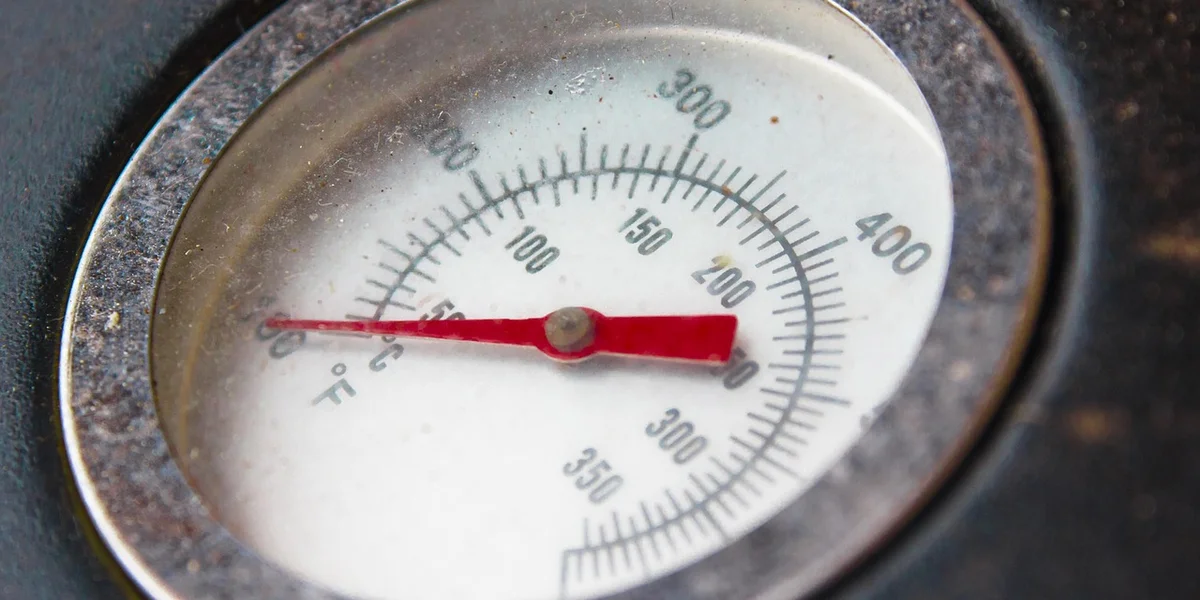
You can’t manage what you don’t measure. Guessing the temperature by putting your hand in the tank is a recipe for disaster. Your hand is not a gecko.
Invest in at least two digital thermometers with probes-one for the warm side and one for the cool side. The cheap, round analog dials you stick to the glass are notoriously inaccurate and I don’t trust them with my pets’ health.
- Digital Thermometer/Hygrometer Combos: These are perfect. You get a clear readout of both temperature and humidity, two factors that are deeply connected.
- Infrared Temperature Gun: This is my secret weapon. I use it for spot checks on specific surfaces. Is that basking rock actually 90°F? The laser gun tells me instantly.
- Placement is Key: Put your thermometer probes where your gecko actually spends its time-not up in a corner or pressed against the glass. For ground-dwellers like Griffey, I measure the floor temperature. For climbers like Jeter, I measure the temperature on his favorite branch.
I check my temperatures twice a day, morning and evening. This quick, 30-second habit gives me peace of mind and has helped me catch a failing heater before it became an emergency. I also watch my geckos’ behavior; if Babe is always hiding in the cool end, I know his basking spot might be too hot.
Simple DIY Tweaks to Improve Habitat Temperature Control
You don’t need a degree in electrical engineering to master your gecko’s climate. Some of the most effective temperature hacks come from simple, low-cost adjustments you can do this weekend. I’ve used these for years with my own crew, from Griffey the Leopard Gecko to Babe the Giant Day Gecko, and they work wonders.
Reposition What You Already Own
Before you buy anything new, look at your tank’s layout. A simple shift can make a huge difference.
- Elevate basking sites: Move basking platforms or branches closer to the heat source for a warmer spot. My Crested Gecko, Jeter, loves when I raise his favorite vine a few inches higher in the winter.
- Create a temperature gradient: Ensure all heat elements are on one side of the enclosure. This creates a warm zone and a cool zone, letting your gecko choose its comfort level.
- Use stone or tile: A flat slate tile or natural stone under the basking lamp absorbs heat and provides a lovely, long-lasting warm surface for belly heat.
Insulate the Enclosure
Glass tanks lose heat quickly. A little insulation helps maintain a stable temperature, especially during cold nights.
- Apply foam board: Cut inexpensive polystyrene foam board to fit the back and sides of the tank’s exterior. This traps heat inside where it belongs.
- Use a background: A 3D foam background isn’t just for looks; it adds a layer of insulation. My African Fat-Tailed Gecko, A-Rod, has one, and it keeps his corner wonderfully cozy.
- Cover part of the mesh top: If you have a screen lid, covering half of it with a towel or a piece of plexiglass reduces heat and humidity escape dramatically.
Adjust Substrate and Hides for the Season
The materials inside the tank itself can be your best tool for temperature control.
- Vary substrate depth: A slightly deeper layer of substrate on the warm end provides more mass to absorb and radiate heat.
- Swap hide materials: In cooler months, use solid, enclosed hides made of resin or ceramic. They hold heat better than open, half-log style hides.
- Add a “hot hide”: Place a hide directly over the undertank heater. This gives your gecko a perfectly warm, secure cave to digest its food. All of my geckos use theirs daily.
The goal is to create a stable, comfortable environment using what you have, making small changes that have a big impact on your pet’s well-being. A happy gecko is a healthy gecko, and these simple tweaks get you there without breaking the bank.
FAQs
What is the natural habitat of a leopard gecko?
Leopard geckos are native to the arid and semi-arid rocky deserts and dry grasslands of Afghanistan, Pakistan, and northwestern India. These regions are their geographic origin. The harsh desert environment explains many of their adaptations to dry, rocky habitats.
What temperature should the leopard gecko’s enclosure maintain?
The enclosure should consistently provide a temperature gradient with a warm basking area and a cooler zone to support digestion and thermoregulation.
What is the ideal daytime temperature range for a leopard gecko habitat?
During the day, the basking area should be 88-92°F (31-33°C) while the cool end stays around 75-80°F (24-27°C).
What is the ideal nighttime temperature range for a leopard gecko habitat?
Nighttime temperatures can safely drop to 70-75°F (21-24°C) to mimic natural cooling periods.
What humidity level is recommended for a leopard gecko habitat?
A humidity level of 30-40% is ideal, which can be maintained with a moist hide for shedding and proper ventilation.
Final Words
The core of seasonal temperature adjustment is simply recreating the gentle, natural cooling and warming cycles your gecko would experience in the wild. To create a perfect gecko enclosure temperature gradient, position warm and cool zones so your gecko can move to its preferred temperature. A well-structured gradient supports natural thermoregulation and overall wellbeing. Use a reliable thermostat, adjust temperatures gradually over weeks, and always provide a proper heat gradient so your pet can self-regulate its comfort.
Your commitment to observing your gecko and tweaking its environment is the absolute hallmark of a fantastic and responsible pet owner. Animal care is a continuous journey of learning, and your dedication to getting these details right makes all the difference for your scaly friend’s long, healthy life.
Further Reading & Sources
- Optimal Temperature Ranges for Leopard Geckos – Talis Us
- Optimal Heating: Ideal Temperature for Happy Crested Geckos – Talis Us
- r/leopardgeckos on Reddit: What temperature should my leopard gecko’s habitat be at night?
The Gecko Guide is your ultimate resource for gecko enthusiasts, providing expert advice and practical tips to ensure the health and happiness of your scaly companions. Alexander is a passionate gecko owner with over a decade of experience in reptile care. We are dedicated to offering accurate, up-to-date information to support your gecko journey.Our mission is to foster a community of responsible gecko owners who are passionate about the well-being of these fascinating creatures.
Heating & Temperature Control