
Crested Gecko Habitat Setup: Your Essential Supplies Guide
Published on: July 11, 2026 | Last Updated: July 11, 2026
Written By: Alexander 'Gecko Geek' Johnson
Setting up your first crested gecko habitat can feel overwhelming, with so many products and conflicting advice about what’s truly essential. I remember staring at my empty tank, worried I’d buy the wrong thing and let my gecko, Jeter, down.
I’ve been there, and I can help. This guide will walk you through the absolute must-haves, breaking down the setup into three simple goals:
- Creating a safe and escape-proof environment.
- Building a stimulating vertical playground for climbing.
- Establishing the right temperature and humidity for health.
You’ll get clear, step-by-step advice based on years of experience. We will cover: enclosure size, substrate, heating, lighting, decor, humidity control, and food/water supplies.
Crested Gecko Basics: Understanding Their Natural Behavior
Crested geckos are born climbers, spending their lives in the vertical world of New Caledonia’s rainforests. Their origins lie in those humid, island forests, where canopy life shaped their arboreal adaptations. Their nocturnal nature means they are most active at dusk and dawn, a trait I’ve watched firsthand with my own gecko, Jeter. They thrive in humid environments and possess specialized toe pads that let them scale almost any surface.
My crested gecko, Jeter, perfectly embodies their calm and confident personality. He taught me that providing ample vertical space isn’t a luxury; it’s a necessity for their mental and physical health. Handling should always be gentle and infrequent, as they can be skittish and may drop their tails if overly stressed. These insights align with the crested gecko behavior and body language ultimate guide, where cue-reading is key. Learning their signals—like posture, tail movement, and eye focus—helps tailor handling and enrichment to their mood.
A proper setup does more than just keep your gecko alive. By mimicking the dense foliage, climbing branches, and humid microclimates of their wild habitat, you provide the security and enrichment they need to truly flourish. A happy gecko is an active, curious, and healthy gecko. This is the foundation for creating the ultimate environmental enrichment setup for your gecko. A thoughtful layout with varied hides, branches, textured substrates, and properly tuned humidity and temperature will maximize their natural behaviors.
Essential Supplies Checklist: What to Buy for Your Crested Gecko
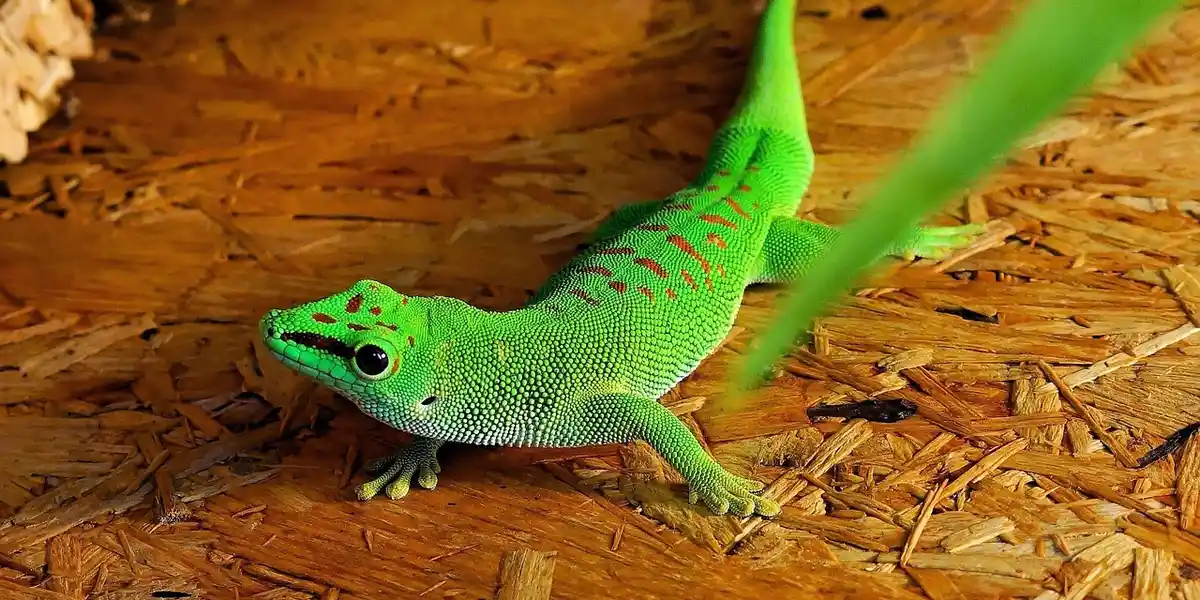
Getting the right gear from the start makes all the difference. This checklist covers the absolute must-haves to build a safe and stimulating home for your new pet. I’ve tested many of these items over the years with Jeter, so I can vouch for what works.
- Vertical Terrarium: A tall tank is non-negotiable.
- Secure Lid: A tight-fitting screen top for ventilation.
- Substrate: Choose based on your experience level.
- Climbing Décor: Branches, vines, and cork bark.
- Hiding Spots: Multiple hides at different heights.
- Misting System/Bottle: For maintaining humidity.
- Food & Water Dishes: Ledges are best for this arboreal species.
- Thermometer & Hygrometer: To monitor temperature and humidity.
- Supplemental Heat (if needed): A low-wattage heat source like a Ceramic Heat Emitter.
- Optional UVB Lighting: Can benefit their long-term health.
Always prioritize your gecko’s welfare by selecting non-toxic, safe materials free of sharp edges or chemical treatments. Choosing the right substrate for your gecko’s enclosure is essential for their health and successful shedding. It also affects humidity, cleanliness, and safety. Here’s a quick comparison of some common supply choices.
| Item | Budget-Friendly / Beginner | Premium / Naturalistic |
|---|---|---|
| Substrate | Paper Towels | Sphagnum Moss or Bioactive Mix |
| Climbing Wood | Manzanita Branches | Cork Rounds & Ghostwood |
| Hides | Plastic Plant Pot Saucers | Cork Bark Tubes & Coconut Hides |
| Misting | Hand Spray Bottle | Automatic Misting System |
Enclosure and Vertical Setup
A single adult crested gecko needs a minimum of an 18x18x24 inch tall terrarium. Height is far more important than floor space because these animals live their lives going up, not across. A screen lid is essential for proper airflow and to prevent stagnant, humid air.
You can choose between glass or acrylic tanks. Glass is heavier and more durable against scratches, while acrylic is lighter and offers better heat insulation. I use a glass tank for Jeter because it withstands the constant climbing and occasional decoration adjustments.
Substrate and Flooring Options
The substrate you choose forms the foundation of your habitat. Paper towels are the best choice for beginners as they are cheap, easy to replace, and eliminate any risk of impaction. This is a serious concern where geckos might accidentally ingest loose substrate. For leopard geckos specifically, the best substrate bedding emphasizes safety and ease of maintenance. Non-loose options like paper towels, reptile carpet, or tile are typically recommended to minimize impaction risk and simplify cleaning.
- Paper Towels: Pros: Super safe, easy cleaning. Cons: Not natural-looking.
- Reptile Carpet: Pros: Reusable. Cons: Can snag claws and harbors bacteria if not cleaned thoroughly.
- Sphagnum Moss: Pros: Excellent for boosting humidity. Cons: Can be messy and may be ingested.
Heating, Lighting, and Humidity Control
Crested geckos are comfortable at room temperature, ideally between 72-78°F. This is the ideal temperature range for crested geckos. Staying within it supports their metabolism and activity. If your home gets cold, use a low-wattage ceramic heat emitter on the tank’s lid to create a gentle warmth without light. Avoid heat mats as they are not effective for arboreal animals.
While they can survive without UVB, providing a low-output UVB light can significantly improve their overall health and coloration. Use a digital hygrometer to monitor humidity, which should spike to 80% during misting and drop to 50% between sessions. I mist Jeter’s tank heavily every evening to simulate rainforest dew.
Climbing Branches and Hiding Spots
Fill the vertical space with a network of branches and vines. Cork bark tubes are a gecko favorite because they provide a rough surface for climbing and a secure, dark place to hide. Artificial or live plants add visual barriers and increase humidity.
You need multiple hiding spots at both the top and bottom of the enclosure. Jeter always chooses the highest perch available, often a cork slab near the top, where he can survey his domain with calm confidence. This high hide makes him feel secure.
Feeding Dishes and Supplements
Use magnetic or suction-cup feeding ledges to hold food dishes up in the branches. This placement feels natural for them and keeps their food clean and away from the substrate. For hatchlings, a complete feeding guide helps ensure proper portions and feeding frequency. Offer a commercial crested gecko diet as their staple, and provide gut-loaded insects like crickets as occasional treats.
Always dust feeder insects with a calcium and vitamin D3 supplement. A simple jar lid makes a perfect, easy-to-clean food dish for the gecko diet paste. I find these DIY solutions are often the most practical and hygienic.
Step-by-Step Habitat Setup: How to Assemble Your Crested Gecko Home
- Start with choosing a stable location away from drafts and direct sun. I learned this the hard way when Jeter, my crested gecko, got stressed from a nearby window draft. Pick a quiet spot in your home that avoids air vents and sunlight, which can overheat the tank.
- Add substrate and set up heating or lighting if used. Use a moisture-retaining substrate like coconut fiber, and only add a low-wattage heat lamp if your room drops below 65°F at night. I skip heating for Jeter since my home stays warm, but always check with a thermometer.
- Arrange climbing branches, hides, and plants for a layered look. Crested geckos love vertical space, so stack cork rounds and fake vines to create multiple levels. Jeter spends hours exploring his “jungle gym,” and it keeps him active and happy.
- Place water and food dishes, then mist to initial humidity. Set shallow dishes for water and crested gecko diet on the tank floor. After arranging everything, give the enclosure a thorough misting until surfaces glisten, aiming for 70-80% humidity right away.
- Test temperature and humidity before introducing your gecko. Use digital hygrometers and thermometers to verify conditions for 24 hours. I always do this dry run to prevent shocking my geckos-it’s a simple step that avoids big health issues.
Vertical Decor Arrangement
- Secure cork bark and driftwood firmly to prevent falls. I use silicone adhesive or zip ties to anchor wood to the tank walls, ensuring no sharp edges. Jeter’s favorite perch has never wobbled, thanks to this extra care.
- Create “highways” by connecting decor for seamless exploration. Link branches and vines so your gecko can travel across the tank without gaps. My setup lets Jeter climb from floor to ceiling like he’s on a fun obstacle course.
Misting and Humidity Management
- Use a spray bottle for manual control or an automated mister for consistency. I mist Jeter’s tank twice daily with a simple bottle, but automated systems are great if you’re busy. Just avoid soaking the substrate to prevent mold.
- Establish routines that balance hydration and cleanliness. Light misting in the morning and heavier at night mimics their natural cycle. I’ve found this keeps Jeter’s skin supple without fostering bacteria or fungus growth.
Maintaining the Perfect Environment: Daily and Weekly Care
- Mist twice daily, spot clean waste, and change substrate monthly. Remove feces and soiled substrate promptly to avoid odor. I do a full substrate swap every 4-6 weeks to keep Jeter’s home fresh and disease-free.
- Follow a simple schedule: feed every other day, dust with supplements weekly, and do quick health checks. Offer crested gecko diet or insects, and dust with calcium every 7 days. I glance at Jeter’s eyes, skin, and weight during feeding to catch problems early.
- Monitor hygrometers and thermometers closely to prevent respiratory or shedding issues. Check devices daily to ensure humidity stays 50-80% and temperatures are 72-78°F. Consistent monitoring saved Jeter from a stuck shed once by alerting me to low humidity.
Common Setup Mistakes and How to Fix Them
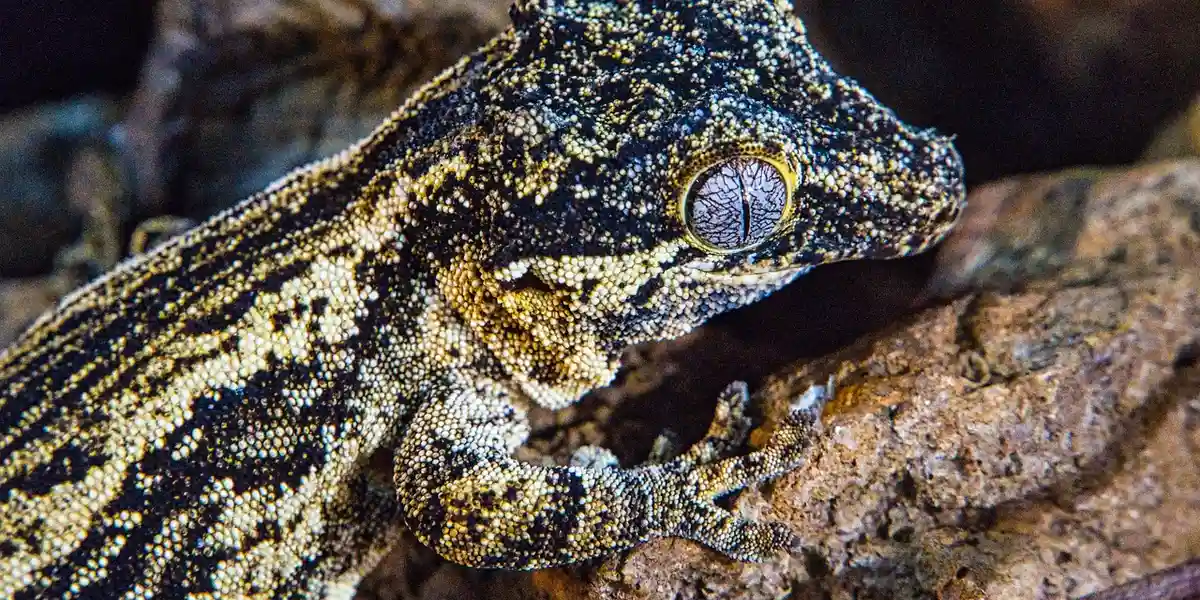
We all want the best for our geckos, but it’s surprisingly easy to make a few missteps when you’re starting out. I’ve made these errors myself, so learn from my early fumbles to get your crestie’s home perfect from day one.
- Wrong Enclosure Size: Starting with a 10-gallon tank for an adult is like making them live in a closet. They need vertical space to climb! Upgrade to a tall 18x18x24 inch enclosure or larger for a happy, active gecko.
- Poor Ventilation: A stuffy, stagnant tank is a breeding ground for mold and respiratory infections. Ensure your enclosure has a mesh top and potentially a vented side panel to keep the air fresh and circulating properly.
- Unsafe Decor: Don’t let your gecko play architect with loose branches! Anything not securely anchored can topple over and cause serious injury. Always test the stability of every branch and hide before your gecko moves in.
- Incorrect Substrate: Using plain potting soil or a substrate that stays too wet can lead to scale rot and fungal issues. If your substrate feels constantly damp, switch to a moisture-friendly option like coconut fiber or a simple, easy-to-clean paper towel setup.
Humidity and Temperature Pitfalls
Getting the climate wrong is one of the fastest ways to stress your crested gecko. These tropical creatures rely on us to replicate the humid, warm environment of their native New Caledonia.
- Low Humidity Risks: Chronic low humidity makes it impossible for your gecko to shed its skin properly. Incomplete sheds can constrict their toes and tail, leading to injury. Boost humidity by misting the enclosure heavily in the evening and lightly in the morning.
- High Humidity Risks: If the tank never dries out, you’re inviting mold and bacterial growth. This can cause skin and respiratory infections. If you see constant condensation, mist less frequently and consider adding a small computer fan to the mesh top to improve air circulation.
I learned this the hard way with my crestie, Jeter. His skin was looking dull, and he was struggling with his shed. I realized his humidity was spiking too high at night and then plummeting during the day. I started using a timer for my mister for a consistent schedule and added a small hygrometer at his favorite mid-level perch. The difference was immediate-his next shed was perfect, and his colors became much more vibrant.
Decor and Safety Oversights
Decor isn’t just about making the tank look pretty; it’s about creating a safe and enriching environment. A single sharp edge or wobbly vine can turn a playground into a hazard zone.
- Sharp Edges: Run your fingers over all decor, especially artificial plants and resin hides. File down any rough or sharp points that could cut your gecko’s delicate skin.
- Toxic Plants: Never use live plants from a standard garden center, as they are often treated with pesticides. Stick to reptile-safe live plants like Pothos or Sansevieria, or use high-quality artificial foliage.
- Insecure Climbing Items: Crested geckos are clumsy, and a falling gecko is a scared and potentially injured gecko. Don’t just lean branches against the glass. Use aquarium-safe silicone to securely anchor cork rounds and main branches to the background or sides of the tank. Let it cure completely before reintroducing your gecko.
Common Questions
Is a crested gecko setup kit a good option for beginners?
A pre-packaged setup kit can be a convenient starting point, but you must verify the included terrarium meets the minimum 18x18x24 inch vertical space requirement and that all decor is safe and non-toxic.
How much does a complete crested gecko setup cost?
The initial cost for a proper setup can range from $200 to over $500, depending on whether you choose budget-friendly essentials or premium, naturalistic items like an automatic misting system and bioactive substrate.
Where can I find crested gecko setup ideas on YouTube or Reddit?
Platforms like YouTube and Reddit offer vast visual inspiration, but always cross-reference any advice you find with established care guides to ensure the setups promote animal welfare and safety.
What should be on a detailed crested gecko setup list beyond the basics?
Beyond the essential checklist, a detailed list should include a digital timer for lights, a backup hand spray bottle, reptile-safe disinfectant for cleaning, and calcium supplements for dusting feeder insects.
What is the most important feature to look for in a crested gecko tank setup?
The single most critical feature is ample vertical height with securely anchored climbing structures, as these arboreal geckos spend nearly all their time ascending and exploring elevated spaces. To support this, create vertical space for arboreal gecko species by adding multi-level platforms and tall, textured climbing surfaces. A well-designed vertical habitat not only satisfies their climbing instinct but also promotes activity and overall health.
Final Words
Getting your crested gecko’s home right boils down to a tall, well-planted terrarium, stable warmth and humidity, and safe places to climb and hide. This is a key part of a crested gecko lifespan care habitat guide, which also covers long-term housing, lighting, and seasonal care to support a healthy life. Focus on that vertical space, provide a proper diet, and you’ll have a thriving, happy gecko that showcases their full, natural behaviors for years to come.
Owning a crested gecko is a long-term commitment to a living creature that depends entirely on your care. Their well-being is in your hands, so I encourage you to always keep learning, stay curious, and continue providing the excellent, informed care that makes you a fantastic gecko owner. From juvenile to adult, this transition guide helps you adjust diet, enclosure, and handling as your gecko grows. It’s a practical companion for ongoing crested gecko care.
Further Reading & Sources
- Crested gecko setup: How to setup a complete crested gecko terrarium – ExoticDirect
- r/CrestedGecko on Reddit: How should i set up a tank for a crested gecko?
- How to Set Up a Simple or Natural Crested Gecko Enclosure – PetHelpful
The Gecko Guide is your ultimate resource for gecko enthusiasts, providing expert advice and practical tips to ensure the health and happiness of your scaly companions. Alexander is a passionate gecko owner with over a decade of experience in reptile care. We are dedicated to offering accurate, up-to-date information to support your gecko journey.Our mission is to foster a community of responsible gecko owners who are passionate about the well-being of these fascinating creatures.
Gecko Housing & Habitat