
Best Plants for Leopard & Crested Gecko Tanks
Published on: July 5, 2026 | Last Updated: July 5, 2026
Written By: Alexander 'Gecko Geek' Johnson
Choosing the wrong plant for your gecko’s tank isn’t just a decorating mistake-it can be a health hazard for your scaly friend. I’ve learned this the hard way after years of housing my own crew, from Griffey the leopard gecko to Jeter the crested gecko.
I can help you navigate this safely. We’ll cover the plants that thrive in their specific environments, look fantastic, and pose zero risk. Here are the key takeaways you’ll get from this guide:
- How to pick plants that are 100% non-toxic and safe for curious geckos.
- The difference between arid-loving plants for leopard geckos and humidity-loving plants for crested geckos.
- Which species are durable enough to handle a gecko’s weight and climbing antics.
You’ll get clear, step-by-step advice to create a beautiful and secure habitat. We will cover: safe plants for leopard geckos, safe plants for crested geckos, plant care tips, and what to absolutely avoid.
Top Terrarium Plants for Your Gecko’s Habitat
Choosing the right greenery isn’t just about looks; it’s about creating a functional and safe environment. My geckos, Griffey and Jeter, show distinct preferences, and I’ve learned which plants truly thrive alongside them. Here are my top picks, tested in my own enclosures.
Best Plants for Leopard Gecko Tanks
Leopard geckos like my Griffey come from arid environments. Their plants need to handle lower humidity and some clumsy climbing. Are ideal humidity levels for leopard geckos high? Not in typical setups—the species generally does fine with relatively low humidity (about 30-40%), using a moist hide to help with shedding when needed.
- Snake Plant (Sansevieria): This is my absolute favorite. It’s virtually indestructible, requires little water, and its sturdy, upright leaves provide perfect cover for basking and hiding.
- Aloe Vera: A fantastic, drought-tolerant choice. Just be sure the sharp leaf tips are positioned where your gecko won’t accidentally poke an eye.
- Echeveria (Succulents): These add wonderful texture and color. Their rosette shape creates little nooks that my geckos love to curl up against.
- Air Plants (Tillandsia): I mount these on driftwood or decor. They need no soil, which keeps the tank clean, and a light misting is all they ask for.
Best Plants for Crested Gecko Tanks
Crested geckos, like Jeter, are arboreal and need a lush, vertical jungle. Their plants must handle higher humidity and support climbing. Essential supplies for habitat setup include a tall enclosure, sturdy climbing branches, and reliable humidity control. These basics help ensure proper humidity and safe climbing for Jeter.
- Pothos (Epipremnum aureum): The undisputed champion. It grows like a weed in the humid, low-light tank conditions, creating a dense canopy for climbing and hiding.
- Spider Plant (Chlorophytum comosum): Another hardy winner. Its arching leaves are perfect for perching, and it’s non-toxic, which is a huge relief for any owner.
- Bromeliads: These add a spectacular pop of color. Their central “cup” holds water, which my cresteds sometimes drink from, mimicking their natural behavior in the wild.
- Dracaena: I use the compact varieties. They provide strong, vertical structure that helps fill out the upper levels of the tank, making it feel like a true forest.
Live Plants vs. Artificial Plants: Which is Better for Your Gecko?
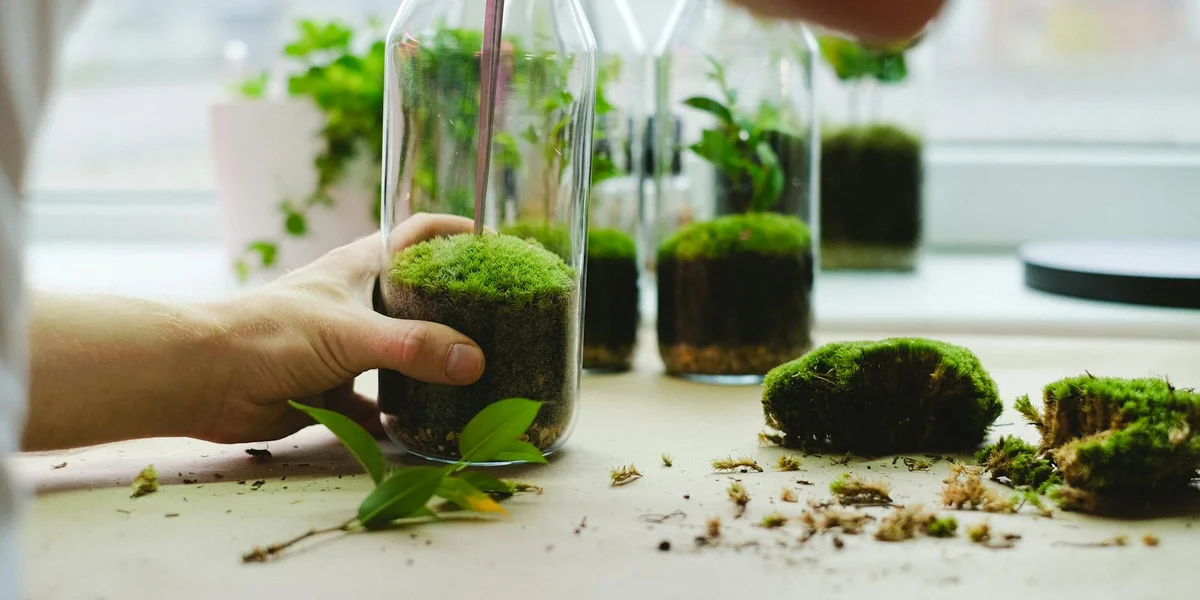
This is a debate I’ve had with myself many times while setting up new enclosures. The best choice often depends on your lifestyle, your gecko’s species, and your own comfort with plant care. There’s no single right answer, only what’s right for your setup.
Benefits and Drawbacks of Live Terrarium Plants
I love the authenticity of a bioactive tank with live plants. They make the habitat feel truly alive.
Benefits of Live Plants
- They actively help manage humidity through transpiration, which is a game-changer for crested geckos.
- Live plants contribute to a bioactive cleanup crew by helping to process waste and aerate the soil.
- They provide the most naturalistic and enriching environment for your pet to explore and interact with.
- They improve air quality within the enclosed space of the terrarium.
Drawbacks of Live Plants
- They require their own care regimen, including proper lighting, watering, and occasional fertilization.
- There is a risk of introducing pests like fungus gnats or mites into your gecko’s home.
- Some plants can die, and a rotting plant can cause water quality and mold issues if not caught quickly.
- You must be absolutely certain every plant is non-toxic, as some geckos may take an exploratory nibble.
When to Choose Artificial Plants for Your Gecko
Don’t feel guilty for choosing artificial plants! I’ve used high-quality silk plants in quarantine tanks and for geckos that are just too rough on live foliage. They are a completely valid and often underrated option.
- Choose artificial if you lack a green thumb. If you’ve killed a cactus, start with artificial plants. Your gecko won’t judge you.
- They are the superior choice for a hospital or quarantine tank where sterility and easy cleaning are the top priorities.
- Artificial plants provide instant, dense coverage without the wait for a live plant to grow in.
- They are perfect for species with simple needs, like my leopard gecko Griffey, who mostly needs sturdy hides over a complex ecosystem.
- You eliminate any risk of pesticides, fertilizers, or plant pests entering the environment.
My final piece of advice is to mix and match. I often use a base of live plants for their biological benefits and then supplement with artificial vines to instantly fill empty spaces. This gives you the best of both worlds while you wait for your live plants to establish.
Your Guide to Reptile-Safe and Toxic Plants
Plant Safety Checklist: What to Look For
Before any plant enters your gecko’s home, you must become a safety inspector. My number one rule, born from a scary moment with my curious crestie Jeter, is to always verify a plant’s identity and toxicity twice.
Here is your essential plant safety checklist:
- Source Matters: Only buy plants from reputable nurseries that grow them without pesticides. Big-box store plants are often coated in chemicals that can harm your pet.
- Confirm the Scientific Name: Common names can be misleading. “Ivy” could be safe Swedish Ivy or deadly English Ivy. Always cross-reference the Latin name.
- Check for Sharp Edges: Run your fingers along the leaves and stems. Plants with thorns or razor-sharp leaves can injure your gecko’s delicate skin and eyes.
- Avoid Sap Risks: Plants with milky or sticky sap, like many in the Euphorbia family, are often toxic and can cause skin irritation or worse if ingested.
- Quarantine New Plants: Isolate new plants for at least two weeks. This lets you monitor for pests like spider mites and ensures no residual chemicals are present.
Some common houseplants are dangerously toxic. You must keep plants like Pothos, Philodendron, and Dieffenbachia completely out of your gecko’s enclosure. When in doubt, I use the ASPCA’s toxic plant list as my final authority. Beyond plant safety, consider practical gecko enclosure hazard tips to minimize household risks. These include securing the lid, using appropriate substrate, and removing loose cords.
Setting Up Your Tank for Plant Success
Getting the Lighting Right for Live Plants
Geckos and plants have very different lighting needs, but finding a balance is absolutely possible. Your leopard gecko’s low-light tank is perfect for hardy plants like Snake Plants, while your crested gecko’s taller vivarium needs a light that reaches the bottom.
- For Crested Gecko Tanks: Use a full-spectrum LED light designed for plant growth. Place it on a timer for 10-12 hours a day to mimic a natural day/night cycle without overheating the tank.
- For Leopard Gecko Tanks: Stick to low-light plants. You generally do not need a dedicated plant light. The ambient room light and their heat lamp often provide enough energy for succulents and other hardy varieties.
- Avoid High-Heat Lights: Incandescent bulbs can scorch leaves. LEDs are your best friend because they provide bright light without excessive heat.
Managing Humidity and Temperature for Plants and Geckos
This is the tightrope walk of a planted tank. You need to create microclimates within the tank to satisfy both your dry-loving leopard gecko and your humidity-needing plants, or vice-versa for cresties.
- In Crested Gecko Tanks: The high humidity (60-80%) is great for tropical plants. Ensure there is enough air circulation with a small fan to prevent mold from forming on constantly damp soil.
- In Leopard Gecko Tanks: Group your moisture-loving plants together in one area. I create a “humid hide” specifically around the plants’ roots by lightly misting that section of substrate daily, leaving the rest of the tank dry.
- Monitor Constantly: Use digital hygrometers at both the top and bottom of the tank. This helps you see the humidity gradient and adjust your misting routine accordingly.
Choosing the Right Substrate for Planted Tanks
The wrong substrate will kill your plants and can be dangerous for your gecko. A bioactive mix is the gold standard because it supports plant roots, holds moisture, and is safe if accidentally ingested. For geckos, this approach is ideal when you are aiming to create a naturalistic bioactive substrate that supports microfauna and a thriving terrarium ecosystem. This setup helps mimic their natural habitat and reduces maintenance over time.
Here are the best options I’ve used successfully:
- Bioactive Substrate: A layered mix of drainage rock, screen mesh, and a soil blend of organic topsoil, coconut fiber, and sphagnum moss. This is what I use in all my crested gecko tanks.
- Simple & Safe Mix: For a non-bioactive leopard gecko tank, a 70/30 mix of organic topsoil and playsand works well. It’s firm enough for burrowing and supports root growth for hardy plants.
- What to Avoid: Steer clear of pure moss, cedar/pine shavings, and any soil with perlite (those little white balls). Geckos can eat the perlite, leading to impaction.
Arranging Plants for Climbing and Hiding
Setting up your gecko’s plants isn’t just about making it look pretty. You’re essentially building a functional, three-dimensional playground that caters directly to their natural instincts. I learned this the hard way when my leopard gecko, Griffey, kept trying to climb the glass until I gave him a proper, leafy ladder to explore.
Creating Vertical Pathways for Crested Geckos
Crested geckos, like my Jeter, are arboreal. They live in the trees. Your tank’s vertical space is their entire world.
- Use Suction-Cup Plants: Attach sturdy, broad-leafed plants like fake or live Pothos to the side and back walls. This creates a leafy highway for climbing and perching.
- Build a Canopy: Place the tallest plants and vines near the top of the enclosure. Jeter spends most of his night patrolling his high-up “branch office,” just like a captain surveying the field.
- Connect the Dots: Ensure branches, vines, and plants are interconnected. Your gecko should be able to travel across the entire tank without touching the ground if it wants to.
Designing Ground-Level Hideouts for Leopard Geckos
Leopard geckos are terrestrial. They are ground-dwellers who appreciate a good, secure hide. Griffey’s entire personality changed when I stopped just plopping down a single hide and started creating a landscape. If your gecko is always hiding, it can be a sign they’re seeking security or a proper microclimate. A varied setup with several hides and warm-to-cool zones gives them options and can reduce stress.
- The “Cover of Leaves” Technique: Use low-growing, dense plants like fake succulents or spider plants to create visual barriers and covered pathways between hides. This makes them feel safe while moving around.
- Strategic Plant Placement: Position plants to partially obscure the entrance to their favorite hides. This adds an extra layer of security and makes their cozy spot feel even more secret.
- Create a “Busy” Floor: A completely open floor is stressful. Scatter plants and decor to break up the line of sight, giving them plenty of options to pause and feel hidden.
The Universal Rule: The Ground-to-Sky Approach
No matter your gecko species, think in layers. A well-planted tank offers security at the soil level, adventure in the mid-level, and a penthouse suite at the top. Start with a base layer of coverage, add climbing structures in the middle, and finish with a lush canopy. This method has worked perfectly for all my geckos, from my ground-loving Griffey to my acrobatic Mookie. For arboreal geckos, this same layered approach translates into a true multi-level habitat that maximizes vertical space. Stacking levels creates a natural, tree-like world that supports their climbing and height-seeking behavior.
Answering Common Gecko Plant Questions
I get a lot of questions from new owners who are nervous about getting this right. You are not alone in your plant-related worries!
Are any plants poisonous or dangerous to geckos?
This is the number one question, and for good reason. Always prioritize non-toxic plants, as geckos may lick water droplets off leaves or accidentally nibble them. I stick to a tried-and-true list for safety. Also, keep household cleaners and pesticides away from the enclosure—geckos can be harmed by fumes or residue. Some excellent, safe choices include:
- Pothos (Devil’s Ivy)
- Spider Plants
- Bromeliads
- Snake Plants (Sansevieria)
- Orchids (Phalaenopsis)
Avoid plants with sharp thorns, irritating sap, or known toxicity like ivy, peace lilies, and dieffenbachia.
How do I clean plastic or silk plants?
Fake plants get dusty and grimy, which isn’t healthy for your pet. I clean all my fake plants during the monthly deep clean to prevent harmful bacteria buildup. My simple routine works every time:
- Remove the plants from the enclosure.
- Wash them in a sink with warm water and a dash of vinegar or a reptile-safe disinfectant.
- Scrub them gently with a soft-bristled brush to get into all the crevices.
- Rinse them thoroughly with clean water until no soap residue remains.
- Let them air-dry completely before putting them back in the tank.
How do I water live plants without raising humidity too much?
Balancing plant needs with your gecko’s humidity requirements is a classic challenge. Cresteds need more humidity than Leopard geckos, so your strategy will differ. Hydration needs for crested geckos differ from many other species in that they rely on higher humidity. They often drink from leaf droplets rather than standing water.
- For Crested Gecko Tanks: Water the soil at the base of the plant directly, avoiding misting the leaves right before the lights go out. This allows humidity to spike naturally and then fall, mimicking their natural cycle.
- For Leopard Gecko Tanks: This is trickier. I bottom-water my plants in my leopard gecko’s dry tank. I place the pot in a shallow dish of water for 10-15 minutes, then remove it. This hydrates the roots without saturating the topsoil and spiking the tank’s overall humidity.
- Use a Moisture Hide for Plants: For plants that need more consistent moisture, you can plant them in a small, hidden container within the tank. This localizes the humidity to just that pot.
FAQs
How often should live plants be replaced in a gecko tank?
Live plants typically only need replacement if they die, become overgrown, or show signs of disease, which can vary from months to years based on the species and care.
Is it safe to use outdoor soil for terrarium plants?
Outdoor soil is unsafe due to risks of pesticides, parasites, and contaminants, so always use sterile, reptile-specific substrate mixes.
What are the indicators that a plant is not suitable for the tank environment?
Signs include wilting, yellowing leaves, mold growth, or pest infestations, indicating mismatched humidity, light, or temperature conditions.
Can I grow plants from cuttings in my gecko’s enclosure?
Yes, many safe plants like pothos or spider plants can be propagated from cuttings directly in the tank once rooted and pest-free.
Do plants help reduce waste odor in bioactive setups?
Yes, live plants in bioactive enclosures assist in breaking down waste through natural processes, which can minimize odors over time.
Your Path to a Thriving Gecko Habitat
When building your gecko’s home, always prioritize plant safety and function over pure aesthetics. Select sturdy, non-toxic plants that can withstand your gecko’s weight and match their specific humidity and lighting needs. For Leopard Geckos, focus on hardy, drought-tolerant succulents, while Crested Geckos thrive with sturdy-leaved tropical plants that support their climbing lifestyle.
Creating the perfect bioactive tank is a journey, not a one-time event. Your commitment to learning and adapting your care makes you a fantastic gecko parent. As you progress, you can start building a bioactive gecko terrarium. This hands-on project helps you apply what you learn and create a thriving habitat. Keep observing your pet, continue researching on resources like our blog, and never hesitate to adjust their environment to ensure they live a long, healthy, and enriched life.
Further Reading & Sources
- Best Plants for Leopard Gecko Enclosures – Zen Habitats
- r/leopardgeckosadvanced on Reddit: Visual Guide: Safe Plants for Leopard Geckos
- 17 Plants That Are Awesome For Leopard Gecko Tanks – Reptile Craze
The Gecko Guide is your ultimate resource for gecko enthusiasts, providing expert advice and practical tips to ensure the health and happiness of your scaly companions. Alexander is a passionate gecko owner with over a decade of experience in reptile care. We are dedicated to offering accurate, up-to-date information to support your gecko journey.Our mission is to foster a community of responsible gecko owners who are passionate about the well-being of these fascinating creatures.
Gecko Housing & Habitat