
Signs of Too Much or Too Little UVB in Geckos
Published on: June 26, 2026 | Last Updated: June 26, 2026
Written By: Alexander 'Gecko Geek' Johnson
Is your gecko acting differently, and you’re worried their UVB light might be the cause? Getting the lighting right can feel like a guessing game, but the signs your gecko shows are clear messages you can learn to read.
I’ve seen everything from a lethargic gecko to one with squinty eyes in my own collection, and it all traced back to their UVB setup. I will help you spot the symptoms so you can correct the problem quickly. We will cover:
- The subtle behavioral clues of UVB deficiency.
- The physical signs of overexposure that require immediate action.
- Simple, practical steps to fix your lighting for a healthier pet.
You will get clear, actionable advice to ensure your gecko thrives. The key topics we will explore are: signs of too little UVB, signs of too much UVB, and how to provide the perfect UVB level.
How UVB Lighting Impacts Your Gecko’s Health
Think of UVB light for your gecko like sunshine for you. Just as our bodies use sunlight to produce vitamin D, which we need to absorb calcium for strong bones, your gecko’s skin uses UVB rays to kickstart this exact same vital process of UVB lighting and metabolic bone disease in geckos. Without it, the calcium in their diet just passes right through them, doing no good at all.
I learned this firsthand with my crested gecko, Jeter. For the first few months, he was in a setup without UVB. He was fine, but it wasn’t until I added a low-output UVB bulb that I noticed a real change. His calm confidence seemed to grow, and he became more active during his crepuscular hours, his colors looking richer and more vibrant. It was like giving him a piece of his natural world back.
Getting this balance right is critical. An imbalance, whether too much or too little, can lead to serious, sometimes irreversible, health problems that we’ll explore next.
Spotting the Warning Signs of Too Much UVB
Yes, it is possible to have too much of a good thing. Overexposure to UVB can be painful and damaging for your pet. Watch for physical symptoms that look a lot like a bad sunburn on a human.
- Skin reddening or darkening, especially on areas most exposed to the light.
- Actual peeling or flaking skin, indicating a burn.
- Squinting, keeping eyes closed, or swelling around the eyes (conjunctivitis).
Their behavior will also tell you a lot. A gecko in discomfort from too much UV will often try everything to escape the light. Signs like frequent hiding or pacing can indicate stress related to its environment. Addressing lighting, temperature, and enclosure setup can reduce these signs and improve wellbeing.
- Hiding excessively and refusing to come out, even at night.
- Unusual lethargy or a lack of appetite.
- Conversely, some may become agitated and pace their enclosure.
If you see any of these signs, act immediately. Recognizing these warning signs helps you know when your gecko needs urgent veterinary care. This quick awareness can prevent progression of illness or injury. My first step is always to turn off the UVB lamp and move the gecko to a hospital enclosure with no UVB and plenty of cover. Provide a shallow warm water soak to help with hydration and skin irritation. A visit to a reptile-savvy vet is crucial to assess the damage and get a treatment plan.
Remember, species matters a great deal. My Giant Day Gecko, Babe, can handle and even craves more direct UVB than my Crested Gecko, Jeter, who prefers dappled light. A quick breakdown of UVB lighting requirements by species can help you plan safely. A clear species breakdown shows who needs strong direct UVB and who can thrive with indirect light. Always research the specific needs of your gecko species to prevent overexposure from the start.
Recognizing the Red Flags of Too Little UVB
Spotting a UVB deficiency early can save your gecko from a world of hurt. The most critical signs are often related to their bone structure and overall muscle function. I’ve seen it start subtly and, if ignored, progress to a heartbreaking state.
Primary Symptoms of Deficiency
- Soft or Rubbery Jaw: This is often the first physical sign you can feel. The lower jaw should be firm, not pliable.
- Limb or Spinal Deformities: Look for bowed legs, a kinked tail, or a curved spine that makes walking look difficult.
- Tremors or Twitching: These are muscle spasms, a classic sign of a severe calcium imbalance affecting the nervous system.
- Muscle Weakness: Your gecko may struggle to lift its body off the ground, appearing to “belly crawl” or have trouble climbing.
The Underlying Conditions: MBD and Hypocalcemia
These symptoms aren’t standalone issues; they are the direct result of metabolic bone disease (MBD) and hypocalcemia (low blood calcium). Without UVB, geckos cannot use the calcium in their diet, causing their bodies to leach it from their own bones. This weakens the skeleton, leading to deformities and making fractures incredibly easy.
Secondary Issues from My Experience
Beyond the obvious bone problems, a lack of UVB has a cascading effect on their whole system. From my own colony, I’ve noticed geckos with insufficient UVB often have dull, stuck sheds and a general lack of energy. They become lethargic, hiding constantly and showing little interest in food, which only worsens the nutritional deficit. This raises the question: could these be signs of nutritional deficiencies in geckos? In many cases, yes—addressing UVB exposure, calcium, and overall nutrition can help.
UVB Exposure Risk Checklist
Ask yourself these questions to quickly assess your setup:
- Is my UVB bulb older than 12 months?
- Is there a screen or plastic cover between the bulb and my gecko?
- Is the bulb placed too far from the basking spot?
- Do I rarely see my gecko out and about during the day?
- Am I relying solely on dietary calcium without a UVB source?
Early Indicators of UVB Deficiency
Long before a jaw goes soft, your gecko will send quieter signals. Catching these early signs is the difference between a simple fix and a lifelong condition. I learned this the hard way with one of my first geckos, who just seemed “a little off” for weeks before more serious symptoms appeared.
- Slight Lethargy: They aren’t completely inactive, but they just seem less enthusiastic about exploring or feeding.
- Minor Shedding Problems: A few tiny bits of stuck shed on the toes or tail tip, which wasn’t an issue before.
- Reduced Appetite: They might take one less cricket than usual or seem less eager during mealtime.
Diagnosing UVB Imbalance in Your Gecko
If you suspect a problem, don’t panic. A methodical approach will help you pinpoint the issue. Your first and most powerful tool is simple, consistent observation.
Step-by-Step Diagnosis Process
- Observe Behavior: Spend 15 minutes a day watching your gecko’s activity levels, basking habits, and coordination. Are they moving normally?
- Check for Physical Symptoms: Gently feel along their jaw and limbs for any softness or unusual bumps. Look closely at their skin after a shed.
- Review Your Lighting Setup: Check the age of your bulb, its distance from the basking spot, and ensure nothing is blocking the UV rays.
Simple At-Home Checks
You don’t need special equipment for a basic assessment. Monitoring your gecko’s daily routine gives you a baseline for what is normal for them. That baseline helps you tell normal variation from something to worry about. When you notice a change, compare it to the baseline and consider consulting a vet if it lasts. Notice if your usually adventurous gecko, like my Mookie, suddenly stops his leaping antics. Or if a tidy gecko like A-Rod stops rearranging his furniture—that’s a red flag for lethargy. For more information on normal vs abnormal gecko behaviors, check out additional resources.
- Track their weight weekly with a small digital scale.
- Note the time they spend in their basking spot versus hiding.
- Keep a simple log of their feeding response and shed completeness.
When to Consult a Vet
Your vigilance is crucial, but some situations demand professional help. If you see any tremors, visible deformities, or a complete refusal to eat, it’s time for an immediate vet visit. I once waited a bit too long with a gecko showing minor weakness, and the resulting MBD treatment was much more intensive than if I had acted sooner. A vet can provide calcium injections and precise care plans that you cannot manage at home.
Correcting UVB Issues: Practical Solutions
When you spot the signs of UVB imbalance, swift and simple action gets your gecko back on track. The goal is to create a gentle gradient of light, not a harsh, uniform blast. To do this effectively, properly position the UVB light in your gecko’s habitat to create a gentle gradient across the enclosure with a dedicated basking area. Keep the light at the recommended distance for your bulb to ensure proper exposure.
- Adjust Light Distance: For too much UVB, simply raise the fixture a few inches. For too little, lower it, but always consult your bulb’s specific distance chart to stay in the safe zone.
- Modify Duration: Use a simple timer. I run my lights for 12 hours daily. If your gecko seems overexposed, try reducing this to 8-10 hours.
- Change Bulb Strength: Swap a high-output bulb for a lower one (like from a 10.0 to a 5.0) if UVB is too intense. Do the reverse if it’s too weak.
- Supplement Smartly: If your UVB is insufficient, dust feeder insects with a calcium powder that contains Vitamin D3. This gives their bodies the building blocks they can’t make from sunlight.
- Create Shade: My gecko A-Rod was getting too much light, so I added more cork bark hides and leafy fake plants. Providing plenty of shaded retreats is a non-negotiable for reptile welfare. They need an escape.
Adjusting UVB Exposure for Recovery
Geckos are sensitive, so we make changes slowly to avoid shocking their systems.
- Make One Change at a Time: Adjust either the distance, duration, or bulb strength-not all three at once. This lets you see what actually works.
- Change Gradually: If you need to reduce photoperiod, do it in 30-minute increments every few days. A sudden shift from 12 hours to 8 hours is stressful.
- Observe Closely: Watch for positive signs like a return to normal activity. Is your gecko exploring again like my curious Griffey? Is their appetite picking up? These are your best indicators of success.
Setting Up the Ideal UVB Environment
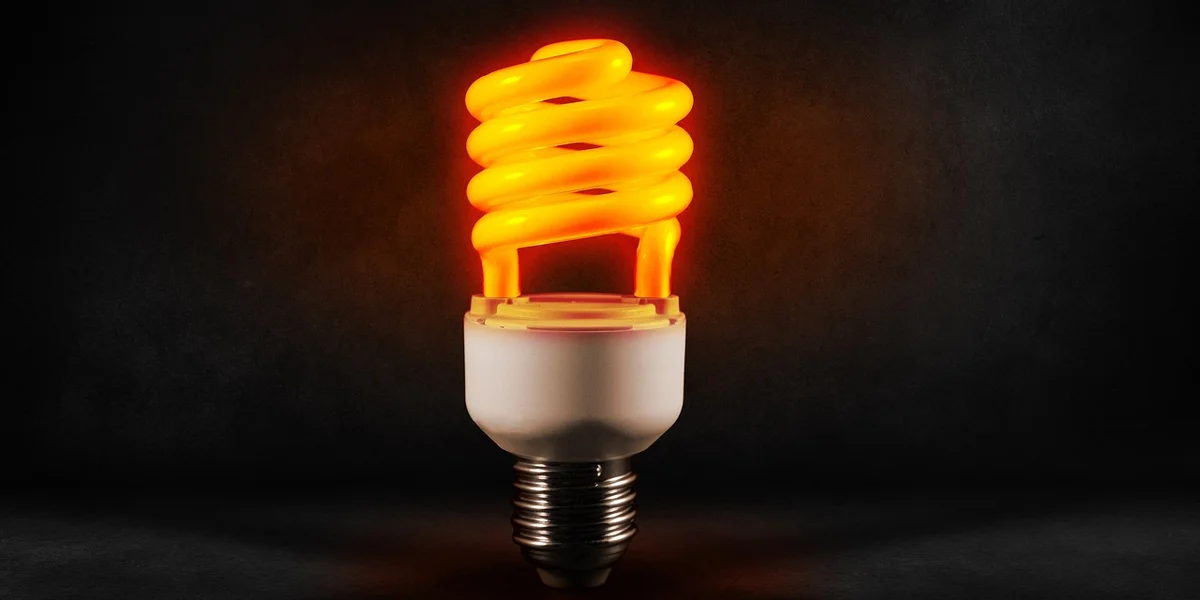
A proper setup prevents problems before they start. Think of it as building a perfect little world for them.
- Choosing a Bulb: Linear fluorescent tubes are superior to compact coils. They distribute light more evenly. For strength, a 5.0 or 6% UVB bulb is a great starting point for many species.
- Placement is Key: Mount the fixture inside the screen lid or just above it. Place it right alongside the heat lamp to create a dedicated basking area.
- Follow Distance Guidelines: Most low-output bulbs should be 8-12 inches from where your gecko spends its time. Always check the manufacturer’s recommendation.
- Set a Photoperiod: I use a cheap outlet timer for a consistent 12-hour day/night cycle. It mimics nature and removes human error.
- Test and Replace: UVB output degrades over time. I mark my calendar to replace bulbs every 12 months, even if they still look bright. The invisible UV rays fade long before the visible light does.
Species-Specific UVB Guidelines
Not all geckos are the same. Their needs vary dramatically based on their natural history.
- Leopard Geckos (like Griffey): These are crepuscular, active at dawn and dusk. They thrive with low-level UVB from a 2.0 to 5.0 bulb. It helps them metabolize calcium without being overwhelming.
- Crested Geckos (like Jeter): As nocturnal canopy-dwellers, their needs are even lower. They can do well without dedicated UVB if supplemented with D3, but many keepers (including me) use a very low 2.0 bulb for optional basking.
- Day Geckos (like Babe): This is a high-UVB species! They are diurnal sun-lovers and need a stronger 5.0 to 10.0 bulb to stay healthy and display their vibrant colors.
Watch their behavior-a basking species like a Giant Day Gecko will use that light constantly, while a crested gecko might only use it occasionally. Let your pet’s habits guide your final setup.
Preventing Future UVB Imbalances
Staying ahead of UVB issues is far easier than treating them. A little proactive care transforms you from a reactive pet owner into a confident gecko guardian. I built this habit after a scare with my crested gecko, Jeter, and it has made all the difference for my entire crew.
Your Simple Proactive Care Routine
Incorporate these three habits into your gecko care schedule. They take just minutes but provide immense peace of mind. For a healthy Mediterranean house gecko, consistent daily care matters. These quick steps keep enclosure, diet, and health on track.
- Weekly Habitat Checks: Every Sunday, I do a quick “scan and assess.” I look at the UVB bulb to ensure it’s firmly seated and the fixture is clean. I run my hand under the basking area to feel the warmth gradient. This two-minute check catches small issues before they become big problems.
- Maintain a 5-Minute Care Journal: You don’t need a novel. I use a simple notepad. Once a week, I jot down the date, my gecko’s weight, their feeding response, and any notable behavior. This creates a powerful timeline that helps you spot subtle trends, like a gradual decrease in activity that could signal a problem.
- Make Seasonal Adjustments: Your home environment changes with the seasons. In winter, when my house is drier and we get less natural light, I sometimes need to adjust timer settings for the UVB lamp. Be mindful of how your indoor climate shifts throughout the year.
The Critical Link Between UVB and Nutrition
UVB lighting and diet work as a team for your gecko’s health. You cannot have one without the other.
- Even with perfect UVB exposure, a diet lacking in proper calcium will lead to metabolic bone disease.
- Conversely, all the calcium in the world is useless if your gecko cannot synthesize it without adequate UVB.
- Think of UVB as the key that unlocks the nutritional goodness in your gecko’s food. My rule is simple: provide a well-balanced, gut-loaded insect diet alongside appropriate UVB lighting. This one-two punch is the foundation of lifelong health.
You have the power to create a stable, thriving environment. Your vigilance is the single biggest factor in your gecko’s long-term welfare. These small, consistent acts of care ensure your scaly friend enjoys a vibrant, active life under your watch.
FAQs
How often should I replace my gecko’s UVB bulb to ensure it’s effective?
Replace your UVB bulb every 12 months, as the UV output degrades over time even if the visible light remains bright.
Is it safe to place my gecko’s enclosure in direct sunlight for UVB?
No, direct sunlight can cause dangerous overexposure and overheating, so it’s safer to use a controlled artificial UVB source instead.
What role does UVA play in my gecko’s health compared to UVB?
UVA supports natural behaviors like feeding and activity, while UVB is critical for vitamin D3 synthesis and calcium absorption to prevent metabolic bone disease.
Final Words
The most important signs to watch for are lethargy, poor shedding, and weak bones indicating too little UVB, while squinting, hiding constantly, and skin color fading suggest too much. Your best tools are a reliable, quality UVB meter and your own sharp eyes, always observing your gecko’s daily habits and physical condition.
Being a great gecko keeper means committing to lifelong learning and adapting your care as new information emerges. Your pet relies entirely on you for its well-being, so stay curious, ask questions, and always prioritize their health and comfort above all else.
Further Reading & Sources
- Do Leopard Geckos Need UVB?
- A Guide to UVB for Leopard Geckos
- Leopard Gecko UVB Wattage Guide – Talis Us
The Gecko Guide is your ultimate resource for gecko enthusiasts, providing expert advice and practical tips to ensure the health and happiness of your scaly companions. Alexander is a passionate gecko owner with over a decade of experience in reptile care. We are dedicated to offering accurate, up-to-date information to support your gecko journey.Our mission is to foster a community of responsible gecko owners who are passionate about the well-being of these fascinating creatures.
Lighting & UVB Requirements