
Best Enrichment Toys & Activities for Crested Geckos
Published on: June 17, 2026 | Last Updated: June 17, 2026
Written By: Alexander 'Gecko Geek' Johnson
You’ve noticed your crested gecko clinging to the same spot every night, and you’re worried they might be bored. A bored gecko can become stressed or lethargic, and nobody wants that for their pet.
I’ve been there with my own crested gecko, Jeter. I will help you turn that tank from a basic apartment into a stimulating playground. We will cover the essentials you need to know:
- Why enrichment is critical for your gecko’s physical and mental health.
- How to choose safe, engaging toys that mimic their natural instincts.
- Simple, fun activities you can start today to bond with your pet.
You will get clear, step-by-step advice based on proven care standards and my own experience. We are covering: climbing structures, foraging activities, textural variety, safe handling techniques, and DIY enrichment ideas.
Why Enrichment is a Game-Changer for Crested Geckos
Enrichment is not just about making a tank look pretty. It directly prevents boredom and supports the natural behaviors crested geckos are hardwired to perform, like climbing vertical surfaces and foraging for their food. A boring enclosure leads to a lethargic gecko, but a dynamic habitat encourages them to act like the wild athletes they are. To create the ultimate environmental enrichment setup for your gecko, plan for vertical complexity and varied textures. Include foraging challenges and multiple climbing options to simulate the wild environment.
I saw this firsthand with my own crested gecko, Jeter. For his first few months, his setup was pretty basic. He spent most of his time in one hide, barely moving. I decided to transform his tank, adding tall branches, vines, and different textured backgrounds. The change was immediate. Jeter started exploring every level of his home, and now he confidently perches on the highest branch like the “team captain” of his terrarium. His activity levels skyrocketed.
The key benefits of enrichment are clear and impactful for their well-being:
- Mental Stimulation: New textures, paths, and puzzles keep their brains active, preventing repetitive behaviors.
- Physical Exercise: Climbing and exploring builds muscle and helps maintain a healthy weight.
- Reduced Stress: Having plenty of hiding spots and visual barriers makes them feel secure and confident in their territory.
Must-Have Commercial Enrichment Toys for Crested Geckos
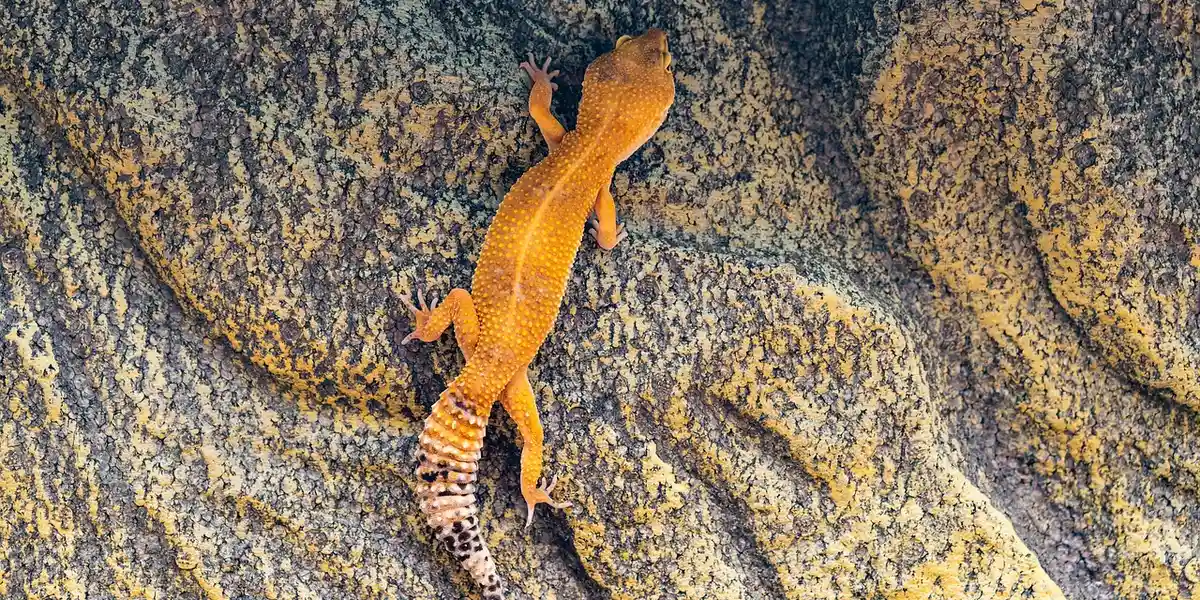
When shopping for toys, focus on items that use vertical space and provide secure hiding spots. Crested geckos are arboreal, meaning they live in trees, so think up, not out. Safe, store-bought options like natural cork bark tubes, sturdy bamboo bridges, and soft moss mats are fantastic starting points. They offer texture for climbing and cozy nooks for resting. For hatchlings, tailor the setup with smaller hides and gentler climbing surfaces to keep them safe. An ideal habitat setup for crested gecko hatchlings emphasizes secure hiding spots and appropriate humidity.
Here is a comparison of some of the best commercial enrichment items:
| Toy Type | Material | Primary Purpose |
|---|---|---|
| Magnetic Ledges | Plastic, Cork | Creates elevated basking and feeding stations. |
| Fluker’s Repta-Vines | Plastic | Adds climbing paths and visual cover. |
| Cork Bark Rounds | Natural Cork | Provides secure, naturalistic hiding tunnels. |
| Moss Mats | Sphagnum Moss | Offers a humid microclimate and a soft landing spot. |
| Pangea Reptile Feeder | Acrylic | Encourages natural foraging behavior for diet paste. |
My top tip is to choose toys that serve multiple purposes. A cork bark flat can be both a background and a climbing surface. Always prioritize non-toxic, easy-to-clean materials and ensure all items are securely fastened to prevent falls. Rotating these toys every few weeks keeps the environment fresh and exciting for your gecko.
DIY Enrichment Toys and Activities You Can Craft at Home
You don’t need a fancy pet store budget to keep your crestie’s brain buzzing. Some of the best enrichment tools are already in your recycling bin, waiting for a second life. I’ve spent many evenings crafting simple toys, and the payoff in curious gecko behavior is immense.
Step-by-Step DIY Guides
Foraging Tube
This simulates the hunt for food, turning mealtime into a fun puzzle.
- Take a clean, dry cardboard toilet paper or paper towel tube.
- Pinch and fold one end shut, securing it with a small piece of non-toxic, reptile-safe tape.
- Drop a few live gut-loaded crickets or a smear of Repashy diet inside.
- Pinch the other end mostly shut, leaving a small opening for your gecko to investigate.
- Place the tube on the terrarium floor or wedge it between branches.
Treat Ball
This encourages movement and problem-solving for a tasty reward.
- Find a clean, plastic medicine bottle with a safety cap (the kind that pushes down to open).
- Ensure it’s thoroughly washed and has no residue.
- Drill or poke several small holes in it, just big enough for a smell to escape.
- Place a few small, soft treats like mashed fruit or a waxworm inside.
- Close the cap and place it in an easy-to-find spot. Your gecko will learn to nudge it to get the goodies out.
Cardboard Hideout City
This creates a cheap, customizable, and easily replaceable hiding complex.
- Collect various small cardboard boxes and tubes.
- Use non-toxic glue or simply slot them together to create a multi-chambered hide.
- Cut entrance and exit holes of different sizes.
- You can stack them or lay them out horizontally to create a little maze.
Materials Checklist
- Cardboard tubes and small boxes
- Clean plastic bottles or containers (no sharp edges)
- Non-toxic, reptile-safe glue or tape
- Scissors or a craft knife
Safety is the golden rule: always supervise your gecko with new DIY toys and remove any item that becomes soiled or damaged. To make your gecko enclosure safe, watch for common household hazards and follow simple tips to minimize risk. Regular checks of substrates, enclosures, and surroundings help keep your gecko healthy and secure.
A Personal DIY Success Story
My crested gecko, Jeter, is usually a calm fellow. One rainy afternoon, I connected several paper towel tubes and small boxes with cut-out doorways, creating a sprawling cardboard maze. I placed a single waxworm in the very center. For over an hour, I watched him methodically explore every corridor. His focused determination was a clear sign of a happy, stimulated mind, and it cost me absolutely nothing.
Building a Stimulating Habitat with Vertical Space and Plants
Crested geckos are arboreal, meaning they live in trees. Ignoring vertical space is like keeping a fish in a shallow puddle. A tall, complex enclosure isn’t just nice to have; it’s fundamental to their well-being. It reduces stress and encourages natural behaviors like climbing and jumping.
Maximizing Vertical Exploration
Think in layers. You want to fill the entire height of the tank with usable space.
- Cork Bark Tubes and Flats: These are my absolute favorite. They provide rough surfaces for gripping, secure hiding spots, and can be mounted vertically or horizontally on the walls.
- Mopani Wood or Grapevine Branches: Arrange these at different angles to create a network of climbing highways and perches.
- Magnetic Ledges and Vines: These attach to the glass walls, creating high-up basking and resting spots that don’t take up floor space.
- Rope Nets or Hammocks: Perfect for creating soft, flexible lounging areas near the top of the enclosure where they feel safest.
Live Plants vs. Fake Plants
This is a common debate, and I’ve used both extensively.
Live Plants are the winner for a fully engaging habitat. They help maintain humidity, process waste, and create the most natural, sensory-rich environment. The leaves move subtly, catch water droplets, and provide fresh, clean hiding spots. My geckos consistently choose to sleep nestled in the leaves of a live Pothos over any plastic alternative.
Fake Plants are fantastic for beginners or as supplements. They are easy to clean and provide immediate cover. Just ensure they are made from non-toxic silk or plastic and have no sharp wires exposed. They don’t contribute to the ecosystem of the tank, but they absolutely get the job done for providing shade and climbing surfaces.
Ideal Plants and Structures for a Natural Environment
Here is a list of my go-to items for building a gecko paradise:
- Live Plants: Pothos (nearly indestructible), Snake Plant, Dracaena, Bromeliads, and Philodendron. All are safe and thrive in humid, low-light conditions.
- Climbing Structures: A combination of cork bark rounds, bamboo poles, and sturdy branches like ghostwood.
- Leaf Litter: A layer of magnolia or oak leaves on the substrate encourages natural foraging behavior for microfauna like springtails.
- Background: A 3D foam background not only looks great but provides immense vertical climbing real estate. You can find kits to make your own.
Watching your gecko navigate a thoughtfully designed, vertical jungle is one of the most rewarding parts of being a keeper. It’s a sign you’ve built them a true home.
How to Introduce and Rotate Enrichment Safely
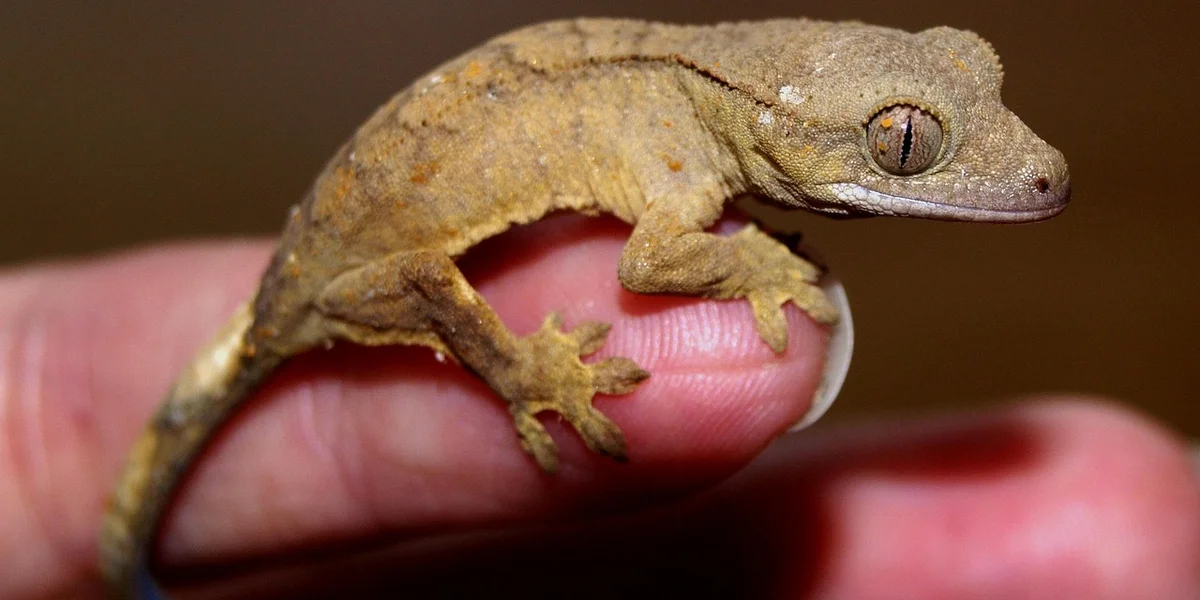
Throwing a bunch of new stuff into your gecko’s home at once is a recipe for a stressed-out reptile. Always introduce one new enrichment item at a time over the course of a week to give your gecko a chance to adjust without feeling overwhelmed. This way, you can also keep an eye on stress levels and know when to take steps to calm your gecko.
Steps for a Smooth Introduction
- Place the new item near the enclosure wall first. Let your gecko see and sense it from a safe distance for a day or two.
- Move the item partially into the active space. Don’t block their main pathways or favorite spots. I’ll often wedge a new vine near, but not on, Jeter’s usual sleeping branch.
- Fully integrate the item into the habitat. After a few days, place it where you intend for it to live long-term.
- Observe their behavior closely for the next 24-48 hours. This is the most critical period for spotting stress.
Monitoring for Stress
Your gecko will tell you if they’re unhappy, you just need to know how to listen. A sudden loss of appetite, frantic glass surfing, or hiding constantly are clear red flags that something is wrong. These early warning signs can indicate illness in geckos, so noticing them early helps you seek appropriate care. If you see these, remove the new item immediately.
A neat trick I use is scent enrichment for a gentler introduction. I’ll rub a new cork round or magnetic ledge with a bit of mashed banana or their repashy food. This makes the unfamiliar object smell like a positive thing (food!) and encourages investigation.
My Personal Rotation Schedule
Habituation is real-a toy that was exciting in week one becomes boring wallpaper by week four. I follow a simple two-week rotation cycle for my geckos’ climbables and foraging toys.
- Week 1-2: Magnetic jungle vine and a foraging ledge with food in a bottle cap are in the enclosure.
- Week 3-4: The vine comes out, and a new textured bamboo bridge goes in. The foraging ledge is moved to a different location.
I keep a couple of “foundation” items, like their main hide, permanent. Watch your own gecko; if they are actively using an item, there’s no need to rotate it out just for the sake of a schedule. My crested gecko, Jeter, has a specific bendy vine he adores, so that one is a permanent fixture.
Signs Your Crested Gecko is Thriving with Enrichment
When you get the enrichment right, you’ll see a noticeable shift in your gecko’s confidence and activity levels. It’s the most rewarding part of being a pet owner. This is a great bridge to a deeper look at gecko enrichment and why mental stimulation matters. In a deeper dive, we’ll explore practical enrichment strategies and the science behind cognitive engagement.
Positive Behaviors to Celebrate
- Active, purposeful climbing on new and old structures, not just glass surfing.
- Curious investigation of moved or new items, often involving a slow, cautious lick.
- Successful foraging where they readily find and eat from their puzzle feeders.
- Basking in open areas with a relaxed body posture, showing they feel secure.
Red Flags: Signs of Stress
Enrichment should reduce stress, not cause it. If your gecko is constantly hiding deep in a moist hide for days on end, that’s a sign they feel exposed or threatened by the setup. Stress in geckos can manifest in various ways.
- Avoiding a specific area of the tank where a new item is located.
- Refusing food for more than two or three feeding cycles.
- Vocalizing with little chirps or squeaks when moving near an object.
- Dull skin color that stays faded even at night when they are typically bright.
Seeing the Change: A Personal Story
When I first got Jeter, he was a bit shy, sticking to one or two safe branches. After I introduced a variety of magnetic ledges at different heights, I watched his personality bloom over a few weeks. He started making deliberate “circuits” around his tank each night, hopping from ledge to vine to branch. He wasn’t just existing in his space; he was patrolling his little kingdom. That confident exploration is the ultimate sign that your efforts are paying off and your gecko is truly thriving.
FAQs
Can I find good enrichment toys for crested geckos on Amazon?
Yes, Amazon offers a wide selection of safe enrichment toys like magnetic ledges and reptile vines that are highly rated by crested gecko owners.
What does a crested gecko enrichment kit typically include?
A crested gecko enrichment kit usually contains a variety of items such as climbing structures, hiding spots, and foraging tools to stimulate natural behaviors. These essentials are part of a proper habitat setup for crested geckos. They support health, behavior, and well-being.
How can I safely use natural items from outdoors for DIY enrichment?
You can use natural items like untreated branches or leaves after thoroughly cleaning and baking them to eliminate any pests or chemicals.
What is the best way to clean enrichment toys for crested geckos?
Clean enrichment toys with a reptile-safe disinfectant or mild soap and water, then rinse and dry them completely before returning them to the enclosure.
What enrichment activities can help bond with my crested gecko?
Bonding activities include hand-feeding treats or encouraging exploration during supervised handling sessions to build trust and interaction.
Final Thoughts
Providing enrichment for your crested gecko boils down to variety, safety, and mimicking their natural instincts. Focus on creating a complex, vertical world full of branches, vines, and foliage for climbing, along with introducing simple foraging puzzles to engage their clever minds. Rotating these activities keeps their environment fresh and exciting, preventing boredom.
Remember, a stimulated gecko is a happy and healthy gecko. Your commitment to observing your pet and continuously learning about their specific needs is the most powerful enrichment tool you have. Stay curious, keep experimenting with new safe ideas, and always prioritize your gecko’s well-being above all else.
Further Reading & Sources
- Promoting Natural Behaviors in Geckos Through Enrichment – IAABC FOUNDATION JOURNAL
- r/geckos on Reddit: How can I enrich my crested gecko more?
- How To Provide Enrichment For A Variety of Reptile Species – Zen Habitats
The Gecko Guide is your ultimate resource for gecko enthusiasts, providing expert advice and practical tips to ensure the health and happiness of your scaly companions. Alexander is a passionate gecko owner with over a decade of experience in reptile care. We are dedicated to offering accurate, up-to-date information to support your gecko journey.Our mission is to foster a community of responsible gecko owners who are passionate about the well-being of these fascinating creatures.
Enrichment Items