
Fixing Crested Gecko Climbing Issues
Published on: June 23, 2026 | Last Updated: June 23, 2026
Written By: Alexander 'Gecko Geek' Johnson
Is your crested gecko suddenly slipping off the glass or struggling to climb, and you’re worried about their safety and health? I’ve been there with my own gecko, Jeter, and that heart-dropping feeling is real.
You’re not alone, and I’m here to help you figure it out. We’ll break down the common reasons and their fixes, focusing on three key areas:
- Evaluating your terrarium setup for climbing hazards.
- Identifying potential health issues affecting their grip.
- Providing actionable steps to create a safer, more climbable environment.
By the end of this guide, you’ll have a clear plan to get your gecko scaling the walls confidently again.
The topics we’ll cover are: terrarium surfaces, humidity levels, nutritional deficiencies, tank decor arrangement, and safe handling practices.
Understanding Normal Crested Gecko Climbing Behavior
Your crested gecko is a tiny, scaly acrobat, and its ability to climb is its superpower. They use microscopic hair-like structures on their toe pads, called setae, to create a molecular attraction with surfaces, allowing them to defy gravity. This adhesion is so effective it lets them perform incredible feats.
Signs of Healthy Climbing
A gecko in its prime is a joy to watch. You’ll see confident, purposeful movements. Here are the hallmarks of a skilled climber: We also watch for glass-surfing and wall-climbing behaviors. Use the gecko stress behavior checklist to note these signs.
- Scaling smooth, vertical glass walls with ease.
- Hanging completely upside down from the terrarium lid or a branch.
- Making bold, calculated leaps between perches.
- Exploring every level of the enclosure, from floor to ceiling.
- Displaying a strong, unshakable grip when they land.
My crested gecko, Jeter, is a master of this. He spends his evenings patrolling the highest vines in his home, moving with a calm confidence that shows he trusts his own grip completely. It’s a clear sign of a happy, healthy animal.
When Climbing Becomes a Problem
You need to become a keen observer to spot trouble early. A gecko that is struggling will tell you, not with sounds, but with its actions. Some geckos use subtle vocalizations too. Understanding both gecko vocalizations and body language cues can help you spot trouble earlier. Watch for these red flags during their active hours at dawn and dusk.
- Frequent slipping on surfaces they used to scale easily.
- Audible “plops” or falls from a short height.
- A new preference for staying on the ground or low branches.
- Hesitant, shaky movements when attempting to climb.
- Abandoning their favorite high-up sleeping spots.
One isolated slip isn’t a crisis, but a consistent pattern of these behaviors means something is wrong and needs your attention.
Common Causes of Crested Gecko Climbing Problems
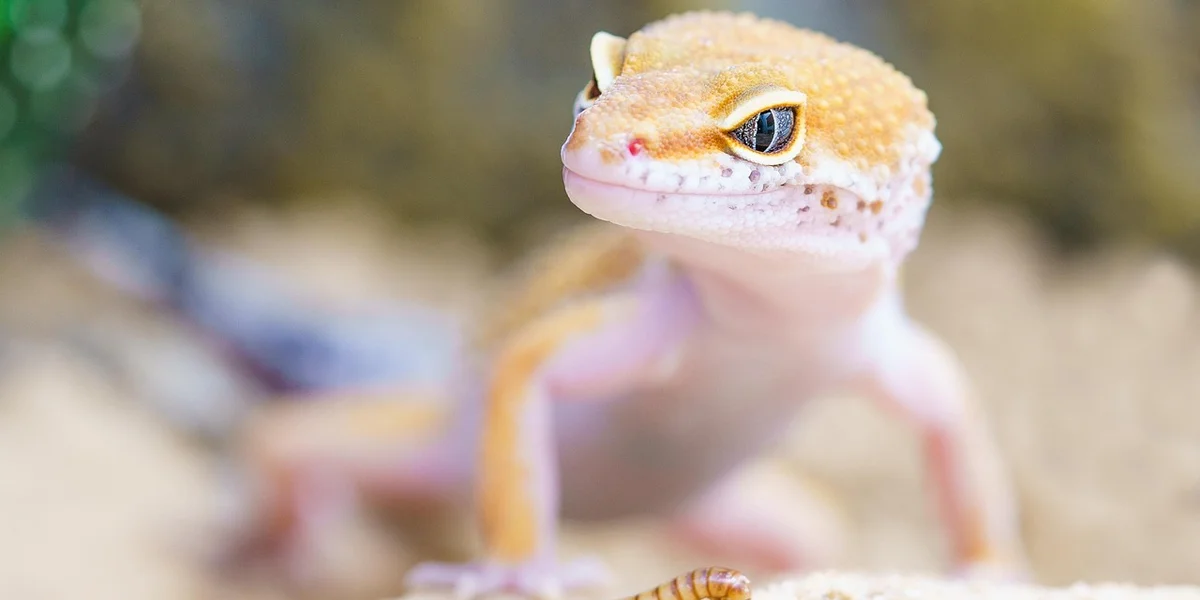
When your gecko can’t climb properly, the cause usually falls into one of three categories. Pinpointing the issue is the first step to getting your little climber back on track. In leopard geckos, climbing behavior can be normal or concerning depending on age, substrate, and health. This guide helps you tell the difference between what’s normal and what’s not.
Health Issues Affecting Grip and Climbing
A gecko’s body must be in top condition for its adhesive system to work. Several health problems can directly sabotage their climbing ability. Many of these problems come from preventable mistakes keepers often make. Knowing the 10 most common preventable gecko health mistakes can help you avoid them.
- Retained Shed: Old skin stuck on the toe pads is the number one culprit. It acts like wearing socks on a slippery floor.
- Obesity: Extra weight puts immense strain on their tiny toes and joints, making adhesion difficult and climbing exhausting.
- Joint Pain or Injury: A sprain or metabolic bone disease can cause pain, making them avoid using a limb or climbing altogether.
- Infection: A bacterial or fungal infection on the feet can cause swelling and discomfort.
Look for visible clues like a white, cuff-like residue on the toes, a waddling walk, or a reluctance to put weight on a specific foot.
Why Are My Crested Gecko’s Feet Not Sticky?
If the magical stickiness is gone, it’s almost always a surface issue on the toe pads themselves. Retained shed is the usual villain. Here is how to safely investigate and help.
- Gently hold your gecko and look closely at its feet under a good light.
- Check for any thin, transparent, or white material clinging to the pads.
- Prepare a shallow saucer of lukewarm water and let your gecko stand in it for 5-10 minutes to soften the skin.
- Use a moistened cotton swab to *very gently* roll against the stuck shed. Never pull.
- If it doesn’t come off easily, repeat the soaking process the next day.
Patience is your best tool here; forcing the shed can rip off the delicate toe pads and cause permanent damage.
Environmental Factors in the Enclosure
Your gecko’s world is its enclosure, and if that world is out of balance, its climbing will suffer. The right humidity is especially critical for proper shedding and skin health. This is where many mistakes creep in—hydration and humidity control are common culprits. The guide on the 8 biggest mistakes in gecko hydration humidity control shows exactly what to avoid for a healthier gecko.
| Factor | Ideal Range | Impact on Climbing |
|---|---|---|
| Humidity | 50-70% (spiking to 80%+ at night) | Prevents retained shed on toe pads; low humidity causes skin to stick. |
| Temperature | 72-78°F (22-26°C) | Extreme heat can dehydrate your gecko; cold can make them sluggish and weak. |
| Substrate | Paper towel, sphagnum moss, or bioactive soil | Loose, dusty substrates can coat the toe pads and ruin adhesion. |
I learned the hard way that a consistent humidity cycle is non-negotiable; letting it drop too low led to Jeter’s first, and only, minor shed issue on his toes.
Why Can’t My Crested Gecko Stick to Glass?
Glass should be their playground. If they’re sliding down it, the surface is contaminated. Their toe pads cannot stick to residues we can barely see.
- Oily Fingerprints: The natural oils from your skin are a slippery barrier.
- Dust and Grime: A fine layer of dust from substrate or the room can coat the glass.
- Chemical Residue: Harsh glass cleaners leave behind a film.
The fix is simple: use distilled white vinegar diluted with water or a reptile-safe enclosure cleaner to wipe down the glass, followed by a thorough rinse with water and a dry cloth. I made the mistake of using a standard glass spray once and spent a week confused before I realized I was the problem!
Step-by-Step Troubleshooting for Climbing Issues
When your crested gecko struggles to climb, follow this straightforward plan to get them back on track safely and effectively. Be aware that climbing difficulty can be a sign of common health problems—such as dehydration or metabolic bone disease—and addressing these issues is essential for their recovery.
-
Step 1: Assess the Immediate Situation
Your first move is to ensure your gecko isn’t hurt or trapped. Always approach with calm, gentle hands to avoid stressing them further. I learned this the hard way when Jeter, my crested gecko, once got his toe caught on a rough edge—handling him slowly prevented more harm. Different gecko species have varying handling needs, so follow species-specific guidelines. Tailor your grip and handling duration to each gecko’s tolerance.
- Check for visible injuries like cuts or swollen limbs.
- Gently lift them away from any tight spots or hazards.
- Look for signs of stuck shed on their toes, which can hinder grip.
-
Step 2: Evaluate and Adjust the Enclosure
Quick tweaks to their home can make a huge difference. Focus on adding textured surfaces and stable climbing aids that mimic their natural habitat. After Jeter slipped on a smooth branch, I swapped it for cork bark, and his confidence soared.
- Introduce cork bark or driftwood for better grip.
- Use artificial vines or live plants like pothos for extra hold.
- Try budget DIY fixes, such as sanded dowels or untreated wood slabs.
-
Step 3: Monitor Behavior and Adjust Care
Watch your gecko over several days to spot improvements or ongoing issues. Note changes in activity, like more exploring or less slipping, to guide your next steps. With Jeter, I kept a simple log and saw that adding a vertical cork panel reduced his falls within a week.
- Observe if they avoid certain areas or seem more active.
- Adjust humidity levels if shedding problems persist.
- Consider diet-proper nutrition supports muscle strength for climbing.
Improving Climbing Surfaces and Enclosure Enrichment
Creating a gecko-friendly space isn’t just about fixing problems-it’s about building a stimulating home that keeps them healthy and happy.
Best Climbing Surfaces for Crested Geckos
Choose materials that offer security and variety. Cork bark is my top pick because it’s lightweight, textured, and holds humidity well. Driftwood works too, but it can be heavier and may need anchoring.
- Cork bark: Pros-easy to clean, natural look. Cons-can break down over time.
- Driftwood: Pros-durable, great for vertical climbs. Cons-may mold if not dried properly.
- Artificial vines: Pros-low maintenance, flexible. Cons-less natural feel.
- Live plants: Pros-boost humidity, provide hiding spots. Cons-require more care.
Safe Enclosure Setup to Prevent Hazards
A secure setup prevents accidents and escapes. Always test climbing aids for stability before letting your gecko use them. I once had a wobbly branch that tipped over-now I double-check everything.
- Avoid sharp edges on decor that could cause cuts.
- Secure items with aquarium-safe silicone or zip ties.
- Ensure lids fit tightly to prevent curious geckos from pushing out.
DIY Climbing Wall Ideas
Build your own climbing features with safe, non-toxic materials. This project is fun, affordable, and lets you customize the layout for your gecko’s needs. I made a background using cork tiles, and Jeter loves scaling it daily.
- Gather supplies: cork tiles, non-toxic adhesive, and a clean surface.
- Cut tiles to fit your enclosure’s back or sides.
- Apply adhesive evenly and press tiles firmly in place.
- Let it cure for 24 hours before reintroducing your gecko.
When to Seek Veterinary Care for Climbing Problems
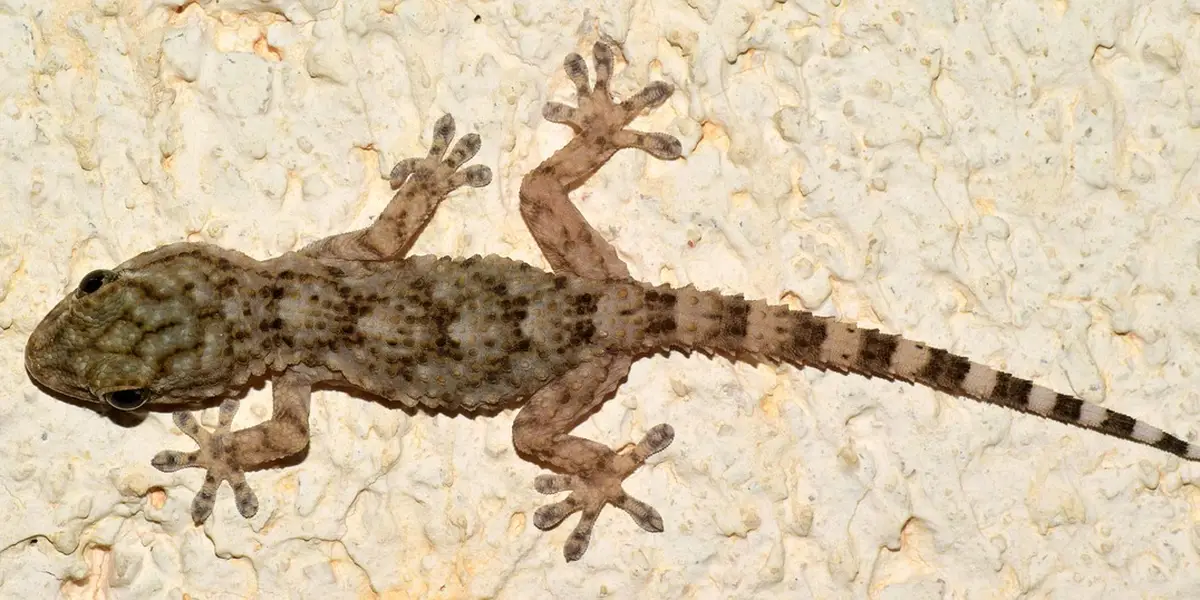
Watching your gecko struggle to climb is heartbreaking. While some slipping is normal, especially in juveniles, certain signs scream for professional help. Understanding normal versus abnormal gecko behaviors when you’re concerned helps you decide when to act. If your gecko shows persistent lethargy, loss of appetite, or unusual breathing, seek veterinary advice. Your gecko’s long-term health and quality of life depend on you recognizing these red flags early.
I learned this the hard way with my first gecko, Griffey. He went from being a confident climber to frequently sliding down the glass. I initially blamed a recent terrarium cleaning, thinking the glass was too slick. But when the issue persisted for over a week and I noticed a slight tremble in his legs, I knew it was vet time. That visit revealed the early stages of Metabolic Bone Disease (MBD).
You should book a vet appointment immediately if you observe any of the following:
- Persistent Slipping: Your gecko consistently fails to grip surfaces it used to climb with ease.
- Visible Injuries: You see open wounds, swollen joints, or bent limbs from falls.
- Limping or Dragging Limbs: Any sign that your gecko cannot use one or more of its legs properly.
- A Sudden, Unexplained Change: A confident climber that abruptly becomes ground-dwelling for more than a few days.
Never adopt a “wait and see” approach with mobility issues; what starts as a minor problem can quickly become a permanent disability. An exotic vet can diagnose underlying causes like calcium deficiency, nerve damage, or infections that we, as owners, simply cannot see.
Behavior Cues That Signal Serious Issues
Climbing problems are often just the most visible symptom. The real clues lie in your gecko’s overall behavior. A healthy crested gecko is alert, active at night, and has a strong food drive. This is exactly the kind of topic covered in the crested gecko behavior and body language ultimate guide. By learning to read posture, tail movements, and activity patterns, you’ll understand what your gecko is trying to tell you.
If your gecko stops climbing and also shows these behavioral changes, the situation is urgent.
- Profound Lethargy: Your gecko sits in one spot all day and night, showing no interest in exploring its environment.
- Significant Weight Loss: A skinny tail and prominent hip bones are major warning signs of illness or malnutrition.
- Complete Refusal to Climb: This is different from occasional slipping. A gecko that won’t even attempt to climb, preferring to stay low, is likely in pain or feeling very weak.
- Loss of Appetite: Consistently ignoring its food for several days is a classic sign of systemic illness.
When you call the vet, be ready with specific information. I always take a short video on my phone of the concerning behavior; it gives the vet a clearer picture than I could ever describe with words. Also, note when the symptoms started, any changes in diet, and the temperature and humidity levels in the enclosure. This documentation turns your worry into actionable data for a faster, more accurate diagnosis.
FAQs
What live plants are safe and beneficial for crested gecko climbing?
Safe live plants like pothos, snake plants, and bromeliads offer textured surfaces for gripping and help maintain ideal humidity levels in the enclosure.
How do I create DIY climbing sticks for my crested gecko?
You can craft DIY climbing sticks by using untreated, sanded wood branches secured with non-toxic adhesive to ensure a safe, customizable climbing structure.
Where can I buy crested gecko climbing sticks on Amazon?
You can purchase reptile-safe climbing sticks on Amazon by searching for products like cork rounds or natural wood branches designed for terrarium use.
What are the key features to look for in climbing branches for crested geckos?
Choose climbing branches that are sturdy, have a rough or textured surface for better grip, and are made from non-toxic materials like cork or driftwood.
Can climbing accessories help prevent climbing problems in crested geckos?
Yes, well-chosen climbing accessories such as stable perches and textured vines provide secure footholds that minimize slipping and support natural climbing behavior.
Final Thoughts on Your Climber’s Safety
Solving your crested gecko’s climbing problems boils down to providing a secure, vertically-oriented habitat. These essential supplies are the core of a proper habitat setup for crested geckos. Ensure they have plenty of approved climbing surfaces like cork bark and live plants, maintain correct humidity to support their sticky toe pads, and always double-check that all decorations are firmly anchored to prevent dangerous falls.
Your role as a keeper is to be a proactive and observant guardian for your unique pet. Their well-being is an ongoing commitment, so I encourage you to keep learning from trusted sources and to always prioritize their safety and natural behaviors in everything you do for them.
Further Reading & Sources
- Crested Gecko Walking and Climbing Issues: Expert Q&A
- 10 Possible Explanations For A Crested Gecko Having Trouble Climbing
- r/CrestedGecko on Reddit: Why isn’t my gecko climbing?
The Gecko Guide is your ultimate resource for gecko enthusiasts, providing expert advice and practical tips to ensure the health and happiness of your scaly companions. Alexander is a passionate gecko owner with over a decade of experience in reptile care. We are dedicated to offering accurate, up-to-date information to support your gecko journey.Our mission is to foster a community of responsible gecko owners who are passionate about the well-being of these fascinating creatures.
Enrichment Items