
Choosing the Right Hides for Your Gecko
Published on: June 20, 2026 | Last Updated: June 20, 2026
Written By: Alexander 'Gecko Geek' Johnson
If you’ve ever seen your gecko pressed against the glass or refusing to come out, you know the sinking feeling that their habitat isn’t quite right. That behavior is often a direct cry for help, and the solution usually starts with the right hide.
I’ve learned through years of caring for my own crew-from my energetic leopard gecko Griffey to my calm crested gecko Jeter-that a hide is so much more than a decoration. It’s a non-negotiable safe space that directly impacts their health and happiness. I’m here to help you get it right by breaking down the three most important things you need to know.
- The three essential hide types every gecko enclosure must have.
- Where and how to place hides to stop stress-related behaviors.
- How to match the perfect hide to your specific gecko’s species and personality.
By the end of this guide, you’ll have a clear, actionable plan to create a sanctuary your pet will love. We will cover: Warm Hides, Cool Hides, Humid Hides, Climbing Hides, and Substrate Choices.
Why Your Gecko Absolutely Needs Hides in Its Enclosure
Think of a hide as your gecko’s personal bedroom and safe space all rolled into one. Without a proper hide, your gecko feels like it’s constantly living in the middle of a wide-open, predator-filled field. If your leopard gecko always hides, that’s a natural response to feeling exposed and unsafe. Making sure they have secure hides and stable temperatures can help them feel safer and come out more. This constant exposure creates low-grade stress that can weaken their immune system over time.
Hides are not a decoration; they are a biological necessity. In the wild, geckos spend most of their daylight hours tucked away in rock crevices, under bark, or in burrows. A hide in their tank directly mimics this instinct to seek shelter. If your gecko is hiding all the time, you may need a quick troubleshooting checklist to uncover why. This simple guide helps you assess common causes like enclosure temperature, humidity, and safety.
I learned this the hard way with my leopard gecko, Griffey. When I first set up his tank, I thought one small hide was enough. He spent days glass surfing, refusing to eat, and just looked… anxious. The moment I added two more snug hides, his entire personality changed. He became the energetic, curious guy I know today, confidently posing from the entrance of his favorite cave.
My crested gecko, Jeter, is the king of calm, but even he has a favorite high-up cork tube. If I ever rearrange his tank and it’s not *just* right, he’ll sit on the highest branch with a noticeable air of “We need to talk about the new office layout.”
- Security: Provides a dark, enclosed space where they feel invisible to threats. This is their primary need.
- Shedding Aid: The enclosed space helps trap humidity, which is vital for helping them peel off their old skin in one clean piece.
- Temperature Control: By offering hides on both the warm and cool sides of the tank, your gecko can self-regulate its body temperature perfectly throughout the day.
The Main Categories of Gecko Hides You Should Know
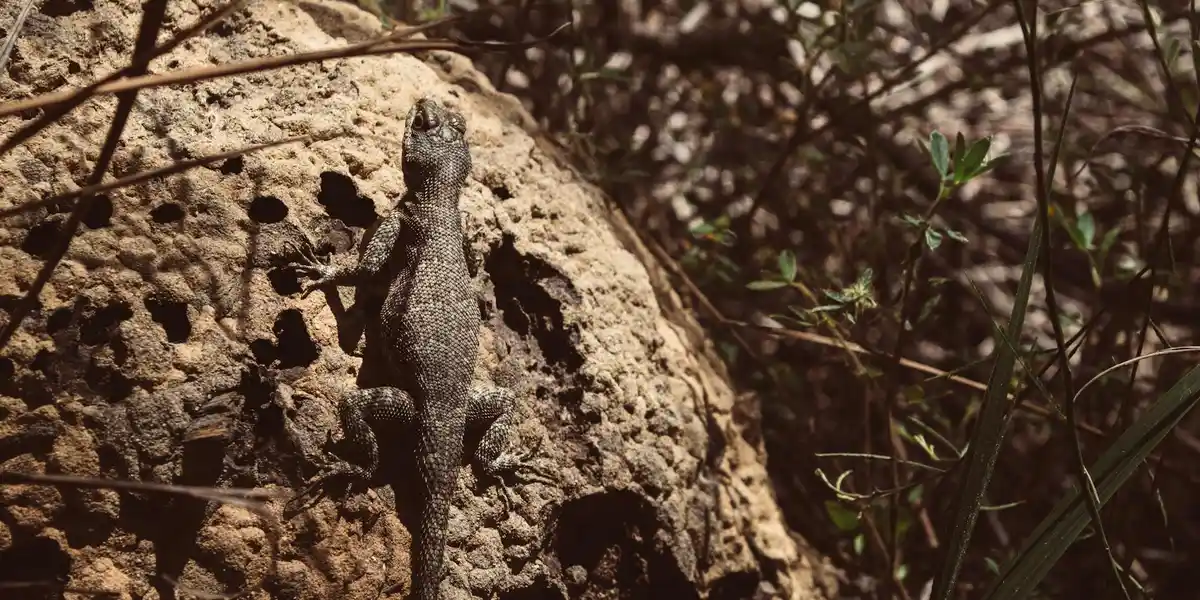
Not all hides are created equal. The best choice depends on your gecko’s species and your own priorities for maintenance and aesthetics. You can broadly group hides into three main categories based on their material and design.
| Material | Pros | Cons |
|---|---|---|
| Plastic / Resin | Very easy to clean, durable, budget-friendly. Great for humid hides. | Can look artificial. Lighter weight may be tipped over by larger geckos. |
| Natural (Cork, Wood, Stone) | Provides a natural, textured surface for climbing and rubbing. Excellent aesthetics. | Porous materials can harbor bacteria and are harder to disinfect. May need replacement over time. |
| Ceramic | Heavy and stable. Holds cool temperatures well, making fantastic cool-side hides. | Can be brittle and may crack if dropped. Often more expensive. |
Cave and Burrow Hides for Ground-Dwelling Geckos
If you have a leopard gecko like Griffey or a fat-tailed gecko like my A-Rod, this is their hide style. These geckos are terrestrial, meaning their world is largely horizontal. They crave the feeling of being nestled in a secure, ground-level burrow.
When choosing a cave hide, pay close attention to two things: depth and the entrance. The hide should be deep enough that your gecko can get completely out of sight. A single entrance is usually fine, but it should be just large enough for them to enter comfortably without feeling exposed.
My A-Rod, with his territorial nature, loves his deep, single-entrance ceramic cave. He feels so secure in there that he’ll often rearrange the moss around the entrance, like he’s customizing his front door. It’s his private, no-visitors-allowed space.
Vertical and Climbing Hides for Arboreal Species
For geckos like my crested gecko Jeter or my playful gargoyle gecko Mookie, think up, not across. Arboreal species live in trees, so their sense of security comes from height and vertical cover. A hide on the ground is almost useless to them. To truly support arboreal geckos, design a multi-level habitat that maximizes vertical space with tiers of ledges and climbing structures. This vertical layout gives them security, exercise, and opportunities to explore.
You want to provide hides that attach to the sides or branches of the enclosure. Fluker’s bamboo tubes and cork bark rounds are perfect for this. You can mount them vertically or at an angle to create secluded perches.
Mookie, my gargoyle gecko, is a perfect example. He has a long, vertical bark tube that runs up the back corner of his tank. He uses his incredible leaping ability to dive into the top of it, exactly like he’s making a game-winning catch before disappearing from view. It satisfies his need for both a secure hide and a high vantage point.
When to Use Warm, Cool, and Humid Hides for Optimal Health
Think of your gecko’s hides as their private offices for different bodily functions. Each hide type serves a distinct purpose, and providing all three is non-negotiable for their health. The warm hide, placed on the heated end of the tank, is for digestion and energy. The cool hide on the opposite end is for resting and avoiding overheating. The humid hide is their dedicated spa for perfect sheds.
Placing Hides in Temperature Zones
Getting the placement right is simpler than it sounds. Follow these steps to create the perfect environment.
- Place your heat source (like an under-tank heater) on one side of the enclosure to create a temperature gradient.
- Put the warm hide directly over this heat source. My leopard gecko, Griffey, loves his warm hide right after a meal to help digest his crickets.
- Position the cool hide on the complete opposite side, where the temperature is at room level.
- You can place the humid hide in the middle of the gradient or slightly toward the warm end to help maintain moisture.
This setup allows your gecko to self-regulate its body temperature by simply moving from one hide to another, which is vital for their metabolism. This is achieved through maintaining a proper temperature gradient in the enclosure.
Humid Hides: Your Gecko’s Shedding Sanctuary
A humid hide is a lifesaver during shedding. I’ve watched my young gargoyle gecko, Mookie, go from frustrated to perfectly shedded in hours thanks to a well-maintained humid hide. It provides the moisture they need to wriggle out of their old skin easily.
Creating one is straightforward and can prevent serious issues like stuck shed on their toes and tail.
- Use a small, enclosed container like a plastic food storage box with a hole cut in the side.
- Line it with a moisture-holding material. I prefer sphagnum moss because it holds water well and resists mold.
- Dampen your chosen substrate with dechlorinated water. It should be moist, not soaking wet.
- Check the hide every other day and re-moisten the substrate as needed to maintain that humid environment.
Dry Hides for Everyday Rest and Security
Beyond the specialized hides, your gecko needs simple, dry, and cozy spots to feel secure. This is where they’ll spend most of their time sleeping and just observing their world. My African fat-tailed gecko, A-Rod, is a prime example; he strongly prefers the solitude of his dry, cool hide over any other spot in his home. Geckos will retreat to these dry hides whenever they feel the need for a quiet, low-humidity rest. Humidity and heating work in conjunction to support their comfort and thermoregulation. A balanced setup uses warm, dry retreats alongside carefully managed humidity in other zones.
Choosing the Right Hides for Your Gecko’s Species and Age
Not all geckos use hides the same way. Selecting the right hide is like choosing the right furniture-it must fit the occupant’s size and lifestyle. A terrestrial leopard gecko needs ground-level hides, while an arboreal crested gecko like my Jeter needs hides that are up high. Some keepers do create and use a humid hide for leopard geckos to aid shedding, used selectively along with the usual dry hides. If you use one, monitor humidity and cleanliness to prevent mold and respiratory issues.
- Leopard & Fat-Tailed Geckos: Prioritize ground-level hides. They are not strong climbers and feel most secure close to the substrate.
- Crested & Gargoyle Geckos: You must provide elevated hides. Use coconut huts or commercial hides that can be securely attached to the side or back of the vivarium.
- Giant Day Geckos: While they are less hide-dependent, they still appreciate covered bamboo tubes or dense foliage to dart into when startled.
For adults, the hide should be just large enough for them to turn around comfortably inside-a too-large hide feels exposed and unsafe. For babies, the hide should be snug.
Hides for Juvenile Geckos: Safety and Growth
Baby and juvenile geckos are tiny and incredibly vulnerable. Their hides are their primary defense against the overwhelming feeling of a big, new world. I always use smaller, more enclosed hides for my young geckos, which makes them feel completely hidden and secure.
- Use reptile caves specifically marketed for juveniles, or even clean, small plastic containers with an entrance hole.
- Ensure the entrance is smooth and there are no sharp edges inside that could injure their delicate skin.
Avoid any hide with an opening that is too large, as this will not provide the sense of security a young gecko needs to thrive and reduce stress. Proper hides for juveniles directly support healthy growth by allowing them to rest and digest without fear.
DIY Gecko Hides: Simple, Safe, and Cost-Effective Ideas
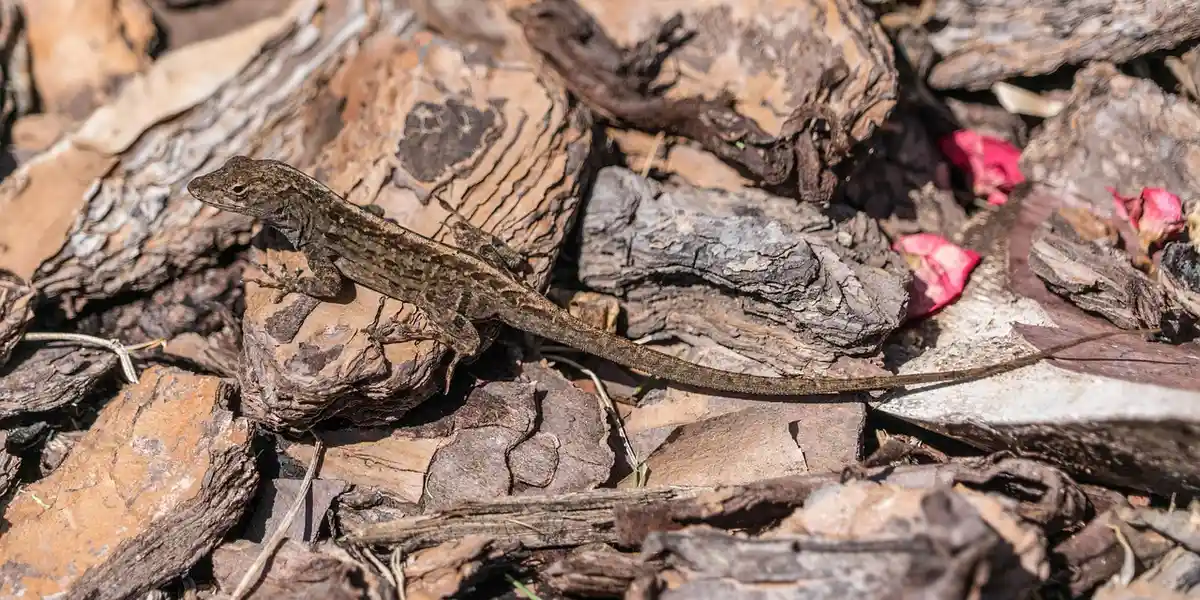
You don’t need a fancy budget to create perfect hiding spots for your gecko. Some of the best hides in my own collection were made for just a few dollars using items from around the house. The key is to prioritize safety and function over aesthetics every single time.
The Simple Plastic Container Hide
This is my go-to for a quick, effective humid hide or a simple cave. I’ve made dozens of these for my geckos, like Griffey, who loves his humid hide during shedding. If you’re looking to create a DIY humid hide for your gecko, this simple setup is quick and budget-friendly. It doubles as a comfy cave while boosting humidity for shedding seasons.
- Find a clean, opaque plastic food container with a lid (like a yogurt or deli container).
- Using scissors, carefully cut a smooth, arch-shaped entrance hole on one side, large enough for your gecko to pass through easily.
- Sand the edges of the hole until they are completely smooth to the touch to prevent any cuts.
- Fill the container with damp (not wet) sphagnum moss or paper towels for a humid hide, or leave it empty for a dry retreat.
- Place the lid on top and position it securely in the terrarium.
The Cork Bark Round
Cork bark is a fantastic, natural, and safe material you can buy from most pet stores. It provides a textured surface for climbing and a cozy, dark hollow for hiding, which my Crested Gecko Jeter absolutely adores.
- Select a piece of cork bark that is large enough for your gecko to fit inside completely.
- Inspect it for any sharp points or hitchhiking insects, and brush it off thoroughly.
- If needed, you can gently bake it in an oven at 200°F (93°C) for 20-30 minutes to sterilize it. Let it cool completely!
- Place it directly on the terrarium floor or lean it against the glass to create a tunnel.
Natural and Aesthetic DIY Options
If you want that beautiful, naturalistic terrarium look without the high price tag, you have some wonderful options.
Using a coconut shell is one of the easiest and most attractive DIY projects you can do. It creates a perfect, rounded hide that many arboreal geckos naturally gravitate towards.
- Take a whole coconut and drain the milk from it.
- Carefully use a saw to cut it in half. You can sand the rough edges smooth.
- Scrape out all the white coconut meat.
- Cut a clean entrance hole in one half of the shell.
- Bake the shell at a low temperature (200°F / 93°C) for about an hour to kill any mold spores and harden it.
Maintaining these natural hides is straightforward but non-negotiable for your gecko’s health. When you spot-clean the terrarium, remove the hide and rinse it with hot water. For a deeper clean, use a reptile-safe disinfectant, rinse it extremely well, and let it dry completely before putting it back. Never use soap, as the residue can make your gecko very sick. See our spot cleaning vs full tank clean-out gecko hygiene guide for when to use quick cleans versus a full tank overhaul. Regular full clean-outs help prevent buildup that spot cleaning alone may miss.
Avoiding Common Hide Mistakes That Stress Your Gecko
I’ve made my fair share of hide-related blunders over the years. Learning from these mistakes is what helps you become a more attentive and successful gecko owner. Here are the big ones to watch out for.
- Wrong Placement: Putting a moist hide on the hot side of the tank will dry it out instantly and can overheat your gecko. Conversely, a dry hide on the cool side can become too chilly. Always place humid hides in the middle or cool end, and warm hides directly over the heat mat.
- Poor Material Choices: Avoid anything sharp, rough, or made of soft, chewable plastic. I once used a hide with a slightly rough interior, and my gecko ended up with tiny scrapes on its belly. It was a tough lesson. Stick to smooth plastics, cork, and ceramic.
- The Single Hide Trap: This is perhaps the most common mistake. Only providing one hide forces your gecko to choose between feeling secure and regulating its body temperature. This causes immense stress. You must offer at least two hides: one on the warm end and one on the cool end.
- Ignoring Multiple Geckos: If you house geckos together, you need multiple hides *per gecko*, plus extras. My A-Rod is territorial and will guard the best hide, stressing out any tank mates. Having plenty of options prevents bullying and gives every gecko a safe space to call its own.
- Wrong Size: A hide that is too large won’t make your gecko feel secure. They want a snug fit where their body touches the sides. A hide that’s too small is just unusable. Test it out-your gecko should be able to fit entirely inside without looking cramped.
FAQs
How often should I replace gecko hides?
Replace hides if they show signs of wear, damage, or cannot be properly cleaned, typically every 6-12 months for natural materials like cork or wood.
Can I use hides designed for other animals, like hamsters, for my gecko?
Avoid using hides made for other animals, as they may have unsafe materials, sizes, or designs not suited for geckos’ specific needs and behaviors. To make your gecko enclosure safe, use purpose-built hides and regularly inspect decor for wear. Also keep cords and small parts out of reach to prevent household hazards.
What are the signs that a hide is causing stress to my gecko?
Signs include avoiding the hide, frequent glass surfing, loss of appetite, or restless behavior, indicating the hide may be the wrong size, material, or placement.
How can I customize a hide to better suit my gecko’s needs?
Add safe, non-toxic substrates like moss for humidity, adjust entrance sizes for a snug fit, or attach climbing surfaces to accommodate arboreal species.
Are there any hides that should be avoided for certain gecko species?
Avoid open or poorly secured hides for arboreal geckos and steep, unstable hides for ground-dwelling species to prevent falls and stress.
Final Thoughts on Gecko Hides
Providing a warm hide, a moist hide, and a cool hide is the golden rule for creating a comfortable and secure environment for your gecko. Lighting and temperature cues can influence how actively your gecko uses the hides and where it tends to spend time. Understanding how lighting and temperature affects gecko behavior helps you tailor the enclosure to support healthy activity patterns. This simple three-hide setup directly caters to your pet’s core needs for thermoregulation, security, and successful shedding. The right hide in the right place makes all the difference in their daily well-being.
Remember, being a great gecko owner means observing your pet and adapting their habitat as they grow and their behaviors change. Your commitment to learning and providing thoughtful care is the single most important factor in giving your gecko a long, healthy, and happy life. Keep watching, keep learning, and enjoy the journey with your incredible pet.
Further Reading & Sources
- r/leopardgeckos on Reddit: Moist Hide Options
- 12 Best Leopard Gecko Hides to Purchase! (An Expert’s Guide)
- 17 Best Hide Ideas For Leopard Geckos
The Gecko Guide is your ultimate resource for gecko enthusiasts, providing expert advice and practical tips to ensure the health and happiness of your scaly companions. Alexander is a passionate gecko owner with over a decade of experience in reptile care. We are dedicated to offering accurate, up-to-date information to support your gecko journey.Our mission is to foster a community of responsible gecko owners who are passionate about the well-being of these fascinating creatures.
Enclosure Types & Sizing