
Why Do Leopard Geckos Vomit? How to Fix Digestive Problems
Published on: February 4, 2026 | Last Updated: February 4, 2026
Written By: Alexander 'Gecko Geek' Johnson
Seeing your leopard gecko vomit is a startling and worrying sight that can make any owner’s heart drop. You’re not alone in that panic. I’ve been there with my own gecko, Griffey, and I know how urgent it feels to find a solution.
This guide will help you understand what’s happening and give you clear, actionable steps. We’ll cover:
- The common reasons leopard geckos regurgitate their food.
- Immediate steps you must take to help your gecko recover.
- How to adjust your care routine to prevent it from happening again.
You will get straightforward advice based on proven reptile care and my own experience nursing geckos back to health. Topics covered: impaction causes, incorrect temperatures, oversized prey, stress factors, immediate first aid steps, long-term habitat adjustments, when to see a vet.
What Does Leopard Gecko Vomiting Look Like?
Recognizing the signs early is your best defense. Vomiting, or regurgitation, in leopard geckos is not subtle. You will usually find a small, sad pile of undigested or partially digested insects. Look for whole insect bodies, a slimy mucus coating, or even a yellowish-green bile color, which signals a more serious, empty stomach issue. If any of these signs persist, or if your gecko appears lethargic, dehydrated, or refuses food, contact a reptile veterinarian immediately. Early veterinary evaluation can prevent serious complications.
Their behavior will also tell you a story. A gecko that has thrown up will often become lethargic and retreat to their hide for much longer than usual. They might completely ignore food, even their favorite waxworms. You’ll notice a general lack of their normal curious energy. These changes can be early warning signs of illness in geckos. Early recognition helps you seek veterinary care promptly.
From my own crew, I’ve learned to check their stool consistency and frequency daily. A healthy leopard gecko like my Griffey produces firm, white urates and brown feces regularly. When he was younger and had a minor digestive upset, the first sign was a delay in pooping, followed by unusually soft stool. Keeping a mental log of their “bathroom schedule” gives you a powerful baseline for their health. That helps answer the question of what healthy vs unhealthy leopard gecko poop looks like: healthy droppings are firm, brown feces with white urates; soft, runny, or discolored stool can indicate a problem.
Common Reasons Leopard Geckos Throw Up

Dietary Mistakes and Feeding Errors
This is the most common culprit I see. We want to spoil our pets, but their digestive systems are delicate. Feeding prey that is too large, like a giant mealworm for a young gecko, can physically block their gut. Overfeeding simply overwhelms their system, forcing it to expel the excess.
Poor nutrition is a silent killer. Without proper calcium and vitamin D3, leopard geckos cannot metabolize their food correctly, leading to weak digestion and regurgitation. That’s why many keepers supplement leopard geckos with calcium and vitamin D3, especially when UVB exposure is limited. The right regimen depends on lighting, diet, and life stage.
I learned this the hard way with Griffey. He was a voracious eater, and I was overfeeding him on a chaotic schedule. He started regurgitating. I switched to a strict, measured feeding schedule with appropriately sized dubia roaches, and the problem cleared up within a week. Consistency and portion control are everything.
Impaction and Gut Motility Problems
Impaction is a serious intestinal blockage. It’s often caused by a gecko accidentally swallowing loose substrate, like sand or small bark chips. Dehydration makes the problem worse, as their gut can’t move things along. Perhaps the biggest cause is a tank that is too cold, as geckos need belly heat to properly digest their meals. To understand how to treat impaction properly, consult the understanding treating impaction geckos depth guide for clear steps and red flags. It covers when to intervene, hydration priorities, and when to seek professional care.
Watch for a bloated, firm stomach and a complete lack of droppings for several days. You might see your gecko straining or appearing uncomfortable when it tries to poop. They will often stop eating entirely. If you suspect dehydration, also look for dry mouth, sunken eyes, and skin that doesn’t bounce back. Dehydration can worsen quickly—consult a reptile vet if signs persist.
To check for a possible blockage, give your gecko a gentle belly bath in warm, shallow water. You can also offer a single drop of olive oil orally. Gently massaging their lower belly in a warm bath can sometimes help move a minor blockage along, but a vet visit is crucial if you suspect a severe impaction.
Parasites and Infections
Internal parasites, like pinworms or coccidia, are a frequent cause of digestive distress in reptiles. Signs include sudden weight loss despite a good appetite, runny or bloody stool, and vomit that looks particularly foul or abnormal.
You cannot diagnose parasites at home. A simple fecal test performed by an exotic vet is the only way to identify these microscopic invaders and get the right medication. I get my geckos checked annually as a preventative measure-it’s cheap peace of mind.
Stress is a major trigger that can worsen a parasitic issue or even cause a healthy gecko to vomit. Frequent handling, a noisy environment, or an incorrect tank setup can suppress their immune system and bring underlying problems to the surface. Always ensure your gecko has plenty of secure hides and a stable, quiet environment to thrive. Learning how to calm a stressed gecko is crucial for their health.
Immediate Steps for a Vomiting Leopard Gecko
Rehydration and Warm Water Soaks
Dehydration is a serious risk after vomiting, so getting fluids back into your gecko is your first priority. A warm soak is a gentle and effective way to help. Always use lukewarm water that feels warm, not hot, to your wrist-just like testing a baby’s bottle.
- Find a small, clean plastic container with a secure lid. Poke a few air holes in the top for ventilation.
- Fill the container with just enough lukewarm water to reach your gecko’s belly, not its shoulders.
- Gently place your gecko in the water and put the lid on. Sit with them for 10-15 minutes.
- The warmth encourages drinking and can help soothe their digestive tract.
For the water itself, plain dechlorinated tap water is perfect. You can also use an over-the-counter reptile electrolyte solution. I’ve seen this work wonders for my own geckos, like when Mookie was recovering from a rough shed; the soak perked her right up and she took a big drink. This simple act of rehydration can make a world of difference in their recovery energy.
Diet Adjustments and Probiotics
After a vomiting episode, your gecko’s gut needs a reset. I always start with a temporary fast. Allow a 24 to 48-hour break from food to let their digestive system rest and recover fully. This pause gives any irritation a chance to calm down.
When it’s time to reintroduce food, think small and simple.
- Start with a single, small, and easy-to-digest insect. A freshly shed mealworm or a small cricket is ideal.
- Gut-friendly foods are key. Avoid large or hard-shelled insects like superworms at first.
- Dust this first small meal with a probiotic supplement. I’ve had great success with brands like Repashy SuperPig or Benebac. Probiotics help repopulate the good gut bacteria lost during the upset.
Watch your gecko closely over the next few days. Is their appetite returning? Are their droppings normal and well-formed? Any changes here are your best clues to their internal health. To guide your next steps, consult the ultimate gecko health troubleshooting checklist—a step-by-step diagnostic guide. It helps you interpret these signals and decide what to do next.
When to Seek Veterinary Care for Digestive Issues
While many minor upsets can be handled at home, some signs demand professional help. Your gecko’s well-being depends on you recognizing these red flags and acting quickly.
- You see blood in the vomit or in their stool.
- Your gecko refuses food for more than 5-7 days.
- They show extreme lethargy, such as being unable to lift their head or move normally.
- You notice a significant and rapid weight loss, where their tail becomes very thin.
- Their abdomen appears swollen or feels hard to the touch.
Your reptile vet will perform a thorough examination. This often includes taking X-rays to check for blockages, testing a stool sample for parasites, and administering fluid therapy for dehydration. Based on my experience with a gecko like A-Rod, who needed deworming, a vet’s diagnosis provides the specific treatment plan that home care simply cannot. A complete gecko veterinary care plan typically includes preventive checkups, parasite screening, deworming when needed, and follow-up visits to monitor progress. This level of care goes beyond what home care can provide. Prompt action is a core part of responsible animal welfare and can truly be a lifesaver for your pet.
Preventing Vomiting and Boosting Digestive Health
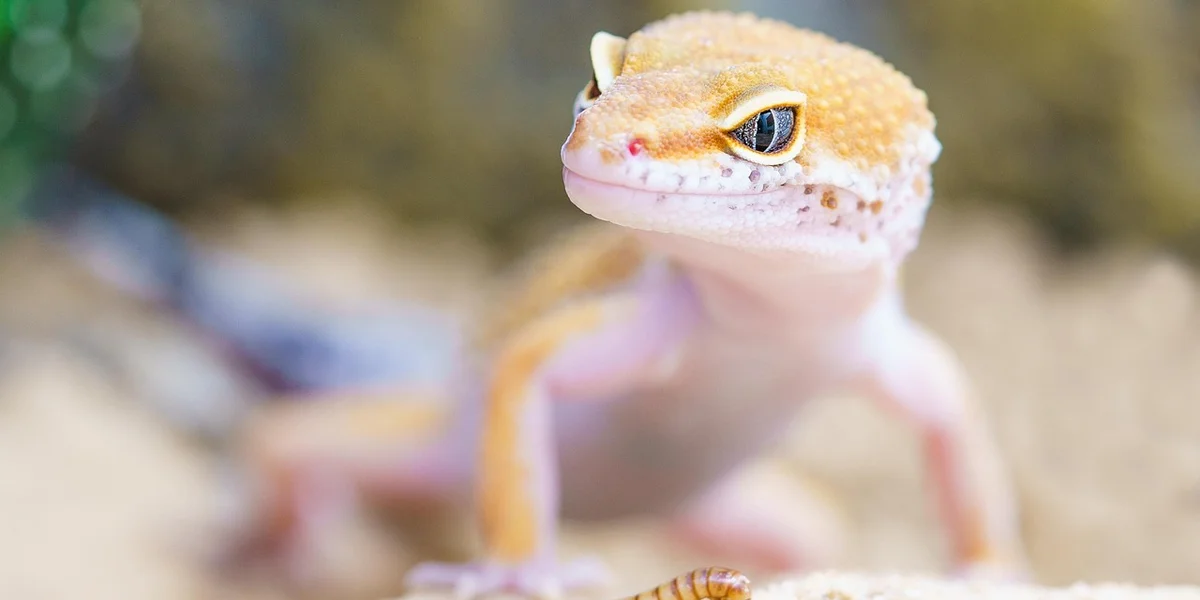
Optimal Enclosure Setup
Getting the environment right is your first and most powerful defense against digestive troubles. I learned this the hard way when my crested gecko, Jeter, became lethargic and refused food. His entire demeanor transformed once I dialed in the perfect temperature and humidity.
- Temperatures: Provide a clear heat gradient. A warm hide should sit between 88-92°F (31-33°C), while the cool end can be around 75-80°F (24-27°C). Nighttime drops are fine, but don’t let it fall below 70°F (21°C).
- Heating for Digestion: Leopard geckos need belly heat to power their metabolism. An under-tank heater connected to a thermostat is non-negotiable. Without that proper surface heat, their gut motility slows to a crawl, and food just sits there, undigested.
- Humidity: Aim for 30-40% ambient humidity. A moist hide filled with damp sphagnum moss or paper towel is essential for clean, successful sheds and overall hydration.
- Safe Substrates: Skip the loose particles. I use and recommend simple paper towel, slate tiles, or reptile-safe shelf liner. These are safe, easy to clean, and eliminate any risk of accidental ingestion.
Smart Feeding and Supplementation
What you feed, and how you feed it, makes all the difference. I’ve seen a direct link between sloppy feeding habits and upset gecko stomachs in my own colony. These issues are among the 9 common gecko feeding mistakes that compromise health. I’ll break them down and show you how to prevent them.
Creating a consistent and stress-free routine is the secret sauce to a gecko with a happy, healthy gut.
- Prey Size Limits: A good rule is to never offer a food item wider than the space between your gecko’s eyes. Large crickets or giant mealworms are a common choking and impaction hazard.
- Varied Diet: Rotate through different gut-loaded insects like crickets, dubia roaches, and black soldier fly larvae. Variety provides a broader range of nutrients and prevents picky eating.
- Dusting Insects: Every feeding should involve a light dusting. I alternate between a pure calcium supplement (without D3) for most feedings and a high-quality calcium + D3 and multivitamin powder once or twice a week.
- Health Checks & Weight: Get into the habit of a weekly weigh-in using a small digital scale. A sudden drop can signal a problem long before other symptoms appear. My gecko Babe’s chubby tail is a visual indicator of her good health.
- Stress-Free Feeding: Feed in the evening when they are naturally active. Use feeding tongs to prevent insects from hiding and bothering your gecko, and avoid handling them directly before or after a meal.
FAQs
Is vomiting in leopard geckos always a sign of illness?
Vomiting is never normal and always indicates an underlying health issue that needs attention.
What does it mean if my leopard gecko vomits blood?
Vomiting blood is a critical emergency that could indicate internal injury or severe infection, requiring immediate veterinary care.
Why does my leopard gecko throw up right after eating?
This is commonly caused by consuming prey that is too large, eating too quickly, or stress during feeding time.
Can I rely on advice from online forums like Reddit for treating my vomiting leopard gecko?
While online communities can offer support, professional veterinary advice is essential for accurate diagnosis and safe treatment.
Are there any safe home treatments for leopard gecko vomiting?
Initial steps like warm soaks and fasting can help, but persistent vomiting requires a vet’s intervention to address the root cause.
Keep Your Gecko’s Tummy Happy
When your leopard gecko vomits, your first steps are to identify the stressor and simplify their life. Always check your temperature gradients with a reliable thermometer, offer appropriately sized prey, and give them a quiet, secure environment to recover. From my experience, a bland diet of just a few small, gut-loaded crickets can often get a sensitive system back on track.
Being a great gecko owner means committing to lifelong learning about their unique needs. Their care can seem simple, but small details make a huge difference in their health and happiness. Keep observing, keep asking questions, and always advocate for the well-being of your scaly friend.
Further Reading & Sources
- r/geckos on Reddit: Leopard gecko threw up mealworms, but otherwise seems healthy.
- Leopard gecko – vomiting | Gecko Forums
- Why is My Leopard Gecko Throwing Up? Expert Answers & Solutions
The Gecko Guide is your ultimate resource for gecko enthusiasts, providing expert advice and practical tips to ensure the health and happiness of your scaly companions. Alexander is a passionate gecko owner with over a decade of experience in reptile care. We are dedicated to offering accurate, up-to-date information to support your gecko journey.Our mission is to foster a community of responsible gecko owners who are passionate about the well-being of these fascinating creatures.
Common Health Issues