
How to Properly Feed and Force Feed a Sick Leopard Gecko
Published on: January 15, 2026 | Last Updated: January 15, 2026
Written By: Alexander 'Gecko Geek' Johnson
Your leopard gecko has stopped eating, and the fear of watching it waste away is keeping you up at night.
I have been in your exact shoes with my own leopard gecko, Griffey, and I am here to help you navigate this stressful time with clear, compassionate advice.
You will walk away with three key insights:
- How to spot the subtle signs that your gecko is truly sick and not just being picky.
- The safe, step-by-step method for force feeding that minimizes stress for both of you.
- Alternative feeding strategies to try before you ever resort to force feeding.
You will get a simple, actionable plan. We will cover: recognizing illness, proper hydration, assisted feeding, force feeding steps, and recovery monitoring.
Recognizing the Signs of a Sick Leopard Gecko
You need to become a keen observer of your gecko’s daily habits and physical state. Early detection of illness can dramatically improve your gecko’s chances of a full and speedy recovery. I learned this firsthand with my leopard gecko, Griffey, whose energetic posing suddenly turned into him hiding all day and ignoring his favorite waxworms.
- Weight Loss: A thinning tail is a major red flag; a healthy leopard gecko stores fat there, and it should be plump.
- Lethargy: If your gecko stops exploring and just sits in one spot for days, it’s a sign something is wrong.
- Lack of Appetite: Refusing food for more than a few days is not normal behavior and warrants immediate attention.
- Sunken Eyes: This often indicates dehydration and is a clear visual cue of distress.
- Abnormal Droppings: Runny, discolored, or infrequent feces can point to internal issues.
Watching Griffey’s behavior shift from curious to completely withdrawn was my first clue that he needed help. Trust your gut-you know your pet’s normal routines better than anyone. Catching an issue early means simpler treatments and less stress for your scaly friend.
When Force Feeding Becomes Necessary for Your Gecko
Force feeding is a last-resort measure, not a first step. This intervention is only necessary when a gecko is in a downward spiral and cannot sustain itself. I had to make this difficult decision for Griffey after he lost significant weight and became too weak to hunt on his own.
- Prolonged Refusal to Eat: If your gecko hasn’t eaten anything for over a week and is losing weight, it’s time to consider assisted feeding.
- Rapid Weight Loss: A visibly shrinking tail and prominent hip bones signal that the gecko’s energy reserves are dangerously low.
- Extreme Weakness: When a gecko is too lethargic to even move toward food, it cannot recover without help.
Ethical care means never forcing food without professional input. You should always consult a reptile veterinarian before attempting to force feed your gecko. I would never attempt this on my crested gecko Jeter without a vet’s okay, as the stress could do more harm than good if the underlying cause isn’t addressed.
Assessing your gecko’s overall health is key. Check for other symptoms like stuck shed, mouth rot, or labored breathing to get a full picture for your vet. With Griffey, I combined the weight loss with his lack of activity to understand the severity, which guided our vet visit and subsequent care plan. This is part of the ultimate gecko health troubleshooting checklist—a step-by-step diagnostic guide you can use at home. It helps you prep for the vet and track progress over time.
Essential Supplies for Safe Force Feeding and Hydration
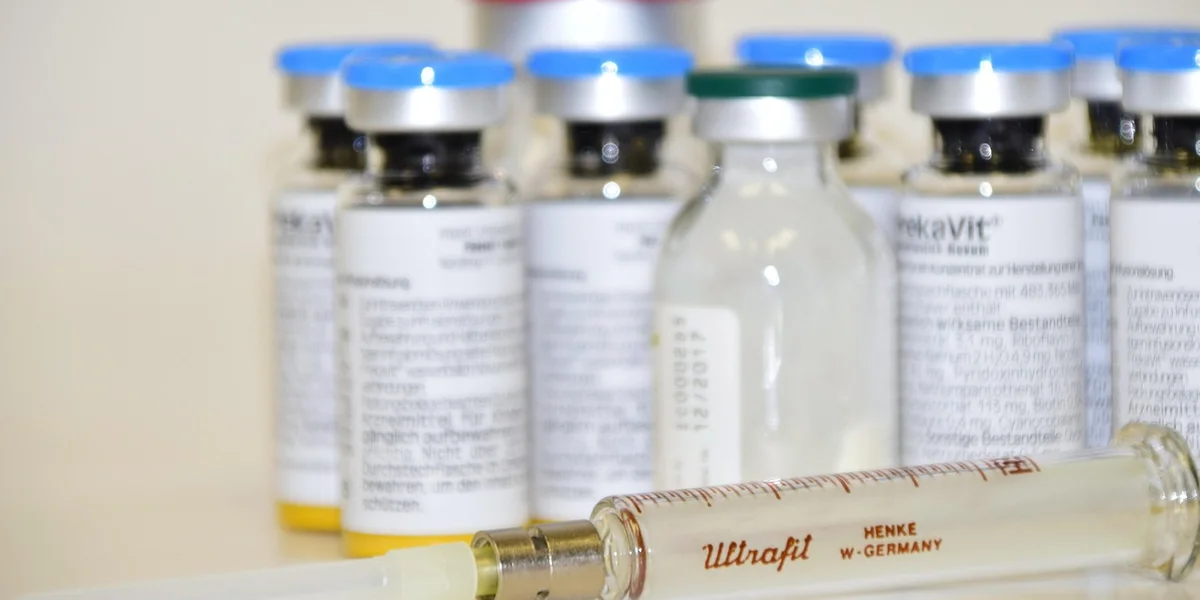
Gathering the right tools before you start is key to a smooth, low-stress experience for both you and your gecko. Having everything within arm’s reach prevents fumbling and keeps your gecko calm.
- Syringes: Use 1ml or 3ml oral syringes (no needles) for precise portion control. I always keep a few extras on hand.
- Rehydration Solutions: Commercial options like unflavored Pedialyte work well. For a homemade mix, I use a cup of water with a tiny pinch of table salt and a teaspoon of sugar.
- Soft-Tipped Tools: Cotton swabs or rubber-tipped feeding tools help gently guide the mouth open without causing injury.
- Feeding Formulas: Commercial critical care diets are excellent. My go-to homemade recipe is pureed chicken or insect-based baby food (ensure no onion or garlic) blended with a calcium plus D3 supplement and a reptile multivitamin.
- Handling Precautions: Work on a soft towel in a quiet room. Limit sessions to 5-10 minutes to prevent overwhelming your pet. I learned this the hard way with my gecko A-Rod, who gets stressed easily.
Step-by-Step Guide to Force Feeding Your Leopard Gecko
Preparing the Feeding Formula
Getting the consistency and nutrition right is half the battle. A smooth, slightly thick paste is ideal-it should drip slowly off the syringe.
- Mix a small spoonful of insect-based baby food or critical care powder with enough water or rehydration solution to form a slurry.
- Add a light dusting of calcium powder and a pinch of reptile multivitamin. I always do this for my gecko Babe, who needs that extra boost.
- If your gecko might transition back to live food soon, gut-load insects with high-quality greens and commercial diets beforehand. This ensures any insects offered later are packed with nutrients.
Proper Restraint and Syringe Feeding Technique
Gentle handling is non-negotiable for your gecko’s safety and trust. Move slowly and speak softly to keep your gecko as relaxed as possible.
- Wrap your gecko loosely in a small, soft cloth, leaving the head exposed. This mimics a secure hide and prevents sudden escapes.
- Use a moist cotton swab to gently stroke the side of the mouth until it opens. Never force it-patience is key.
- Insert the syringe tip just inside the mouth and depress the plunger slowly, allowing time to swallow. Offer tiny amounts, like 0.1ml at a time.
- For hydration, offer plain water or rehydration solution first if your gecko is dehydrated. I do this before every feeding with my gecko Mookie to ensure he’s well-hydrated.
Post-Feeding Care and Observation
What happens after feeding is just as important as the feeding itself. Watch your gecko closely for the next few hours to catch any issues early.
- Place your gecko back in its warm, quiet enclosure and monitor for signs of improvement like increased activity or interest in surroundings.
- Look for distress signals like regurgitation, labored breathing, or lethargy. If you see these, stop and consult a vet immediately.
- Clean all syringes and tools with warm, soapy water after each use. Store them in a dry, clean container to prevent bacterial growth. I make this a habit to keep my geckos healthy.
Supporting Recovery with Hydration and Enclosure Adjustments
Getting the temperature and humidity just right can make a huge difference in your gecko’s recovery. Leopard geckos rely on external heat to digest food and stay active, so a proper gradient is non-negotiable. Make sure to maintain the correct temperature range in your setup. Aim for a warm side around 88-92°F and a cool side near 70-75°F. I use an under-tank heater for Griffey’s warm spot and a digital thermometer to avoid guesswork. Humidity should hover between 30-40% to support healthy shedding-too dry, and they struggle; too damp, and respiratory issues can flare up.
Adjusting the enclosure setup can gently nudge your gecko back to eating on their own. Try placing food dishes in easy-to-reach, low-stress areas and add extra hides to make them feel secure. When Jeter was off his food, I moved his favorite hide closer to the feeding spot, and he started nibbling within days. Reduce loud noises and bright lights around the tank. Keep décor simple but enriching-too much clutter can overwhelm a sick gecko. For more tips, check out common feeding problems with geckos.
From my experience, a stress-free environment speeds up healing. I always position enclosures in quiet corners away from foot traffic and use soft, indirect lighting to mimic natural cycles. Handle your gecko minimally during recovery, and stick to a consistent daily routine. Small changes, like covering three sides of the tank with background paper, can make them feel hidden and safe. Your calm presence matters—speak softly near their space to build trust. That calm approach is an effective technique for stressed geckos. Environmental fixes—steady temperatures, secure hides, and reduced noise—can really support recovery.
Monitoring Your Gecko’s Health and Knowing When to Call a Vet
Watch for clear red flags that signal your home care isn’t enough. If your gecko shows no improvement after 3-5 days of assisted feeding or their weight drops steadily, it’s time to seek professional help. Early warning signs of illness in geckos can be subtle, so noting changes like lethargy or sunken eyes promptly is key. Recognizing these early signs helps you act before a minor issue becomes a serious illness. Other warning signs include persistent lethargy, sunken eyes, or discolored stools. I learned this the hard way when A-Rod’s condition worsened despite my efforts—prompt vet care turned things around.
Never skip a thorough medical exam and fecal analysis. Vets can detect hidden issues like parasites or infections that home observation misses. A simple fecal test saved Mookie from a nasty parasite outbreak last year. I always bring a fresh stool sample to appointments—it gives the vet a head start on diagnostics. Regular check-ups are a pillar of responsible gecko ownership. This is how you monitor your gecko’s health over time and catch issues early.
Have an emergency plan ready before you need it. Keep your exotic vet’s contact info visible and know their after-hours protocol. If your gecko stops moving, has trouble breathing, or refuses water, call immediately. Other urgent signs to watch for include sudden lethargy, significant weight loss, or a persistent refusal to eat—these indicate your gecko may need to see a vet immediately. Being aware of these signs helps you act quickly to protect their health. Post-visit, follow the vet’s instructions to the letter and schedule a follow-up. I track Babe’s weight and behavior in a journal to spot trends early. Your vigilance can be a lifesaver.
Preventing Future Illness Through Proper Feeding and Care
Getting a sick gecko back on track is a huge relief, but the real goal is to keep them thriving so you never have to go through that again. Consistency in their daily care is the ultimate shield against most common health problems. A big part of that prevention lies in habitat setup. Proper heat, humidity, lighting, and a clean enclosure can significantly reduce the risk of common gecko illnesses. I learned this the hard way with Griffey, my leopard gecko, after a minor scare early on.
Establish a Rock-Solid Feeding Routine
Leopard geckos are creatures of habit, and a predictable feeding schedule reduces their stress and supports a strong metabolism. However, many keepers encounter common feeding behavior issues such as picky eating or sudden refusals. Understanding these issues helps maintain a healthy appetite and metabolism.
- Juveniles (Under 1 Year): Offer an appropriate amount of small insects daily. They are growing machines and need the fuel.
- Adults (Over 1 Year): Feed them every other day or 2-3 times a week. Watch their tail thickness-a plump, carrot-shaped tail is a sign of good health.
- Prey Size Guideline: A good rule is to never offer a food item wider than the space between your gecko’s eyes. This prevents choking and impaction.
Become an Expert on Their Diet and Home
Your job as a gecko parent goes beyond just dropping bugs in a tank. A little knowledge makes all the difference.
- Gut-Loading is Non-Negotiable: Feed your crickets or dubia roaches nutritious foods (like carrots, sweet potato, commercial gut-load) 24-48 hours before feeding them to your gecko. You are what you eat, and so is your gecko.
- Habitat Hygiene: Spot-clean waste daily and do a full substrate change and decor cleaning monthly. A dirty tank is a breeding ground for bacteria and parasites.
- Temperature Gradients are Crucial: You must provide a warm side (88-92°F) for digestion and a cool side. An improper temperature is a top reason geckos stop eating.
Make Health Checks and Supplements a Habit
A few minutes of observation each week can help you catch a problem before it becomes an emergency.
- The Weekly Weigh-In: Use a small digital scale to track their weight. A sudden drop is your first red flag that something is wrong.
- Supplement Schedule: Dust insects with a pure calcium powder (without D3) at most feedings. Then, dust with a calcium powder that includes D3 and a multivitamin 1-2 times per week. This simple dusting routine prevents Metabolic Bone Disease, a devastating and common ailment.
- Visual Inspection: During handling, gently check their eyes, nose, vent, and skin for any discharge, stuck shed, or abnormalities.
FAQs
How often should I force feed my sick leopard gecko?
Force feed only as advised by your veterinarian, typically in small, infrequent sessions to minimize stress and allow for digestion.
What should I do if my gecko regurgitates after force feeding?
Stop force feeding immediately and contact a reptile vet to check for underlying health problems that may be causing the issue.
When is it safe to stop force feeding and let my gecko eat independently?
Discontinue force feeding once your gecko consistently shows interest in live prey and maintains a healthy weight without assistance.
Final Thoughts
The most vital lesson is to always consult a reptile veterinarian when your leopard gecko stops eating. Force-feeding is a temporary, last-resort measure, not a long-term solution. Use the gentlest methods possible, like a high-calorie paste, and always prioritize your gecko’s stress levels over getting a full meal into them. A complete leopard gecko diet feeding guide covers feeding schedules, prey types, gut-loading, and calcium/vitamin supplementation.
Caring for a sick pet is a profound responsibility that extends far beyond a single feeding. Your commitment to learning proper care, like reading this article, is what makes you a great gecko owner. Continue this journey of learning and observation, and you’ll give your scaly friend the best chance at a healthy, happy life.
Further Reading & Sources
- How to Force Feed a Leopard Gecko: Expert Advice & Tips
- How to safely force feed your Leopard Gecko! – YouTube
- r/leopardgeckos on Reddit: HELP! My leo is not eating even when i try to force feed him safely. He walks around the cage and bumps into the walls like he dosnt see them. His tail is very smaller because he hasnt eaten.
The Gecko Guide is your ultimate resource for gecko enthusiasts, providing expert advice and practical tips to ensure the health and happiness of your scaly companions. Alexander is a passionate gecko owner with over a decade of experience in reptile care. We are dedicated to offering accurate, up-to-date information to support your gecko journey.Our mission is to foster a community of responsible gecko owners who are passionate about the well-being of these fascinating creatures.
Gecko Nutrition & Feeding