
Arboreal vs. Terrestrial Geckos: Terrarium Setup Guide
Published on: January 18, 2026 | Last Updated: January 18, 2026
Written By: Alexander 'Gecko Geek' Johnson
Choosing the wrong type of terrarium for your gecko isn’t just an aesthetic mistake-it can seriously impact their health and happiness. I learned this the hard way when I first set up a tall, vertical tank for my leopard gecko, Griffey, only to realize he’s a ground-dweller who needed floor space to thrive.
I will help you get it right the first time by breaking down the three biggest differences in their habitat needs:
- Vertical height versus horizontal floor space
- Climbing structures versus ground-level hides
- Humidity and ventilation requirements
You will get clear, actionable advice to create a perfect home for your specific gecko. The article covers: terrarium orientation, substrate choices, heating and lighting placement, humidity control, and essential decor.
What Are Arboreal and Terrestrial Geckos?
Arboreal geckos are the tree-dwelling acrobats of the gecko world, spending most of their lives climbing and perching high up. Their specialized toe pads let them stick to vertical surfaces, making them natural-born climbers who thrive in elevated environments. In contrast, terrestrial geckos are ground-huggers who prefer staying close to the earth, often burrowing or hiding in low-lying spots. From my experience with Jeter, my Crested Gecko, he’s always scaling the highest branches like a tiny mountaineer, while Griffey, my Leopard Gecko, happily patrols the floor as if he owns the ground. Understanding this split helps you mimic their wild habitats right at home.
- Common Arboreal Species: Crested Geckos (like my calm Jeter), Gargoyle Geckos (such as playful Mookie), and Giant Day Geckos (including food-loving Babe). These species are known for their climbing skills and love of height.
- Common Terrestrial Species: Leopard Geckos (energetic Griffey is a prime example) and African Fat-Tailed Geckos (alert A-Rod fits this bill). They excel at ground-level exploration and often have sturdier builds for terrestrial life.
| Species | Type | Climbing Ability | Space Preference |
|---|---|---|---|
| Crested Gecko | Arboreal | Excellent; uses toe pads for vertical movement | Tall enclosures with height for climbing |
| Leopard Gecko | Terrestrial | Limited; prefers horizontal movement | Wide floor space for roaming |
| Gargoyle Gecko | Arboreal | Strong; enjoys leaping between perches | Vertical setups with branches |
| African Fat-Tailed Gecko | Terrestrial | Moderate; occasional low climbs | Ground-focused areas with hides |
| Giant Day Gecko | Arboreal | High; fast and agile in trees | Tall, spacious terrariums |
Terrarium Space and Dimensions
For arboreal geckos, think vertical-tall enclosures are a must to satisfy their climbing instincts. I learned this quickly with Mookie, my Gargoyle Gecko, who would leap between branches in a short tank and seemed frustrated until I upgraded to a taller one. To truly maximize vertical space for arboreal geckos, build a multi-level habitat with tiers, branches, and hanging features. A vertical, multi-tier layout keeps climbers active and satisfied. Terrestrial geckos, on the other hand, need ample floor space to roam and explore. Griffey’s Leopard Gecko setup includes multiple hides and open areas, letting him feel secure while he patrols his territory like a little sheriff. Getting the dimensions right prevents stress and supports natural behaviors.
- Enclosure Height vs. Floor Space: Arboreal species thrive in tanks that are taller than they are wide, such as 18x18x24 inches for adults. Terrestrial geckos do best in longer, lower enclosures like a 20-gallon long tank, which prioritizes ground area over height.
- Vertical Space Usage and Climbing Branches: Add sturdy branches, vines, and ledges for arboreal geckos to climb and rest on. For escape-proofing, use secure, locking lids and smooth interior surfaces to prevent adventurous climbers from slipping out.
- Minimum Size Recommendations: Start with at least a 10-gallon tank for juveniles, upgrading to 20 gallons or more for adults. Assess space needs by observing your gecko’s activity-if they’re constantly trying to climb walls or seem cramped, it’s time for a bigger home.
Climate Control: Temperature and Humidity
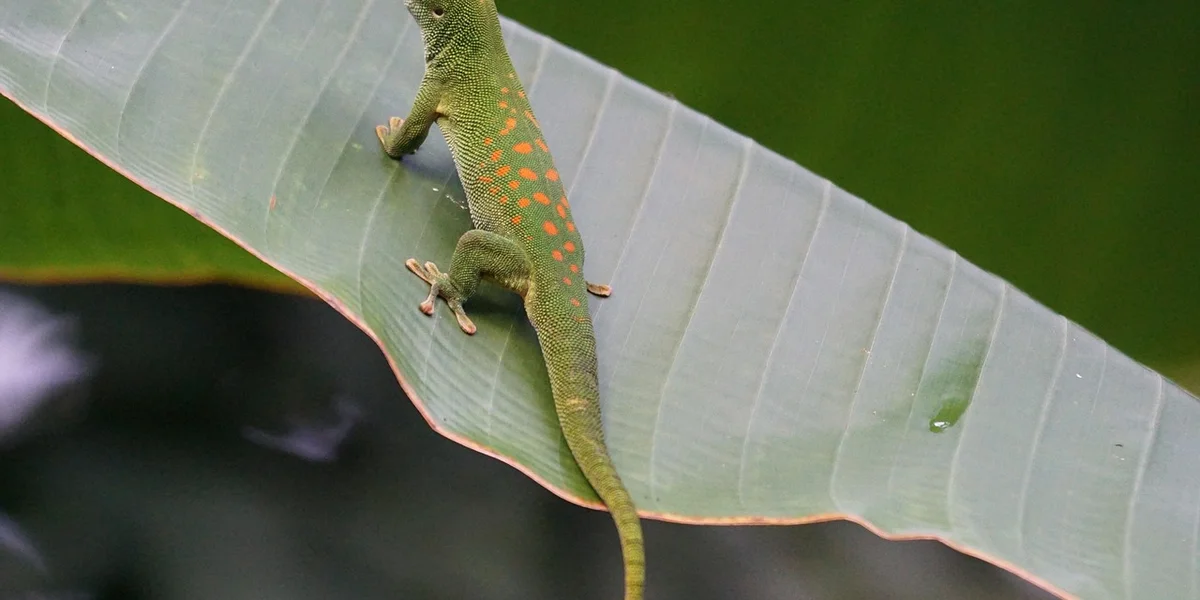
Getting the climate right in your gecko’s home is like setting the perfect thermostat for a picky houseguest—it keeps them healthy and happy. Arboreal geckos, like my Crested Gecko Jeter, thrive in taller enclosures with humidity levels around 60-80%, while terrestrial types, such as my Leopard Gecko Griffey, prefer drier conditions around 30-50%. Humidity works in conjunction with heating to support hydration and shedding. Together they help geckos thermoregulate by providing proper moisture and warmth. You must create distinct temperature zones so they can self-regulate their body heat.
For arboreal species, the basking spot should be higher up, around 80-85°F, with a cooler area below 70-75°F. Terrestrial geckos need a warm hide on the ground at 88-92°F and a cool side near 75°F. I learned the hard way with A-Rod, my African Fat-Tailed Gecko, that uneven heating can stress them out—always use a thermostat to avoid hotspots.
- Optimal Humidity: Arboreal (60-80%), Terrestrial (30-50%)
- Misting Schedule: Mist arboreal setups 1-2 times daily; terrestrial ones only 2-3 times weekly
- Ventilation: Use screen tops for arboreal tanks to prevent mold; terrestrial enclosures need less airflow
- Drainage: Add a false bottom or drainage layer to stop waterlogging, especially in humid arboreal setups
Common mistakes include over-misting terrestrial geckos, which can cause respiratory infections, or under-ventilating arboreal homes, leading to fungal growth. Good drainage isn’t just an option-it’s a must to keep your gecko’s environment safe and clean.
Lighting and UVB Requirements
Lighting does more than just brighten the tank – it supports your gecko’s overall well-being. UVB lighting helps geckos produce vitamin D3, which is vital for calcium absorption and preventing metabolic bone disease. This is the key connection to metabolic bone disease: UVB enables vitamin D3 synthesis, which lets calcium support strong bones. Inadequate UVB exposure increases the risk of MBD. Not all species need it equally; arboreal geckos often benefit more due to their natural sun exposure in the wild.
My Giant Day Gecko Babe basks under his UVB light every morning, mimicking his native habitat. For species like Crested or Gargoyle Geckos, low-level UVB (2-5%) can boost activity and coloration, even if they’re considered “crepuscular.” Terrestrial geckos, such as Leopard Geckos, may not require UVB if their diet is properly supplemented, but I’ve seen Griffey become more active with occasional access.
- Lighting Schedule: 10-12 hours of light daily, using timers for consistency
- Placement: Position UVB lights above arboreal perches or terrestrial basking spots, 6-12 inches away
- Alternatives: For naturalistic setups, combine LED plant lights with UVB to support live plants and gecko health
From my experience, here are species-specific tips to guide you:
- Crested Geckos (like Jeter): Use a low-wattage UVB bulb to avoid overheating; they enjoy dim, shaded areas too.
- Leopard Geckos (like Griffey): Optional UVB, but provide a heat mat for belly warmth instead of overhead basking lights.
- Gargoyle Geckos (like Mookie): They love climbing under gentle UVB-just ensure plenty of hiding spots to retreat.
- African Fat-Tailed Geckos (like A-Rod): Similar to Leopard Geckos; focus on ambient lighting rather than intense UVB.
- Giant Day Geckos (like Babe): Require strong UVB and bright light-they’re sun worshippers who need it to thrive.
Always monitor your gecko’s behavior; if they’re avoiding the light, adjust the intensity or placement to suit their comfort. Remember, lighting isn’t one-size-fits-all—tailor it to your pet’s specific needs for a vibrant, healthy life. For UVB, position the light to create a gradient over the basking area. Follow the manufacturer’s distance guidelines to ensure proper exposure in your gecko habitat.
Substrate and Enclosure Decor
Choosing the right floor covering is one of the most critical safety decisions you’ll make. Getting the substrate wrong can lead to serious health issues, so this is not a place to cut corners. I learned this the hard way with my first leopard gecko, Griffey.
Substrate Showdown: Flooring for Different Lifestyles
- For Terrestrial Geckos (like Leopard and Fat-Tailed Geckos): The priority is a dry, solid, and digestible-safe surface. My go-to is slate or ceramic tile. It looks great, is easy to clean, and files down nails naturally. Paper towel is a perfect, sterile option for quarantine tanks. A deep, packed layer of topsoil mixed with play sand (70/30 ratio) can work for experienced keepers wanting a more natural look.
- For Arboreal Geckos (like Crested and Gargoyle Geckos): The focus shifts to moisture retention for humidity and plant health. I use a layered, bioactive mix for my geckos, Jeter and Mookie. This involves a drainage layer, a soil separator mesh, and a thick substrate of coconut fiber, orchid bark, and sphagnum moss. This setup supports live plants and holds the humidity they need to thrive.
Furnishing the Perfect Pad: Hides and Climbing Structures
Think of your gecko’s terrarium as a functional piece of art. Every single item you add should serve a purpose, from security to exercise. To keep setup simple, follow an essential equipment checklist for your new gecko terrarium. It will help you choose the right heat source, hides, substrate, and humidity controls.
- Terrestrial Must-Haves: Provide at least three hides: a warm, moist hide on the heated end, a cool, dry hide on the opposite end, and a middle hide for general security. Low, sturdy branches and flat rocks for basking complete the setup. My gecko A-Rod loves rearranging his cork bark rounds.
- Arboreal Essentials: Think vertical! The entire height of the enclosure is usable space. Use a variety of cork bark tubes, bamboo shoots, and manzanita branches placed at different angles. My crested gecko, Jeter, has a magnetic ledge near the top that is his absolute favorite spot. Dense, broad-leafed plants like Pothos or Schefflera provide cover and drinking surfaces.
Building a Layered Substrate (The Arboreal Bioactive Method)
Creating a bioactive substrate is like building a lasagna for your gecko’s floor. A proper layered substrate prevents flooding, supports plant roots, and keeps the enclosure healthy. With a naturalistic bioactive substrate, you’re recreating a gecko’s wild home. It supports a thriving micro-ecosystem and encourages natural behaviors. Here’s how I do it for my arboreal tanks:
- Create the Drainage Layer: Add a 1-2 inch layer of expanded clay balls (LECA) or aquarium gravel to the very bottom of the empty tank. This is your reservoir for excess water.
- Add the Barrier: Place a fiberglass window screen or a specialized mesh cloth on top of the drainage layer. This prevents the soil from washing down and clogging the drainage area.
- Pour the Substrate: Add your main substrate mix on top of the barrier. For a 18x18x24 tank, I use a 3-4 inch deep layer. This gives plant roots room to grow and your clean-up crew space to live.
Step-by-Step Arboreal Terrarium Setup
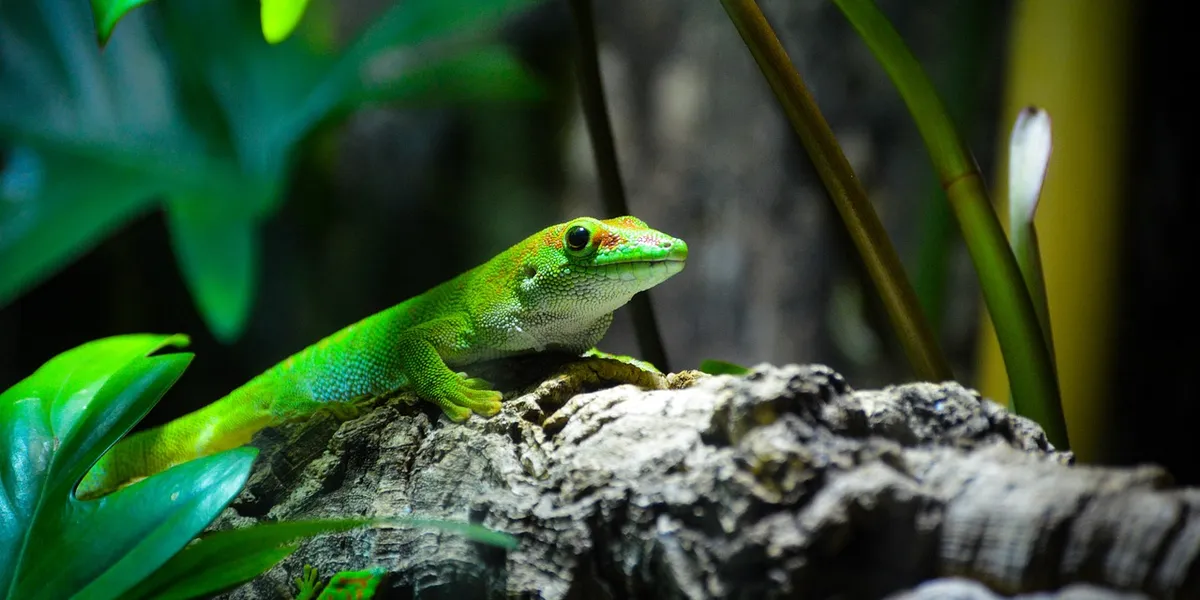
Setting up an arboreal home is an exciting project. Following a logical order saves you from having to redo work and ensures your gecko’s environment is perfect from day one. Let’s build from the ground up.
- Choose the Right High-Rise Enclosure. Glass front-opening terrariums are the gold standard. For a single Crested or Gargoyle gecko, an 18x18x24 inch tank is the modern minimum. Go bigger if you can! The height is non-negotiable. My Gargoyle gecko, Mookie, uses every inch of his tall tank for leaping.
- Build the Vertical Landscape. Before adding substrate, place your largest, most rigid background piece (like cork bark) and your main climbing branches. Anchor them securely to the glass or background. A wobbly branch is a dangerous branch. Then, add your substrate layers as described above. Finally, plant your live plants and add softer, bendable vines to fill in the gaps, creating a network of climbable paths.
- Install Vertical Hides and Feeding Ledges. Arboreal geckos need hides at all levels. Use magnetic or suction-cup ledges for food and water dishes high up. Attach coconut hides or cork bark rounds vertically on the walls. My gecko Babe, the Giant Day Gecko, has a specific bamboo hide he sleeps in every single night.
- Set Up Climate Control. Install your lighting and heating on the mesh top. A low-wattage basking lamp can create a sunbeam at the very top. For Crested and Gargoyle geckos, UVB lighting is a great benefit. Install a digital thermometer/hygrometer at the mid-level of the tank to monitor conditions. For misting, I use a hand sprayer twice daily to simulate rain and spike humidity.
- Conduct the Final Safety and Enrichment Check. Get down to your gecko’s eye level. Push and pull on every branch and decoration to ensure nothing can fall. Check for any sharp edges. Look for “dead ends” in the climbing paths and add a vine or branch to connect them. The goal is a secure, complex, and engaging environment that encourages natural behaviors.
Step-by-Step Terrestrial Terrarium Setup
-
Guide on selecting an enclosure with ample floor space.
For terrestrial geckos like my leopard gecko, Griffey, and my fat-tailed gecko, A-Rod, horizontal space is everything. Choose an enclosure that is wider than it is tall, with a minimum footprint of 20 gallons for one adult. A 36×18 inch floor space is a fantastic goal that gives them plenty of room to patrol and explore their territory, which is a core part of their natural behavior.
-
Steps for substrate layering, hide placement, and low climbing features.
Start with a simple, safe substrate layer. I use slate tiles or reptile carpet for my crew because it’s easy to clean and there’s no risk of impaction. Next, place at least three hides: one on the warm end, one on the cool end, and a humid hide in the middle for shedding. Strategic hide placement creates essential temperature and security gradients your gecko needs to thrive. Finally, add a few low, sturdy branches or cork flats. They won’t climb much, but a slight elevation gives them a better vantage point, which my gecko Griffey absolutely loves.
-
Instructions for heating, lighting, and maintaining humidity.
Terrestrial geckos need belly heat to digest their food properly. Use an under-tank heater (UTH) on one side of the tank, controlled by a thermostat to prevent burns. An unregulated heat mat is dangerous, so a thermostat is non-negotiable for your pet’s safety. They do not typically need special UVB lighting if their diet is supplemented correctly, but a simple day/night light cycle is beneficial. The color temperature of the lighting can influence gecko behavior and activity patterns. A cooler, daylight spectrum during the day supports activity and feeding rhythms, while warmer tones in the evening help them settle. Humidity should stay relatively low, around 30-40%, spiking only inside the moist hide when your gecko is ready to shed.
-
Advice on creating a secure and stimulating environment.
A secure gecko is a happy gecko. Ensure the lid is escape-proof and that decorations are stable and can’t topple over. For stimulation, I occasionally rearrange the tank décor. Providing a predictable routine with occasional, minor environmental changes prevents boredom and encourages natural behaviors. Watching A-Rod meticulously investigate his rearranged home is one of my favorite things.
Feeding, Hydration, and Daily Care
-
Diet varies wildly between common pet species, and getting it wrong can lead to serious health issues. My terrestrial insectivores, like Griffey and A-Rod, eat a staple of gut-loaded crickets and dubia roaches. My arboreal geckos, Jeter the crested and Mookie the gargoyle, thrive on a commercial powdered Crested Gecko Diet (CGD) mixed with water, supplemented with the occasional insect.
-
Feeding frequency changes with age. Juvenile terrestrial geckos need daily feeding, while adults do well eating every other day. Most arboreal geckos can have their CGD replaced every other day. Observing your gecko’s body condition is the best way to tailor their feeding schedule for a healthy weight.
-
Always provide a shallow, sturdy water dish for terrestrial geckos. For arboreal species, while a dish is good, they often prefer to drink water droplets from leaves. I mist my arboreal enclosures heavily in the evening to simulate rain, which prompts drinking and helps maintain humidity. All geckos need calcium and vitamin supplements dusted on their food.
| Species Type | Staple Diet | Feeding Frequency (Adult) | Key Hydration Method |
|---|---|---|---|
| Leopard & Fat-Tailed Geckos (Terrestrial) | Live Insects (crickets, roaches) | Every 2-3 Days | Shallow Water Dish |
| Crested & Gargoyle Geckos (Arboreal) | Crested Gecko Diet (CGD) & Insects | CGD every 2 days, insects 1-2x/week | Misting & Licking Droplets |
| Giant Day Gecko (Arboreal) | CGD, Insects, & occasional fruit puree | CGD daily, insects 2-3x/week | Misting & Licking Droplets |
## Common Questions
Can a terrestrial gecko adapt to an arboreal-style terrarium?
No, terrestrial geckos are not built for extensive climbing and will struggle to thrive in a tall, vertical enclosure designed for an arboreal species.
Is it safe to house different types of geckos together?
No, you should never house different gecko species together due to risks of stress, competition for resources, and potential injury or disease transmission. Many hobbyists wonder if different gecko species can live together, but compatibility is limited and the risks remain.
Can I convert a terrestrial tank into an arboreal one for a new gecko?
No, a tank designed for a terrestrial gecko lacks the necessary height and cannot be safely or effectively converted into a suitable arboreal habitat.
The Right Setup for Your Gecko
The single most important factor for your gecko’s health is matching its enclosure to its natural lifestyle. For terrestrial species like Leopard and Fat-Tailed geckos, invest in horizontal floor space, secure hides, and proper under-tank heating. For arboreal climbers like Crested and Giant Day Geckos, prioritize a tall terrarium packed with climbing branches and foliage. Consider whether a horizontal or vertical terrarium best matches your gecko’s natural habits. This orientation can significantly affect activity levels and comfort.
Your commitment to learning doesn’t end once the terrarium is built. I’ve found the most rewarding part of keeping my crew happy is continuously observing their behaviors and tweaking their homes for even more enrichment. Stay curious, keep researching, and always advocate for the highest standard of welfare for your scaly friend.
Further Reading & Sources
- Are Crested Geckos Arboreal or Terrestrial Animals?
- HabiStat 24″ Glass Terrariums – ReptiChip LLC
- Arboreal Lizards: Top 6 Tree-Dwellers for Your Collection
The Gecko Guide is your ultimate resource for gecko enthusiasts, providing expert advice and practical tips to ensure the health and happiness of your scaly companions. Alexander is a passionate gecko owner with over a decade of experience in reptile care. We are dedicated to offering accurate, up-to-date information to support your gecko journey.Our mission is to foster a community of responsible gecko owners who are passionate about the well-being of these fascinating creatures.
Enclosure Types & Sizing