
Why Is My Gecko Not Moving? Emergency Signs to Watch For
Published on: February 3, 2026 | Last Updated: February 3, 2026
Written By: Alexander 'Gecko Geek' Johnson
You’ve noticed your gecko is unusually still, and that sudden quiet can send a wave of panic through any reptile owner. I’ve been there, watching one of my own geckos with a sinking feeling, wondering if their stillness is normal or a sign of a crisis.
I’m here to help you figure it out. We will walk through the common reasons for this behavior and highlight the true red flags. By the end of this article, you will know:
- How to tell the difference between normal rest and a potential emergency.
- The specific physical and behavioral signs that mean you need to act fast.
- The practical, immediate steps you can take to help your pet.
You will get clear, actionable advice based on both established reptile care science and my own lived experience with my geckos. The article covers: normal behavior vs. warning signs, brumation, temperature issues, impaction, dehydration, injury, and stress.
Is It Normal for Geckos to Stay Still?
Geckos often stay perfectly still for hours, and that can be totally normal behavior. Many gecko species are crepuscular or nocturnal, meaning they are most active during dawn, dusk, or night, so daytime stillness is common. These activity patterns—nocturnal, diurnal, or crepuscular—shape when geckos are most active. Understanding your gecko’s specific rhythm helps tailor lighting, feeding, and handling to match their natural cycle. My leopard gecko Griffey will proudly bask under his lamp without moving a muscle, almost like he’s posing for a photo.
Normal Gecko Behavior List
Here are typical reasons your gecko might be stationary:
- Sleeping or Resting: Just like us, geckos need their beauty sleep, especially during the day.
- Thermoregulating: They stay under a heat source to warm up or in a cool hide to lower their body temperature.
- Digesting a Meal: After eating, they often find a cozy spot to rest and process their food.
- Observing Their Surroundings: Geckos are curious and will stay still to watch what’s happening around them.
- Natural Camouflage: Staying motionless helps them blend into their environment and feel safe from predators.
My crested gecko Jeter will perch on the highest branch for hours, calmly watching the room. This kind of stillness is a sign of a content and healthy gecko.
When Stillness Becomes a Concern
You should start to worry if the stillness is paired with other symptoms. If your gecko is not moving for an unusually long time, especially if it’s in an awkward position or not responding to gentle stimuli, it’s a red flag. I once noticed A-Rod, my fat-tailed gecko, wasn’t moving from his hide for two days and had stopped eating, which was very out of character for him. Watch for signs like sunken eyes, weight loss, or labored breathing. Any sudden change in normal behavior warrants a closer look and possibly a vet visit.
Common Reasons Your Gecko Isn’t Moving
When your gecko’s lack of movement isn’t normal, it’s usually tied to a specific problem in their care or health. Pinpointing the cause quickly can make all the difference for your pet’s well-being. When a leopard gecko won’t move, common culprits include improper temperatures, dehydration, and illness, so checking these areas should be your first step.
Temperature and Humidity Problems
Geckos are ectotherms, relying on their environment to control their body temperature. If the terrarium is too cold, your gecko can become lethargic and unable to move properly. I had to quickly fix Mookie’s setup when I found him sluggish because his heat lamp had failed. Conversely, high humidity can lead to respiratory infections. Always use a reliable thermometer and hygrometer. Maintaining the right gradient from a warm basking spot to a cooler area is non-negotiable for their activity levels. Humidity and heating don’t work in isolation—they must be balanced as part of a unified microclimate. The role of humidity in conjunction with heating is to support activity, shedding, and respiratory health in geckos.
Shedding Issues
Stuck shed, especially around the toes, tail, or eyes, can be painful and cause your gecko to hide and stay still. My gargoyle gecko Mookie once had a bad shed that made him refuse to climb, so I helped him with a warm, moist hide. If you suspect a stuck shed, here’s a simple step-by-step guide to safely assist your gecko. Signs of shedding trouble include dull skin, frequent rubbing, or retained patches of old skin. Providing a humid hide and proper hydration can prevent most shedding problems before they start. Keep sessions gentle, avoid pulling, and monitor hydration and humidity as you go.
Illness and Parasites
Internal parasites or infections can sap your gecko’s energy and cause lethargy. Watch for symptoms like weight loss, runny droppings, or a swollen belly, which are clear signs something is wrong. Babe, my day gecko, once stopped moving much and lost his appetite; a vet visit revealed a parasitic infection that needed treatment. Always quarantine new geckos and get a fecal exam done annually to catch issues early. These preventive measures address common health problems pet geckos face, helping them stay active and healthy. With proper nutrition and enclosure care, many issues can be prevented. Common illnesses include metabolic bone disease from poor nutrition or impaction from eating substrate.
Stress or Shock
Geckos are sensitive to changes in their environment. Loud noises, frequent handling, or a new tank setup can cause stress that makes them freeze up. When I first brought Jeter home, he stayed in one spot for days until he acclimated. Shock from a sudden temperature drop or injury can also cause immobility. Give your gecko a quiet, stable environment with plenty of hides to help them feel secure and reduce stress-induced stillness. Minimize handling during these times and ensure their habitat mimics their natural one as closely as possible. Calming a stressed gecko is key to helping them settle in.
Emergency Signs: When to Worry Immediately
Physical Red Flags
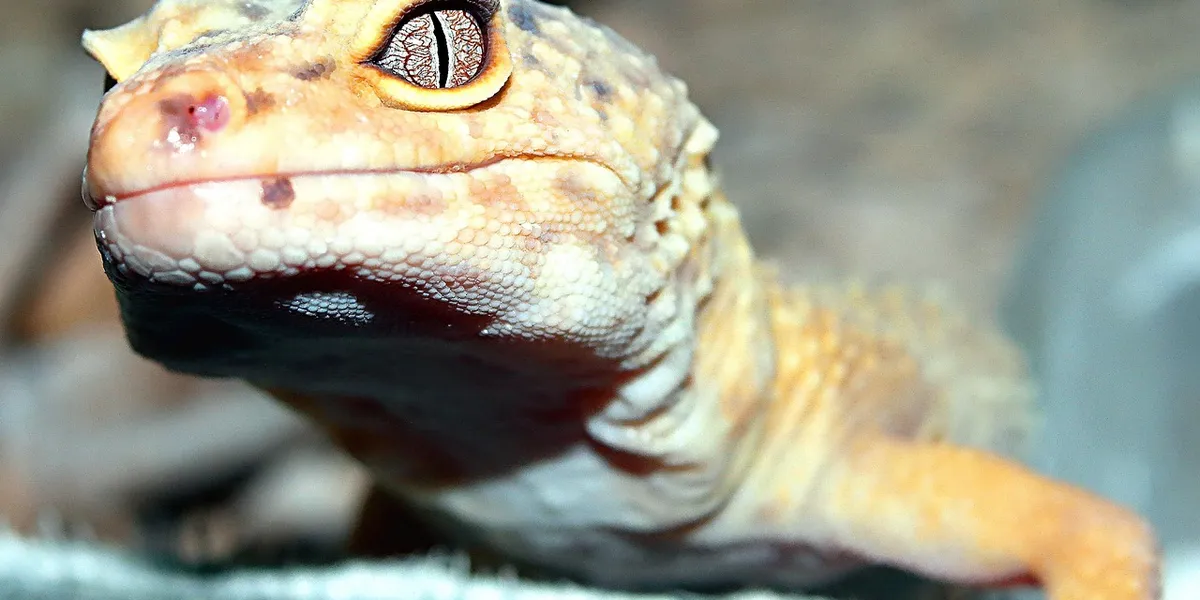
Your gecko’s body will often tell you the most urgent story. Look for these critical physical signs that demand immediate attention. If you spot any of these red flags, your gecko may need to see a vet right away. Don’t hesitate to seek professional care if symptoms worsen or persist.
- Sunken Eyes: This is a classic and serious sign of severe dehydration. My leopard gecko, Griffey, once had slightly dull eyes, and it was my first clue he wasn’t drinking enough.
- Sticky Mucus around the Mouth or Nostrils: This can indicate a respiratory infection, which can quickly become fatal.
- Visible Injury or Bleeding: Any open wound, limp, or inability to use a limb is a clear emergency.
- Pale, Grayish, or Blackened Skin: This is not normal shedding. It can signal necrosis, severe infection, or circulation issues.
- A Severely Wrinkled or Thin Tail: In species like Leopard Geckos, the tail is a fat store. A skinny tail means your gecko is starving.
- Labored Breathing: If their sides are heaving or you hear clicking or wheezing sounds, they are in respiratory distress.
Trust your gut-if your gecko looks “wrong” or “off” in a way that worries you, it is better to seek help immediately than to wait.
Behavioral Warning Signals
Behavior changes are your gecko’s primary way of communicating that something is wrong. Do not dismiss these signals.
- Lethargy Lasting More Than 48 Hours: All geckos have lazy days, but prolonged inactivity, especially outside their normal sleep cycle, is a major red flag.
- Consistently Hiding in a Cool Spot: A healthy gecko will thermoregulate by moving between warm and cool areas. Staying only in the cool end often means they are too weak to move or are trying to lower a fever.
- Lack of Response to Gentle Stimulation: If a gentle nudge or the offer of their favorite food doesn’t get any reaction, they are likely very weak.
- Twitching, Stargazing (head arched back), or Loss of Balance: These neurological symptoms can point to metabolic bone disease or other critical illnesses.
- Consistent refusal of food for over a week (for adults) or a few days (for juveniles).
My crested gecko, Jeter, is normally calm, but when he was ill, his stillness had a different, more profound quality-it was the stillness of sickness, not peace.
Immediate Steps to Take If Your Gecko Isn’t Moving
Check Environmental Conditions
Your first move is to rule out simple environmental failures. I keep a digital thermometer/hygrometer in each of my tanks for this exact reason.
- Verify Temperatures: Check the basking spot and the cool end with a reliable digital thermometer. Is the heat mat or lamp working? Is it too hot or too cold?
- Check Humidity Levels: Is the humidity within the ideal range for your species? Too low can cause shedding issues; too high can cause respiratory infections.
- Look for Hazards: Check for any sharp décor, loose substrates that could cause impaction, or other physical dangers in the enclosure.
A quick environmental check takes only minutes but can instantly reveal the root of the problem, like a failed thermostat or a spilled water bowl.
Assess for Dehydration or Injury
If the environment is perfect, your focus shifts directly to the gecko’s physical state. Handle them gently and minimally.
- The Skin Pinch Test: Gently pinch a small fold of skin on their side or back. If it does not snap back into place immediately, your gecko is dehydrated and needs fluids.
- Oral Check: Look inside their mouth if you can do so safely. Pale gums or sticky saliva are bad signs. Do not force this if it causes stress.
- Gentle Palpation: While supporting their whole body, gently feel their limbs, spine, and belly for any unusual lumps, bumps, or areas that seem painful.
- Offer a Sauna: Create a shallow, warm (not hot) sauna with a damp paper towel in a small container with air holes. This can help with hydration and may stimulate a bowel movement.
Finding the cause is a process of elimination, and your calm, methodical approach is your gecko’s best chance while you prepare to contact a vet. The ultimate gecko health troubleshooting checklist, a step-by-step diagnostic guide, helps you stay organized and thorough. Use it to document symptoms, environment, and routines before you visit the vet.
Preventing Lethargy with Proper Gecko Care
Optimal Enclosure Setup
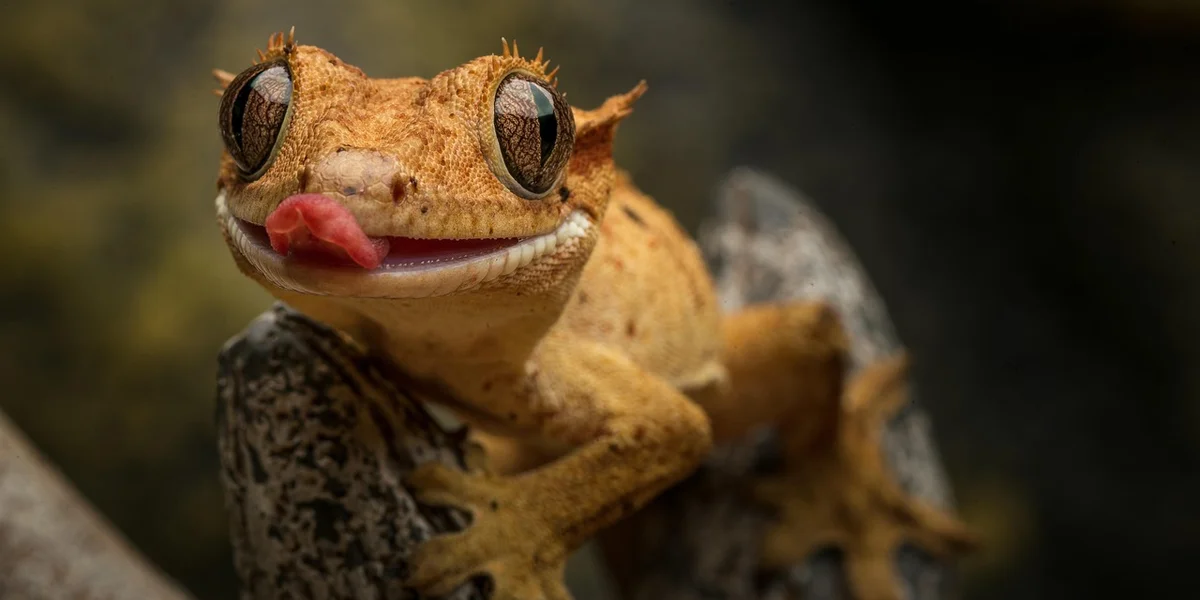
A gecko’s home is their entire world, and getting it wrong is a fast track to a lethargic pet. I learned this the hard way when my crested gecko, Jeter, became sluggish after I mistakenly set up his tank with only one temperature zone. Creating a proper temperature gradient is non-negotiable for their metabolism and energy levels. To achieve a perfect gradient, design the enclosure with a clearly warmer zone on one side and a cooler retreat on the other. This lets your gecko regulate its body temperature and stay active and healthy.
- Heat & Light: Provide a basking spot using an under-tank heater or a low-wattage heat lamp. Always use a thermostat to prevent burns. A day/night cycle is crucial, so avoid bright lights at night.
- Humidity & Hydration: Mist the enclosure daily to maintain species-specific humidity levels. Always have a shallow water dish with fresh, clean water available.
- Hides & Security: Offer at least two hides-one on the warm end and one on the cool, moist end. Feeling exposed causes immense stress, which leads directly to stillness and hiding.
- Substrate Safety: Avoid loose, particulate substrates like sand, especially for juveniles. I use paper towel, slate tile, or reptile carpet for my crew to prevent any risk of impaction.
Diet and Health Monitoring
What you feed your gecko is the fuel that powers all their wonderful, weird antics. My giant day gecko, Babe, will do just about anything for a repashy treat, but a poor diet quickly turns him from a vibrant green acrobat into a lump on a leaf. A balanced, supplemented diet is your first line of defense against nutritional deficiencies that cause weakness.
- Gut-Loading & Supplementation: Never feed plain insects. “Gut-load” feeder insects with nutritious greens and powders for 24-48 hours before feeding. Dust all insects with a high-quality calcium supplement (with D3 for most species) and a multivitamin weekly.
- Observe Eating Habits: Watch your gecko eat. Are they striking accurately? Are they interested at all? A sudden lack of appetite is a massive red flag.
- Regular Weigh-Ins: I keep a small kitchen scale and weigh my geckos monthly. A steady, gradual weight loss is easy to miss but signals a serious underlying issue.
- Waste Inspection: Check their droppings. Well-formed droppings with a white urate are a sign of a healthy, hydrated gecko. Runny, discolored, or absent droppings mean trouble.
When to Seek Veterinary Care
Signs You Need an Emergency Vet
While some stillness is normal, certain signs mean you need to stop reading blogs and start calling a reptile vet. I had a scary night with my leopard gecko, Griffey, that taught me to never hesitate. If your gecko is limp, unresponsive, or has labored breathing, this is a critical emergency requiring immediate professional help.
- Limpness and Lack of Righting Reflex: Gently turn your gecko on its back. A healthy gecko will immediately try to flip over. A limp gecko that does not right itself is in severe distress.
- Visible Physical Injury: Obvious wounds, bleeding, or a dropped tail that won’t stop bleeding need immediate attention to prevent infection and shock.
- Prolonged Lack of Appetite: An adult gecko refusing all food for over 10-14 days, or a juvenile for more than 5-7 days, is a major concern, especially if paired with weight loss.
- Neurological Symptoms: Stargazing (head tilted back), circling, twitching, or seizures are serious signs of potential neurological disease or toxicity.
- Swelling or Lumps: Any noticeable swelling around the jaw (indicating mouth rot), body, or limbs could signal infection, metabolic bone disease, or internal issues.
Common Questions
How often should I handle my gecko?
Limit handling to a few short sessions per week to minimize stress, which is a common cause of stillness.
What is the safest substrate to use in my gecko’s enclosure?
Paper towel, slate tile, or reptile carpet are the safest choices to prevent impaction, a leading cause of lethargy.
How frequently should I clean my gecko’s habitat?
Perform spot-cleaning daily and a full enclosure cleaning monthly to prevent bacterial growth that can lead to illness and lethargy.
Final Words
When your gecko isn’t moving, your first step is always to check for immediate danger signs like labored breathing, visible injury, or a limp body, and then assess their habitat’s temperature and humidity. Early warning signs of illness in geckos can be subtle. Watch for a sudden drop in activity, changes in appetite, or unusual shedding. If anything seems off, don’t wait—contact a reptile-savvy veterinarian immediately, as early intervention is often the difference between a quick recovery and a tragic outcome.
Being a proactive and observant keeper is the single best thing you can do for your scaly friend’s long-term health and happiness. Their well-being is a direct reflection of your care, so I encourage you to never stop learning and refining your husbandry practices.
Further Reading & Sources
- 4+ Main Leopard Gecko Dying Signs | Terrarium Quest
- Amazon.com: SmartCows Leopard Gecko Metal Sign 8 X 12 Inches – Lizard Warning Sign : Home & Kitchen
- Is Your Leopard Gecko Sick? Expert Answers to Common Questions
The Gecko Guide is your ultimate resource for gecko enthusiasts, providing expert advice and practical tips to ensure the health and happiness of your scaly companions. Alexander is a passionate gecko owner with over a decade of experience in reptile care. We are dedicated to offering accurate, up-to-date information to support your gecko journey.Our mission is to foster a community of responsible gecko owners who are passionate about the well-being of these fascinating creatures.
Gecko Health