
What Do Gecko Eggs Look Like? Your Visual Guide
Published on: April 8, 2026 | Last Updated: April 8, 2026
Written By: Alexander 'Gecko Geek' Johnson
Finding a clutch of tiny eggs in your gecko’s terrarium can be a moment of pure panic or pure excitement, and honestly, I’ve been in both camps. You’re probably staring at them, wondering if they’re fertile, what species they’re from, and what on earth you’re supposed to do next.
Don’t worry, I’m here to help you become an egg-spert. We’ll break down exactly what to look for. By the end of this guide, you’ll be able to identify key characteristics with confidence.
Here are the main takeaways we will cover:
- How to tell the difference between fertile and infertile eggs across various species.
- The distinct size, shape, and color of eggs from common pet geckos.
- The crucial handling and incubation steps you need to know right now.
You will get clear, actionable advice based on my years of breeding geckos like my calm Crested Gecko, Jeter, and my energetic Leopard Gecko, Griffey. This page features a step-by-step guide to breed leopard geckos successfully. You’ll find clear, practical steps and tips to get started and move toward success.
We will cover: Leopard Gecko, Crested Gecko, African Fat-Tailed Gecko, Gargoyle Gecko, Giant Day Gecko.
Gecko Egg Basics: Size, Shape, and Texture Explained
Before we get into the specifics, let’s cover the universal features. Most gecko eggs are not what you’d expect from a bird. They are generally small, often the size of a large jellybean or a small grape. The shape is almost always a perfect, slightly elongated oval, which helps prevent them from rolling away in their natural environment.
The texture is where things get really interesting. Instead of a hard, brittle shell, most gecko eggs have a soft, leathery, and somewhat flexible surface. You can gently press on them, and they will give a little. I’ve candled many of my geckos’ eggs over the years, and this leathery texture is a key sign of health.
When first laid, the eggs will feel a bit soft and may even be slightly sticky. This initial softness is completely normal and allows the embryo to start developing properly, with the shell firming up over the next 24 hours. The color is typically a stark, opaque white, which helps you see the vital signs inside.
Visual Identification Guide by Common Pet Gecko Species
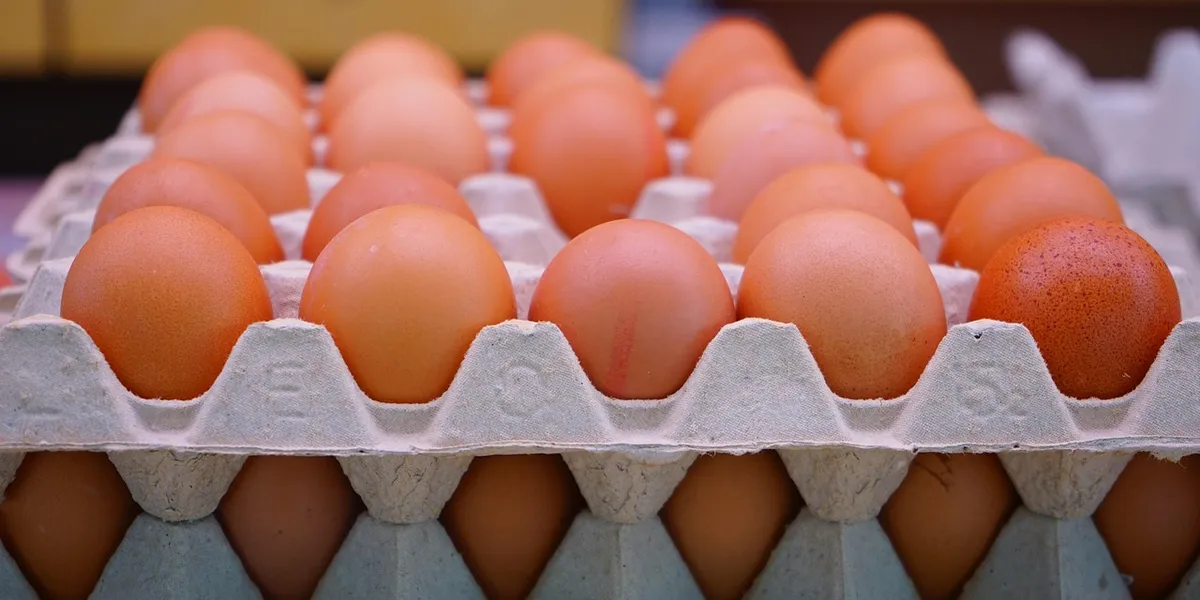
While all gecko eggs share some similarities, the differences between species are what you need to know. Identifying them correctly is your first step to providing the right care. Here’s a breakdown based on my own experiences with my crew.
Leopard Gecko Eggs
My leopard gecko, Griffey, has produced many clutches. Leopard gecko eggs are some of the most recognizable. They are typically about the size and shape of a Tic Tac, but double the length, with a distinct, sturdy leathery shell. They are always bright, chalky white when laid.
A fascinating feature is that the temperature at which you incubate them can determine the sex of the hatchling! Warmer temperatures (88-90°F) typically produce males, while cooler ones (80-82°F) produce females. You must be very careful not to rotate the eggs after they are laid, as this can drown the embryo.
Crested Gecko Eggs
My calm Crested Gecko, Jeter, is a prolific egg-layer. Crested gecko eggs are noticeably different. They are smaller and more rounded than leopard gecko eggs, resembling a small, white gumdrop. The shell is exceptionally soft and sticky when first laid, often causing substrate to cling to them. These geckos originate from the humid forests of New Caledonia, where they live high in the trees. Their arboreal lifestyle reflects adaptations suited to that native habitat.
I always provide a dedicated lay box filled with moist sphagnum moss for Jeter. This gives her a safe, humid place to bury her eggs, which is her strong instinct. Finding two perfectly round, white eggs in the moss is always a thrill.
African Fat-Tailed Gecko Eggs
A-Rod, my African Fat-Tailed Gecko, is more secretive about her eggs. Their eggs are very similar to their leopard gecko cousins but with a slight twist. They share the same oval, leathery characteristics but are often just a hair smaller and can sometimes have a slightly more pinkish or off-white hue when first laid.
They require similar incubation conditions-warm and humid. I’ve found A-Rod’s eggs to be a bit more delicate, so I handle them with extra care when moving them to the incubator.
Gargoyle Gecko Eggs
My playful Gargoyle Gecko, Mookie, lays eggs that are a near twin to crested gecko eggs. You’re looking for a small, round, and very white egg with that classic soft, pliable shell. They are almost perfectly spherical.
The main difference I’ve noticed is that Gargoyle Gecko eggs can be a bit more robust and less “soggy” feeling right after being laid compared to a crested gecko’s. Like cresties, they absolutely must be incubated on a moist medium like vermiculite or perlite to prevent them from drying out and collapsing. These points feed into the broader crested gecko vs gargoyle gecko key differences and similarities people look at when choosing between them. Beyond incubation, you’ll notice differences in appearance, size, and behavior.
Giant Day Gecko Eggs
Now, Babe Ruth, my Giant Day Gecko, breaks the mold entirely. Giant Day Gecko eggs are hard-shelled! Unlike the leathery eggs of other species, these have a rigid, calcified shell much like a tiny bird’s egg. They are usually a bright, pure white.
The most unique habit is that they glue their eggs to a surface. I once found a clutch firmly attached to the side of a hollow bamboo hide. You should never attempt to remove them, as you will break them. You just have to wait for the babies to hatch right there in the enclosure.
How to Spot and Handle Gecko Eggs in Your Terrarium
Finding gecko eggs feels like a treasure hunt in your own home. You will often spot them in moist, hidden areas of the terrarium, like under a favorite hide or buried slightly in the substrate. They are usually small, white, and have a soft, leathery shell that gives a little when gently pressed.
My crested gecko Jeter laid her first clutch tucked behind a large plant. Regularly check these cozy spots, especially if your gecko has been digging or acting restless. Use a small, soft-bristled brush to gently clear away substrate if you suspect eggs are buried.
Your Step-by-Step Spotting Guide
- Observe your gecko’s behavior for digging or frequent hiding.
- Inspect damp hides and under décor with a flashlight.
- Look for pairs of small, oval shapes about the size of a jellybean.
Handle any eggs you find with extreme care. I use clean, damp hands or soft tweezers to avoid transferring oils or bacteria onto the delicate shells. Never rotate the eggs, as this can drown the developing embryo inside. If you must move them, mark the top with a pencil first.
Safe Handling Practices
- Wash your hands thoroughly before touching eggs.
- Support the entire egg when lifting-don’t pinch.
- Place them in an incubation container in the same orientation you found them.
From my African fat-tailed gecko A-Rod, I learned that some species are secretive layers. Patience is your best tool; disturbing the terrarium too much can stress your pet and risk the eggs. Always prioritize the gecko’s comfort over your curiosity.
Incubating Gecko Eggs: A Simple Care Guide
Once you have eggs, the real work begins. Successful incubation hinges on maintaining steady temperature and humidity levels specific to your gecko species. I use a simple plastic container with ventilation holes filled with moist vermiculite or perlite as an incubator for my leopard gecko Griffey’s eggs. Following the ultimate gecko egg incubation guide, you tailor temperature, humidity, and substrate to each species. Getting these trio right is what really drives successful hatching.
Temperature determines the sex for many species, like leopard geckos. Warmer temps around 88-90°F often produce females, while cooler ranges around 80-82°F yield males. Keep a reliable thermometer in your setup to avoid fluctuations that can harm development. This is especially crucial when you’re incubating leopard gecko eggs for males or females.
Easy Incubation Setup in 4 Steps
- Choose a small container with a lid and poke air holes for ventilation.
- Add a damp incubation medium like vermiculite-it should feel like a wrung-out sponge.
- Gently place eggs inside, ensuring they don’t touch each other or the container walls.
- Set the container in a warm, stable location or a dedicated incubator.
Humidity is just as critical as heat. Check the medium every few days to ensure it stays moist but not waterlogged, which can cause mold. My gargoyle gecko Mookie’s eggs thrived when I misted the container lightly every week.
Candling eggs with a small flashlight in a dark room after a week or two can reveal veins and movement. This non-invasive check lets you monitor viability without risking the clutch. If an egg turns yellow or collapses, remove it promptly to protect the others.
Key Factors for Healthy Hatchlings
- Consistent temperature without sudden changes.
- Humidity levels between 70-80% for most species.
- Minimal handling and a calm environment to reduce stress.
My giant day gecko Babe taught me that some eggs hatch faster than others. Incubation can take 45 to 90 days, so keep a simple log to track progress and spot issues early. Incubation timelines vary by species, as described in this resource, so how long it takes to hatch isn’t the same for every gecko. Temperature and humidity can shift that window. Proper care rewards you with the incredible sight of tiny geckos emerging ready for the world.
Troubleshooting Common Gecko Egg Issues
You’ve found eggs in the terrarium-exciting, but now what? I’ve had my share of heart-pounding moments with my geckos’ eggs. When Jeter, my Crested Gecko, laid her first clutch, I noticed one egg looked shriveled and discolored. Spotting problems early can mean the difference between healthy hatchlings and disappointment. Let’s tackle the most frequent issues head-on. For anyone juggling leopard gecko and crested gecko eggs, you’ll notice key differences in appearance and care that matter for incubation. Understanding these differences can help you tailor your approach and spot problems before they become serious.
Is the Egg Fertile or Infertile?
Candle the egg gently with a small flashlight in a dark room after a week of laying. Fertile eggs show veining or a pinkish glow; infertile ones stay clear or yellowish. Infertile eggs often collapse or grow mold, so remove them promptly to protect the rest. I learned this the hard way when an infertile egg from my Leopard Gecko Griffey’s clutch spoiled the incubation medium.
- Fertile signs: Veins visible, firm shell, uniform color
- Infertile signs: No veins, slimy texture, odd smell
- Action: Keep fertile eggs in stable incubation; discard infertile ones to prevent bacteria spread
Dealing with Mold or Fungus
Mold looks like fuzzy white or green spots and thrives in damp conditions. If it’s superficial, dab it lightly with a antifungal solution like diluted betadine. Mold often means the egg is non-viable, but quick action can save others in the clutch. My Gargoyle Gecko Mookie’s eggs once got too humid, and I had to adjust the vermiculite mix to fix it.
- Check humidity levels-aim for 80-90% for most species
- Use sterile incubation substrates like perlite or vermiculite
- Isolate moldy eggs to avoid contaminating the entire setup
Eggs Not Developing or Hatching
If eggs stall, temperature swings are a common culprit. Leopard Geckos need 80-88°F for proper development. Consistent warmth is non-negotiable-fluctuations can halt growth or cause deformities. I use a reliable thermostat after A-Rod’s African Fat-Tailed Gecko eggs suffered from a cheap heater failure.
- Causes: Incorrect temperature, low humidity, genetic issues
- Solutions: Verify incubator settings, avoid handling eggs, consult a vet if multiple clutches fail
Always prioritize animal welfare-don’t force breeding if your gecko seems stressed or underweight. Healthy parents are the foundation of successful egg care, so focus on their diet and habitat first. From my experience, a well-fed gecko like Babe, my Giant Day Gecko, produces more robust clutches.
Gecko Breeding Insights: Clutch Sizes and Hatch Times
Breeding geckos is part science, part patience. I’ve tracked clutches from all my geckos, and the variations are fascinating. Knowing what to expect by species helps you plan and avoid surprises. For instance, Crested Geckos like Jeter lay eggs like clockwork, while others are more sporadic.
Typical Clutch Sizes by Species
Clutch size depends on species, age, and health. Younger geckos may lay fewer eggs. Overbreeding can exhaust your pet, so limit clutches to 2-3 per year for their well-being. Leopard geckos typically lay two eggs per clutch, and the frequency of clutches per year depends on age, health, and season. Here’s a quick guide from my notes:
| Species | Average Clutch Size | Notes from My Experience |
|---|---|---|
| Leopard Gecko | 2 eggs | Griffey lays every 2-4 weeks during season; eggs are soft-shelled |
| Crested Gecko | 2 eggs | Jeter produces clutches monthly; I incubate at room temp for simplicity |
| African Fat-Tailed Gecko | 1-2 eggs | A-Rod’s eggs need higher humidity; they’re delicate and prone to denting |
| Gargoyle Gecko | 2 eggs | Mookie’s clutches hatch faster with slight warmth; she’s a prolific layer |
| Giant Day Gecko | 2 eggs | Babe glues eggs to surfaces; they’re hard to move without damage |
Hatch Times and Incubation Tips
Incubation periods vary widely by temperature and species. Warmer temps speed up hatching but can affect sex in some cases. Patience is your best friend-rushing can harm the developing embryos. I mark calendars for expected hatch dates to stay organized.
- Leopard Gecko: 45-60 days; I keep mine at 82°F for a mix of males and females
- Crested Gecko: 60-90 days; no heating needed if room is 70-75°F
- African Fat-Tailed Gecko: 50-70 days; higher humidity around 90% prevents drying
- Gargoyle Gecko: 55-75 days; moderate warmth works well for Mookie’s energetic hatchlings
- Giant Day Gecko: 40-60 days; Babe’s eggs hatch quickly but need careful monitoring
Use a reliable incubator and check eggs weekly for changes. Never assist hatching unless the baby is stuck and in distress-let nature take the lead. I’ve seen hatchlings like Mookie’s emerge strong when left alone, reinforcing that good setup beats intervention.
Breeding should always align with ethical practices. Ensure you have homes lined up for hatchlings to prevent overpopulation and neglect. My geckos bring joy, but responsible ownership means putting their welfare above the thrill of breeding. Using an ethically responsible gecko breeders checklist helps keep breeding decisions aligned with welfare standards. This checklist guides genetics, housing, and humane rehoming to support ethical practice.
FAQs
How do I create a proper lay box for my gecko?
Fill a small, secure container with moist sphagnum moss and place it in a hidden spot within the terrarium to give your gecko a safe, humid place to lay eggs.
What humidity level is best for incubating most gecko eggs?
Aim for 70-80% humidity in the incubation container to keep the eggs from dehydrating while avoiding mold growth.
What should I do to support my gecko’s health after egg laying?
Supplement her diet with extra calcium and vitamins and minimize disturbances to help her regain energy and prevent stress.
Final Words
Identifying gecko eggs boils down to noting their size, shape, texture, and whether they are hard or soft-shelled. Always candle eggs gently to check for veins, and handle them with extreme care to avoid fatal rotation. Proper incubation conditions, tailored to your specific gecko species, are the ultimate key to a successful hatch. For a clear way to tell if your gecko eggs are fertile, follow a quick step-by-step guide on candle testing and embryo development. It helps you identify viable eggs and plan incubation accordingly.
Finding eggs in your terrarium is a powerful reminder of your role as a pet guardian. Commit to ongoing education about your gecko’s species-specific needs, ensuring you can provide the best care for every stage of their life. Your dedication makes all the difference in their world.
Further Reading & Sources
- What Do Gecko Eggs Look Like? A Guide To Their Color, Size, And More
- How to Care for a Leopard Gecko Egg: 12 Steps (with Pictures)
- Eggs?! Help! – Gecko Time
The Gecko Guide is your ultimate resource for gecko enthusiasts, providing expert advice and practical tips to ensure the health and happiness of your scaly companions. Alexander is a passionate gecko owner with over a decade of experience in reptile care. We are dedicated to offering accurate, up-to-date information to support your gecko journey.Our mission is to foster a community of responsible gecko owners who are passionate about the well-being of these fascinating creatures.
Incubation & Egg Care