
Are Heat Mats and Pads Safe for Leopard and Crested Geckos?
Published on: June 7, 2026 | Last Updated: June 7, 2026
Written By: Alexander 'Gecko Geek' Johnson
Staring at that heat mat in your gecko’s tank late at night, wondering if it’s a cozy comfort or a hidden hazard, is a worry I know all too well.
I’ve used heat mats for years with my own geckos, like my energetic leopard gecko Griffey, and I’m here to help you understand the facts. We’ll break down the safety, the setup, and the critical differences between species so you can feel completely confident.
Here are the three key takeaways we’ll cover:
- Why a heat source that’s perfect for a leopard gecko can be dangerous for a crested gecko.
- The non-negotiable safety gear you must use with any heat mat to prevent serious burns.
- How to correctly place and control the heat to create a perfect, naturalistic temperature gradient.
You will get clear, step-by-step advice based on proven reptile care principles and my own hands-on experience. We will cover: heat mats vs. heat lamps, proper setup for leopard geckos, why crested geckos are different, essential safety equipment, and best alternative heating options.
What Are Heat Mats and How Do They Work?
Heat mats, often called under-tank heaters or heat pads, are thin, flexible panels that stick to the outside bottom of a terrarium. They work by gently warming the glass or plastic, which then radiates a consistent, low-level heat upwards into the enclosure. This provides what reptile keepers call “belly heat,” a gentle warmth that geckos use for essential thermal regulation and digestion.
You’ll generally find two main types. Under-tank heaters are designed specifically to be placed beneath a glass or plastic tank. External heat pads are more general-purpose and can sometimes be placed on a side, but the bottom is most common. Wattages typically range from a small 4-watt pad for a 5-gallon tank to a 20-30 watt mat for larger 40-gallon enclosures.
Setting up the right heat mat is a foundational step in gecko care. For my leopard gecko, Griffey, I use a low-wattage under-tank heater on one side of his tank. This creates the warm zone he needs to digest his crickets. My crested gecko, Jeter, doesn’t need the same belly heat, but I’ve used a very small, thermostat-controlled mat on the side of his taller enclosure during colder winters to take the chill off. The key is matching the mat’s size and power to your specific gecko’s needs and tank setup, especially considering the temperature requirements for your species.
Are Heat Mats Safe for Leopard and Crested Geckos?
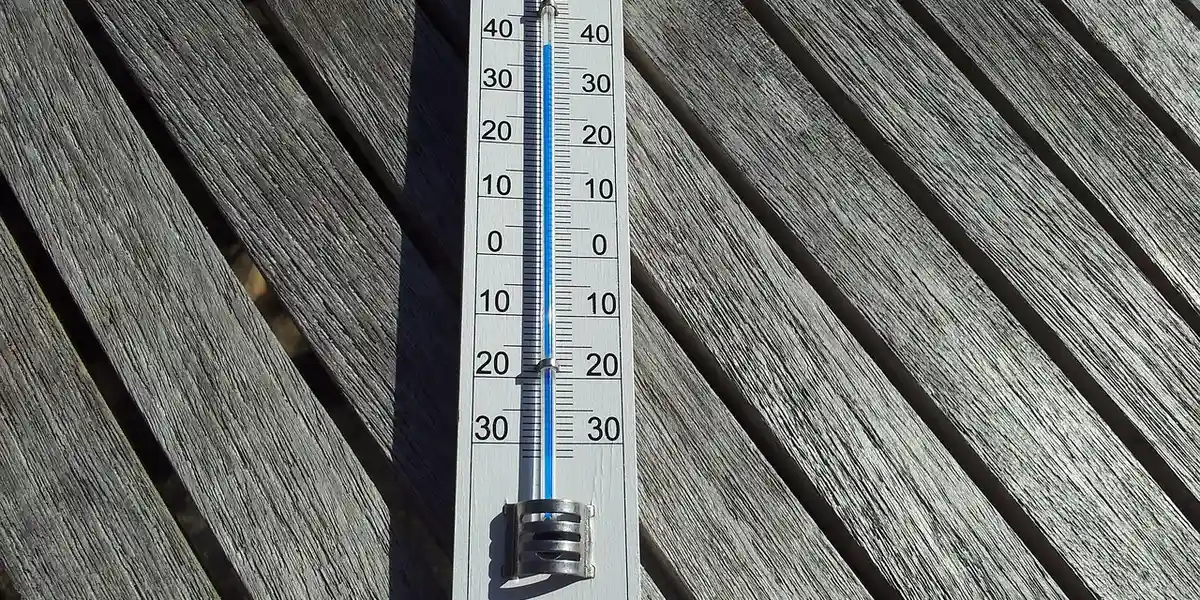
The direct answer is yes, but with one massive, non-negotiable condition: they must be used with a high-quality thermostat. Without this, a heat mat can easily malfunction and reach dangerously high temperatures, leading to severe thermal burns on your gecko’s belly in minutes. An unregulated heat mat is one of the most common and preventable causes of reptile injury I’ve seen.
Safety hinges on three factors. First, a thermostat is your primary safety device-it plugs into the wall, and the mat plugs into it, with a probe that regulates the temperature. Second, proper placement is vital; the mat should only cover one-third to one-half of the tank’s bottom to create a temperature gradient. Finally, you must monitor the surface temperature with a digital thermometer or a temperature gun. I check the basking spot in Griffey’s tank with a temp gun every single day without fail.
I learned the importance of monitoring the hard way with my more reclusive gecko, A-Rod. His heat mat once had a minor hot spot that my thermostat probe didn’t catch. Luckily, I do routine tank checks and felt the glass with my hand-it was uncomfortably hot. I caught it before he did, but it was a stark reminder that our equipment isn’t infallible. Your own vigilance is the final, and most important, layer of protection for your pet.
Here are the clear conditions that define safety versus hazard.
- Safe: Mat is controlled by a thermostat, covers only part of the tank, and surface temperatures are verified with a separate thermometer.
- Safe: Used for leopard geckos to create a 88-92°F warm hide floor temperature.
- Hazardous: Placed inside the tank where a gecko can directly contact the heating element.
- Hazardous: Used as the sole heat source for crested geckos, who benefit more from ambient air heating.
Hazardous: Mat is plugged directly into the wall without a thermostat.
Do Leopard Geckos Need Heat Mats?
Leopard geckos absolutely need belly heat to digest their food properly because they are ectotherms from arid environments. Without a consistent heat source, they can suffer from impaction or fail to metabolize meals, leading to serious health issues. I learned this firsthand when my leopard gecko, Griffey, would eagerly scurry to his warm hide after chowing down on crickets.
You must create a clear temperature gradient in the enclosure for proper thermoregulation. The hot side should stay between 88-92°F, while the cool side hovers around 70-75°F, allowing your gecko to move and self-regulate its body temperature. This setup is what makes it possible to create a perfect temperature gradient gecko enclosure. Monitor temperatures regularly to maintain that gradient. Use a thermostat with any heat mat to prevent overheating and burns.
- Hot side: 88-92°F for digestion and activity
- Cool side: 70-75°F for resting and cooling down
Age plays a role in heating stability, though requirements are similar across life stages. Juveniles like younger geckos may need slightly more consistent temperatures to support growth, but adults like my 2-year-old Griffey still rely on that warmth daily. Watch for behaviors like prolonged hiding on the cool side, which might signal discomfort.
Observing Griffey’s habits reinforced this for me. He’s energetic and curious, often “posing” on his heat mat after meals, which shows how vital that warmth is for his digestion and comfort. This also highlights common gecko heating mistakes to avoid, such as relying on a single heat source and neglecting a proper temperature gradient. If your leopard gecko isn’t using the heated area, check your setup—something might be off.
Do Crested Geckos Need Heat Mats?
Crested geckos usually thrive at lower temperatures than leopard geckos, often between 72-78°F, and may not need a heat mat at all. In many homes, room temperature is sufficient, and adding extra heat can do more harm than good by raising risks of dehydration or stress. Knowing what is the ideal temperature range for a crested gecko is essential to ensure their well-being. My crested gecko, Jeter, has always been content without one, as long as his space doesn’t dip below 65°F.
Heat mats can be unnecessary or risky for crested geckos, especially if your home stays warm. These geckos are arboreal and climb more than they lounge on the ground, so a mat might not provide the right type of heat and could lead to accidental burns or overheating. I’ve seen friends’ geckos become lethargic from too much warmth, so always monitor closely.
Humidity levels interact critically with heat sources in crested gecko enclosures. They need high humidity around 60-80%, and heat mats can dry out the air quickly, making it harder to maintain that moist environment essential for shedding and health (hence the importance of monitoring humidity alongside heat). Instead, focus on misting and live plants to keep humidity stable without extra heat.
From handling Jeter, I’ve gathered key insights into their preferences. He’s calm and confident, perching on the highest branches and rarely seeking out warmth, which tells me crested geckos prioritize climbing and humidity over belly heat. If you do use a heat source, opt for low-wattage options and always pair with a humidifier or regular misting.
How to Set Up a Heat Mat Safely
Getting this right is the single most important step for your gecko’s safety. A poorly installed heat mat is a genuine hazard. I learned this the hard way when one of my first setups nearly ended in disaster. For gargoyle geckos, proper heating care means providing a safe heat source and a clear thermal gradient. Keeping temps in the recommended range helps prevent stress and health issues.
Your Step-by-Step Safety Guide
- Place it on the OUTSIDE. Always stick the heat mat to the exterior bottom or side glass/plastic of the enclosure. It should never, ever be inside where your gecko can touch it directly.
- Lift the enclosure. Place small furniture pads under the tank’s corners. This creates an air gap, preventing heat from getting trapped and cracking your tabletop or tank glass.
- Choose safe substrate. If the warm hide is over the mat, use solid substrates like slate tile or paper towel. Loose substrates like sand or mulch can insulate the glass, causing the mat to overheat.
- Secure all cords. Use aquarium-grade cord covers or clips to route cables neatly. My curious gecko, Griffey, once got a leg tangled in a loose cord-a terrifying lesson in making everything escape-proof.
Choosing the Right Thermostat and Thermometer
Think of a thermostat as a mandatory safety shut-off switch, not an optional accessory. A heat mat without one is a house fire waiting to happen.
- On/Off Thermostat: A budget-friendly choice. It cuts power when the desired temp is reached and turns it back on when it drops.
- Pulse Proportional Thermostat: The gold standard for heat mats. It sends gentle pulses of power for a much more stable temperature without big swings.
For monitoring, you need two tools:
- A digital probe thermometer to check the ambient air temperature in the warm hide.
- An infrared temperature gun to instantly check the surface temperature of the floor and decor. This is the only way to know if a basking spot is too hot for their delicate belly skin.
My routine is to do a quick gun-check in the morning and a full probe-check each evening to ensure everything is running smoothly for their active night.
Common Heat Mat Risks and How to Prevent Them
Being aware of the dangers is your best defense. Here are the big three risks I’ve encountered and how to stop them before they start.
- Overheating & Burns: This is the most critical risk. A malfunctioning or unregulated mat can reach scorching temperatures. Always use a thermostat and check surface temps with your gun daily. If the glass feels hot to your wrist, it’s dangerously hot for your gecko.
- Thermoregulation Failure: If the entire floor is heated, your gecko has no way to cool down. This causes severe stress. Only heat one-third of the enclosure’s floor space at most, creating a distinct temperature gradient.
- Substrate Traps Heat: A deep layer of bedding on top of the heated area acts like an insulator in a lunchbox. The heat gets trapped, superheating the glass and potentially cracking the tank.
Signs of Trouble and Immediate Actions
Your gecko will tell you when something is wrong. You just need to know how to listen.
Signs of heat distress include frantic glass-surfing, gaping (holding their mouth open), refusing the warm hide, or-most alarmingly-any red or blistering skin on their underside.
If you see any of these, unplug the heat mat immediately. Move your gecko to the cool side of the enclosure. For any sign of a burn, a vet visit is non-negotiable. Reptile skin infections can turn serious fast. If you notice signs that your gecko needs to see a vet immediately—such as lethargy, loss of appetite, swelling, discharge, or breathing trouble—seek care right away. Early veterinary attention can help prevent complications.
I once had a thermostat probe come loose, and the mat began to overheat. I only noticed because Mookie, my Gargoyle gecko, was pacing unusually. I caught it in time, but it was a stark reminder that our vigilance is their primary lifeline.
Alternatives to Heat Mats for Gecko Heating
Heat mats are a common starting point, but they are not your only option. Many dedicated gecko keepers, including myself, have moved to overhead heating for a more natural and effective warmth. I made the switch after noticing my leopard gecko, Griffey, would only bask directly on the warm hide, ignoring the rest of his territory.
Ceramic Heat Emitters (CHEs)
A Ceramic Heat Emitter is a bulb-like device that screws into a standard lamp fixture and produces pure, radiant heat without any light.
- Pros: Excellent for creating a warm basking area. Provides consistent, 24/7 heat without disrupting day/night cycles. Perfect for leopard geckos who need belly heat but benefit from a warm air temperature too.
- Cons: Gets extremely hot and must be used with a protective guard and a reliable thermostat. Dries out the enclosure air faster, which can be a problem for crested geckos who need higher humidity.
Overhead Basking Lamps
These are typically halogen or incandescent bulbs that produce both heat and light.
- Pros: Mimics the sun most closely, encouraging natural basking behaviors. I’ve seen my giant day gecko, Babe, become far more active since switching to a halogen lamp. Helps create a perfect temperature gradient.
- Cons: Produces light, so it cannot be used at night. Can be too intense and drying for some species, particularly crested geckos, if not carefully managed.
Room Heating
This involves heating the entire room the gecko enclosure is in to a suitable ambient temperature.
- Pros: The simplest and most foolproof method if you can maintain it. Eliminates the risk of malfunctioning tank equipment entirely. Great for a room dedicated to your pets.
- Cons: Can be very expensive, depending on your home’s size and insulation. It often fails to create the essential basking spot that leopard geckos, in particular, require for proper digestion.
Which Gecko Does Best With Which Heater?
Your choice heavily depends on your gecko’s natural history and your specific setup.
For Leopard Geckos:
I strongly prefer a low-wattage halogen basking lamp or a CHE for my leopard geckos. The overhead heat more effectively warms their substrate and air, simulating the warmth they would absorb from the sun-warmed ground in the wild. It encourages more natural behavior than a heat mat stuck to the side of the tank.
For Crested Geckos: Their needs are different. They thrive at room temperature, but if your house gets cold, a low-wattage CHE is your safest bet. I use a very small CHE on a thermostat for my crested gecko, Jeter, set to a low 72°F just to take the chill off. When choosing the best thermostat gecko heating equipment, look for precise temperature control and reliable safety features. Pairing a CHE with a compatible thermostat that uses accurate probes helps keep crested geckos in a stable, safe range. Avoid basking lamps, as they can overheat and desiccate their humid environment.
My Experience Testing Different Setups
I’ve experimented with all these methods across my gecko crew. My African fat-tailed gecko, A-Rod, hated the bright light of a basking lamp and became reclusive. Switching him to a ceramic heat emitter was a game-changer; he now thermoregulates perfectly without stress. This got me thinking about the broader debate: ceramic heat emitters versus heat lamps—what’s better for geckos? In my experience, CHEs tend to provide steady warmth without the bright, disruptive light. Conversely, my gargoyle gecko, Mookie, does perfectly well with just a small, under-tank heat mat on one side of his tall enclosure, as he’s less dependent on high temperatures.
The key is observation. Watch where your gecko spends its time. A gecko that is always pressed against the glass might be seeking more warmth, signaling your current setup isn’t quite right. Be prepared to adapt for the health and happiness of your pet.
FAQs
Are heat mats from Amazon safe for leopard and crested geckos?
Heat mats from Amazon can be safe if you select reputable brands, use them with a thermostat, and verify they meet proper reptile heating standards.
What should I look for when buying a gecko heat mat on Amazon?
Focus on the correct wattage for your tank size, check for positive reviews from reptile owners, and ensure it is specifically designed for under-tank use.
How do I choose the right size heat mat for my gecko enclosure from Amazon?
Measure your tank’s dimensions and select a mat that covers only one-third to one-half of the floor area to create an appropriate temperature gradient.
Do heat mats sold on Amazon typically include a thermostat?
Most heat mats on Amazon do not come with a thermostat, so you must purchase one separately to prevent overheating and ensure your gecko’s safety. In our automate your geckos enclosure guide, pairing a heat mat with a proper thermostat, timers, and misters helps maintain stable temperatures and humidity with minimal daily effort.
Are there any recommended brands for gecko heat mats available on Amazon?
Brands like Zoo Med, Fluker’s, and Exo Terra are widely trusted and often available on Amazon, but always read recent reviews to confirm quality.
The Final Verdict on Heat Mats
Ultimately, a heat mat is a safe and effective tool when used correctly. Always pair it with a reliable thermostat to prevent dangerous overheating and burns. Remember that leopard geckos need belly heat for digestion, placing the mat under one-third of the tank, while crested geckos often thrive at room temperature unless your home gets particularly chilly.
Caring for a gecko is a journey of constant learning. Your most important job is to be an observant and adaptable keeper, always ready to refine your setup for your pet’s wellbeing. These incredible creatures rely entirely on us, so let’s commit to being the best, most informed caretakers we can be for our scaled friends.
Further Reading & Sources
- r/leopardgeckos on Reddit: where should i put the heat mat?
- What’s the best heat mats for a leopard gecko | Our Reptile Forum
- Here’s Why You SHOULDN’T Be Using a Heat Mat for Your Reptile
The Gecko Guide is your ultimate resource for gecko enthusiasts, providing expert advice and practical tips to ensure the health and happiness of your scaly companions. Alexander is a passionate gecko owner with over a decade of experience in reptile care. We are dedicated to offering accurate, up-to-date information to support your gecko journey.Our mission is to foster a community of responsible gecko owners who are passionate about the well-being of these fascinating creatures.
Heating & Temperature Control