
DIY vs. Store-Bought Gecko Enclosures: A Real Cost Breakdown
Published on: June 4, 2026 | Last Updated: June 4, 2026
Written By: Alexander 'Gecko Geek' Johnson
Staring at expensive reptile terrariums online while holding a tight budget can make any gecko owner feel trapped between quality and affordability. I’ve been there myself, trying to decide whether to buy Jeter’s fancy crested gecko setup or build something custom for Griffey.
Let me help you cut through the confusion with a honest comparison based on my years of gecko keeping. We’ll look beyond just the price tag to what really matters for your pet’s health and your wallet.
- The true total cost of DIY projects (including hidden expenses)
- When store-bought enclosures actually save you money long-term
- How your gecko’s specific needs should guide your decision
You’ll get clear, practical advice covering: material costs, time investment, customization options, safety considerations, and maintenance requirements. No confusing jargon – just straight talk from one gecko enthusiast to another.
Key Factors That Shape Your Gecko Enclosure Budget
Your final cost isn’t just about the price tag on a box. Several key elements will dramatically influence how much you spend, whether you’re building or buying. Ignoring these is like trying to guess a gecko’s mood-you’ll probably be wrong.
- Enclosure Size: A 10-gallon tank for a single leopard gecko is far cheaper than a massive, custom-built arboreal palace for a crested gecko.
- Material Quality: Flimsy particleboard warps with humidity, while PVC or high-quality sealed wood lasts for years. You get what you pay for.
- Tool Access: Do you own a table saw and a drill? If not, buying tools for a one-time project can double your DIY budget instantly.
- Your Time’s Value: A complex build can take an entire weekend. Is your time free, or is it a valuable commodity?
DIY Gecko Enclosure Costs and Building Options
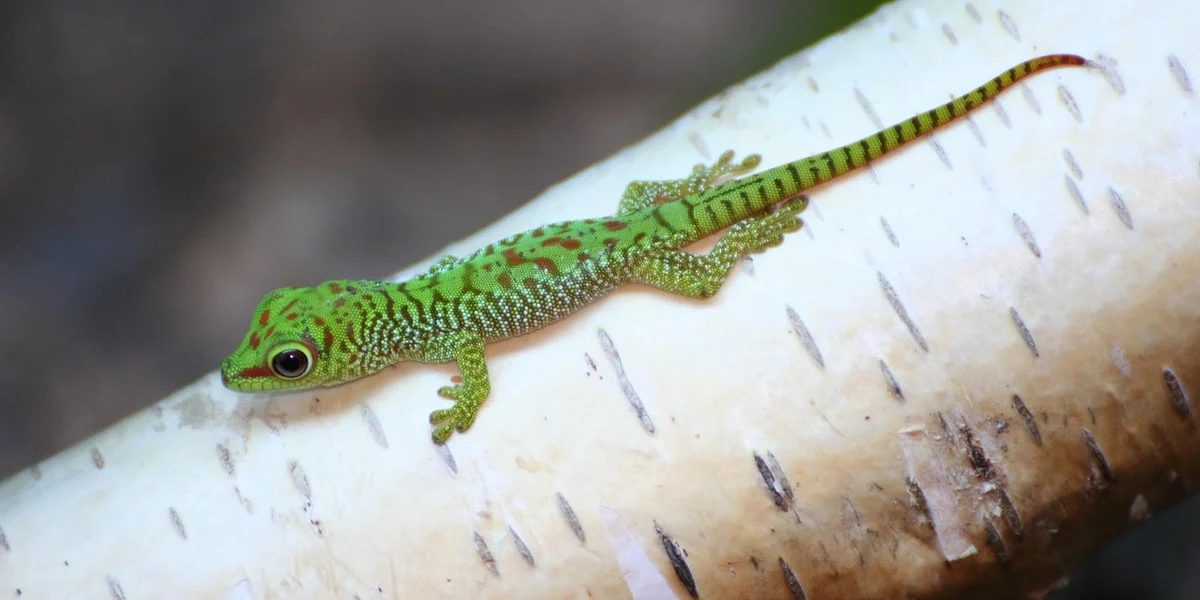
Going the DIY route puts you in the driver’s seat. The primary appeal of a DIY enclosure is the potential for massive savings and a perfect custom fit for your space and pet. For beginners, a leopard gecko enclosure setup you build yourself helps dial in heat and humidity from day one. It’s a hands-on path to learning what fits your space and budget. I’ve built several myself, and the pride of creating a home for my geckos is a fantastic feeling.
Repurposed Tank and Container Conversions
This is the most budget-friendly and beginner-friendly DIY path. You’re taking an existing structure and transforming it into a functional habitat, which slashes your material costs. I started my first gargoyle gecko, Mookie, in a converted plastic bin, and it worked beautifully.
- Plastic Storage Bins: Cost is often under $20. You’ll need to add ventilation (a soldering iron works great) and secure the lid. It’s not pretty, but it’s incredibly effective for temporary housing or juveniles.
- Glass Aquariums: A used 20-gallon long tank can be found for $25-$50. The main cost and effort come from converting it to a front-opening habitat by building a new, ventilated lid, which requires mesh and framing materials.
- Old Furniture: An old bookshelf or cabinet can be a great base. The cost is variable, but the work is significant-you must seal all wood against moisture and create secure doors.
Custom Built Wood or PVC Enclosures
This is the professional tier of DIY. Building from scratch gives you complete control over dimensions, features, and aesthetics, but the cost and complexity are much higher. My permanent enclosure for Jeter, my crested gecko, is a custom PVC build, and its ability to hold humidity is unmatched.
- Melamine-Coated Particleboard: This is a common, affordable choice. A sheet might cost $50-$70. The downside? It’s heavy and will swell and disintegrate if water gets into the seams. You must seal every edge meticulously.
- Plywood: More durable than particleboard. You’ll need to use a water-resistant type like Baltic birch and seal it with a reptile-safe waterproof sealant, adding to the cost and labor.
- Expanded PVC Sheet: This is the gold standard for DIY. It’s lightweight, waterproof, and easy to cut. A 4×8 sheet can run $100-$200, but the enclosure will last a lifetime. You’ll use PVC cement to assemble it, creating incredibly strong, waterproof seams.
Store-Bought Gecko Enclosure Prices and Options
Walking into a pet store or browsing online for a gecko home can be dizzying. The prices and options vary wildly, and it’s easy to overspend on features your specific gecko doesn’t even need. My first mistake was buying a massive, expensive kit for my first leopard gecko, Griffey, only to realize half the included items were unsuitable for him. That experience pushed me to create an ultimate gecko shopping list—everything you need for a new pet. It helps skip the fluff and buy only what matters. Let’s break down what you’re really paying for.
Glass Versus Acrylic Tank Costs
The classic debate! A standard 20-gallon long glass tank, perfect for a leopard gecko, typically runs between $50 and $150, especially during dollar-per-gallon sales. Glass is heavy and can crack, but it’s scratch-resistant and holds heat well. There are hidden costs to owning a gecko, like ongoing lighting, heating, substrate, and live food.
Acrylic tanks are lighter and much less prone to shattering, a bonus if you have curious kids or move frequently. However, they scratch easily from rough décor and are often 50-100% more expensive than their glass counterparts. For most owners, a simple glass tank offers the best balance of durability and budget-friendliness. I’ve used both, and while my acrylic tank for Jeter is easier to lift for cleaning, it’s covered in fine scratches from his climbing antics.
Complete Habitat Kits Versus Individual Components
Kits seem like a fantastic, all-in-one solution. You can find them for $100 to $300, promising everything you need. The harsh truth? The components are often low-quality.
- The thermometer is usually a cheap, inaccurate stick-on type.
- The heat source might be an inappropriate red bulb or a heat mat without a thermostat.
- The substrate could be dangerous calcium sand or wood chips.
You almost always end up replacing these subpar items, making the initial “convenience” a costly mistake. I learned this the hard way and now advocate for buying pieces separately. You get higher quality, safer products tailored to your pet’s needs, even if the upfront cost feels higher.
Species-Specific Enclosure Cost Differences
Not all geckos require the same real estate! Buying the wrong type of enclosure is like purchasing a one-bedroom apartment for a family that needs a two-story house. The biggest cost factor is often the enclosure’s orientation-horizontal for terrestrial species versus vertical for arboreal climbers. Also, avoid common decor mistakes—like overcrowding the enclosure, blocking airflow, or using decor that traps humidity. Getting the decor right helps your gecko stay healthy and thrive in its enclosure.
My leopard gecko, Griffey, lives in a 20-gallon long tank he can patrol. This is a relatively low-cost setup. My crested gecko, Jeter, and gargoyle gecko, Mookie, need tall, vertical terrariums to climb. In choosing a terrarium, it’s helpful to consider vertical vs horizontal layouts for your gecko’s natural behavior. Leopard geckos are primarily ground-dwellers, so horizontal setups often suit them, while crested and gargoyle geckos thrive in vertical, climbing-friendly enclosures. A good 18x18x24 inch tall enclosure can cost significantly more than a long tank of the same volume.
Then there’s my giant day gecko, Babe. His home needed not just height, but front-opening doors to avoid disturbing his delicate skin and specialized screen portions for UVB lighting. Specialized needs always command a higher price, whether you’re building or buying. Always research your specific species first-it will save you from buying the wrong expensive setup. Gecko habitat husbandry means planning temperature, humidity, and enrichment to mimic their natural environment. This approach keeps Babe healthy and thriving.
Long-Term Maintenance and Hidden Costs
That initial price tag is just the entrance fee. The real financial commitment to your gecko’s home reveals itself over months and years through ongoing upkeep. I learned this the hard way when a cheap, store-bought heat mat failed and I had to buy a new one, plus a thermostat, in a panic.
Monthly Operating Expenses
Think of this like a utility bill for your scaly roommate. These costs are mostly consistent whether you built or bought the enclosure.
- Electricity: Heating and lighting are your biggest draws. A DIY cage might be less insulated, forcing your heat lamp to work harder and raising your bill.
- Substrate: Whether it’s paper towel or a bioactive mix, this is a recurring purchase. Bulk-buying for a DIY build can slash this cost.
- Food & Supplements: This cost is identical for both setups, but a well-designed DIY space can promote better hunting and feeding behavior.
My crestie, Jeter, lives in a converted cabinet. I found its solid wood construction holds heat far better than the thin glass of a store tank, which actually lowered my monthly energy use.
Replacement and Repair Considerations
This is where the paths truly diverge. Store-bought enclosures offer convenience but can come with a “replace, not repair” model.
- Store-Bought: A cracked glass pane often means a whole new tank. Proprietary parts for fancy vented lids or built-in backgrounds can be expensive or impossible to find.
- DIY: You built it, so you can fix it. A scratched acrylic panel? You can cut a new one. A seal fails? You re-seal it. The power to repair anything yourself is the ultimate long-term savings hack.
My leopard gecko Griffey’s custom PVC enclosure got a small crack during a move. I patched it with a scrap piece and PVC cement for less than a dollar. A similar break in a commercial PVC cage would have meant a costly replacement.
Budget-Friendly Strategies for Gecko Enclosures
You don’t have to choose between “cheap” and “good.” With some smart strategy, you can build a phenomenal habitat without financial stress.
- Hybrid Approach: Buy a simple, secondhand glass tank and use DIY skills to craft a superior lid or custom decor. This blends low initial cost with customization.
- Secondhand Savvy: Check online marketplaces daily for used tanks and equipment. I’ve found perfect, near-new 20-gallon tanks for a fraction of the price. Just clean and disinfect thoroughly!
- Material Swaps: Use dry-safe sealed wood instead of expensive PVC for certain frames. Opt for slate tiles from a home improvement store instead of pre-cut reptile substrate.
- Shop Your House: That old bookshelf? With some modification, it could be a gorgeous arboreal enclosure. I turned a thrift store nightstand into a home for my gargoyle gecko, Mookie, and it’s my favorite build.
The most budget-friendly move is planning for the long game from the start. Investing a little more upfront in quality materials or a repairable design saves you from constant, wallet-draining replacements down the road. Budget for your gecko’s annual veterinary care to catch issues early and keep costs predictable. Regular checkups can prevent major emergencies and protect your gecko’s health over time. Your gecko, and your bank account, will thank you.
FAQs
What is the average cost of a gecko enclosure?
The average cost ranges from around $20 for basic DIY setups using repurposed materials to over $300 for high-end store-bought enclosures, depending on size and features.
How much do beginner gecko enclosures typically cost?
Beginner enclosures typically cost between $20 and $50 for simple options like converted plastic bins or secondhand glass tanks.
Are glass or acrylic gecko enclosures more affordable?
Glass enclosures are generally more affordable than acrylic ones, though acrylic offers advantages like lighter weight and better shatter resistance.
What are affordable options for gecko enclosure setup?
Affordable options include repurposing plastic storage bins, converting used aquariums, or building custom enclosures from materials like sealed plywood.
How much does essential gecko enclosure equipment add to the cost?
Essential equipment like heating, lighting, and thermostats can add $50 to $150 or more to the total cost, especially when bought separately for better quality and safety.
Final Verdict
Ultimately, the best enclosure for your gecko is the one you can build or buy that perfectly meets their species-specific needs without draining your wallet. DIY projects offer immense savings and customization if you have the time, skills, and tools, while a store-bought tank provides a reliable, instant habitat, often at a higher upfront cost. Your choice truly depends on your personal resources and how much hands-on work you’re willing to invest. Keep in mind gecko housing requirements—tank size, setup, and species-specific needs. A correctly sized, well-equipped enclosure supports their health and natural behavior.
No matter which path you choose, your gecko’s health and happiness must always be the top priority. A responsible pet owner commits to lifelong learning, constantly seeking out new information to improve their pet’s habitat and quality of life. Your scaly friend is counting on you to make the best decisions for their world.
Further Reading & Sources
- Cost Breakdown of Crested Geckos (Startup and Recurring)
- average cost for gecko enclosure | Our Reptile Forum
- r/geckos on Reddit: how much does owning a gecko cost
The Gecko Guide is your ultimate resource for gecko enthusiasts, providing expert advice and practical tips to ensure the health and happiness of your scaly companions. Alexander is a passionate gecko owner with over a decade of experience in reptile care. We are dedicated to offering accurate, up-to-date information to support your gecko journey.Our mission is to foster a community of responsible gecko owners who are passionate about the well-being of these fascinating creatures.
Enclosure Building