
Why Do Geckos Do Push Ups and Fire Up? (Behavior Explained)
Published on: May 21, 2026 | Last Updated: May 21, 2026
Written By: Alexander 'Gecko Geek' Johnson
If you’ve ever seen your gecko bobbing up and down like a tiny bodybuilder or suddenly glowing with intense color, you’ve probably wondered what on earth is going on in that little head. You might worry it’s a sign of stress or illness. Let me put your mind at ease-this is almost always normal, fascinating gecko communication.
I’ve spent years observing my own crew-from Griffey’s proud poses to Mookie’s energetic leaps-and I’m here to help you decipher these curious actions. We’ll break down the main reasons for these behaviors so you can understand your pet better.
- Push-ups are a primary method of communication and territory display.
- “Firing up” to vibrant colors is a mood-based physiological response.
- These actions are generally healthy signs of an active, engaged gecko.
By the end of this guide, you’ll be able to interpret your gecko’s antics with confidence. We’ll cover everything from territorial displays to social signaling.
Key topics covered: Territorial Behavior, Mood Communication, Mating Rituals, Perceived Threats, Health vs. Normal Behavior, Species-Specific Differences.
Understanding Gecko Push-Ups: More Than Just Exercise
Seeing your gecko bob up and down can be hilarious, but it’s a serious form of communication. This behavior is one of their primary ways to interact with the world around them. It’s far more complex than a simple workout.
Territorial Displays and Dominance Signals
In my reptile room, my male leopard gecko, Griffey, will immediately start doing push-ups if he sees another gecko’s enclosure. He’s not being friendly.
- Establishing Boundaries: Push-ups make a gecko look bigger and more intimidating to a perceived rival.
- Visual “Shouting”: Since they can’t vocalize a warning, this is their way of saying, “This is my space!”
- Male-to-Male Competition: This is most common between males, who are highly territorial. I would never house two males together because of this constant, stressful posturing.
A sudden bout of push-ups directed at a tank mate or their own reflection is a clear sign of territorial assertion.
Mating Rituals and Social Signaling
The context is everything. When a male is near a female, those same push-ups take on a completely different meaning.
- Attracting a Mate: The rhythmic bobbing is part of a courtship dance, showing off his vigor and health.
- Communicating Intent: It’s a non-aggressive signal to the female that his intentions are romantic, not combative.
- Combined with Other Cues: You’ll often see this paired with a slow tail wag or gentle nuzzling.
If you see this gentle bobbing between a pair, you’re likely witnessing a gecko’s version of flirtation.
Stress Responses and Environmental Factors
Not all push-ups are social. Sometimes, your gecko is trying to tell you something is wrong in its environment.
- New Surroundings: A new gecko in a new home will often do push-ups as it assesses its unfamiliar territory.
- Sudden Changes: A new decoration, a loud noise, or even a new pet in the room can trigger this stress response.
- Handling: Some geckos will bob at you when you first put your hand in the tank. They are figuring out if you are a threat.
Frequent, frantic push-ups with no other gecko present often point to an environmental stressor that needs your attention. Make sure to differentiate this behavior from normal versus abnormal gecko behaviors.
Firing Up Demystified: Color Changes and Body Language
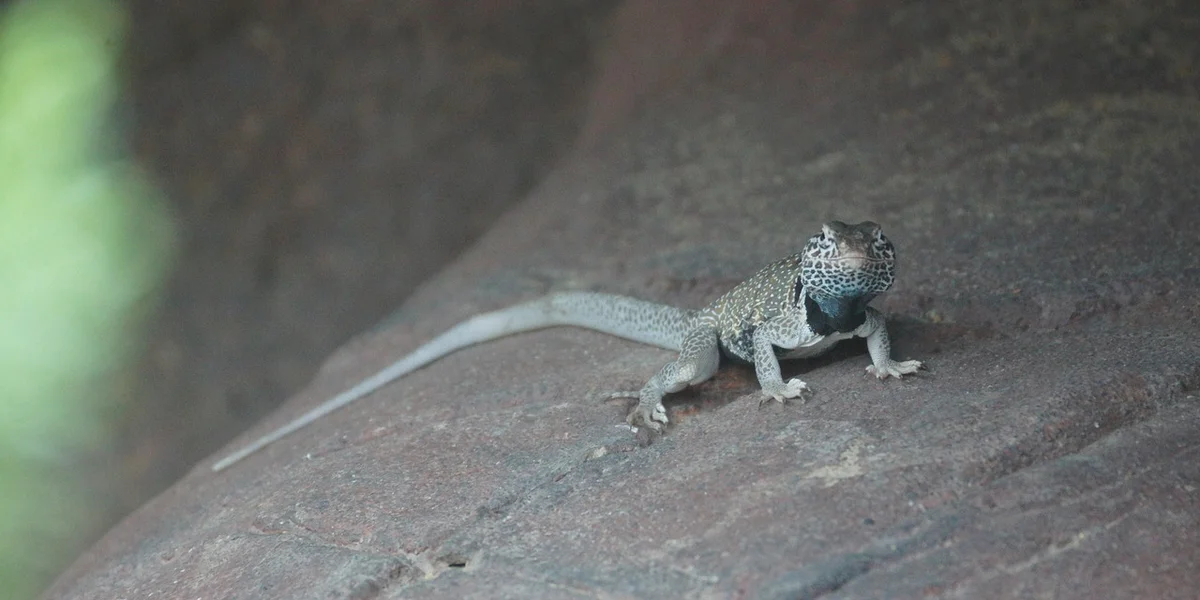
While push-ups are about movement, “firing up” is a dramatic color change. It’s like your gecko is switching on its internal neon lights. My crested gecko, Jeter, can go from a muted, sleepy brown to a vibrant, fiery orange in seconds.
What Triggers a Gecko to Fire Up?
This incredible ability is controlled by specialized skin cells and is triggered by a few key factors.
- Lighting and Time of Day: Many species, like Crested and Day Geckos, fire up with the light. They are often most vibrant during the day and pale at night.
- Temperature: A cooler gecko is often a paler gecko. As they warm up under their heat lamp, their colors can intensify.
- Mood and Stimulation: Excitement, stress, or interaction can cause a color shift. A fired-up gecko is an alert and stimulated gecko.
- Health Indicator: A gecko that is constantly “fired down” and dull could be signaling it is too cold, stressed, or unwell.
Observing your gecko’s color patterns helps you understand its daily rhythms and overall well-being.
Differences Between Species in Firing Up
Not all geckos fire up the same way. This is one of the most fascinating parts of keeping different species.
- Crested Geckos & Gargoyle Geckos: These are the champions of firing up. The contrast can be staggering, with patterns and colors appearing from almost nowhere.
- Day Geckos: My Giant Day Gecko, Babe, is always pretty bright, but his red speckles become almost fluorescent when he’s basking and feeling good.
- Leopard Geckos & African Fat-Tailed Geckos: They do not “fire up” in the same dramatic way. Their color changes are much more subtle, often related purely to shedding cycles or temperature.
Knowing what is normal for your specific species prevents you from misinterpreting a natural process for a problem.
Is This Behavior Normal or a Cause for Concern?
Watching your gecko bob up and down can be a little alarming the first time you see it. In the vast majority of cases, this is a completely normal and healthy form of gecko communication. I’ve spent countless hours just observing my crew, and I can tell you it’s their version of talking with their bodies. For beginners, this behavior is a key chapter in crested gecko behavior body language, where you’ll learn what each bob and posture signals.
Signs of Stress vs. Natural Display
It’s all about reading the rest of their body language and the context of the situation. Here’s how to tell the difference.
A Natural, Confident Display Looks Like This:
- Happens during the evening or night when they are most active.
- Performed while exploring or when they first see you.
- The gecko’s body is relaxed, not flattened or tense.
- They continue with other normal activities like climbing or hunting afterwards.
Signs of Stress or Fear to Watch For:
- A puffed-up, flattened body to look bigger.
- Hissing, chirping, or squeaking sounds.
- Attempting to flee or hide immediately.
- Refusing food for multiple feeding sessions.
- Push-ups that are rapid and frantic, not slow and deliberate.
My leopard gecko, Griffey, does a few slow, proud push-ups every night when he emerges from his hide. It’s his way of saying, “I’m here and I own this place.” It’s a confident strut, not a panic.
When to Adjust Your Care Routine
If the push-ups seem frantic and are paired with other stress signals, it’s time to play detective. Your first job is to identify and remove the stressor, which is often something simple in their environment.
Ask yourself these questions:
- Is their enclosure in a high-traffic, loud part of the house?
- Can they see another pet, like a cat, staring at them?
- Are the temperature and humidity levels correct for their species?
- Do they have enough hides and clutter to feel secure?
I once had to move an enclosure because my cat’s silent staring was making a gecko nervous. A simple change in location solved the problem within a day.
How Species Influence Push-Up and Fire-Up Behaviors
Not all geckos communicate in the exact same way. Their species gives them a unique “accent” for these behaviors. Are common gecko vocalizations body language cues, or do they mainly function as sounds? In many species, vocal signals accompany specific postures or movements, blending sound and body language.
Leopard Gecko Push-Ups: Energetic and Curious
Leopard geckos are the bodybuilders of the push-up world. They perform this behavior with a distinct, energetic rhythm, often when they are curious or establishing territory. Since they are terrestrial, their push-ups are a ground-level display.
You’ll often see it:
- When you approach the tank, as a greeting or alert.
- Before feeding time, in excited anticipation.
- When they encounter a new item in their enclosure.
Crested and Gargoyle Gecko Firing Up
For these arboreal New Caledonian geckos, “firing up” is their signature move. Firing up is a dramatic color change where they become much more vibrant and intense, almost like they’re blushing with purpose. It’s not just for show; it’s deeply tied to their mood and environment.
My crested gecko, Jeter, fires up to a stunning orange when he’s active at night. My gargoyle, Mookie, turns a deep, mottled gray with bright red blotches when he’s fired up and ready to hunt.
They typically fire up:
- During their active period at night and dawn.
- When the humidity is higher or after misting.
- When they are alert, excited, or a little stressed.
- To communicate with other geckos (though they should be housed alone).
A fired-up gecko is simply a more “awake” and responsive gecko, showing you their most brilliant colors. It’s one of the most rewarding behaviors to witness, a true sign of a happy and engaged pet. This moment offers insight into gecko temperament and communication. It’s a key topic in our understanding gecko behavior temperament complete guide.
Practical Tips for Managing Display Behaviors
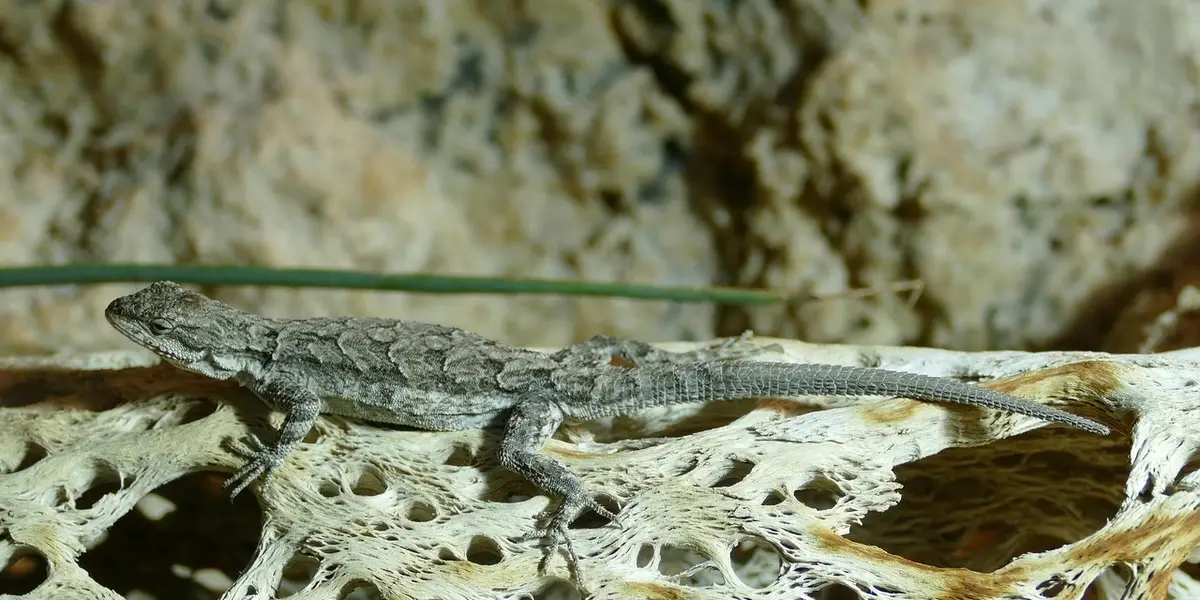
Seeing your gecko do push-ups or fire up can be entertaining, but it’s your cue to assess their environment and your interactions. These displays are their way of communicating, and with a few tweaks, you can help them feel more secure. I’ve learned this firsthand with my crew-Griffey’s energetic poses and A-Rod’s territorial rearrangements taught me to read the room, or rather, the terrarium.
Optimizing Habitat to Reduce Stress
A well-setup habitat is your first defense against frequent stress displays. Think of it as creating a cozy, predictable home where your gecko feels in control. When I noticed A-Rod, my African Fat-Tailed Gecko, constantly “redecorating” his space, I realized his bold stripe wasn’t just for show—he needed more privacy. A proper habitat setup also helps prevent common gecko illnesses by reducing stress and keeping temperature and humidity stable. By giving A-Rod privacy and consistent conditions, I minimize risks like mouth rot and respiratory issues.
- Provide multiple hides: Offer at least two snug hiding spots-one on the warm side and one on the cool side-to prevent competition and give escape routes.
- Maintain proper gradients: Use a thermostat to keep temperatures stable (e.g., 88-92°F warm side, 70-75°F cool side for leopard geckos) to avoid thermal stress.
- Limit open spaces: Add clutter like fake plants, branches, or cork rounds to break sightlines and reduce the urge to posture defensively.
- Control lighting: Stick to a consistent day-night cycle with timers; sudden light changes can startle them into firing up.
After adding extra foliage and a third hide, A-Rod’s territorial antics dropped dramatically. Small changes like these mimic their natural habitat and cut down on unnecessary “workout” sessions.
Handling and Interaction Best Practices
How you approach and handle your gecko directly impacts their stress levels. Slow, predictable movements build trust and reduce the need for defensive displays. My crested gecko, Jeter, thrives on gentle handling, while Mookie’s playful leaps mean I wait for calm moments to engage. Calm, stressed geckos respond best to a consistent routine. Pair gentle handling with simple environmental fixes—steady temperatures, adequate humidity, and plenty of hiding spots—for effective techniques to keep them calm.
- Observe first: Watch for relaxed body language-like slow blinking or casual exploration-before attempting to handle.
- Approach from the side: Avoid coming from above, which can trigger a predator response; use an open palm to let them crawl onto you.
- Keep sessions short: Limit handling to 5-10 minutes initially, especially for species like gargoyle geckos that may fire up from overstimulation.
- Respect their mood: If they’re doing push-ups or flaring their colors, back off and try again later-it’s their way of saying “not now.”
I learned this with Mookie; his red blotches would blaze if I moved too fast. Patience isn’t just a virtue-it’s a gecko-care essential that keeps everyone happy.
When to Seek Veterinary Care
While most display behaviors are normal, some signal underlying health issues. Trust your gut-if something feels off, it’s better to err on the side of caution and consult a reptile-savvy vet. I once delayed a vet visit for Babe, my Giant Day Gecko, when his basking habits changed, and it turned out he had a minor infection. That’s why it’s crucial to recognize the signs when your gecko needs medical attention right away.
- Persistent or intense displays: If push-ups or firing up happen constantly without obvious triggers, it could indicate chronic stress or pain.
- Accompanying symptoms: Look for lethargy, weight loss, labored breathing, or refusal to eat-these paired with odd behavior warrant a check-up.
- Color changes that don’t fade: While firing up is temporary, if their skin stays darkened or pale for hours, it might reflect illness or dehydration.
- Injury or asymmetry: Limping, swelling, or one-sided push-ups could point to musculoskeletal issues needing professional care.
After Babe’s scare, I now schedule annual wellness exams. Proactive vet visits are a non-negotiable part of responsible gecko ownership—they catch problems before they become emergencies. Just like in this article, regular check-ups help ensure your pet’s health.
FAQs
Can I stop my gecko from doing push-ups if they seem excessive?
You can minimize excessive push-ups by optimizing their habitat to reduce stressors, such as adding more hides and maintaining consistent environmental conditions.
Is firing up a behavior that geckos learn or is it instinctual?
Firing up is an innate, instinctual response driven by physiological changes in their skin cells, not a behavior acquired through learning or experience.
What does it mean if my gecko fires up but doesn’t change color much?
A subtle color change during firing up may indicate species-specific characteristics, underlying health concerns, or that the gecko is only partially stimulated, so observe for other behavioral cues, especially in leopard geckos.
Gecko Body Language: A Window to Their World
Ultimately, your gecko’s push-ups and color changes are a normal, healthy part of their communication and daily routine. Pay attention to the context-whether they’re showing off for a rival, regulating their temperature, or just feeling good after a meal. This isn’t a behavior to stop; it’s one to understand and appreciate as a sign of a vibrant pet.
The more you learn about these fascinating quirks, the better you can provide a stimulating and stress-free home. Are signs of stress in geckos connected to their environment? Understanding whether stress signals reflect temperature, humidity, lighting, or enclosure setup can help you tailor their habitat. I encourage you to keep observing, keep asking questions, and always prioritize your gecko’s welfare by staying curious about their unique needs. A responsible, informed owner is the best thing any pet can have.
Further Reading & Sources
- Why do lizards do push ups? Here’s what those Arizona geckos are up to
- Why Do Geckos Do Push Ups? Uncovering Reasons
- r/interestingasfuck on Reddit: Lizards communicate by doing push-ups.
The Gecko Guide is your ultimate resource for gecko enthusiasts, providing expert advice and practical tips to ensure the health and happiness of your scaly companions. Alexander is a passionate gecko owner with over a decade of experience in reptile care. We are dedicated to offering accurate, up-to-date information to support your gecko journey.Our mission is to foster a community of responsible gecko owners who are passionate about the well-being of these fascinating creatures.
Behavior and Socialization