
Do Geckos Feel Love? Understanding Gecko Emotions
Published on: May 20, 2026 | Last Updated: May 20, 2026
Written By: Alexander 'Gecko Geek' Johnson
You watch your gecko curiously track your movements and wonder: does my pet feel love for me, or am I just the giant hand that brings food? It’s a question that tugs at the heart of every reptile owner who wants a deeper connection.
I’ve spent years with my own crew of geckos, from the perpetually curious Griffey to the calm and confident Jeter. I will help you understand what’s really going on in those fascinating little heads. We will cover the science, the observable behaviors, and what it all means for your relationship with your pet.
Here are the key takeaways we will explore:
- The scientific consensus on reptile emotions and what their brains are capable of processing.
- The distinct behaviors that indicate trust, contentment, and recognition, which are often mistaken for love.
- How to build a powerful, positive bond with your gecko that fulfills their needs and yours.
You will get clear, experience-based advice to understand your scaly friend better. The article covers: emotional capacity, bonding behaviors, signs of trust, interpreting their actions, and practical care tips for a happy pet.
Do Geckos Have Emotions Like We Do?
When my gecko Griffey excitedly scurries to the front of his tank at feeding time, it’s easy to imagine he’s happy to see me. But is that love, or is it dinner he’s after? The scientific answer is nuanced. Geckos do not experience complex emotions like human love, romantic attachment, or guilt, as their brains lack the necessary neocortex. They operate on a more primal, instinct-driven level.
What they absolutely do possess are basic, core emotions. Think of these as fundamental drives: fear, stress, pleasure, and curiosity. I’ve seen my gecko Jeter freeze solid when a shadow passes overhead-that’s pure fear. I’ve also watched him calmly close his eyes when I gently stroke his back-a sign of contentment and trust. These core emotions are their way of navigating the world, ensuring safety, and seeking comfort.
What Geckos Can Feel
- Trust & Contentment: A gecko that doesn’t flee your hand, eats readily in your presence, or calmly explores you is showing it feels safe.
- Fear & Stress: Hissing, tail dropping, hiding for prolonged periods, and refusing food are clear distress signals.
- Pleasure & Comfort: Basking in a perfect temperature gradient or finding a snug, dark hide provides a sense of well-being.
- Curiosity: A gecko actively exploring its enclosure at night is engaged and investigating its territory.
The key takeaway is to manage our own expectations. We build bonds of trust with our geckos, not mutual affection in the human sense. That trust is the foundation of a healthy, low-stress life for your pet, and it’s a deeply rewarding relationship in its own right.
Gecko Social Behavior: Are They Solitary or Social Creatures?
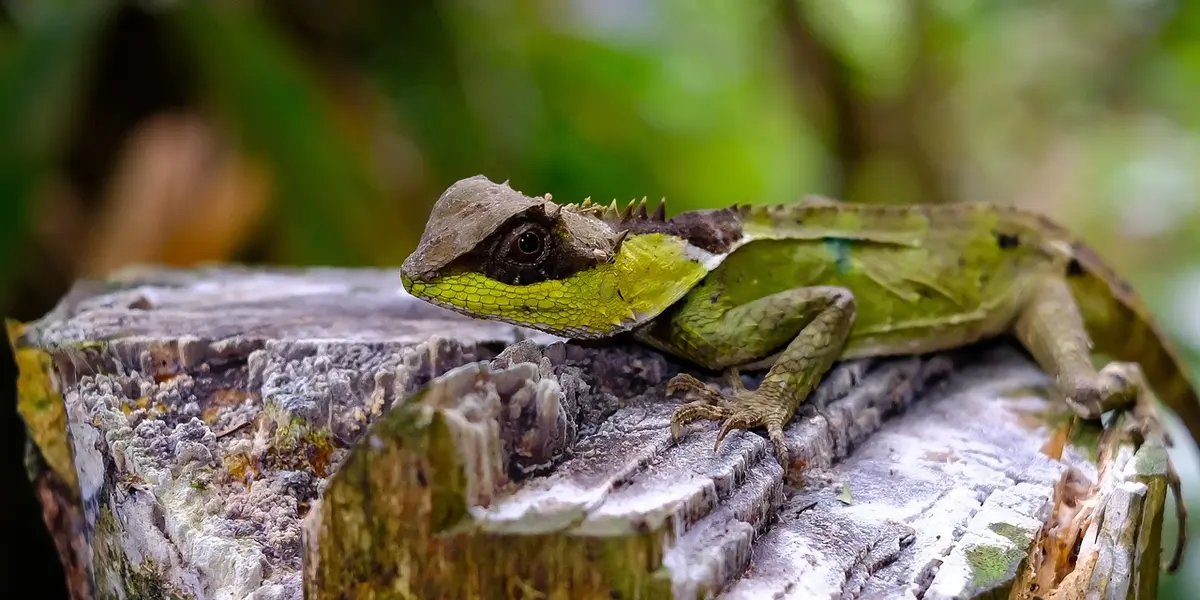
After observing my five geckos for years, the answer is overwhelmingly clear for most common pet species. The vast majority of pet geckos, including Leopard, Crested, and African Fat-Tailed geckos, are solitary by nature. In the wild, they come together only to breed, otherwise leading independent lives.
I learned this the hard way early on. I temporarily housed two young geckos together, assuming they’d be friends. Instead, I witnessed constant competition for the best hide and subtle bullying during feeding. Forcing a social life on a solitary animal creates chronic stress, leading to injury, illness, and a failure to thrive. It is important to manage aggression in single-housed geckos to ensure their well-being.
Species-Specific Social Needs
- Strictly Solitary (Must Live Alone): Leopard Geckos, African Fat-Tailed Geckos, and Tokay Geckos. Cohabitation often leads to fighting and stress.
- Can Be Pairs/Groups (With Caution): Some Day Geckos can live in pairs, but this requires a massive, heavily planted enclosure and careful monitoring for aggression.
- Best Alone: Crested and Gargoyle Geckos. While sometimes cohabitated, the risks of nipping, tail loss, and stress far outweigh any perceived benefits.
My crested gecko, Jeter, and my leopard gecko, Griffey, live in separate, well-appointed enclosures side-by-side. They show no interest in each other. Providing a solitary life isn’t a deprivation; it’s respecting their fundamental instinct for a peaceful, territory-driven existence. Are geckos social pets? They aren’t social with other geckos, but understanding their behavior helps you read comfort cues and tailor handling. The best social interaction for your gecko is the safe, predictable relationship it builds with you.
Can You Actually Bond With Your Gecko?
I’ve spent countless hours with my geckos, and I can tell you this with certainty: the bond you form is built on trust and familiarity, not love in the human sense. It’s a different, quieter kind of relationship. My crested gecko, Jeter, doesn’t greet me at the door like a dog, but he will calmly walk onto my hand—a sign that he knows I’m not a threat. Bonding with my crested gecko involves listening to his cues and responding with calm, patient gestures. That quiet exchange is how I communicate my presence and earn his trust.
Signs Your Gecko Is Starting to Trust You
Look for these small but meaningful behaviors. They are your gecko’s way of saying, “You’re okay.”
- Voluntary Approach: Your gecko moves toward you or your hand instead of scrambling away. My leopard gecko, Griffey, now often comes to the front of his tank when he sees me, curious about what’s happening.
- Relaxed Body Posture: A comfortable gecko isn’t tense. Their body rests flat, they might close their eyes slowly, and they don’t hold their tail up in a defensive, rattling pose.
- Calm Handling: They sit still on your hand or arm without frantic attempts to escape. They might even explore, walking from one hand to the other.
- Feeding Response: They readily take food from you or eat in your presence. This is a huge sign of trust, as eating makes them feel vulnerable.
Building this trust is a slow, patient process that rewards consistency more than grand gestures. It’s about proving you are a source of safety and food, not danger.
Reading Your Gecko’s Emotional State
Geckos communicate their feelings through their bodies, not their voices. Vocalizations do happen, but they’re not the main signals. Most gecko messages come through body language—posture, tail movements, and eye direction. Gecko body language cues are essential to learn, as it is the key to being a good gecko caretaker. You become a detective, looking for clues in their posture and actions.
Clear Signs of Stress and Fear
Recognizing when your gecko is scared or stressed is crucial for their welfare. If you see these behaviors, give them space and assess their environment. Often, signs of stress are related to environmental factors like temperature, humidity, lighting, or enclosure setup. Adjusting these conditions can help identify and reduce the cause.
- Hiding Constantly: While geckos naturally hide, refusing to come out even for food can signal chronic stress.
- Tail Vibrations or Rattling: A rapidly vibrating tail, especially in leopard geckos, is a major “back off” signal. My A-Rod does this if I move his favorite hide.
- Attempting to Flee: Frantic scrambling or jumping away from you is a clear sign of fear.
- Gaping Mouth (Hissing): Crested and gargoyle geckos will open their mouths wide and may make a hissing sound to appear threatening.
- Dropping Their Tail (Autotomy): This is the ultimate stress response. It means they felt their life was in imminent danger.
- Color Changes: Some species, like my gargoyle gecko Mookie, will fire up (become darker) when stressed or threatened.
These behaviors are not acts of defiance; they are pure, instinctive self-preservation. Seeing them is your cue to stop, reevaluate, and give your pet time to feel secure again.
Practical Ways to Build a Positive Relationship
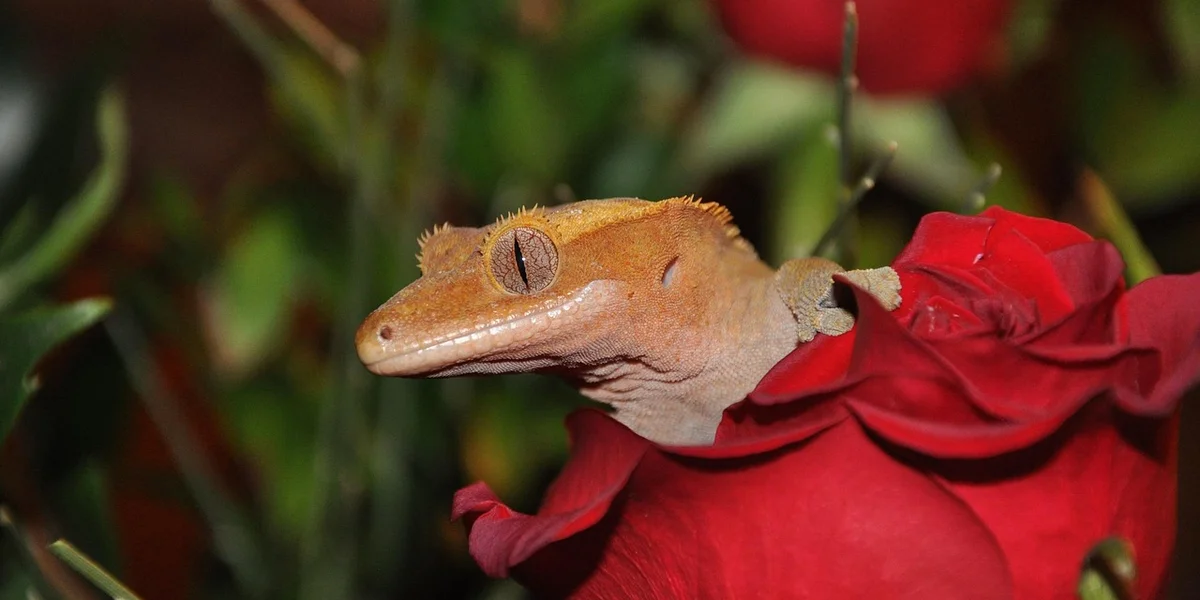
While your gecko may not love you like a dog does, you can absolutely build a relationship of trust and mutual comfort. I’ve found that the most rewarding bonds form when you respect their unique, reptile way of interacting with the world. With patience and gentle handling, you can bond your leopard gecko. Small, regular interactions help build trust over time.
Safe Handling: Building Trust, Not Stress
Handling is where you prove you are a safe giant, not a predator. Rushing this process is the fastest way to create a fearful pet.
My crested gecko, Jeter, used to dart away at the slightest movement. Now, he calmly walks onto my hand. This change happened by following a few simple rules.
- Let Them Initiate: Never grab your gecko from above. Place your hand flat and still in the enclosure, allowing them to approach and step on voluntarily.
- Keep Sessions Short and Sweet: Start with just five minutes a day. A positive, brief interaction is far better than a long, stressful one.
- Read Their Body Language: A slow, curious walk means they are comfortable. Rapid, jerky movements, tail twitching, or trying to leap mean it’s time to put them back.
- Handle Close to the Ground: Always sit on the floor or over a soft surface. Geckos can and will jump, and a fall can cause serious injury.
The goal is to make your presence a source of security, not a reason for panic. My leopard gecko, Griffey, now associates my hand with exploring new textures outside his tank, and his excited, curious demeanor tells me he enjoys it.
Your Gecko’s Wellbeing: The Foundation of Everything
You cannot build a positive relationship with a stressed or unhealthy animal. Their environment is their entire universe, and getting it right is non-negotiable.
Think of it this way: if you were constantly too cold, hungry, or felt exposed, you wouldn’t be in the mood for socializing either. A gecko that feels safe and healthy in its home is infinitely more likely to be receptive to your presence.
- Perfect the Habitat: Provide the correct temperature gradient, humidity levels, and plenty of hides. A stressed gecko is a hiding gecko.
- Offer a Consistent Diet: A well-fed gecko is a content gecko. I watch my geckos’ body condition and tail plumpness like a hawk to ensure they’re getting proper nutrition.
- Respect Their Schedule: Geckos are often most active at dawn and dusk. Trying to handle them in the middle of the day when they want to sleep is a recipe for failure.
- Minimize Loud Noises and Vibrations: Place the tank in a calm area. Loud music or slamming doors can be terrifying for a small creature that feels vibrations intensely.
When I got the habitat perfect for my African Fat-Tailed gecko, A-Rod, his entire demeanor changed. He stopped being so reclusive and started spending more time observing his surroundings calmly. Proper care is the most profound way you can show your gecko you respect them.
FAQs
Do geckos experience emotions similar to mammals?
Geckos have basic emotions like fear and pleasure, but they lack the brain structures for complex mammalian emotions such as love or jealousy. This understanding forms the backbone of the complete guide to understanding gecko behavior and temperament. By recognizing these cues, you can tailor care, handling, and enclosure setup for each gecko.
Is there software available for tracking gecko behavior?
While general pet care apps exist, specialized software for monitoring gecko behavior is not typically needed, as observing their body language is more effective for understanding their emotions. When concerns arise, distinguishing normal vs abnormal gecko behaviors becomes important. Look for changes in activity, appetite, or posture, and consult a reptile vet if concerns persist.
What are the best types of hides and perches for geckos?
Provide multiple secure hides and naturalistic perches to reduce stress and promote natural behaviors, which supports their emotional well-being.
How can I accurately control the temperature in my gecko’s enclosure?
Use a reliable thermostat to maintain precise temperature gradients, as consistent environmental conditions help prevent stress and support positive emotional states.
Are there PC programs for managing gecko care schedules?
Basic calendar or note-taking apps can help track feeding and habitat maintenance, but there are no specific PC programs required for understanding gecko emotions.
The Heart of the Matter
Ultimately, while your gecko won’t love you in a human way, they absolutely have the capacity for basic emotions like trust, contentment, and fear. Focus on reading their body language—a relaxed posture, willingly taking food, and calm handling sessions are their way of showing they feel safe and content with you. For more detailed insights, check out our guide on crested gecko body language and behavior.
The most profound “love” you can show your gecko is through dedicated, responsible care that respects their unique nature. Keep learning about their specific species needs, provide a thriving habitat, and enjoy the quiet, steady trust you build together. Tailoring your care to make them happy is key.
Further Reading & Sources
- Reptile Emotions | Pet Talk | VMBS News
- r/leopardgeckos on Reddit: Do geckos feel any love?
- Do Leopard Geckos Have Feelings? A Detailed Look At The Emotional Lives Of These Captivating Lizards – Berry Patch Farms
The Gecko Guide is your ultimate resource for gecko enthusiasts, providing expert advice and practical tips to ensure the health and happiness of your scaly companions. Alexander is a passionate gecko owner with over a decade of experience in reptile care. We are dedicated to offering accurate, up-to-date information to support your gecko journey.Our mission is to foster a community of responsible gecko owners who are passionate about the well-being of these fascinating creatures.
Social Interactions