
Why Is My Leopard Gecko Trying to Escape?
Published on: May 20, 2026 | Last Updated: May 20, 2026
Written By: Alexander 'Gecko Geek' Johnson
If you’ve noticed your leopard gecko constantly scratching at the glass or trying to climb the corners of its tank, you’re not alone, and it’s a behavior I’ve spent years troubleshooting with my own geckos. That frantic activity can be worrying to watch, but it’s almost always your pet trying to tell you something about its environment.
I’m going to help you decode this behavior by breaking down the three most common reasons behind the great escape attempts. From my experience, it typically boils down to:
- Issues with their habitat setup, like incorrect temperature or humidity.
- Underlying stress from their environment or routine.
- Perfectly normal, instinctual behaviors that just need to be managed.
By the end of this guide, you’ll have a clear action plan to help your gecko feel more secure and content in its home. We’ll cover: tank setup, temperature and humidity, stress triggers, handling, health concerns, and enrichment.
Common Reasons Your Leopard Gecko Wants Out
When my leopard gecko, Griffey, started acting like a tiny, spotted Houdini, I knew I had to play detective. That persistent scratching at the glass is their only way of telling you something is wrong in their world. Based on my experience, these are the top culprits.
- Improper Temperature: Leopard geckos cannot regulate their body temperature without a proper heat gradient. If their tank is too cold or too hot everywhere, they will desperately search for a better spot.
- Wrong Humidity Levels: Low humidity makes it difficult for them to shed, causing itchy, uncomfortable skin. High humidity can lead to serious respiratory infections. Both will make them want out.
- Lack of Hides: These are prey animals. Without at least three hides (warm, cool, and humid), they feel exposed and stressed. Griffey calmed down immensely once I gave him more options.
- Inadequate Space: A cramped tank offers little enrichment. A 20-gallon long is the absolute minimum for one adult gecko. More space means more room to explore safely.
- Boredom: A bare tank with nothing to climb on or investigate is like a prison cell. A little clutter and enrichment go a long way for their mental health.
Environmental Stress in the Terrarium
Think of the terrarium as your gecko’s entire universe. If that universe is out of whack, they will want to leave it. Environmental stress is often the silent, invisible driver behind escape attempts. Are signs of stress in geckos related to their environment? In most cases, yes—environmental factors drive their behavior and well-being. Here are the specific factors to check right now.
- Incorrect Heat Gradient: One end of the tank must be warm (88-92°F) for digestion and one end must be cool (70-75°F) for resting. No gradient means a very stressed gecko.
- Poor Basking Spot: They need a solid, flat surface under the heat source to properly belly-heat. A wobbly rock or a hide that doesn’t hold heat won’t cut it.
- Wrong Lighting: They do not need bright, colorful, or overly intense light. In fact, it stresses them. They are crepuscular! Use low-wattage halogen or a deep heat projector for daytime heat, and no light at night.
Health and Behavioral Triggers
Sometimes the problem isn’t the tank-it’s the gecko. A sudden onset of escape behavior can be a red flag for an underlying health issue you can’t see. I learned this the hard way with one of my rescues.
- Illness or Parasites: Internal parasites cause bloating and discomfort. Respiratory infections make breathing a struggle. A gecko in pain will try to escape its situation.
- Scale Rot: This bacterial infection of the belly scales is painful and is often caused by a dirty, wet substrate. It will make your gecko restless and constantly try to get away from the irritant.
- Juvenile Curiosity: Young geckos are naturally more skittish and exploratory. While some glass surfing is normal for a juvenile, constant activity still warrants a habitat check.
How to Check and Fix Your Enclosure Setup
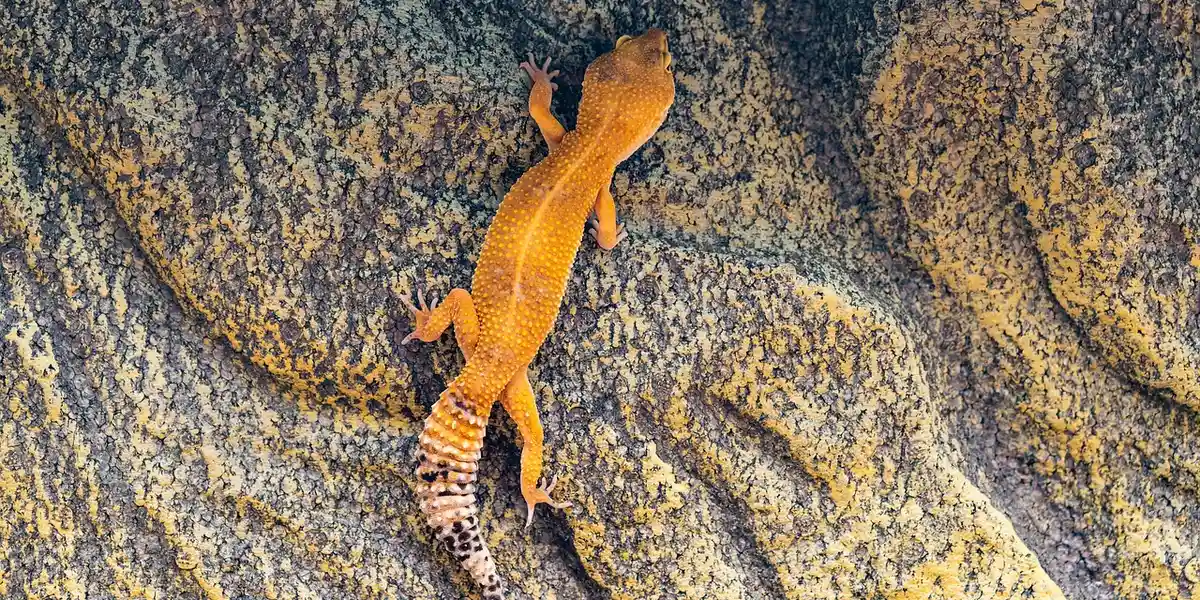
Fixing the problem starts with a simple, methodical check of your setup. You don’t need fancy equipment, just a digital thermometer/hygrometer and a critical eye. Use this table as your quick-reference guide.
| Factor | Ideal Range for Leopard Geckos | How to Measure |
|---|---|---|
| Warm Side Temperature | 88-92°F (31-33°C) | Digital probe thermometer on the floor under the heat source. |
| Cool Side Temperature | 70-75°F (21-24°C) | Digital thermometer on the cool end wall. |
| Humidity | 30-40% | Digital hygrometer placed in the middle of the tank. |
| Humid Hide Humidity | 70-80% | Sphagnum moss or damp paper towel inside the hide; it will feel moist. |
Ensuring Proper Heat and Hiding Spots
Getting the heat and hides right is 90% of the battle for a calm gecko. Creating a comfortable gradient with plenty of cover makes your gecko feel secure and in control of its body temperature. A well-planned temperature gradient in the enclosure supports that balance. That’s how you create a perfect temperature gradient gecko enclosure. Here is how to do it.
- Place your heat lamp (halogen or DHP) over one end of the tank, positioned above a flat slate tile or rock.
- Use a thermostat connected to the heat lamp! This is non-negotiable for safety and precise temperature control.
- Provide three hides minimum: a warm hide near the heat source, a cool hide on the opposite end, and a humid hide in the middle filled with damp sphagnum moss.
- Add clutter like fake plants, cork bark rounds, and PVC pipes. This breaks up sightlines and creates a more enriching, natural environment.
Substrate and Safety Checks
The floor of the tank can be a source of danger or comfort. Using the wrong substrate is a common mistake that can lead to impaction or injury, fueling that desire to escape. Let’s make your tank floor safe.
- Safe Substrates: Use paper towel, slate tile, or a pre-mixed bioactive substrate. I have tile in most of my tanks-it’s easy to clean and holds heat beautifully.
- Unsafe Substrates: Avoid sand, calcium sand, wood chips, and walnut shells. These can cause fatal impactions if ingested and irritate their skin.
- Escape Route Elimination: Check for gaps around wiring ports or a loose-fitting screen top. A determined gecko can squeeze through a surprisingly small space. Secure all potential exits.
Easy Ways to Escape-Proof Your Gecko’s Home
I learned the hard way that a determined gecko is a master escape artist. After finding Griffey perched on my bookshelf one morning, I made securing their homes my top priority. Preventing an escape is far easier and less stressful than finding a lost, cold gecko hours later.
Securing Lids and Reducing Gaps
A loose lid is an open invitation. My gecko A-Rod taught me that even a tiny gap is a challenge to be conquered. Here is my proven method for a fortress-like enclosure.
- Invest in Lid Clips or Locks. Standard screen lids are not enough. I use heavy-duty aquarium lid clips on all my tanks. For custom-built enclosures, consider installing small cabinet locks.
- Seal Gaps with Weatherstripping. Check where the lid meets the tank base. If you can slide a credit card through, your gecko can too. Self-adhesive foam weatherstripping is a cheap and effective seal.
- Weigh Down the Lid. For a temporary fix or added security, place a heavy, safe object on each corner of the lid. A clean brick or a large book works well.
- Conduct the “Credit Card Test.” Run a card around the entire perimeter of the closed lid. If it fits, your gecko fits. Address any gaps you find immediately.
This system has kept even my most adventurous geckos safely inside for years. A secure home is the first step to a calm and content gecko.
Using Enrichment to Keep Your Gecko Happy
A bored gecko is an escape artist in the making. Enrichment turns their home from a cage into a stimulating habitat. I saw a huge change in Mookie’s behavior once I added more things for him to do. If you’re looking for ideas, here are 12 DIY enrichment ideas to bust gecko boredom.
- Climbing Structures: Use cork bark rounds, reptile-safe branches, and magnetic ledges. Crested and Gargoyle geckos like Jeter and Mookie adore vertical space.
- New Hides and Tunnels: Rotate different hides or add a reptile hammock. Simple paper towel tubes make fantastic and cheap temporary tunnels.
- Digging Boxes: For species like Leopard Geckos, a small tray filled with moist coconut fiber or organic soil satisfies their digging instinct.
- Handling Sessions: Regular, gentle handling builds trust. Start with short 5-10 minute sessions in a safe, enclosed space like a empty bathtub with a towel.
Enrichment mimics their natural wild behaviors, which dramatically reduces stress and the desire to roam.
Feeding and Hydration Tips
A hungry gecko will go looking for food. A proper schedule is non-negotiable, as detailed in this guide on creating the perfect feeding schedule for juvenile vs adult geckos. To do that, you tailor the plan for juvenile versus adult geckos. Juvenile geckos typically need more frequent meals with smaller portions, while adults thrive on a steady, predictable schedule. My chunky gecko Babe would definitely try to bust out if his dinner was late!
- Juveniles: Feed daily. Offer as many appropriately-sized gut-loaded insects as they can eat in 10-15 minutes.
- Adults: Feed every other day. Monitor their weight and tail thickness to adjust portion sizes.
- Hydration: Provide a shallow, sturdy water dish at all times. I also mist the enclosure walls in the evening for my Crested and Gargoyle geckos to drink from.
- Feeding Puzzles: Scatter a few worms in a clean, shallow dish with smooth sides. This encourages natural foraging behavior and provides mental exercise.
A well-fed and hydrated gecko is a gecko that feels secure and less likely to seek resources elsewhere. Paying attention to Mookie’s frantic behavior at feeding time was my clue to make his schedule more consistent, and it worked wonders.
When to Worry About Health and Stress
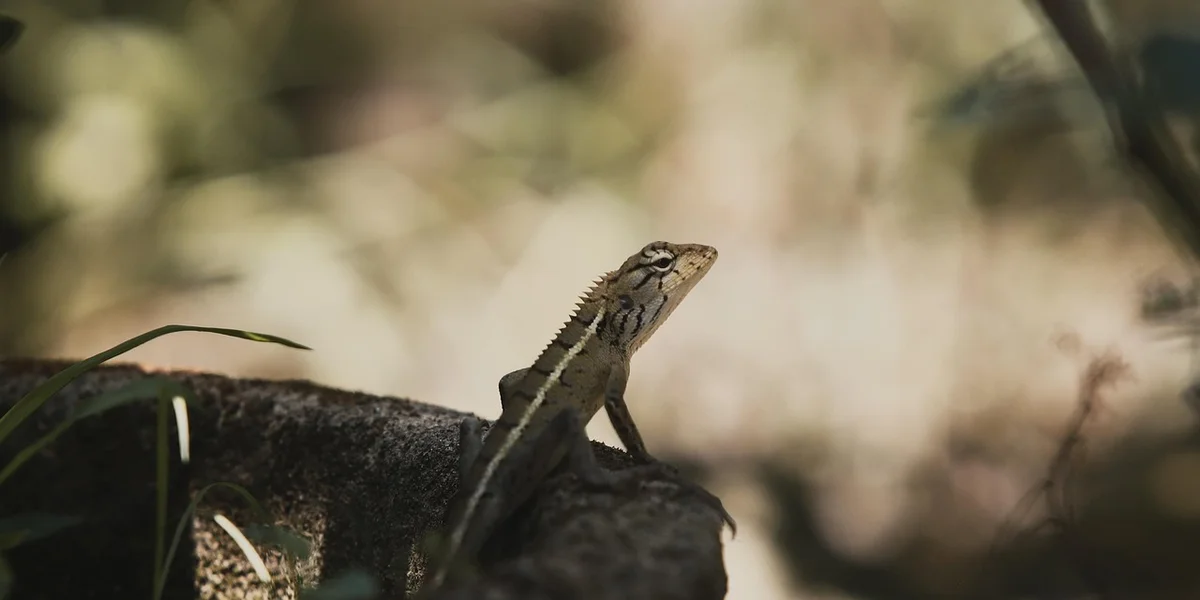
An occasional jailbreak attempt is normal gecko behavior. But when the scratching becomes a constant, frantic effort, it’s a major red flag that something is wrong in their world. I learned this the hard way with my first leopard gecko, Griffey, whose normally energetic exploring turned into a desperate, non-stop clawing at the glass. That was my cue to look deeper.
Recognizing Illness or Parasites
Your gecko can’t tell you it feels sick, so it uses behavior to communicate. Persistent escape attempts paired with any of these symptoms mean it’s time for a professional vet visit.
- Lethargy and Weakness: A gecko that seems too tired to move but still tries to flee is a huge contradiction that signals underlying illness.
- Sticky Mouth or Discharge: Look for a sticky, cheese-like substance around the mouth or nose. This can indicate a respiratory infection, which is very stressful for them.
- Sunken Eyes or Weight Loss: Dehydration or parasites can cause their eyes to sink and their tail to thin. A fat tail is a sign of a healthy, happy gecko.
- Abnormal Droppings: Runny, unusually smelly, or discolored poop can point to parasites or a digestive issue.
- Scale Discoloration or Sores: Stuck shed can cut off circulation, and damp substrate can lead to scale rot-both are painful and will make your pet desperate to get away from the discomfort.
I don’t take chances with these signs anymore; a single vet visit for my gecko A-Rod caught a parasitic issue early and saved us both a lot of stress. Your vigilance is their first line of defense. Early warning signs of illness in geckos can be subtle but crucial to spot. Recognizing them early can prevent complications and stress.
Handling and Bonding to Reduce Escape Urges
Sometimes, the drive to escape comes from fear of their giant caretaker. Building a bond of trust through gentle, consistent handling can transform your gecko’s enclosure from a prison into a safe home. My crested gecko, Jeter, used to be skittish. Now, he calmly walks onto my hand because he knows it’s not a threat.
Start with short, five-minute sessions a few times a week. Move slowly and predictably. Never grab from above like a predator would. Instead, gently scoop them up from below, supporting their entire body. Let them walk from hand to hand in a safe, enclosed space.
This routine tells your gecko that you are part of their safe environment. Over time, they stop seeing you as a reason to run and start associating you with security. This simple shift in perspective can dramatically reduce those frantic escape attempts. They learn there’s a whole world of interesting smells and textures right in the palm of your hand. This is a key step in understanding gecko behavior and temperament. For a deeper dive, our complete guide on understanding gecko behavior and temperament covers this and more.
Common Questions
What should I do if my leopard gecko escaped?
Thoroughly search warm, dark, and enclosed spaces near the tank immediately, as they will seek out heat and security.
Why does my leopard gecko keep escaping even after I find it?
Repeated escapes indicate the core issue in its habitat, such as incorrect temperature or stress, has not been resolved.
Why is my leopard gecko scared of food?
This is often due to stress from improper habitat conditions, overly large prey, or an underlying health issue.
Why is my leopard gecko scared of me?
Your gecko is likely scared due to a lack of trust, which can be built through gentle, consistent, and non-threatening handling sessions.
What is leopard gecko scale rot?
Scale rot is a painful bacterial infection of the belly scales, typically caused by prolonged exposure to a dirty or damp substrate.
Final Thoughts on a Secure and Happy Gecko
If your leopard gecko is trying to escape, the solution almost always lies in improving its habitat and routine. For hatchlings, an ideal habitat setup starts with a smaller, secure enclosure and precise temperature zones to help them regulate heat. Keep the setup simple with accessible hides and a gentle day/night pattern to reduce stress. Focus on providing the correct temperature gradient, plenty of secure hides, and a consistent day/night cycle to make its enclosure a place where it feels safe and content.
Being a great gecko owner means committing to lifelong learning about their subtle needs and behaviors. Your dedication to observing and refining their care is what transforms a simple tank into a true home for your scaly friend.
Further Reading & Sources
- Oh No! Your Leopard Gecko Escaped Their Tank | LeopardGeckoLand.com
- Leopard Gecko Behavior (Common & Unusual), Health & Diseases
- Leopard Gecko Behavior & Body Language
The Gecko Guide is your ultimate resource for gecko enthusiasts, providing expert advice and practical tips to ensure the health and happiness of your scaly companions. Alexander is a passionate gecko owner with over a decade of experience in reptile care. We are dedicated to offering accurate, up-to-date information to support your gecko journey.Our mission is to foster a community of responsible gecko owners who are passionate about the well-being of these fascinating creatures.
Handling & Behavior Signs