
Why Do Geckos Lick Their Eyes, Lips, and Owners?
Published on: May 21, 2026 | Last Updated: May 21, 2026
Written By: Alexander 'Gecko Geek' Johnson
If you’ve ever watched your gecko lick its own eyeball and wondered if your pet is broken, you’re not alone. I’ve been there, staring at my leopard gecko Griffey as he gave his eye a thorough cleaning, and I had the exact same thought.
I’m here to put your mind at ease. This behavior is not just normal; it’s a fascinating and essential part of being a gecko. I’ll walk you through the simple reasons behind this quirky habit so you can stop worrying and start appreciating your pet’s unique biology.
We will cover three key takeaways:
- Geckos lick their eyes to clean and moisten them since they don’t have eyelids.
- They lick their lips to smell their environment and investigate their world.
- Licking you is a sign of curiosity, not affection, as they are gathering sensory information.
By the end of this guide, you’ll have a clear, straightforward understanding of your gecko’s behavior. We’ll explore the topics of: eye cleaning, sensory exploration, taste-testing owners, and when licking might signal a problem. This is all part of our comprehensive guide to understanding gecko behavior and temperament. Understanding temperament helps you tailor care and enrichment to your specific gecko.
Is Gecko Licking Normal Behavior?
Absolutely. In my years of living with a house full of geckos, I’ve seen my fair share of tiny tongues flicking out. Licking is a fundamental and healthy part of how a gecko interacts with its world. It’s their primary tool for gathering information, cleaning themselves, and even showing a form of recognition.
Why Geckos Lick Their Eyes: The Science of Sight
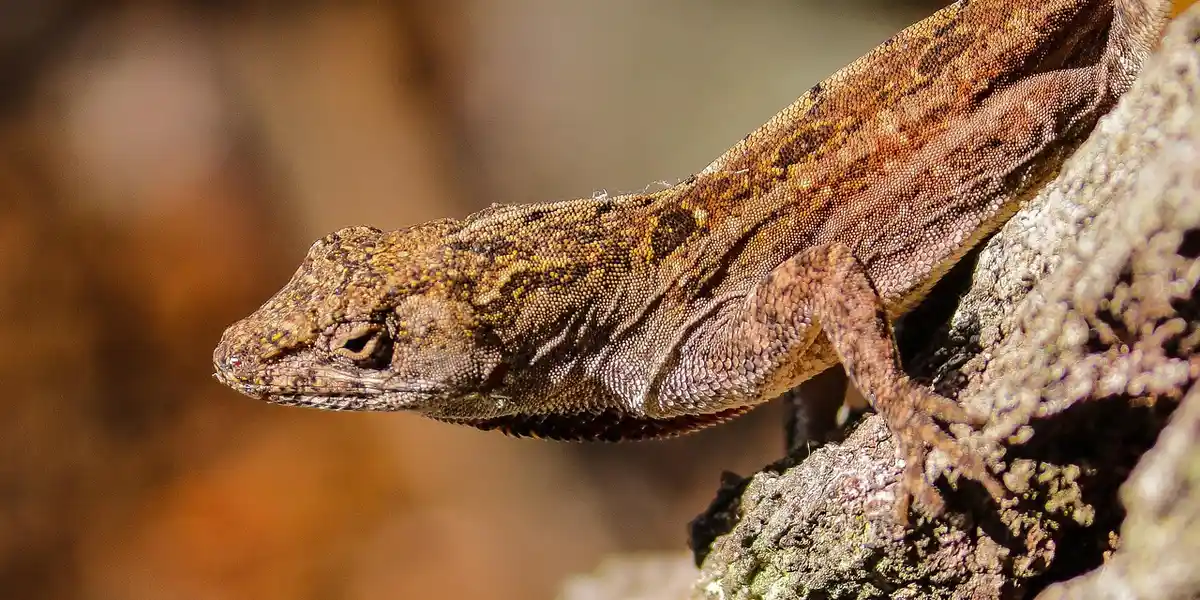
Watching a gecko lick its own eyeball is one of the most bizarre and fascinating sights for a new owner. My High Yellow leopard gecko, Griffey, does this constantly, especially after a meal. Geckos lick their eyes because they do not have movable eyelids to blink and clean their corneas. That glossy, bulging eye is protected by a transparent membrane called a spectacle. Gecko vision is highly specialized for night, with eye anatomy and retinal design tuned for motion detection in low light. This also shapes how geckos perceive color in dim conditions, a topic often summarized as gecko vision explained.
How Gecko Eye Licking Works
Think of it as a built-in windshield wiper system. The tongue acts as a moist cloth, performing two critical jobs:
- Cleaning: It wipes away dust, substrate particles, or leftover bits of food.
- Moisturizing: It spreads moisture across the spectacle, keeping the eye healthy and vision clear.
I’ve noticed my crested gecko, Jeter, does this most after a misting, almost as if he’s tasting the water droplets on his face. This behavior is a sign of a healthy, self-sufficient reptile, not a cause for alarm.
Eye Licking During Shedding
Shedding is when you’ll see this behavior intensify. A gecko’s spectacle is part of its skin and is shed along with the rest of its body. You might see your gecko licking its eyes obsessively during this time.
- What’s Happening: They are working to loosen the old layer of skin from the spectacle.
- What to Watch For: Increased licking is normal, but if the shedding seems stuck around the eyes for more than a day, it’s a problem.
I once had to help a gecko with a stubborn eye cap, and it taught me to always check the humidity levels in the terrarium. Proper humidity is the single biggest factor in ensuring a clean, complete shed, especially for the delicate eye area. That experience taught me to focus on creating the perfect habitat humidity to make gecko shedding easier. A simple routine of monitoring humidity with a hygrometer and misting as needed keeps sheds smooth.
Decoding the Lip Lick and Full-Body Grooming
You’ll often see your gecko giving its snout a good, deliberate lick. This isn’t just a quirky habit; it’s a key part of their sensory process. When your gecko licks its lips, it’s often gathering scent particles from the air and transferring them to a special organ in the roof of its mouth called the Jacobson’s organ. This organ analyzes the scents, telling your gecko if that’s your hand, a potential meal, or something to be wary of. This is part of the vomeronasal sense—the dedicated chemical-sensing system that helps them read pheromones and other cues. Understanding this vomeronasal organ can help you better interpret your gecko’s behavior and what they’re reacting to.
My gecko, A-Rod, does this constantly before he decides to eat a cricket. It’s his way of giving the final “okay” before striking.
It’s a Full-Service Cleaning Operation
Beyond just tasting the world, licking is fundamental grooming. A gecko’s entire body is their business, and they keep it tidy.
- Face and Head: Their tongues are the perfect tool for wiping away bits of shed skin, leftover food, or any dust that has settled on their scales.
- Feet and Toes: You might spot them meticulously cleaning their sticky toe pads. Any debris there reduces their climbing grip, so they keep them spotless.
- Body: They’ll contort themselves to lick their sides and back, ensuring every scale is in place.
This self-cleaning routine is a sign of a healthy, comfortable gecko who is at home in its environment. If this behavior stops, it can be a red flag that something is wrong. These signs tie into the 10 most common preventable gecko health mistakes and how to avoid them. Understanding them helps you keep your gecko healthy and thriving.
What It Means When Your Gecko Licks You
Feeling a tiny, sandpaper-like tongue on your skin is a special moment. It’s easy to imagine they’re giving you a “kiss,” and in a way, they are-it’s a form of gentle, curious investigation.
Is My Gecko Saying Hello or Tasting Dinner?
When your gecko licks you, it is almost never a sign of aggression or that they mistake you for food. Your gecko is using its most sophisticated tool to figure out exactly who and what you are. They are learning your unique scent and salt composition. That’s a common gecko myth debunked: licking isn’t aggression or hunger. It’s just how they learn your scent and presence.
- Curiosity: You are a big, warm part of their world. Licking is how they gather information about you.
- Recognition: Over time, this helps them become familiar and comfortable with your presence.
- Taste Test: They can taste the salt from your skin, which they may find interesting.
My crested gecko, Jeter, gives my hand a few quick licks every time I take him out. To me, it’s his calm, confident way of saying, “Alright, I know you. We’re good.”
When Licking Signals a Problem
While usually harmless, constant, frantic licking of surfaces-including you-can sometimes point to an issue. Pay close attention if the licking seems obsessive or is paired with other unusual behaviors.
- Substrate Ingestion: If you use a loose substrate like sand or soil, a gecko licking the ground repeatedly might be accidentally eating it, which can cause a dangerous impaction.
- Nutritional Deficiency: In rare cases, excessive licking can indicate they are seeking specific minerals or salts they are lacking in their diet.
- Sign of Stress: A stressed gecko may pace and lick surfaces more frequently as a displacement behavior.
If you see this, the first step is to review your husbandry-check temperatures, humidity, and diet. I once had a scare with Griffey, who started licking his cave obsessively; it turned out his tank was a few degrees too cold, and he was stressed. A simple adjustment fixed it completely.
Gecko Licking and Your Pet’s Health
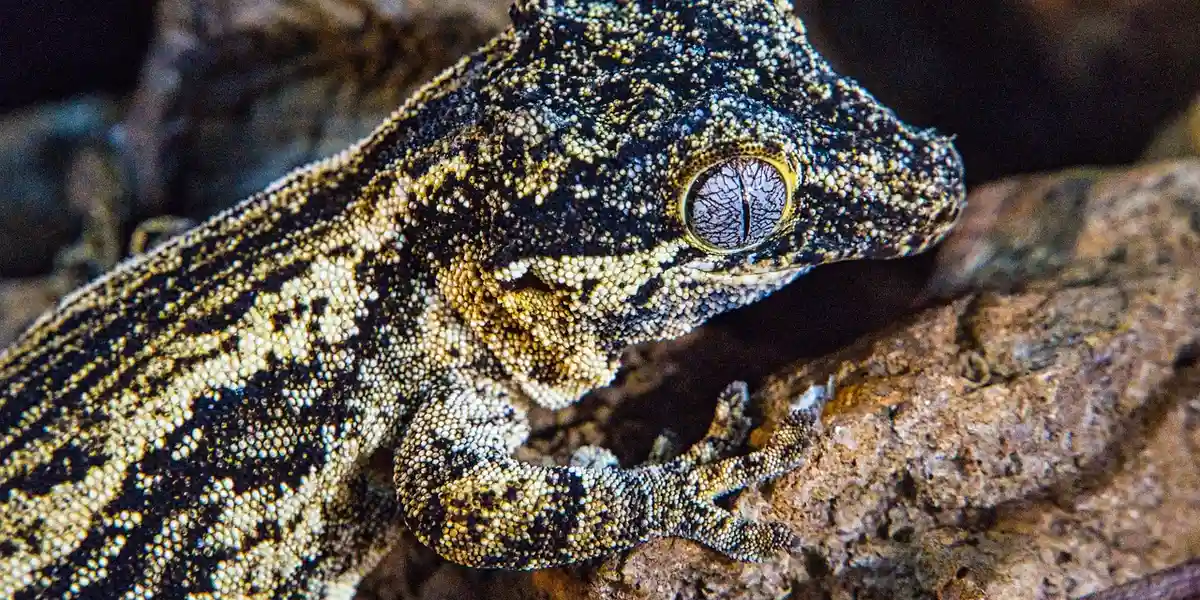
Creating a Comfortable Home to Reduce Stress Licking
When one of my geckos starts licking excessively, I see it as a signal. They’re telling me something in their environment is off. In fact, many stress signals in geckos are directly linked to their surroundings. If conditions like humidity, temperature, and lighting aren’t right, licking and other behaviors can emerge. Constant, frantic licking of the air or surroundings often points directly to stress, and your first step should be a habitat check. I learned this the hard way when my leopard gecko, Griffey, wouldn’t stop licking his lips and the glass. It turned out his humid hide was too damp, creating an uncomfortable, stuffy microclimate.
A stressed gecko is a licking gecko. To create a sanctuary they don’t feel the need to constantly “taste-test” for danger, focus on these four pillars: This is where enrichment and mental stimulation matter. A deeper dive into gecko enrichment explains why mental stimulation matters for gecko wellbeing.
- Perfect the Temperature Gradient: One side of the tank must be warm for digesting food (around 88-90°F for leopards), and the other side must be cool for resting. A single, incorrect temperature forces them into a state of constant discomfort.
- Provide Ample Hiding Spots: I always include at least three hides: one on the warm side, one on the cool side, and a moist hide in the middle. This gives them a choice and a sense of security wherever they are.
- Control Noise and Vibration: Place the terrarium in a low-traffic area away from loud speakers or TVs. Geckos feel vibrations intensely, and a constantly rumbling floor can keep them on high alert.
- Respect Their Schedule: Geckos are crepuscular, meaning they are most active at dawn and dusk. Handling them during the middle of the day when they want to sleep is a major, yet common, stressor.
Caring for Different Gecko Species
Leopard Gecko Eye Care
If you own a leopard gecko, you’ve definitely seen them lick their eyeballs. It looks bizarre, but it’s a brilliant evolutionary adaptation. Unlike us, leopard geckos don’t have movable eyelids; their eyes are protected by a transparent membrane called a spectacle. Licking this membrane is their way of washing it, keeping it clean and moist. That leads to a common question: do geckos sleep with their eyes open? Since they lack movable eyelids, leopard geckos generally rest with their eyes open, their eyes protected by the spectacle.
When this normal behavior becomes a problem, it’s often due to habitat issues. Here’s what to watch for:
- Substrate is Key: Loose, dusty substrates like sand or fine coconut fiber can get stuck on the eye membrane. I use a solid substrate like slate tile or reptile carpet for my leopards to prevent this.
- Low Humidity Hurts: If the air is too dry, the spectacle can get stuck or dirty. A proper moist hide filled with damp sphagnum moss gives them a humid spa to rehydrate their skin and eyes.
- Watch for Retained Shed: Sometimes, a piece of shed skin gets stuck on the eye. You’ll see them licking constantly to try and remove it. If a warm, moist hide doesn’t help them remove it, a vet visit is crucial.
Crested and Gargoyle Gecko Social Licks
My crested gecko, Jeter, is the most likely to give me a delicate, curious lick. My gargoyle gecko, Mookie, does it in quick, playful bursts. For these arboreal species, licking their owner is less about eye maintenance and more about social exploration. They are using their powerful Jacobson’s organ to figure out who you are and what you’re about.
Your scent is a complex story to them. They can taste the soap you used, the food you cooked, and even the scent of other pets in your house.
- A Sign of Trust: A calm, investigative lick usually means your gecko is comfortable enough to approach you. They are learning your unique scent signature.
- It’s Not Always Affection: Remember, this is data collection. If your hands smell like dinner (like cricket residue), they might give a more eager, food-motivated lick.
- Personality Plays a Role: Jeter is naturally calm, so his licks are slow and deliberate. Mookie is a firecracker, so his licks are fast and fleeting. Understanding your gecko’s base personality helps you interpret their unique licking language.
FAQs
What causes geckos to lick their eyes?
Geckos lick their eyes to clear away debris and maintain moisture, as they lack movable eyelids for blinking.
How is abnormal gecko eye-licking treated?
Treatment involves adjusting habitat conditions like humidity and substrate, and seeking veterinary care for issues like infections or retained shed.
What do Reddit discussions commonly focus on regarding gecko eye-licking?
Reddit threads often feature owners asking if frequent eye-licking is normal or a sign of underlying health problems, with shared advice on habitat checks.
Can excessive eye-licking be a symptom of stress in geckos?
Yes, persistent or frantic eye-licking can indicate stress, often related to improper temperature, humidity, or enclosure setup.
How do online communities like Reddit help owners understand gecko eye-licking?
Platforms like Reddit provide real-life experiences and tips, helping owners differentiate between natural behavior and potential health concerns.
Final Words
Geckos lick their eyes to clean them and their lips after a messy meal-it’s perfectly normal, fascinating behavior. When your gecko gives you a little lick, it’s simply learning about you through scent, a small sign of trust. You only need to worry if you notice constant, frantic licking paired with other signs of stress or illness.
Observing these quirky habits is one of the great joys of sharing your home with a gecko. Being a great gecko owner means committing to understanding their unique needs and always striving to give them the best life possible. Keep learning about normal and abnormal gecko behaviors, stay curious, and enjoy the wonderful world of your scaly friend.
Further Reading & Sources
- r/CrestedGecko on Reddit: New Crested Gecko, licking its eyes a lot
- r/leopardgeckos on Reddit: why do gecks lick their eyes?
- Why Do Geckos Lick Their Eyes? – A-Z Animals
The Gecko Guide is your ultimate resource for gecko enthusiasts, providing expert advice and practical tips to ensure the health and happiness of your scaly companions. Alexander is a passionate gecko owner with over a decade of experience in reptile care. We are dedicated to offering accurate, up-to-date information to support your gecko journey.Our mission is to foster a community of responsible gecko owners who are passionate about the well-being of these fascinating creatures.
Handling & Behavior Signs